漢Sinosphere
漢字文化圈 · Stories from the Sinosphere
Short stories about Han characters, words and sounds across China, Japan, Korea and Vietnam, first posted to the SINOSPHERE 漢字文化圈 Facebook group. 53 articles so far. Each one ends with a link to the map where you can compare the forms yourself.
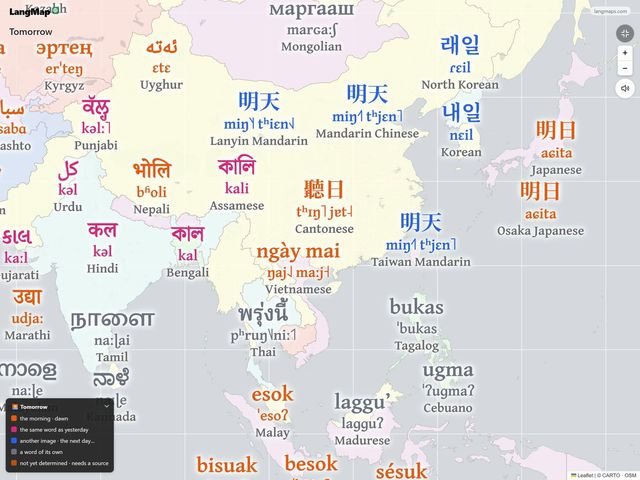
Yesterday and Tomorrow: What If They Were the Same Word?
In Hindi, "yesterday" and "tomorrow" are exactly the same word.
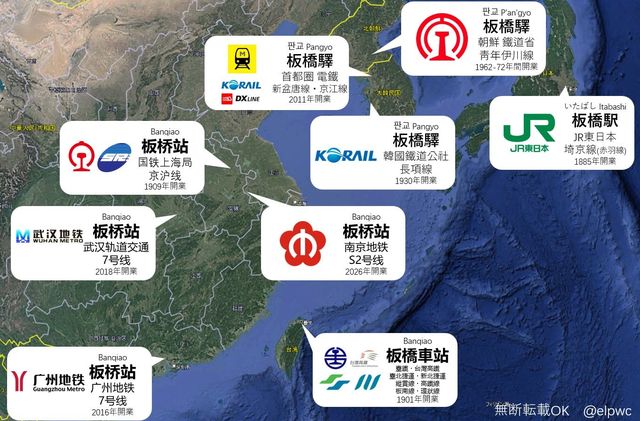
Four Places, One Name: 板橋
Tokyo has a district called 板橋, pronounced Itabashi.
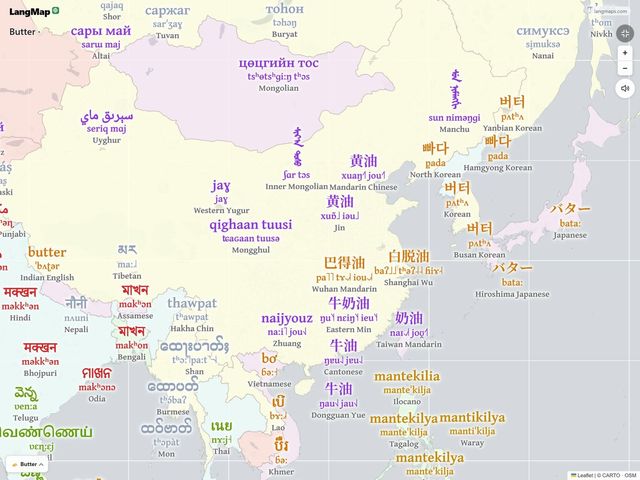
Butter: One Food, Many Histories
In Japan and Korea, butter sounds English. In Vietnam, it sounds French. In the Philippines, it sounds Spanish.
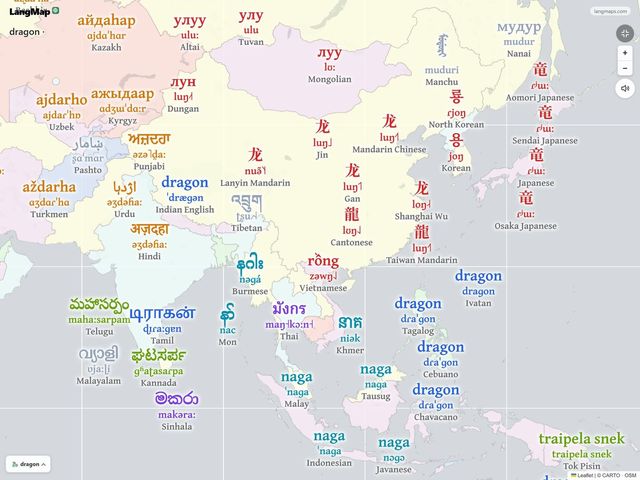
Dragon Mountain: 龍山 Across East Asia
Seoul has a place called 龍山, the Dragon Mountain.
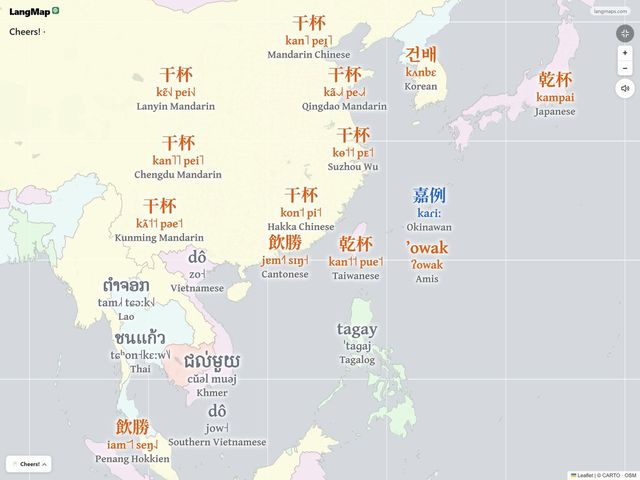
How to Turn Bad Luck into Good Luck, Just by Changing a Word
In Japan, a squid that sounded like losing money became a winning squid.
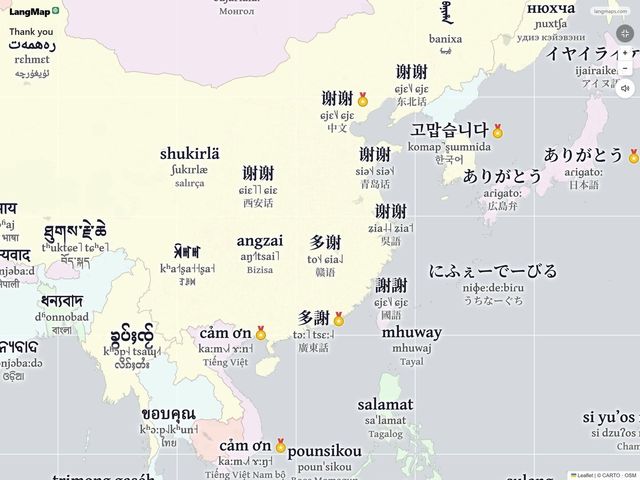
Thank You: One Feeling, Many Hidden Stories
In Japanese, "thank you" originally described something almost impossible to find.
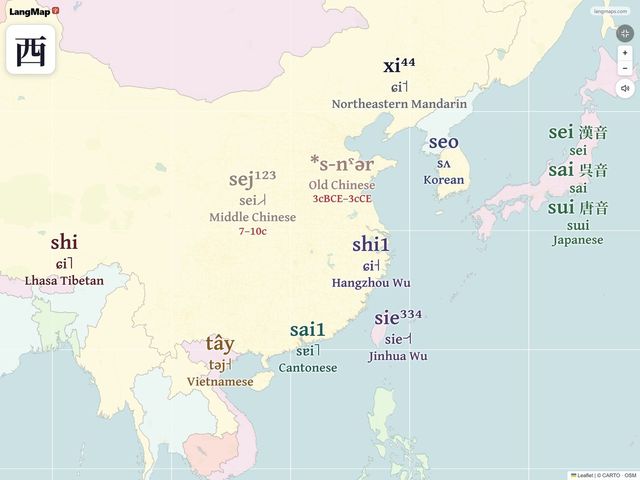
Three Lakes, One Name: 西湖
China, Vietnam and Japan each have a famous lake called 西湖, "West Lake".

China's Space Program: Where Technology Meets Poetry
China builds rockets, space stations, lunar landers, and planetary probes using some of the world's most advanced technology.
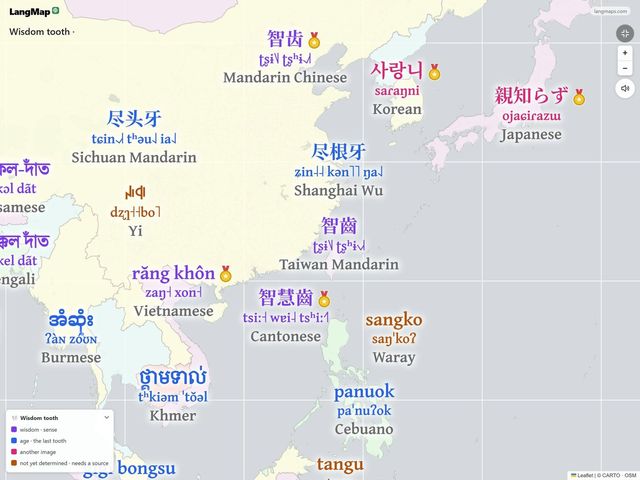
Wisdom, Love, and Missing Parents: What East Asia Calls the Wisdom Tooth
In China and Vietnam, the last molar is a symbol of wisdom.
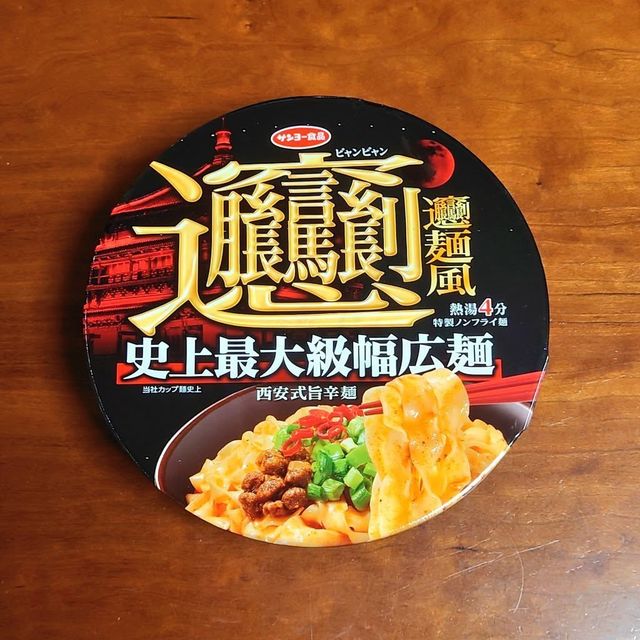
Biáng: 58 Strokes for a Bowl of Noodles
In Xi'an, China, a humble bowl of noodles has a name written with one of the most complicated Chinese characters in everyday use.
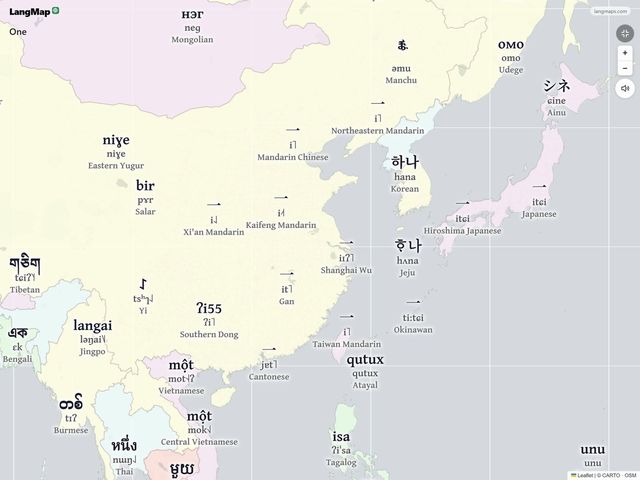
One to Ten: When Numbers Mean More Than Numbers
The same ten Chinese characters are pronounced differently across East Asia, preserving centuries of linguistic history.
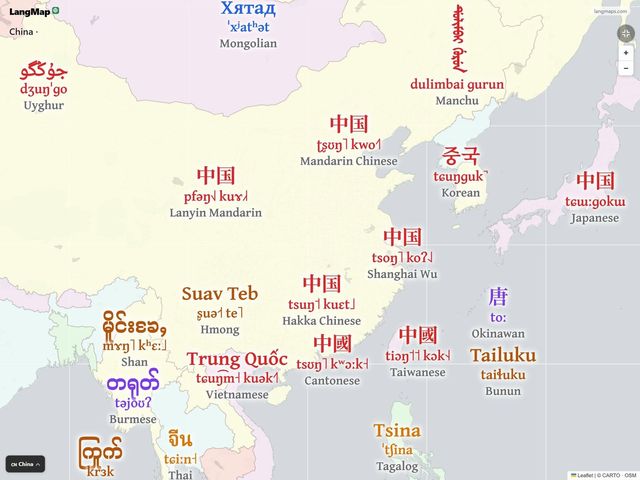
What does your language call China?
Some languages call it by its own name.
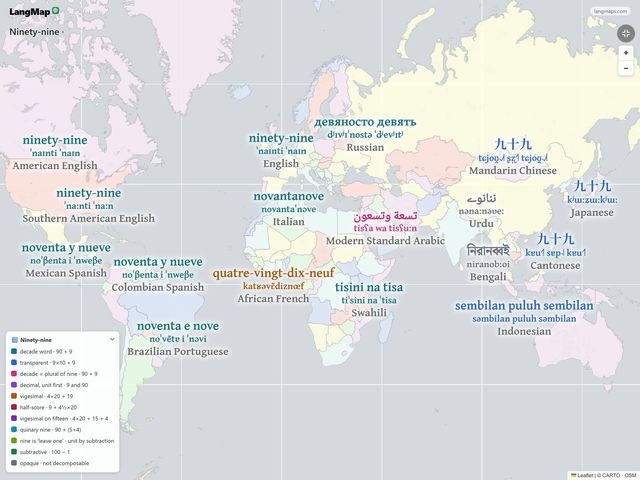
Part 3 The Secret Life of 99 (Part 3): When Ninety Means Four and a Half Twenties
French expresses 99 as "four twenties plus nineteen." But twenty-based counting is far from unusual in Europe.
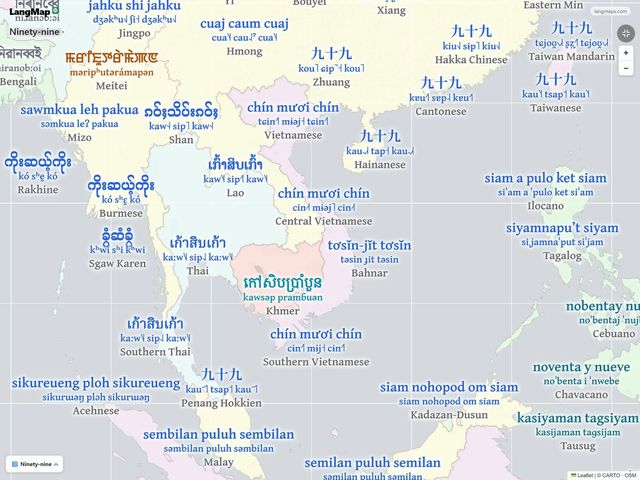
Part 2 The Secret Life of 99 (Part 2): When Ten Is Not Always Ten
Vietnamese preserves two traditions of counting, one native and one Chinese-derived. Even a group called "ten" may not always contain exactly ten items.
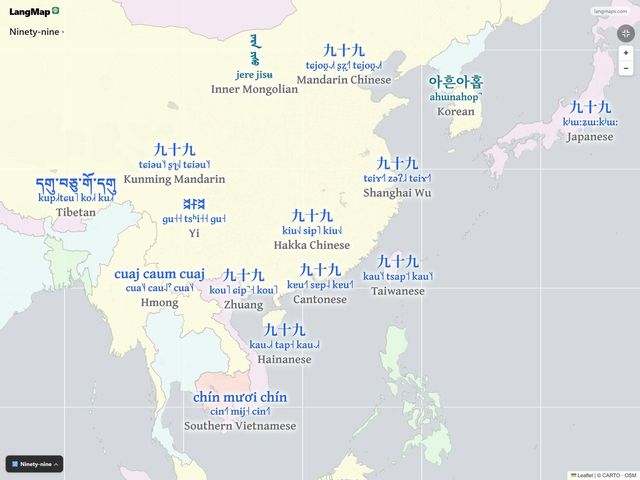
Part 1 The Secret Life of 99 (Part 1): A Number Hidden in an Ancient Manuscript
In Chinese, 99 is simply "nine-ten-nine." But even Chinese has surprising exceptions to its regular counting system.
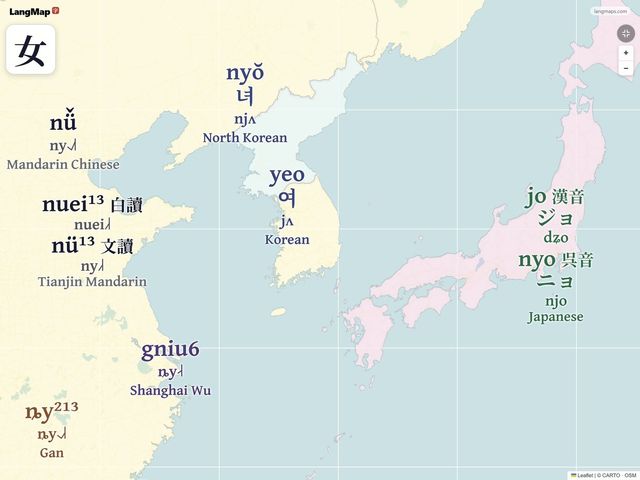
Why does "Ri" become "I" in South Korean names?
The Chinese character 李 is read "ri" in Korean.
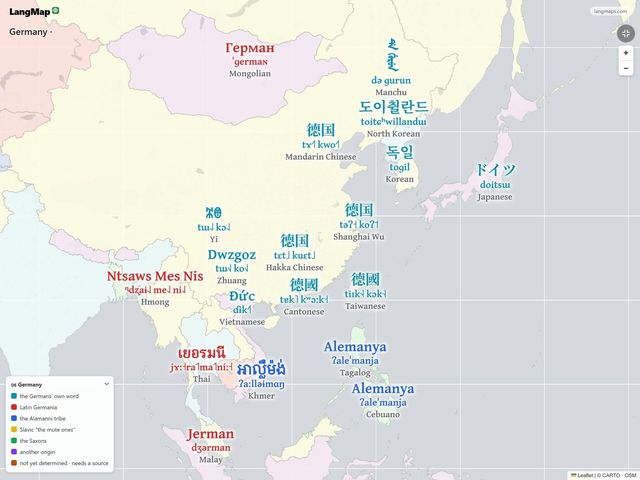
Why does Asia have so many different names for Germany?
Japan says Doitsu. China says Déguó. South Korea says Dogil.
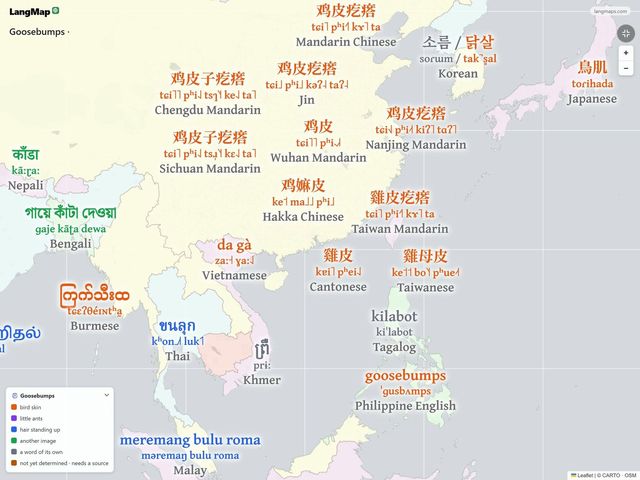
Why does so much of the world call goosebumps "bird skin"?
Japanese has a strange expression for goosebumps. It calls them "bird skin."
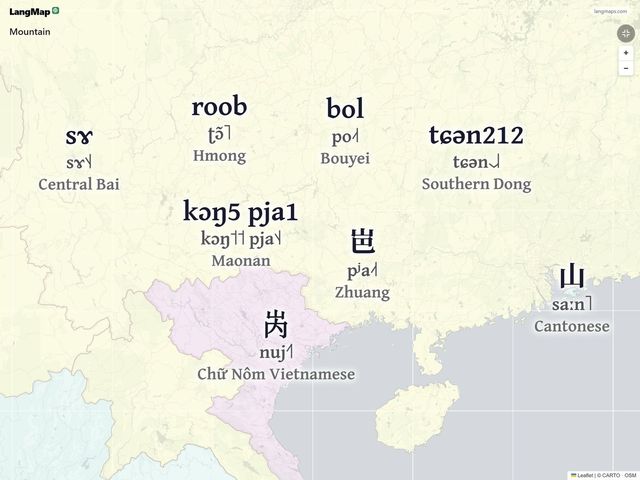
What if English had invented its own Chinese characters?
Imagine writing man, eat and dog with Chinese-style characters.
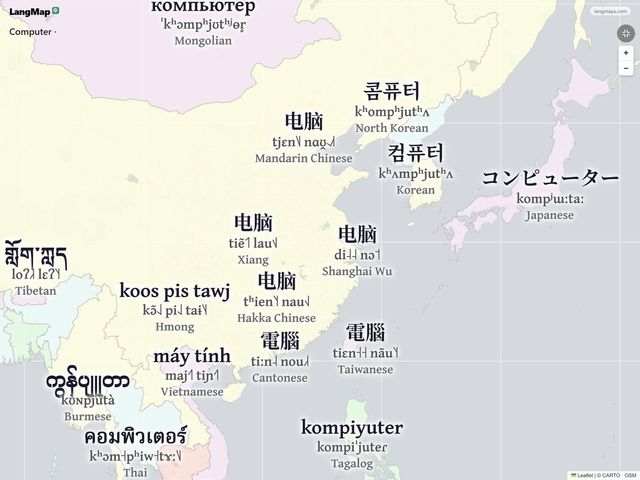
What do you call a computer?
When computers arrived in Asia, many languages simply borrowed the English word computer.
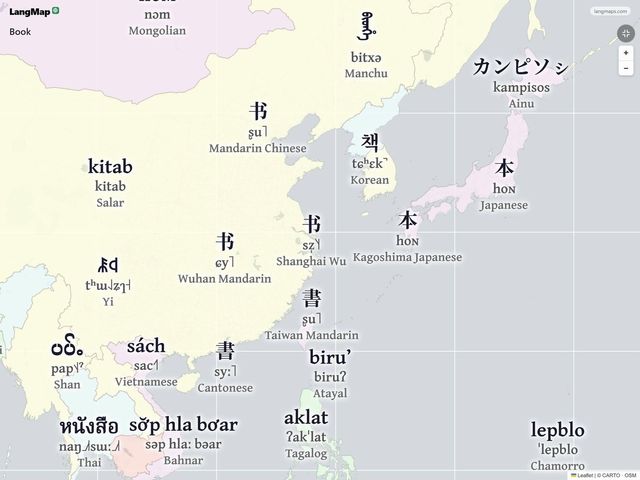
Why does so much of Asia count things this way?
Chinese, Vietnamese, Korean and Japanese are not one language family.
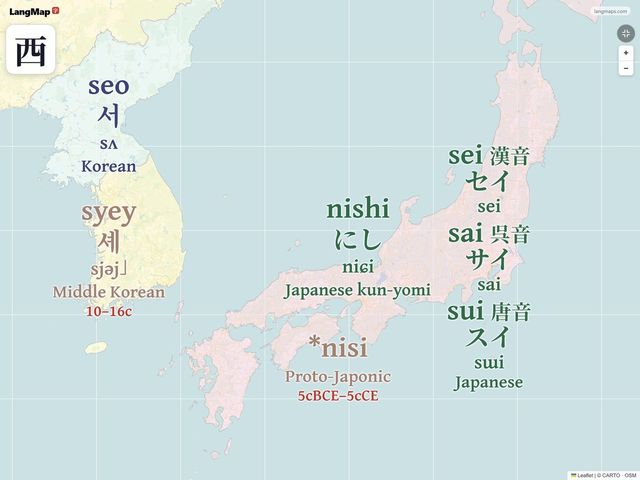
Why is 西瓜 pronounced suika?
Japan has a very ordinary word with a surprisingly strange pronunciation.
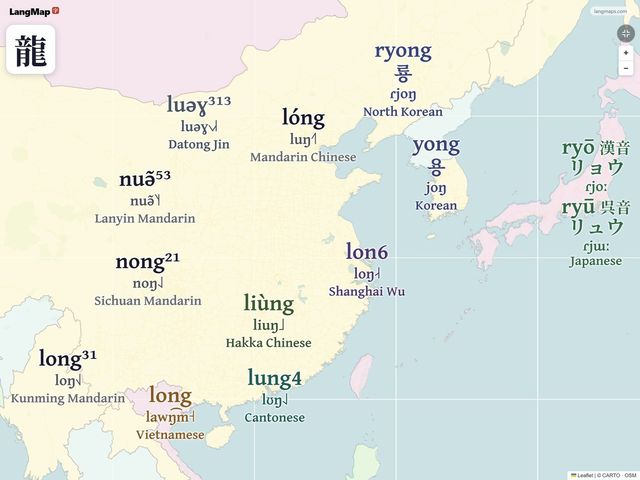
One Dragon, Five Languages
Hanoi was once called Thăng Long, 昇龍, "Ascending Dragon."
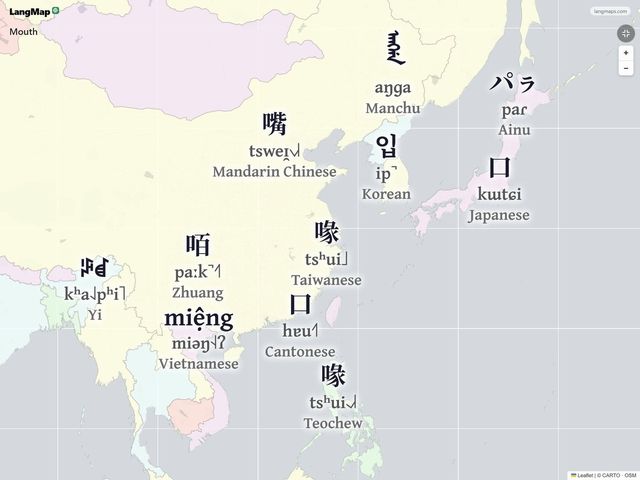
口, 嘴, 喙: When a Beak Becomes a Mouth
The character 口 looks like the obvious way to write "mouth."
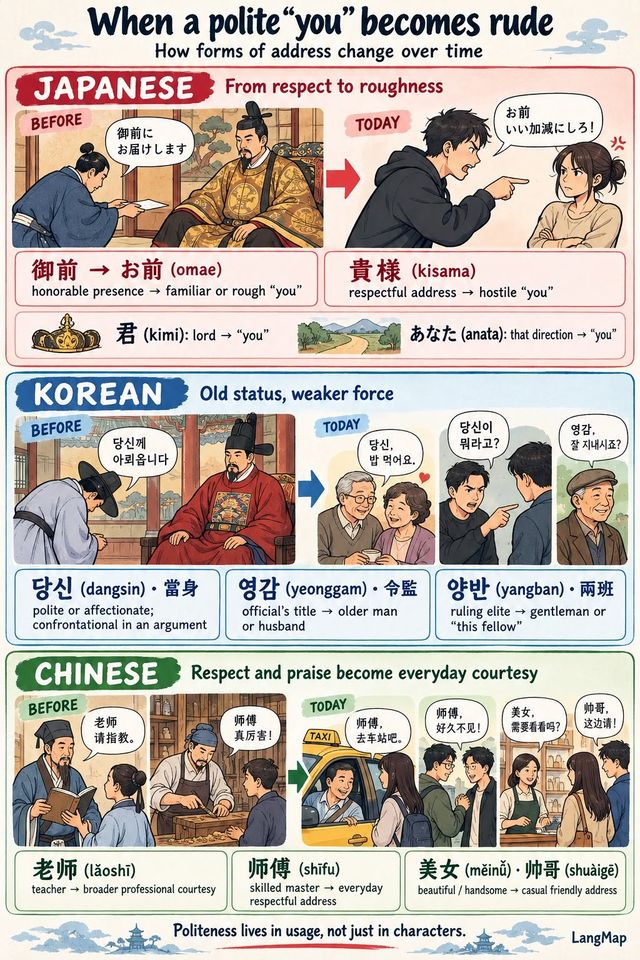
When a Polite "You" Becomes Rude
Japanese お前 (omae) and 貴様 (kisama) can sound rough or openly hostile today.
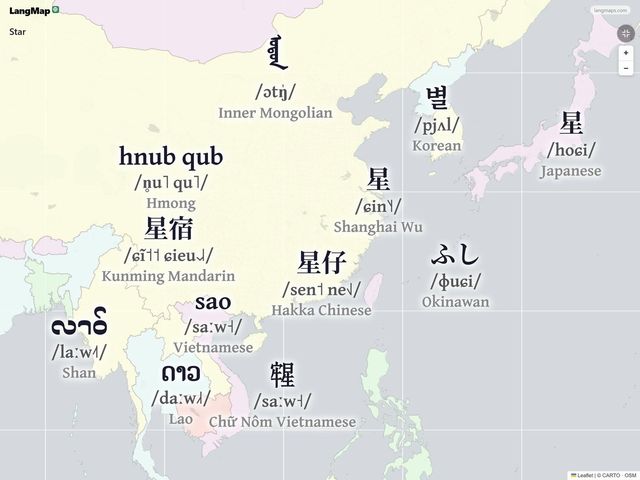
Seven Characters, Seven Days: 月火水木金土日
Japanese and Korean use the same seven characters for the days of the week: 月火水木金土日.
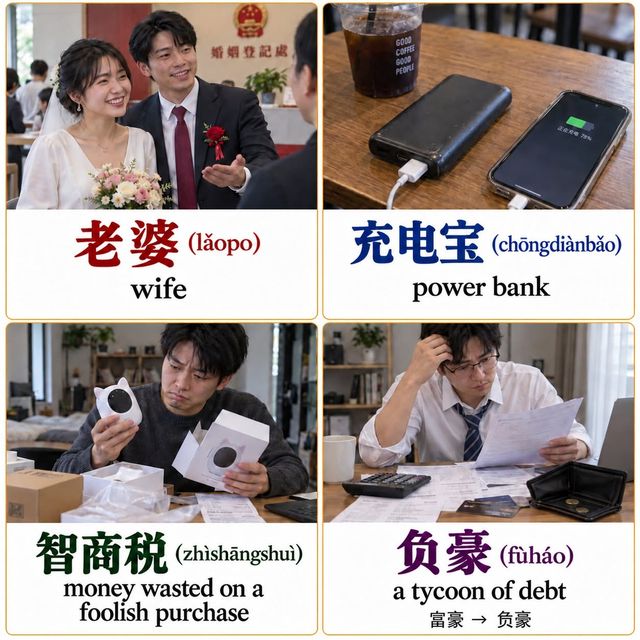
Part 4 I Know the Characters. But Not That Meaning. Part 4: New Lives for Familiar Characters
In Chinese, 老婆 is an ordinary word for "wife"; in Japanese and Korean, the same characters mean "elderly woman."
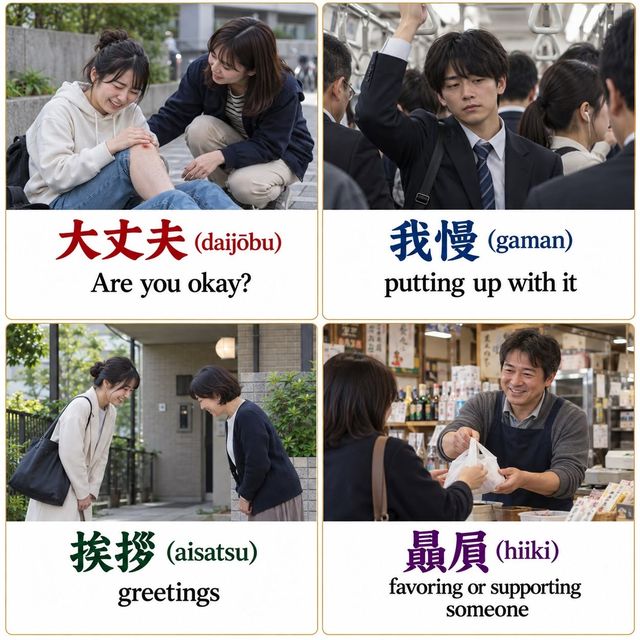
Part 3 I Know the Characters. But Not That Meaning. Part 3: "Are You Okay?" Written 大丈夫
In Japanese, 大丈夫 (daijōbu) means "okay"; in Chinese, 大丈夫 is still a principled, resolute man.
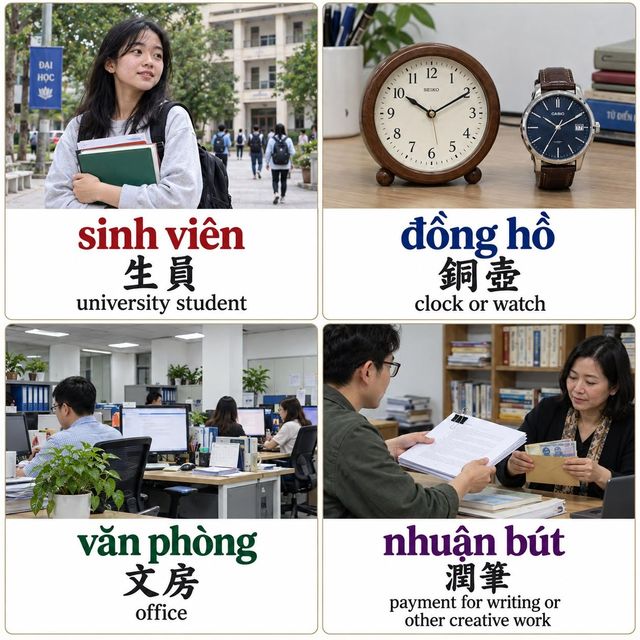
Part 2 I Know the Characters. But Not That Meaning. Part 2: An Office Called 文房
A Vietnamese university student is a sinh viên, written 生員, a name once tied to the imperial examinations.
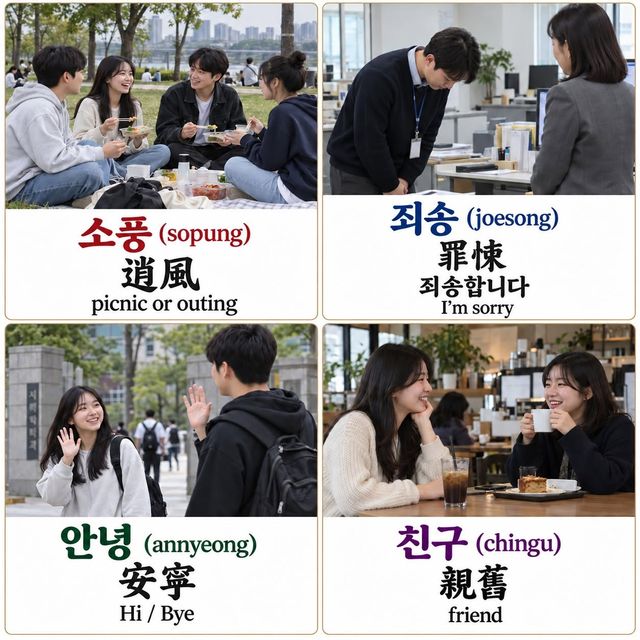
Part 1 I Know the Characters. But Not That Meaning. Part 1: A Picnic Called 逍風
A Korean school picnic, 소풍, is written 逍風 in characters.
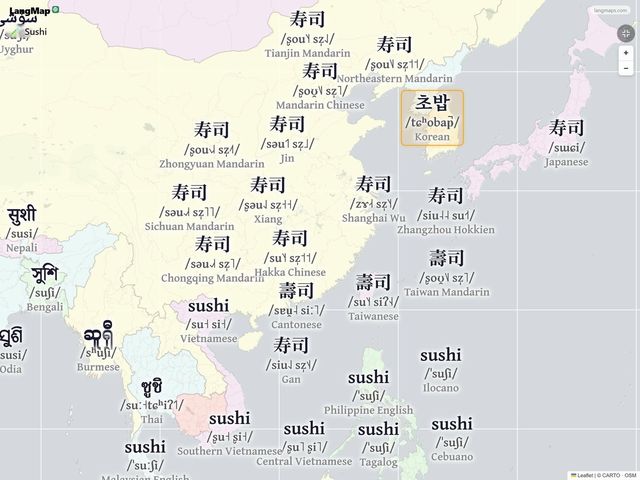
Sushi, 초밥, 寿司: Three Ways to Borrow a Word
Much of the world simply borrowed the Japanese word sushi.
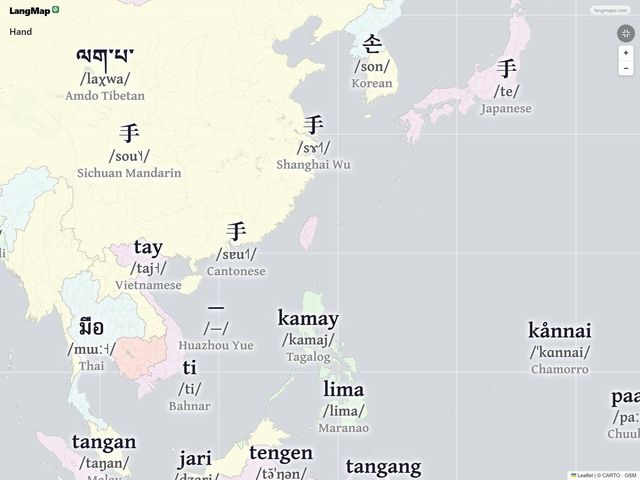
English Words Do Not Always Stay English in Asia
English words do not always stay English after they arrive in Asia.
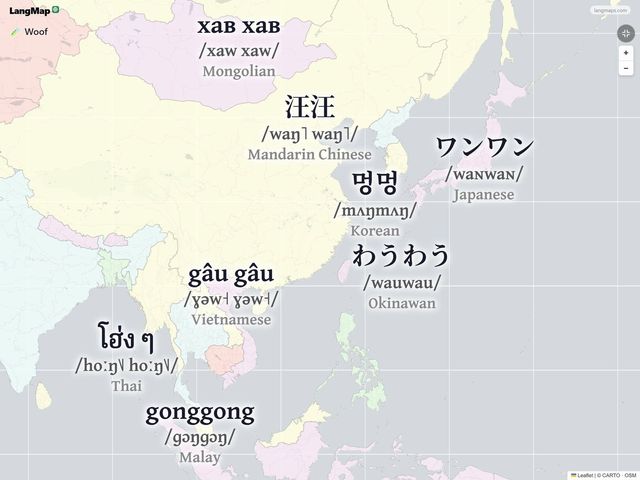
Dogs Do Not "Say" the Same Thing in Every Language
Dogs do not "say" the same thing in every language.
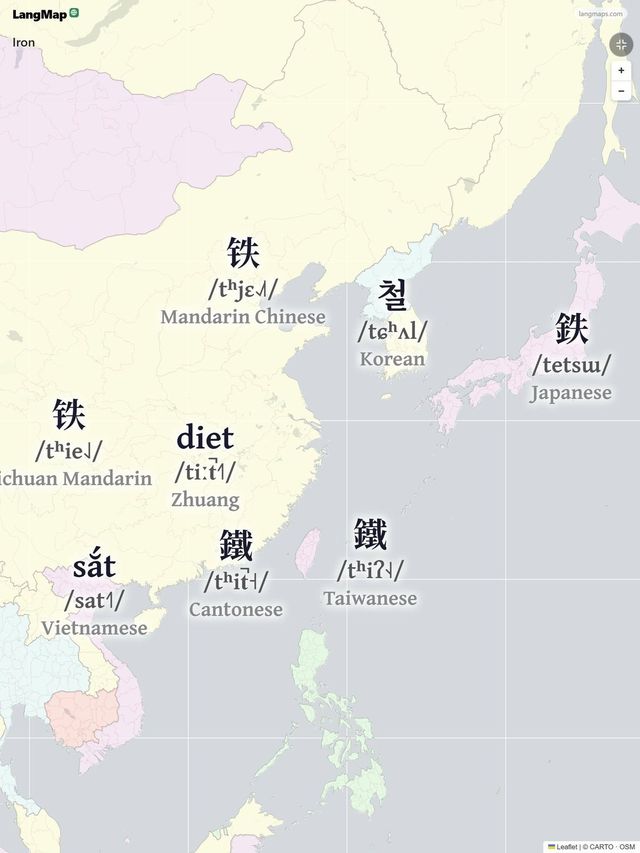
Not Just Traditional and Simplified: Three Standards for One Character
Chinese characters did not split into just "traditional" and "simplified."
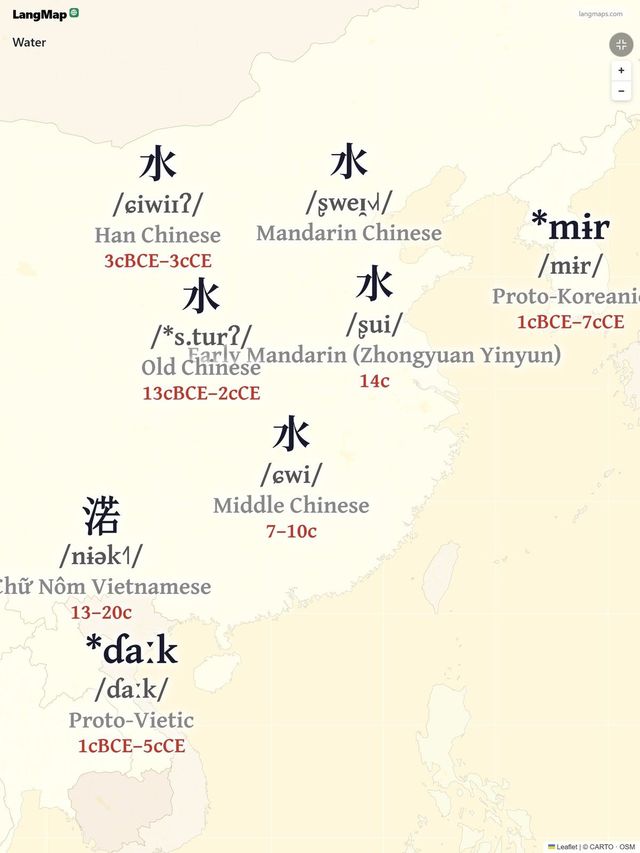
Chinese Tones Were Not Always There
Chinese tones were not always there.
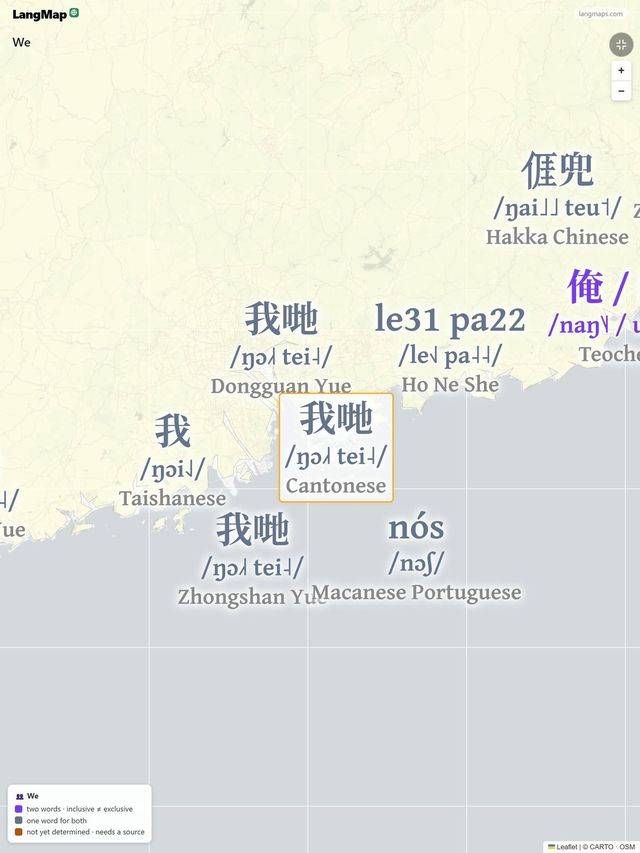
嘅, 喺, 唔: Writing Cantonese as Cantonese
Type colloquial Cantonese in Hong Kong and you meet characters standard written Mandarin rarely, if ever, needs.
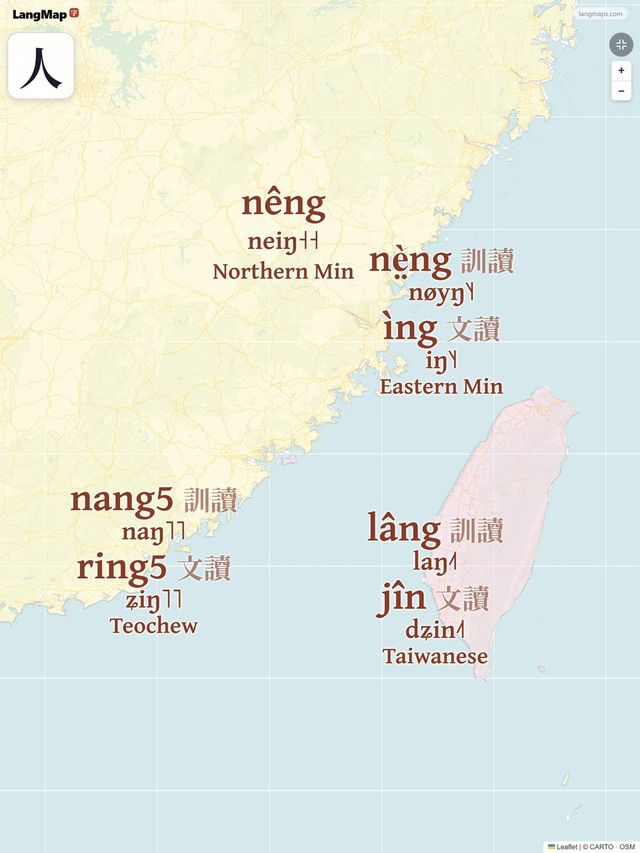
Same Character, Two Pronunciations: Literary and Colloquial Min
In Southern Min, many characters have two living pronunciations, a literary one and a colloquial one.
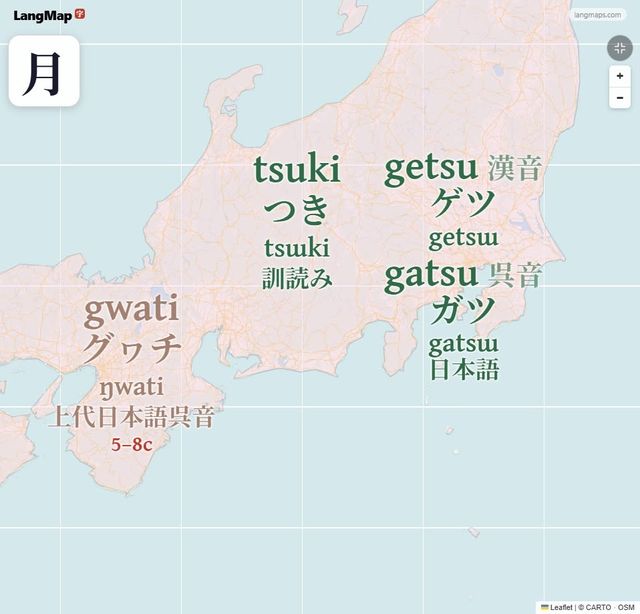
峠 and 働 Did Not Come from China
峠 "mountain pass" and 働 "to work" were made in Japan, not China.
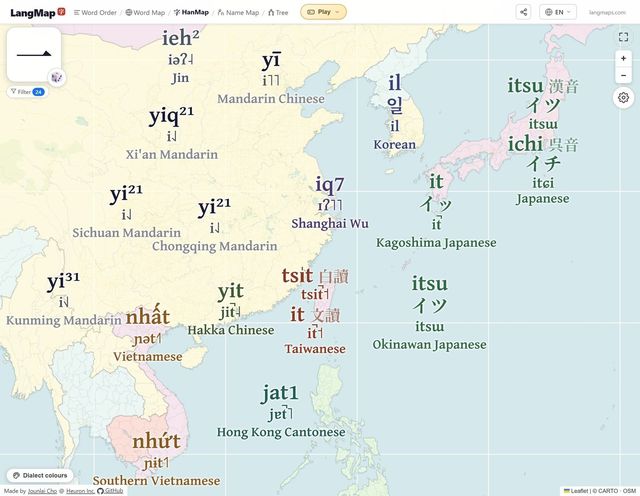
One Stroke, Many Sounds: 一
一, a single horizontal stroke, is the simplest character there is.
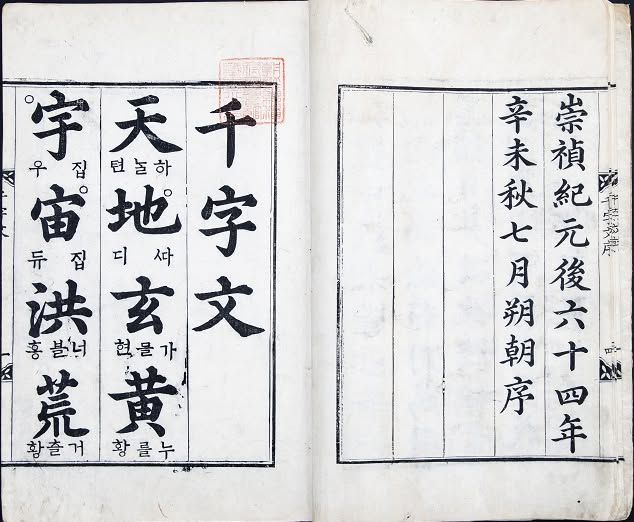
Two Labels for Every Character: 물 수 (水)
Korean Hanja textbooks give each character two labels, as in 물 수 for 水, "water" plus su.
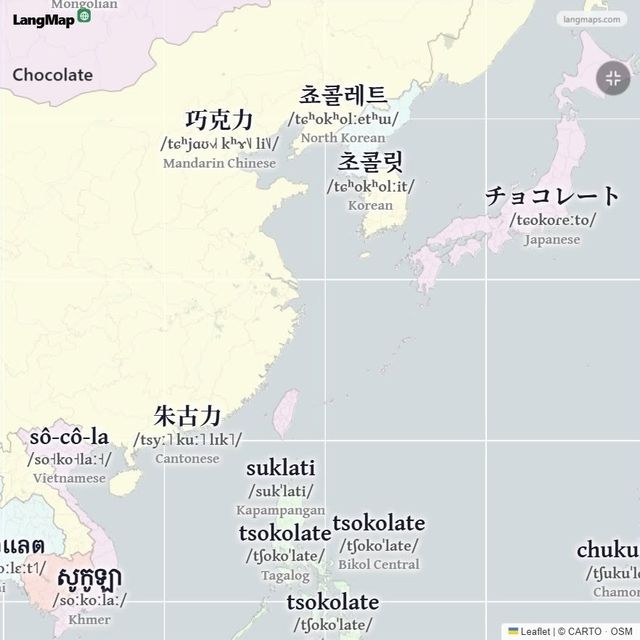
Chocolate Left Mesoamerica with Its Name, and You Can Still Recognize It Almost Everywhere
The word chocolate left Mesoamerica through Spanish and is recognizable almost everywhere.
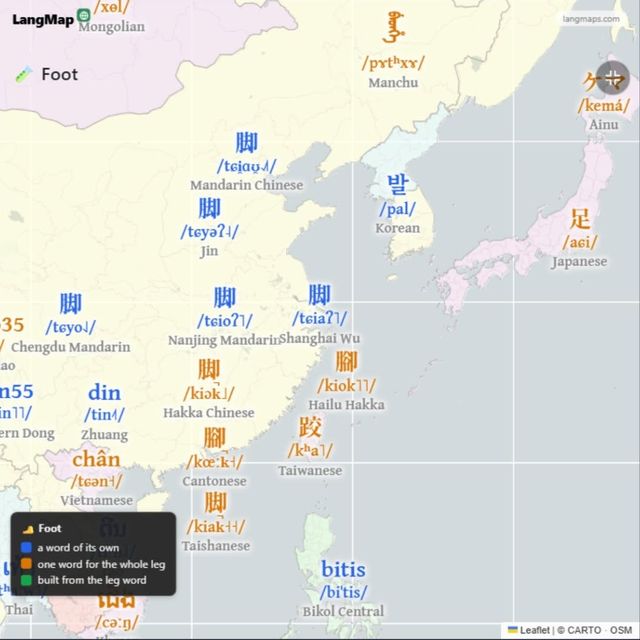
How Far Up Does a "Foot" Go?
Many languages use one word for both the foot and the leg; others draw a clear line between them.
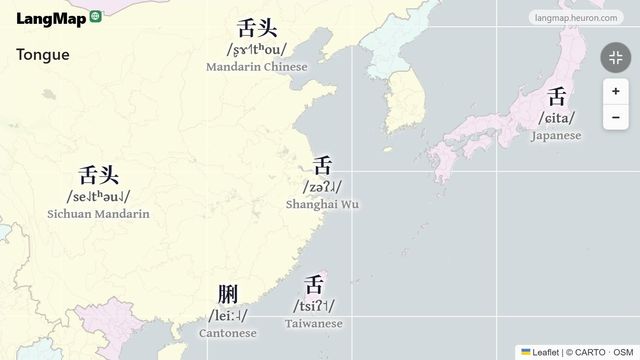
One Variety in the Sinosphere Refuses to Write 舌 for "Tongue"
Across the Sinosphere the tongue is written 舌, but Cantonese writes 脷.
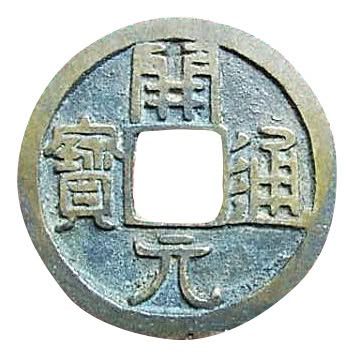
One Coin, Four Readings: The Tang Dynasty's Multilingual Currency
In 621 the Tang court issued a bronze coin inscribed 開元通寶.
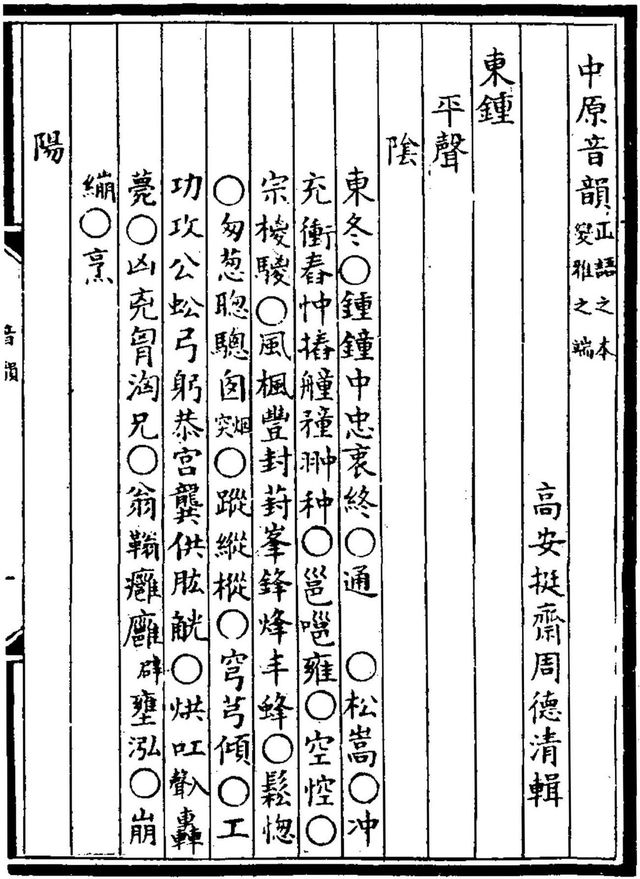
A 1324 Rhyme Book Pins Down the Birth of Modern Mandarin, and It Was Written for Playwrights
In 1324 the dramatist Zhou Deqing finished the Zhongyuan Yinyun, a rhyme book for writers of Yuan opera.
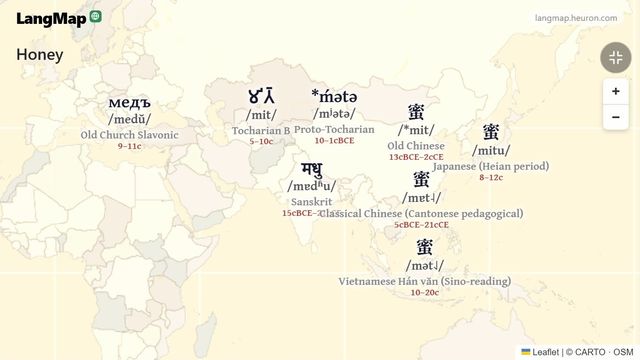
The Chinese Word 蜜 mì May Be a Distant Relative of English "Mead"
Proto-Indo-European seems to have had two words for honey, one behind Latin mel and one behind English mead.
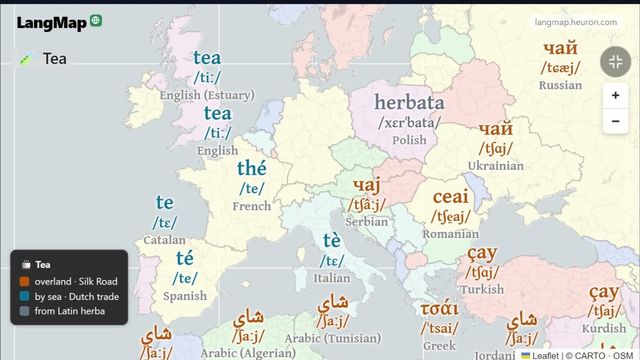
Everyone Knows Tea Splits into Cha and Te. There Is a Third Answer.
Almost every language's word for tea came out of China by one of two roads, cha overland or te by sea.
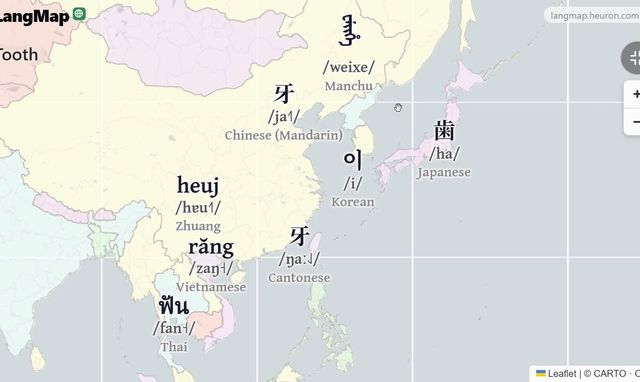
The Sinosphere Cuts the Mouth in Two: 牙 and 齒
Chinese has two old words for teeth, 牙 for the back teeth and tusks and 齒 for the front teeth.
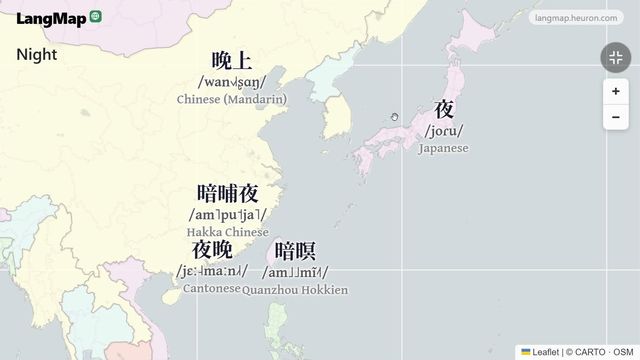
One Night, Four Compounds
Mandarin 晚上, Cantonese 夜晚, Hokkien 暗暝 and Hakka 暗晡夜 all mean "night".
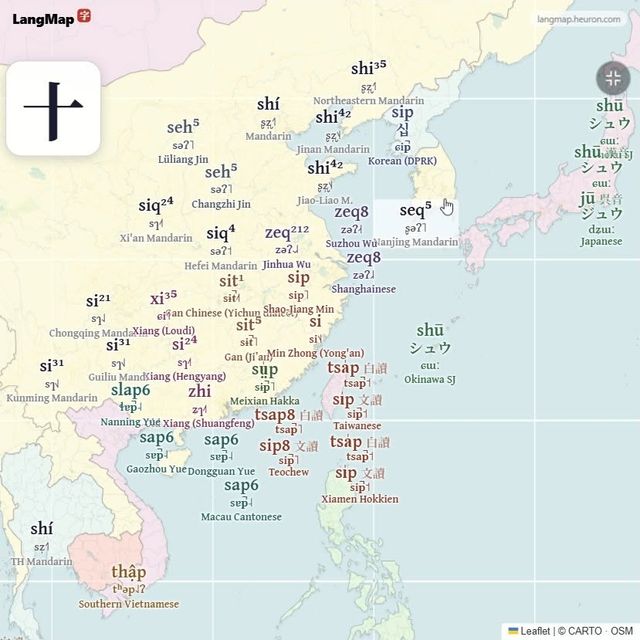
Why Is 十回 Read "Jikkai" and Not "Jūkai"?
In Japanese, 十 alone is jū, but 十回 "ten times" is jikkai, with a doubled consonant.
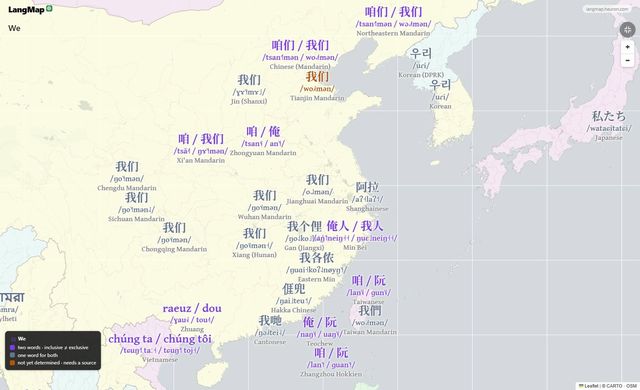
Two Kinds of "We" in Mandarin Chinese: 咱们 and 我们
Northern Mandarin has two words for "we": 咱们 (zánmen), which includes you, and 我们 (wǒmen), which can leave you out.
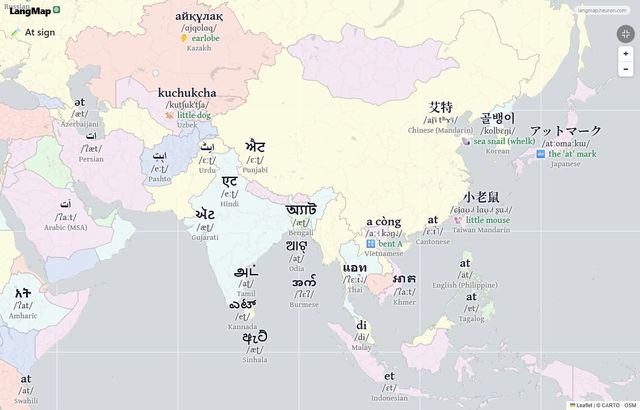
What You Call the "@" Sign in Asia
Every keyboard in Asia has the same "@" key, but the languages do not agree on what to call it.
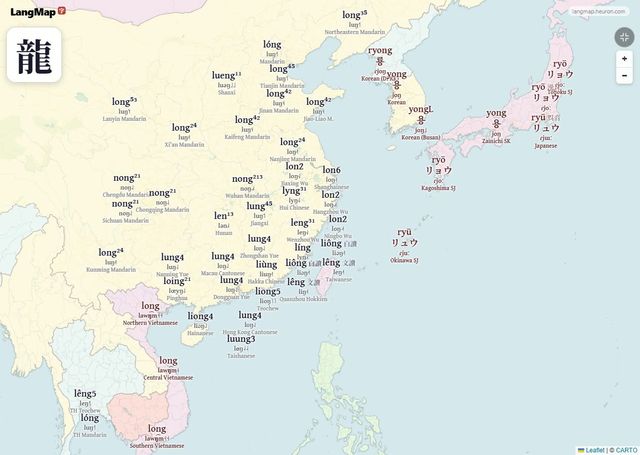
One Character, Many Voices: 龍
The character 龍, "dragon", is read lóng, lung, lîng, yong, ryong, ryū and long across East Asia.