Pyu
Sino-Tibetan (Pyu) · historical / hidden variety
Pyu was spoken by the Pyu City-States of central Burma (Sri Ksetra, Beikthano, Halin) from the 4th to 12th centuries. It is a Sino-Tibetan language whose precise affiliation within the family is debated. The Pyu script (a Brahmic abugida) is partially deciphered; vocabulary is largely confined to Buddhist inscriptions on stupas. Many entries here are tentative or unattested.
Where it is spoken
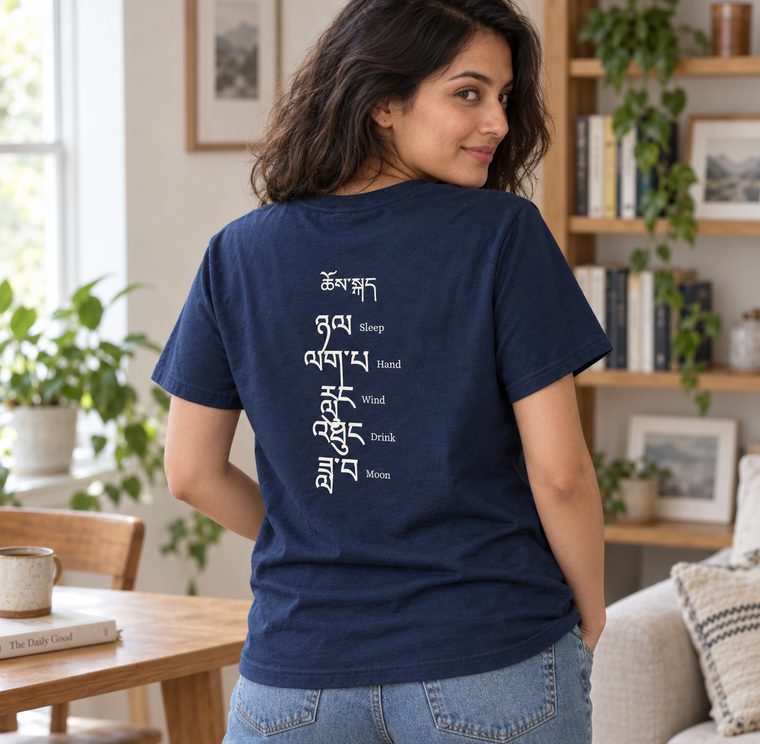
87 core words in Pyu
Sources
- Marc Miyake 2024, "A new study of the Pyu face of the Kubyaukgyi (Myazedi) inscription: glossary and apparatus" (transliteration and /phonemic/ forms: tduṃ /t.du(j)/, gaṁḥ /gä(j)H/, rmiṅ· /r.miŋ/, taṁ /tä(k)/, nhoḥ /n.ho(m)H/, ha /ha(k)/, ru /ru(C)/); Miyake 2016 "Pyu numerals in comparative perspective" (kni 'two'); Miyake 2021 "The prehistory of Pyu" (/pəŋa/ 'five'); G. H. Luce 1985, Phases of Pre-Pagan Burma vol. 2 (ru 'bone, relic')
Words compared
Compared with languages in the same classification: Sino-Tibetan (Pyu)
| Meaning | Pyu | Nicaraguan Sign Language | Tartessian | Liburnian | Iberian | Goguryeo | Venetic |
|---|---|---|---|---|---|---|---|
| Water | tduṃ /t.du(j)/ | — /—/ | — /—/ | — /—/ | — /—/ | 買 /*mai/ | ouriom /ˈouriom/ |
| Fire | — /—/ | — /—/ | — /—/ | — /—/ | — /—/ | — /—/ | — /—/ |
| Sun | — /—/ | — /—/ | — /—/ | — /—/ | — /—/ | — /—/ | — /—/ |
| Moon | — /—/ | — /—/ | — /—/ | — /—/ | — /—/ | — /—/ | — /—/ |
| Star | — /—/ | — /—/ | — /—/ | — /—/ | — /—/ | — /—/ | — /—/ |
| Night | — /—/ | — /—/ | — /—/ | — /—/ | — /—/ | — /—/ | — /—/ |
| Mother | — /—/ | — /—/ | — /—/ | — /—/ | — /—/ | — /—/ | matur /ˈmatur/ |
| Father | — /—/ | — /—/ | — /—/ | — /—/ | — /—/ | — /—/ | — /—/ |
| I | gaṁḥ /gä(j)H/ | — /—/ | — /—/ | — /—/ | — /—/ | — /—/ | eχo /ˈexo/ |
| You | — /—/ | — /—/ | — /—/ | — /—/ | — /—/ | — /—/ | — /—/ |
| We | — /—/ | — /—/ | — /—/ | — /—/ | — /—/ | — /—/ | — /—/ |
| Name | rmiṅ· /r.miŋ/ | — /—/ | — /—/ | — /—/ | — /—/ | — /—/ | — /—/ |
| Eye | — /—/ | — /—/ | — /—/ | — /—/ | — /—/ | — /—/ | — /—/ |
| Tooth | — /—/ | — /—/ | — /—/ | — /—/ | — /—/ | — /—/ | — /—/ |
| Tongue | — /—/ | — /—/ | — /—/ | — /—/ | — /—/ | — /—/ | — /—/ |
| Hand | — /—/ | — /—/ | — /—/ | — /—/ | — /—/ | — /—/ | — /—/ |
| Heart | — /—/ | — /—/ | — /—/ | — /—/ | — /—/ | — /—/ | — /—/ |
| Bone | ru /ru(C)/ | — /—/ | — /—/ | — /—/ | — /—/ | — /—/ | — /—/ |
| Blood | — /—/ | — /—/ | — /—/ | — /—/ | — /—/ | — /—/ | — /—/ |
| Love | — /—/ | — /—/ | — /—/ | — /—/ | — /—/ | — /—/ | — /—/ |
| Tree | — /—/ | — /—/ | — /—/ | — /—/ | — /—/ | — /—/ | — /—/ |
| Dog | — /—/ | — /—/ | — /—/ | — /—/ | — /—/ | — /—/ | — /—/ |
| Cat | — /—/ | — /—/ | — /—/ | — /—/ | — /—/ | — /—/ | — /—/ |
| Fish | — /—/ | — /—/ | — /—/ | — /—/ | — /—/ | — /—/ | — /—/ |
| House | — /—/ | — /—/ | — /—/ | — /—/ | — /—/ | — /—/ | — /—/ |
| Eat | — /—/ | — /—/ | — /—/ | — /—/ | — /—/ | — /—/ | — /—/ |
| Drink | — /—/ | — /—/ | — /—/ | — /—/ | — /—/ | — /—/ | — /—/ |
| One | taṁ /tä(k)/ | — /—/ | — /—/ | — /—/ | ban /ban/ | — /—/ | — /—/ |
| Two | kni /kni/ | — /—/ | — /—/ | — /—/ | bi /bi/ | — /—/ | — /—/ |
| Three | nhoḥ /n.ho(m)H/ | — /—/ | — /—/ | — /—/ | irur /irur/ | 密 /*mit/ | — /—/ |
| Five | pəŋa /pəŋa/ | — | — | — | borste /borste/ | 于次 /*utsu/ | — |
| Hello | — /—/ | — /—/ | — /—/ | — /—/ | — /—/ | — /—/ | — /—/ |
| Thank you | — /—/ | — /—/ | — /—/ | — /—/ | — /—/ | — /—/ | — /—/ |
| Good | ha /ha(k)/ | — /—/ | — /—/ | — /—/ | — /—/ | — /—/ | — /—/ |
| Red | — /—/ | — /—/ | — /—/ | — /—/ | — /—/ | — /—/ | — /—/ |
Open the interactive map: Word Map · HanMap · Name Map · Word Order · Tree
Part of LangMap — a linguistic visualization project. This is a static, crawlable summary; the interactive maps offer pronunciation audio, filters, and a globe view.
Made by Heuron Inc. · GitHub · cho@heuron.com · LangMap home