Iguvinas
Umbrian
Indo-European (Italic, Sabellic, Osco-Umbrian)
Umbrian was a Sabellic (Osco-Umbrian) Italic language spoken in ancient Umbria and known almost entirely from the Iguvine Tablets — seven bronze tablets from Iguvium (modern Gubbio) recording the elaborate priestly rituals of the Atiedian Brotherhood. It shows characteristic Sabellic innovations such as rhotacism of intervocalic /s/, loss of final consonants, and the development of -nd- > -nn-, distinguishing it sharply from sister Latin.
Where it was spoken
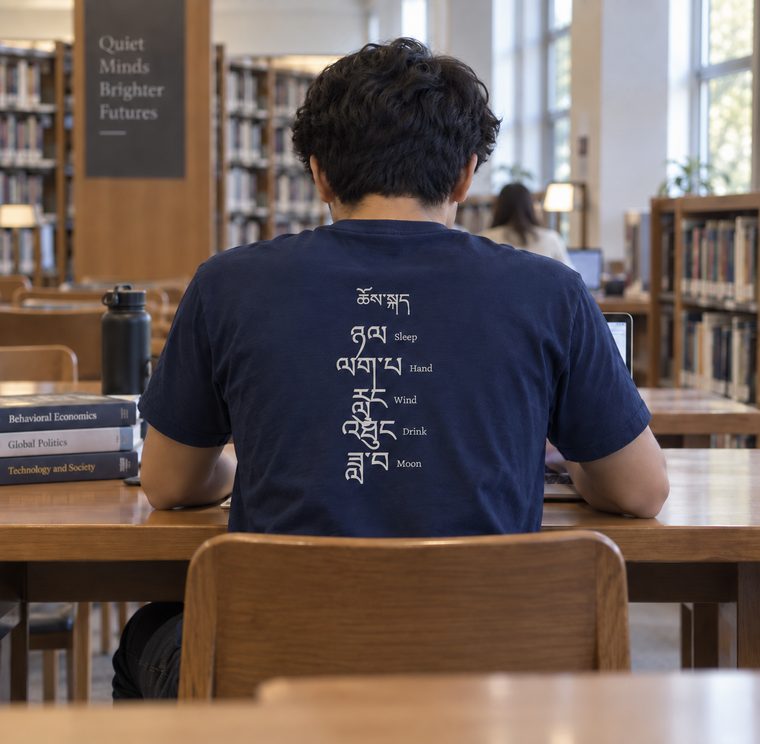
👕 The words of this language can also go on a T-shirt (below)
21 core words in Umbrian
Sources
- Buck, C. D. (1928) A Grammar of Oscan and Umbrian, with a Collection of Inscriptions and a Glossary. Boston: Ginn & Co.
- Poultney, J. W. (1959) The Bronze Tables of Iguvium. American Philological Association Monograph 18.
- Untermann, J. (2000) Wörterbuch des Oskisch-Umbrischen. Heidelberg: Winter.
- Weiss, M. (2010) Language and Ritual in Sabellic Italy: The Ritual Complex of the Third and Fourth Tabulae Iguvinae. Leiden: Brill.
- Glottolog: Umbrian
Words compared
Compared with languages in the same classification: Indo-European
| Meaning | Umbrian | Faliscan | Dante-era Italian | Sicilian | Phrygian | Latin | Late Latin |
|---|---|---|---|---|---|---|---|
| Water | utur /ˈutur/ | — | acqua /ˈakkwa/ | acqua /ˈakkwa/ | bedu /ˈbedu/ | aqua /ˈakʷa/ | aqua /ˈakʷa/ |
| Fire | pir /pir/ | — | foco /ˈfɔko/ | focu /ˈfɔku/ | — | ignis /ˈiŋnis/ | focus /ˈfɔkos/ |
| Mountain | ukar /ˈukar/ | — | montagna /monˈtaɲɲa/ | muntagna /munˈtaɲɲa/ | — | mōns /moːns/ | mons /mons/ |
| I | mehe /ˈmehe/ | eko /ˈeko/ | io /ˈio/ | iu /ˈiu/ | — | ego /ˈeɡoː/ | ego /ˈɛɡo/ |
| You | tiom /ˈtiom/ | tu /tuː/ | tu /tu/ | tu /tu/ | — | tū /tuː/ | tu /tu/ |
| Mother | matrer /ˈmatrer/ | mate /ˈmate/ | madre /ˈmadre/ | matri /ˈmatri/ | matar /ˈmatar/ | māter /ˈmaːter/ | mater /ˈmater/ |
| Father | patre /ˈpatre/ | pater /ˈpater/ | padre /ˈpadre/ | patri /ˈpatri/ | — | pater /ˈpater/ | pater /ˈpater/ |
| Name | nome /ˈnome/ | nomen /ˈnomen/ | nome /ˈnome/ | nomu /ˈnɔmu/ | onoman /ˈonoman/ | nōmen /ˈnoːmen/ | nomen /ˈnomen/ |
| Hand | manuv-e /maˈnuwe/ | — | mano /ˈmano/ | manu /ˈmanu/ | zeira /ˈzeːra/ | manus /ˈmanus/ | manus /ˈmanos/ |
| Right (side) | destre /ˈdestre/ | — | destro /ˈdɛstro/ | drittu /ˈɾitːu/ | — | dexter /ˈdekster/ | dexter /ˈdɛkster/ |
| Left (side) | nertru-co /ˈnertruko/ | — | sinistro /siˈnistro/ | manca /ˈmaŋka/ | — | sinister /ˈsinister/ | sinister /seˈnester/ |
| Foot | persi /ˈpersi/ | — | piede /ˈpjɛde/ | pedi /ˈpɛdi/ | petes /ˈpetes/ | pēs /peːs/ | pes /pes/ |
| Bird | auif /ˈawif/ | — | uccello /utˈtʃɛllo/ | aceddu /aˈtʃɛɖːu/ | — | avis /ˈawis/ | avis /ˈaβes/ |
| Salt | salu /ˈsalu/ | — | sale /ˈsale/ | sali /ˈsali/ | — | sal /sal/ | sal /sal/ |
| Wine | uinu /ˈwiːnu/ | uino /ˈwiːno/ | vino /ˈvino/ | vinu /ˈvinu/ | — | vīnum /ˈwiːnum/ | vinum /ˈβino/ |
| One | unu /ˈunu/ | oinos /ˈoi̯nos/ | uno /ˈuno/ | unu /ˈunu/ | — | ūnus /ˈuːnus/ | unus /ˈunos/ |
| Two | dur /dur/ | — | due /ˈdue/ | dui /ˈdui/ | — | duo /ˈduo/ | duo /ˈduo/ |
| Three | trif /trif/ | — | tre /tre/ | tri /tri/ | — | trēs /treːs/ | tres /tres/ |
| Black | atru /ˈatru/ | — | nero /ˈnero/ | nìuru /ˈniuru/ | — | niger /ˈniɡer/ | niger /ˈneɡʲer/ |
| White | alfu /ˈalfu/ | — | bianco /ˈbjaŋko/ | biancu /ˈbjaŋku/ | — | albus /ˈalbus/ | albus /ˈalβos/ |
| Red | rofa /ˈrofa/ | — | rosso /ˈrosso/ | russu /ˈrussu/ | — | ruber /ˈruber/ | ruber /ˈroβer/ |
Open the interactive map: Word Map · Han Map · Name Map · Time Map · Word Order · Tree
Part of LangMap — a linguistic visualization project. This is a static, crawlable summary; the interactive maps offer pronunciation audio, filters, and a globe view.
Made by Heuron Inc. · GitHub · cho@heuron.com · LangMap home