Mech Rasnal
Etruscan
Tyrsenian (language isolate within Italy)
Etruscan (ISO 639-3: ett) was a non-Indo-European language of Etruria and parts of northern and central Italy, attested from about the seventh century BCE into the early Roman imperial period. Its alphabet was adapted from a western Greek model and was written from right to left; Etruscan writing in turn influenced alphabets of ancient Italy, including the ancestry of the Latin alphabet. More than ten thousand inscriptions survive, but most are short names, dedications, ownership statements, or funerary formulas, so the script is readable while much vocabulary and grammar remain uncertain. Major longer sources include the linen Liber Linteus preserved as mummy wrappings, the Tabula Cortonensis, the Capua tile, and the Etruscan–Phoenician Pyrgi tablets. Many specialists group Etruscan with Raetic and Lemnian in the Tyrsenian family, although the prehistoric relationships remain debated; Latin gradually replaced Etruscan, leaving no modern descendant.
Where it was spoken
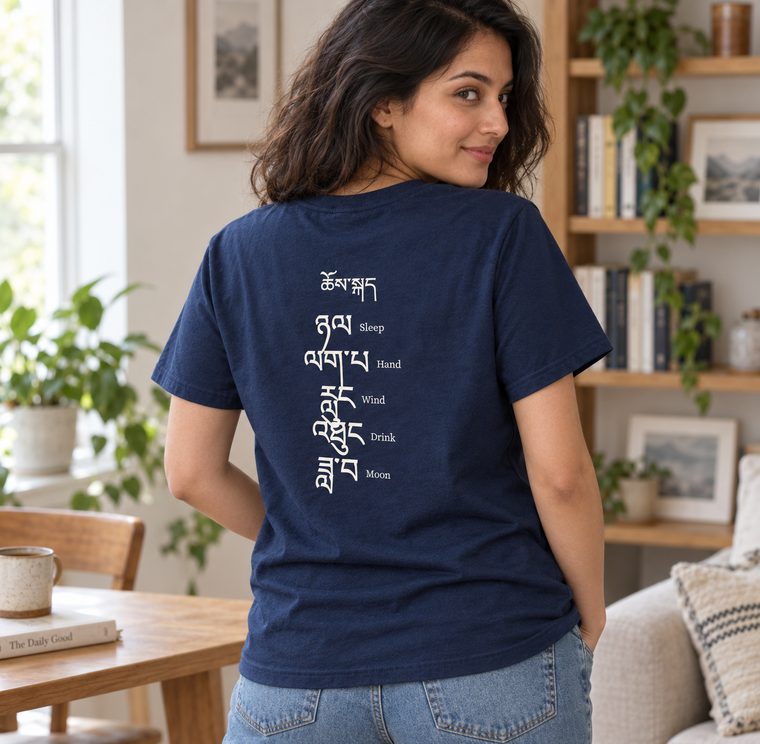
👕 The words of this language can also go on a T-shirt (below)
29 core words in Etruscan
Sources
- Bonfante & Bonfante (2002) — The Etruscan Language: An Introduction
- Pallottino (1968) — The Etruscans
Words compared
Compared with the languages whose pronunciation is closest
| Meaning | Etruscan | Umbrian | Phrygian | Makasae | Esperanto | Lojban | Sicilian |
|---|---|---|---|---|---|---|---|
| Water | neri /ˈneri/ | utur /ˈutur/ | bedu /ˈbedu/ | ira /ˈira/ | akvo /ˈakvo/ | djacu /ˈdʒaʃu/ | acqua /ˈakkwa/ |
| Fire | verse /ˈwerse/ | pir /pir/ | — | ata /ˈata/ | fajro /ˈfajro/ | fagri /ˈfaɡri/ | focu /ˈfɔku/ |
| Sun | usil /ˈusil/ | — | — | watu /ˈwatu/ | suno /ˈsuno/ | solri /ˈsolri/ | suli /ˈsuli/ |
| Moon | tiur /ˈtiur/ | — | — | uru /ˈuru/ | luno /ˈluno/ | lunra /ˈlunra/ | luna /ˈluna/ |
| Star | pulumchva /ˈpulumkʰwa/ | — | — | lekiluru /lekiluru/ | stelo /ˈstelo/ | tarci /ˈtarʃi/ | stidda /ˈstiɖːa/ |
| Earth | cel /kel/ | — | — | maa /maa/ | tero /ˈtero/ | dertu /ˈdertu/ | terra /ˈtɛrra/ |
| Stone | tul /tul/ | — | — | apa /ˈapa/ | ŝtono /ˈʃtono/ | rokci /ˈrokʃi/ | petra /ˈpɛtra/ |
| I | mi /mi/ | mehe /ˈmehe/ | — | ani /ani/ | mi /mi/ | mi /mi/ | iu /ˈiu/ |
| Mother | ati /ˈati/ | matrer /ˈmatrer/ | matar /ˈmatar/ | ina /ˈina/ | patrino /paˈtrino/ | mamta /ˈmamta/ | matri /ˈmatri/ |
| Father | apa /ˈapa/ | patre /ˈpatre/ | — | baba /ˈbaba/ | patro /ˈpatro/ | patfu /ˈpatfu/ | patri /ˈpatri/ |
| Older brother | ruva /ˈruwa/ | — | bratere /ˈbratere/ | kaka /ˈkaka/ | frato /ˈfrato/ | — | frati /ˈfrati/ |
| Daughter | sech /sekʰ/ | — | — | — | filino /fiˈlino/ | tixnu /ˈtixnu/ | figghia /ˈfiɟɟa/ |
| Wife | puia /ˈpuia/ | — | knais /knais/ | tupurae /tupurae/ | edzino /eˈdzino/ | fetspe /ˈfetspe/ | mugghieri /muɟˈɟɛɾi/ |
| King | lucumu /ˈlukumu/ | — | vanaktei /ˈwanaktei/ | — | reĝo /ˈredʒo/ | nolraitru /nolˈrajtru/ | re /rɛ/ |
| Horse | damnos /ˈdamnos/ | — | — | — | ĉevalo /tʃeˈvalo/ | xirma /ˈxirma/ | cavaddu /kaˈvaɖːu/ |
| Lion | leu /leu/ | — | — | — | leono /leˈono/ | — | liuni /liˈuni/ |
| Monkey | arim /ˈarim/ | — | — | — | simio /siˈmio/ | — | scìmia /ˈʃːimia/ |
| Mirror | malena /ˈmalena/ | — | — | — | spegulo /speˈɡulo/ | — | specchiu /ˈʃpɛkkju/ |
| Honey | math /matʰ/ | — | — | — | mielo /miˈelo/ | bicysakta /biʃəˈsakta/ | meli /ˈmɛli/ |
| Wine | vinum /ˈwinum/ | uinu /ˈwiːnu/ | — | — | vino /ˈvino/ | vanju /ˈvanʒu/ | vinu /ˈvinu/ |
| Gold | zamathi /ˈtsamatʰi/ | — | glouros /ˈɡluros/ | — | oro /ˈoro/ | — | oru /ˈɔru/ |
| Book | zich /tsikʰ/ | — | — | — | libro /ˈlibro/ | cukta /ˈʃukta/ | libbru /ˈlibbru/ |
| One | thu /tʰu/ | unu /ˈunu/ | — | u /ʔu/ | unu /ˈunu/ | pa /pa/ | unu /ˈunu/ |
| Two | zal /tsal/ | dur /dur/ | — | lolae /loˈlae/ | du /du/ | re /re/ | dui /ˈdui/ |
| Three | ci /ki/ | trif /trif/ | — | lolitu /lolitu/ | tri /tri/ | ci /ʃi/ | tri /tri/ |
| Four | huth /hutʰ/ | — | — | loloha /loloha/ | kvar /kvar/ | vo /vo/ | quattru /ˈkwattru/ |
| Five | mach /makʰ/ | — | pinke /ˈpinke/ | lima /lima/ | kvin /kvin/ | mu /mu/ | cincu /ˈtʃiŋku/ |
| Twenty | zathrum /ˈtsatʰrum/ | — | — | — | dudek /ˈdudek/ | reno /ˈreno/ | vinti /ˈvinti/ |
| Good | mlach /mlakʰ/ | — | — | rau /rau/ | bona /ˈbona/ | xamgu /ˈxamɡu/ | bonu /ˈbɔnu/ |
Open the interactive map: Word Map · Han Map · Name Map · Time Map · Word Order · Tree
Part of LangMap — a linguistic visualization project. This is a static, crawlable summary; the interactive maps offer pronunciation audio, filters, and a globe view.
Made by Heuron Inc. · GitHub · cho@heuron.com · LangMap home