南京话
Nanjing Mandarin
Sinitic (Mandarin, Jianghuai — Hong-Chao)
Nanjing Mandarin (南京话) is the urban-prestige variety of Jianghuai Mandarin spoken by ~6M people in greater Nanjing, and one of the most historically prestigious Chinese vernaculars: it served as the de facto national koine (官話 Guanhua) of the Ming and early Qing courts, was the basis of the "Mandarin" recorded by Matteo Ricci and Jesuit missionaries in the 17th century, and remained the standard pronunciation taught in late-Qing schoolbooks until Beijing-based Putonghua displaced it in the 1920s–30s. Phonologically Nanjing preserves the Middle Chinese entering tone (rusheng, ~˥ʔ) — lost in northern Mandarin but shared with Wu and Hui — and, like southwestern Mandarin, merges /n-/ into /l-/. Its 5-tone system (˧˩, ˩˧, ˨˩˨, ˦, ˥ʔ) makes it transitional between Mandarin and Wu.
Where it is spoken
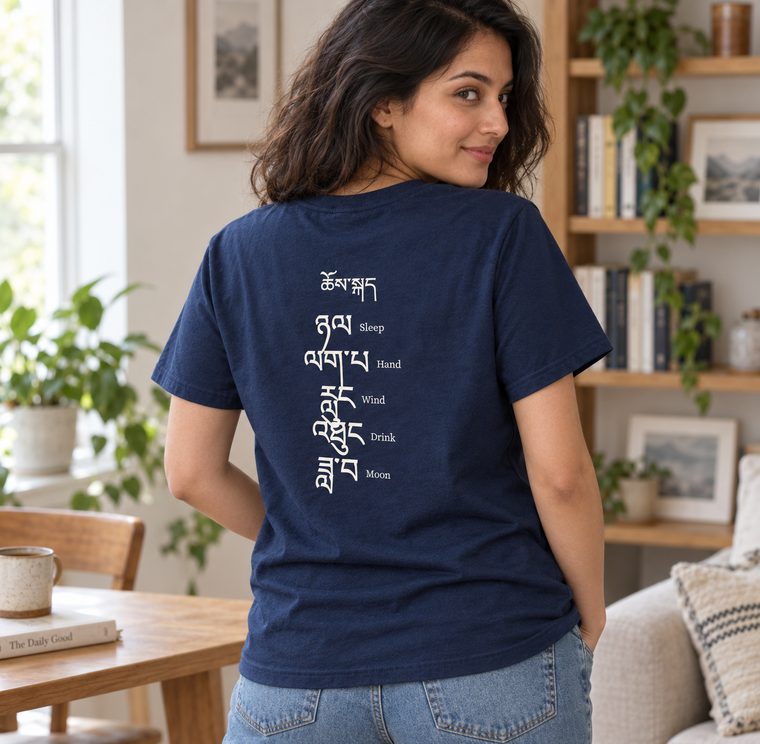
👕 The words of this language can also go on a T-shirt (below)
137 core words in Nanjing Mandarin
Sources
- Liu Danqing 刘丹青 (1995) 南京方言词典 (Nanjing Dialect Dictionary), 江苏教育出版社 (in the 现代汉语方言大词典 series ed. Li Rong)
- Bao Mingwei 鲍明炜 (1998) 南京方言志 (Nanjing Dialect Gazetteer), 南京出版社
- Coblin, W. South (2000) "A brief history of Mandarin", Journal of the American Oriental Society 120
- Glottolog: Nanjing
Words compared
Compared with languages in the same classification: Sinitic
| Meaning | Nanjing Mandarin | Jianghuai Mandarin | Lanyin Mandarin | Tianjin Mandarin | Xi'an Mandarin | Northeastern Mandarin | Gan |
|---|---|---|---|---|---|---|---|
| Water | 水 /ʂuəi˨˩˨/ | 水 /suei˨˩˨/ | 水 /fei˦˦˨/ | 水 /suei˩˧/ | 水 /fei˥˧/ | 水 /ʂweɪ̯˨˩˧/ | 水 /sui˨˩˧/ |
| Fire | 火 /xo˨˩˨/ | 火 /xo˨˩˨/ | 火 /xuɤ˦˦˨/ | 火 /xuo˩˧/ | 火 /xuo˥˧/ | 火 /xwo˨˩˧/ | 火 /fo˨˩˧/ |
| Sun | 太阳 /tʰɛ˦ iaŋ˨˦/ | 日头 /ʐʅʔ˥˥ tʰəu˩˧/ | 日头 /ʐɨ˩˧ tʰəu˥˧/ | 日头 /ʐʅ˥˧ tʰou˦˥/ | 日头 /əɻ˨˩ tʰɤu/ | 太阳 /tʰaɪ̯˥˧ jɑŋ/ | 日头 /ȵit˥ tʰɛu/ |
| Moon | 月亮 /yʔ˥ liaŋ˦/ | 月亮 /yeʔ˥˥ niaŋ˦˦/ | 月亮 /yɛ˩˧ ljaŋ/ | 月亮 /ye˥˧ liɑŋ/ | 月亮 /yɛ˨˩ liaŋ/ | 月亮 /ɥɛ˥˧ ljɑŋ/ | 月光 /ȵyot˨ kuɔŋ˦˨/ |
| Star | 星 /ɕiŋ˧˩/ | 星 /ɕiŋ˧˩/ | 星星 /ɕiŋ˧˩ ɕiŋ/ | 星星 /ɕiŋ˨˩ ɕiŋ/ | 星星 /ɕiŋ˨˩ ɕiŋ/ | 星星 /ɕiŋ˦ ɕiŋ/ | 星子 /ɕiaŋ˦˨ tsɿ/ |
| Milky Way | 天河 /tʰẽ˧˩ xo˨˦/ | 天河 /tʰian˧˩ xo˩˧/ | 银河 /iə̃˥˧ xɤ˥˧/ | 天河 /tʰian˨˩ xɤ˦˥/ | 天河 /tʰiã˨˩ xuo˨˦/ | 天河 /tʰjɛn˦ xɤ˨˦/ | 天河 /tʰiɛn˦˨ ho˨˦/ |
| Shooting star | 跐星 /tʂʰʅ˧˩ ɕiŋ˧˩/ | 流星 /liəu˩˧ ɕiŋ˧˩/ | 贼星 /tsei˥˧ ɕiŋ˧˩/ | 贼星 /tsei˦˥ ɕiŋ˨˩/ | 流星 /liɤu˨˦ ɕiŋ˨˩/ | 流星 /ljoʊ˨˦ ɕiŋ˦/ | 星星过洲 /ɕin˦˨ ɕin˦˨ kuo˦˥ tsɨu˦˨/ |
| Rain | 雨 /y˨˩˨/ | 雨 /y˨˩˨/ | 雨 /y˦˦˨/ | 雨 /y˩˧/ | 雨 /y˥˧/ | 雨 /y˨˩˧/ | 雨 /y˨˩˧/ |
| Rainbow | 虹 /kaŋ˦/ | — | 虹 /kɑ̃˩˧/ | 虹 /tɕiɑŋ˥˧/ | 虹 /tɕiaŋ˥˥/ | 虹 /kaŋ˥˧/ | 虹 /kɔŋ˧˥/ |
| Thunder | 雷 /luəi˨˦/ | 雷 /luei˩˧/ | 雷 /nuei˥˧/ | 雷 /lei˦˥/ | 雷 /luei˨˦/ | 雷 /leɪ̯˨˦/ | 雷 /lui˧˥/ |
| Snow | 雪 /ɕyeʔ˥/ | 雪 /ɕyeʔ˥˥/ | 雪 /ɕyɛ˩˧/ | 雪 /ɕye˨˩/ | 雪 /ɕyɛ˨˩/ | 雪 /ɕɥɛ˨˩˧/ | 雪 /ɕyot˥/ |
| Wind | 风 /fəŋ˧˩/ | 风 /fəŋ˧˩/ | 风 /fəŋ˧˩/ | 风 /fəŋ˨˩/ | 风 /fəŋ˨˩/ | 风 /fɤŋ˦/ | 风 /fuŋ˦˨/ |
| Earth | 土 /tʰu˨˩˨/ | 土 /tʰu˨˩˨/ | 土 /tʰu˦˦˨/ | 土 /tʰu˩˧/ | 土 /tʰu˥˧/ | 土 /tʰu˨˩˧/ | 土 /tʰu˨˩˧/ |
| Stone | 石头 /ʂʅʔ˥ tʰəu/ | 石头 /ʂʅʔ˥˥ tʰəu˩˧/ | 石头 /ʂɨ˥˧ tʰəu˥˧/ | 石头 /ʂʅ˦˥ tʰou/ | 石头 /ʂʅ˨˦ tʰɤu/ | 石头 /ʂʐ̩˨˦ tʰou/ | 石头 /saʔ˨ tʰɛu/ |
| Mountain | 山 /ʂan˧˩/ | 山 /san˧˩/ | 山 /ʂɛn˧˩/ | 山 /san˨˩/ | 山 /sã˨˩/ | 山 /ʂan˦/ | 山 /san˦˨/ |
| Sea | 海 /xɛ˨˩˨/ | 海 /xɛ˨˩˨/ | 海 /xɛ˦˦˨/ | 海 /xai˩˧/ | 海 /xæ˥˧/ | 海 /xai˨˩˧/ | 海 /hai˨˩˧/ |
| Island | 岛 /tɔ˨˩˨/ | 岛 /taɔ˨˩˨/ | 岛 /tau˦˦˨/ | 岛 /tɑu˩˧/ | 岛 /tau˥˧/ | 岛 /tau˨˩˧/ | 岛 /tau˨˩˧/ |
| East | 东 /toŋ˧˩/ | 东 /toŋ˧˩/ | 东 /tuə̃˧˩/ | 东 /tuŋ˨˩/ | 东 /tuəŋ˨˩/ | 东 /tʊŋ˦/ | 东 /tuŋ˦˨/ |
| Night | 晚上 /uan˨˩˨ ʂaŋ/ | 晚上 /uan˨˩˨ saŋ/ | 晚上 /vɛn˦˦˨ ʂaŋ/ | 晚上 /van˩˧ ʂɑŋ/ | 晚上 /vã˥˧ ʂaŋ/ | 晚上 /wan˨˩˧ ʂɑŋ/ | 夜里 /ia˨˩ li˨˩˧/ |
| Yesterday | 昨天 /tsʰo˨˦ tʰẽ˧˩/ | — | — | 昨天 /tsuo˦˥ tʰian˨˩/ | 昨天 /tsuo˨˦ tʰiã˨˩/ | 昨天 /tswo˨˦ tʰjɛn˦/ | 昨日 /tsʰɔʔ˨ ȵit˥/ |
| Tomorrow | 明天 /miŋ˨˦ tʰẽ˧˩/ | 明天 /miŋ˩˧ tʰian˧˩/ | 明天 /miŋ˥˧ tʰiɛn˧˩/ | 明天 /miŋ˦˥ tʰian˨˩/ | 明天 /miɣ̃˨˦ tʰiã˨˩/ | 明天 /miŋ˨˦ tʰjɛn˦/ | 明日 /miaŋ˧˥ ȵit˥/ |
| Monday | 星期一 /ɕiŋ˧˩ tɕʰi˧˩ iʔ˥/ | 星期一 /ɕiŋ˧˩ tɕʰi˧˩ iʔ˥˥/ | 星期一 /ɕiŋ˧˩ tɕʰi˥˧ ji˩˧/ | 星期一 /ɕiŋ˨˩ tɕʰi˨˩ i˨˩/ | 星期一 /ɕiŋ˨˩ tɕʰi˨˩ i˨˩/ | 星期一 /ɕiŋ˦ tɕʰi˦ i˦/ | 礼拜一 /li˨˩˧ pai˧˥ it˥/ |
| Tuesday | 星期二 /ɕiŋ˧˩ tɕʰi˧˩ ɚ˦/ | 星期二 /ɕiŋ˧˩ tɕʰi˧˩ ɚ˦˦/ | 星期二 /ɕiŋ˧˩ tɕʰi˥˧ ɚ˩˧/ | 星期二 /ɕiŋ˨˩ tɕʰi˨˩ ər˥˧/ | 星期二 /ɕiŋ˨˩ tɕʰi˨˩ əɻ˥˥/ | 星期二 /ɕiŋ˦ tɕʰi˦ ɚ˥˧/ | 礼拜二 /li˨˩˧ pai˧˥ ɵ˨˩/ |
| Wednesday | 星期三 /ɕiŋ˧˩ tɕʰi˧˩ sã˧˩/ | 星期三 /ɕiŋ˧˩ tɕʰi˧˩ san˧˩/ | 星期三 /ɕiŋ˧˩ tɕʰi˥˧ sɛn˧˩/ | 星期三 /ɕiŋ˨˩ tɕʰi˨˩ san˨˩/ | 星期三 /ɕiŋ˨˩ tɕʰi˨˩ sã˨˩/ | 星期三 /ɕiŋ˦ tɕʰi˦ san˦/ | 礼拜三 /li˨˩˧ pai˧˥ san˦˨/ |
| Friday | 星期五 /ɕiŋ˧˩ tɕʰi˧˩ u˨˩˨/ | 星期五 /ɕiŋ˧˩ tɕʰi˧˩ u˨˩˨/ | 星期五 /ɕiŋ˧˩ tɕʰi˥˧ vu˦˦˨/ | 星期五 /ɕiŋ˨˩ tɕʰi˨˩ u˩˧/ | 星期五 /ɕiŋ˨˩ tɕʰi˨˩ u˥˧/ | 星期五 /ɕiŋ˦ tɕʰi˦ u˨˩˧/ | 礼拜五 /li˨˩˧ pai˧˥ ŋ̍˨˩˧/ |
| Saturday | 星期六 /ɕiŋ˧˩ tɕʰi˧˩ luʔ˥/ | — | — | 星期六 /ɕiŋ˨˩ tɕʰi˨˩ liou˥˧/ | 星期六 /ɕiŋ˨˩ tɕʰi˨˩ liɤu˨˩/ | 星期六 /ɕiŋ˦ tɕʰi˦ ljoʊ̯˥˧/ | 礼拜六 /li˨˩˧ pai˧˥ liuʔ˥/ |
| Sunday | 星期天 /ɕiŋ˧˩ tɕʰi˧˩ tʰẽ˧˩/ | — | 星期天 /ɕiŋ˧˩ tɕʰi˥˧ tʰiɛn˧˩/ | 礼拜天 /li˩˧ pai˥˧ tʰian˨˩/ | 星期天 /ɕiŋ˨˩ tɕʰi˨˩ tʰiã˨˩/ | 星期天 /ɕiŋ˦ tɕʰi˦ tʰjɛn˦/ | 礼拜日 /li˨˩˧ pai˧˥ ȵit˥/ |
| I | 我 /o˨˩˨/ | 我 /o˨˩˨/ | 我 /vɤ˦˦˨/ | 我 /uo˩˧/ | 我 /ŋɤ˥˧/ | 我 /wɔ˨˩˧/ | 我 /ŋo˨˩˧/ |
| You | 你 /li˨˩˨/ | 你 /li˨˩˨/ | 你 /ni˦˦˨/ | 你 /ni˩˧/ | 你 /ni˥˧/ | 你 /ni˨˩˧/ | 你 /n̩˨˩˧/ |
| We | 我们 /o˨˩˨ məŋ/ | 我们 /o˨˩˨ mən/ | 我们 /vɤ˦˦˨ mən/ | 我们 /uo˩˧ mən/ | 咱 / 我们 /tsã˨˦ / ŋɤ˥˧ mən/ | 咱们 / 我们 /tsan˨˦ mən / wɔ˨˩˧ mən/ | 我个俚 /ŋo˨˩ ko˩ li˨/ |
| Person | 人 /ɻəŋ˨˦/ | 人 /ʐəŋ˩˧/ | 人 /ʐən˥˧/ | 人 /ʐən˦˥/ | 人 /ɻẽ˨˦/ | 人 /ʐən˨˦/ | 人 /ȵin˦˥/ |
| Mother | 姆妈 /m̩˧˩ ma˧˩/ | 妈 /ma˧˩/ | 妈 /ma˧˩/ | 妈 /mɑ˨˩/ | 妈 /ma˨˩/ | 妈妈 /ma˦ ma/ | 姆妈 /m̩˦˨ ma/ |
| Father | 爹 /tie˧˩/ | 爸 /pa˦˦/ | 爸 /pa˥˧/ | 爸 /pɑ˥˧/ | 爸 /pa˥˥/ | 爸爸 /pa˥˧ pa/ | 爸爸 /paʔ˥ pa/ |
| Grandmother | 奶奶 /lɛ˨˩˨ lɛ/ | 奶奶 /lɛ˨˩˨ lɛ˨˩˨/ | 奶奶 /nɛ˦˦˨ nɛ˦˦˨/ | 奶奶 /nai˩˧ nai/ | 奶 /næ˥˧/ | 奶奶 /nai˨˩˧ nai/ | 婆婆 /pʰo˨˦ pʰo/ |
| Older brother | 哥哥 /ko˧˩ ko/ | 哥哥 /ko˧˩ ko˧˩/ | 哥哥 /kɤ˧˩ kɤ˧˩/ | — | 哥 /kɤ˨˩/ | 哥哥 /kɤ˦ kɤ/ | 兄 /ɕiaŋ˦˨/ |
| Daughter | 女儿 /ly˨˩˨ ɚ˨˦/ | 女儿 /ly˨˩˨ ɚ˩˧/ | 女儿 /ny˦˦˨ ɚ˥˧/ | 女儿 /ny˩˧ ər˦˥/ | 女 /ny˥˧/ | 闺女 /kuei˦ ny/ | 女 /ȵyn˨˩˧/ |
| Husband | 丈夫 /tʂã˦ fu/ | — | 丈夫 /tʂaŋ˩˧ fu/ | 丈夫 /tʂɑŋ˥˧ fu/ | 丈夫 /tʂaŋ˥˥ fu/ | 丈夫 /tʂaŋ˥˧ fu/ | 老公 /lau˨˩˧ kuŋ˦˨/ |
| Name | 名字 /miŋ˨˦ tsɿ/ | 名字 /miŋ˩˧ tsɿ/ | 名字 /miŋ˥˧ tsɨ/ | 名字 /miŋ˦˥ tsɿ/ | 名字 /miŋ˨˦ tsɿ/ | 名字 /miŋ˨˦ tsɹ̩/ | 名字 /miaŋ˦˨ tsʰɿ˨˩/ |
| Language | 语言 /y˨˩˨ iɛn˨˦/ | 语言 /y˨˩˨ ian˩˧/ | 语言 /y˩˧ jɛn˥˧/ | 语言 /y˩˧ ian˦˥/ | 语言 /y˥˧ iã˨˦/ | 语言 /y˨˩˧ jɛn˨˦/ | 语言 /ȵy˨˩˧ ȵiɛn˦˥/ |
| King | 王 /uaŋ˨˦/ | 王 /uaŋ˩˧/ | 王 /vaŋ˥˧/ | 王 /vɑŋ˦˥/ | 王 /uaŋ˨˦/ | 王 /wɑŋ˨˦/ | 王 /uɔŋ˧˥/ |
| Head | 头 /tʰəu˨˦/ | 头 /tʰəu˩˧/ | 头 /tʰəu˥˧/ | 脑袋 /nɑu˩˧ tai/ | 头 /tʰɤu˨˦/ | 头 /tʰoʊ̯˨˦/ | 头 /tʰɛu˨˦/ |
| Eye | 眼睛 /iɛn˨˩˨ tɕiŋ˧˩/ | 眼睛 /ian˨˩˨ tɕiŋ/ | 眼睛 /jɛn˦˦˨ tɕin/ | 眼睛 /ian˩˧ tɕiŋ/ | 眼睛 /niã˥˧ tɕiŋ/ | 眼睛 /jɛn˨˩˧ tɕiŋ/ | 眼睛 /an˨˩˧ tɕiaŋ˦˨/ |
| Ear | 耳朵 /ɚ˨˩˨ to/ | 耳朵 /ɚ˨˩˨ to/ | 耳朵 /ɚ twɔ/ | 耳朵 /ər˩˧ tuo˨˩/ | 耳朵 /əɻ˥˧ tuo/ | 耳朵 /ɚ˨˩˧ tuo/ | 耳朵 /ɵ˨˩˧ to˨˩˧/ |
| Nose | 鼻子 /piʔ˥ tsɿ/ | 鼻子 /piʔ˥˥ tsɿ/ | 鼻子 /pi˥˧ tsɨ/ | 鼻子 /pi˦˥ tsɿ/ | 鼻子 /pi˨˦ tsɿ/ | 鼻子 /pi˨˦ tsz̩/ | 鼻子 /pʰit˨ tsɿ/ |
| Mouth | 嘴 /tsuəi˨˩˨/ | 嘴 /tsuei˨˩˨/ | 嘴 /tswei˦˦˨/ | 嘴 /tsuei˩˧/ | 嘴 /tsuei˥˧/ | 嘴 /tsweɪ̯˨˩˧/ | 嘴 /tsui˨˩˧/ |
| Tooth | 牙 /ia˨˦/ | 牙 /ia˩˧/ | 牙 /ja˥˧/ | 牙 /iɑ˦˥/ | 牙 /nia˨˦/ | 牙 /ja˨˦/ | 牙 /ŋa˦˥/ |
| Wisdom tooth | 尽根牙 /tɕiŋ˦ kəŋ˧˩ ia˨˦/ | — | — | — | — | — | — |
| Tongue | 舌头 /ʂəʔ˥ tʰəu˨˦/ | 舌头 /ʂəʔ˥˥ tʰəu˩˧/ | 舌头 /ʂə˥˧ tʰəu˥˧/ | 舌头 /ʂɤ˦˥ tʰou/ | 舌头 /ʂɤ˨˦ tʰɤu/ | 舌头 /ʂɤ˨˦ tʰou/ | 舌头 /sɛt˨ tʰɛu/ |
| Hand | 手 /ʂəu˨˩˨/ | 手 /səu˨˩˨/ | 手 /ʂəu˦˦˨/ | 手 /ʂou˩˧/ | 手 /ʂɤu˥˧/ | 手 /ʂoʊ̯˨˩˧/ | 手 /siu˨˩˧/ |
| Thumb | 大拇指 /ta˦ mu˨˩˨ tʂʅ˨˩˨/ | — | 大拇指 /ta˩˧ mu˦˦˨ tʂʅ˩˧/ | — | 大拇指 /ta˥˥ mẽ˥˥ tsɿ˨˩/ | 大拇指 /ta˥˧ mu˨˩˧ ʈʂɨ˨˩˧/ | 大拇指头 /tʰai˩˩ ma˩ tsɨt˥ tʰɛu˨/ |
| Little finger | 小拇指 /ɕiɔ˨˩˨ mu˨˩˨ tʂʅ˨˩˨/ | — | — | — | 小门指头 /ɕiau˥˧ mẽ˥˥ tsɿ˨˩ tʰɤu/ | 小拇哥 /ɕjau˨˩˧ mu˨˩˧ kɤ˦/ | 小拇指头 /ɕiɛu˨˩ ma˩ tsɨt˥ tʰɛu˨/ |
| Right (side) | 右 /iou˦/ | 右 /iəu˦˦/ | 右 /jou˩˧/ | 右 /iou˥˧/ | 右 /iɤu˥˥/ | 右 /joʊ̯˥˧/ | 右 /iu˩˩/ |
| Left (side) | 左 /tso˨˩˨/ | 左 /tso˨˩˨/ | 左 /tsuɤ˦˦˨/ | 左 /tsuo˩˧/ | 左 /tsuo˥˧/ | 左 /tswo˨˩˧/ | 左 /tso˨˩˧/ |
| Foot | 脚 /tɕioʔ˥/ | 脚 /tɕioʔ˥˥/ | 脚 /tɕyɛ˩˧/ | 脚 /tɕiɑu˨˩/ | 脚 /tɕyo˨˩/ | 脚 /tɕjau˨˩˧/ | 脚 /tɕiɔʔ˥/ |
| Heart | 心 /ɕiŋ˧˩/ | 心 /ɕiŋ˧˩/ | 心 /ɕin˧˩/ | 心 /ɕin˨˩/ | 心 /ɕiẽ˨˩/ | 心 /ɕin˦/ | 心 /ɕin˦˨/ |
| Bone | 骨头 /kuʔ˥ tʰəu˨˦/ | 骨头 /kuʔ˥˥ tʰəu˩˧/ | 骨头 /ku˩˧ tʰəu˥˧/ | 骨头 /ku˩˧ tʰou/ | 骨头 /ku˨˩ tʰɤu/ | 骨头 /ku˨˩˧ tʰou/ | 骨头 /kut˥ tʰɛu˨˦/ |
| Blood | 血 /ɕyʔ˥/ | 血 /ɕyeʔ˥˥/ | 血 /ɕyɛ˩˧/ | 血 /ɕye˨˩/ | 血 /ɕiɛ˨˩/ | 血 /ɕɥɛ˥˧/ | 血 /ɕyot˥/ |
| Goosebumps | 鸡皮疙瘩 /tɕi˧˩ pʰi˨˦ kiʔ˥ tɑʔ˥/ | — | — | — | — | 鸡皮疙瘩 /tɕi˦ pʰi˨˦ ka˦ ta/ | — |
| Poop | 屎 /ʂʅ˨˩˨/ | 屎 /ʂʅ˨˩˨/ | 屎 /ʂɨ˦˦˨/ | 屎 /sɿ˩˧/ | 屎 /sɿ˥˧/ | 屎 /ʂʐ̩˨˩˧/ | 屎 /sɿ˨˩˧/ |
| Fart | 屁 /pʰi˦/ | — | 屁 /pʰi˩˧/ | 屁 /pʰi˥˧/ | 屁 /pʰi˥˥/ | 屁 /pʰi˥˧/ | 屁 /pʰi˨˩˧/ |
| Love | 爱 /ɛ˦/ | 爱 /ɛ˦˦/ | 爱 /ɛ˩˧/ | 爱 /nai˥˧/ | 爱 /ŋæ˥˥/ | 爱 /aɪ̯˥˧/ | 爱 /ŋai˦˥/ |
| Tree | 树 /ʂu˦/ | 树 /su˦˦/ | 树 /fu˩˧/ | 树 /ʂu˥˧/ | 树 /fu˥˥/ | 树 /ʂu˥˧/ | 树 /ɕy˨˩/ |
| Sunflower | 葵花 /kʰuəi˨˦ xua˧˩/ | 向日葵 /ɕiaŋ˦˦ ʐʅʔ˥˥ kʰuei˩˧/ | 向日葵 /ɕiaŋ˩˧ ʐɨ˩˧ kʰwei˥˧/ | 转莲 /tʂuan˥˧ lian˦˥/ | 向日葵 /ɕiaŋ˥˥ əɻ˨˩ kʰuei˨˦/ | 向日葵 /ɕjɑŋ˥˧ ʐɨ˥˧ kʰweɪ̯˨˦/ | 葵花 /kʰui˨˦ fa˦˨/ |
| Dog | 狗 /kəu˨˩˨/ | 狗 /kəu˨˩˨/ | 狗 /kəu˦˦˨/ | 狗 /kou˩˧/ | 狗 /kɤu˥˧/ | 狗 /koʊ̯˨˩˧/ | 狗 /kiɛu˨˩˧/ |
| Woof | 汪汪 /uaŋ˧˩ uaŋ˧˩/ | — | — | 汪汪 /vɑŋ˨˩ vɑŋ˨˩/ | 汪汪 /uaŋ˨˩ uaŋ˨˩/ | 汪汪 /waŋ˦ waŋ˦/ | — |
| Cat | 猫 /mɔ˧˩/ | 猫 /maɔ˧˩/ | 猫 /mau˥˧/ | 猫 /mɑu˦˥/ | 猫 /mau˨˦/ | 猫 /maʊ̯˦/ | 猫 /mau˦˥/ |
| Horse | 马 /ma˨˩˨/ | 马 /ma˨˩˨/ | 马 /ma˦˦˨/ | 马 /mɑ˩˧/ | 马 /ma˥˧/ | 马 /ma˨˩˧/ | 马 /ma˨˩˧/ |
| Bear | 熊 /ɕioŋ˨˦/ | 熊 /ɕioŋ˩˧/ | 熊 /ɕyŋ˥˧/ | 熊 /ɕyŋ˦˥/ | 熊 /ɕyŋ˨˦/ | 熊 /ɕyŋ˨˦/ | 熊 /ɕiuŋ˦˥/ |
| Monkey | 猴子 /xəu˨˦ tsɿ/ | 猴子 /xəu˩˧ tsɿ/ | 猴子 /xəu˥˧ tsɨ/ | — | 猴 /xɤu˨˦/ | 猴子 /xoʊ̯˨˦ tsɨ/ | 猴子 /hɛu˨˦ tsɿ˨/ |
| Snake | 蛇 /ʂie˨˦/ | 蛇 /ɕie˩˧/ | 蛇 /ʂə˥˧/ | 长虫 /tʂʰɑŋ˦˥ tsʰuŋ˦˥/ | 蛇 /ʂɤ˨˦/ | 蛇 /ʂɤ˨˦/ | 蛇 /sa˦˥/ |
| Dragon | 龙 /loŋ˨˦/ | 龙 /loŋ˩˧/ | 龙 /nuə̃˥˧/ | 龙 /luŋ˦˥/ | 龙 /luəŋ˨˦/ | 龙 /luŋ˨˦/ | 龙 /luŋ˦˥/ |
| Spider | 蜘蛛 /tʂʅ˧˩ tʂu˧˩/ | — | 蛛蛛 /pfu˧˩ pfu˧˩/ | 蛛蛛 /tʂu˨˩ tʂu˨˩/ | 蜘蛛 /tʂʅ˨˩ pfu˨˩/ | 蜘蛛 /ʈʂʅ˦ ʈʂu˦/ | 蝃蛛 /tsɛt˥ tɕy˦˨/ |
| Bird | 鸟 /niɔ˨˩˨/ | 鸟 /niaɔ˨˩˨/ | 鸟 /niau˦˦˨/ | 鸟 /niɑu˩˧/ | 鸟 /niau˥˧/ | 鸟 /niau˨˩˧/ | 雀子 /tɕʰiɔʔ˥ tsɿ˨˩˧/ |
| Cuckoo | 布谷鸟 /pu˦ kuʔ˥ niɔ˨˩˨/ | 布谷鸟 /pu˦˦ kuʔ˥˥ niaɔ˨˩˨/ | 布谷鸟 /pu˩˧ ku˩˧ niau˦˦˨/ | 喀咕 /kʰa˨˩ ku˨˩/ | 布谷鸟 /pu˥˥ ku˨˩ niau˥˧/ | 喀咕 /kʰa˦ ku˦/ | 布谷 /pu˦˥ kuʔ˥/ |
| Egg | 鸡蛋 /tɕi˧˩ tan˦/ | 鸡蛋 /tɕi˧˩ tan˦˦/ | 鸡蛋 /tɕi˧˩ tan˩˧/ | 鸡蛋 /tɕi˨˩ tan˥˧/ | 鸡蛋 /tɕi˨˩ tã˥˥/ | 鸡蛋 /tɕi˦ tan˥˧/ | 蛋 /tʰan˨˩/ |
| Butterfly | 蝴蝶儿 /xu˨˦ tʰiʔ˥ ɚ˨˦/ | 蝴蝶 /xu˩˧ tieʔ˥˥/ | 叶蝶子 /jə˩˧ tiɛ˧˩ tsɨ/ | 蝴蝶 /fu˦˥ tie˦˥/ | 蝴蝶 /xu˨˦ tiɛ/ | 蝴蝶儿 /xu˨˦ tjɐɻ˨˦/ | 蝴蝶 /fu˦˥ tʰiɛt˥/ |
| Dragonfly | 蜻蜻 /sĩ˧˩ sĩ/ | — | 春官 /pfʰə̃˧˩ kuɛ̃˧˩/ | — | 蚂螂 /ma˨˦ laŋ/ | 蜻蜓 /tɕʰiŋ˦ tʰiŋ˨˦/ | 虰虰 /tin˦˨ tin˨/ |
| Ladybird | 花和尚 /xuɒ˧˩ xo˨˦ ʂã˦/ | 花和尚 /xua˧˩ xo˩˧ saŋ˦˦/ | — | — | — | 花大姐 /xwa˦ ta˥˧ tɕjɛ˨˩˧/ | — |
| Cockroach | 蟑螂 /tʂã˧˩ lã˨˦/ | — | — | — | 蟑螂 /tʂaŋ˨˩ laŋ˨˦/ | 蟑螂 /ʈʂaŋ˦ laŋ˨˦/ | — |
| Fish | 鱼 /y˨˦/ | 鱼 /y˩˧/ | 鱼 /y˥˧/ | 鱼 /y˦˥/ | 鱼 /y˨˦/ | 鱼 /y˨˦/ | 鱼 /ȵie˨˦/ |
| Whale | 鲸鱼 /tɕiŋ˧˩ y˨˦/ | 鲸鱼 /tɕiŋ˧˩ y˩˧/ | — | 鲸鱼 /tɕiŋ˨˩ y˦˥/ | — | 鲸鱼 /tɕiŋ˦ y˨˦/ | — |
| House | 房子 /faŋ˨˦ tsɿ/ | 房子 /faŋ˩˧ tsɿ/ | 房子 /faŋ˥˧ tsɨ/ | 房子 /fɑŋ˦˥ tsɿ/ | 房子 /faŋ˨˦ tsɿ/ | 房子 /fɑŋ˨˦ tsɨ/ | 屋 /uʔ˥/ |
| Mirror | 镜子 /tɕiŋ˦ tsɿ/ | 镜子 /tɕiŋ˦˦ tsɿ/ | 镜子 /tɕiŋ˩˧ tsɨ/ | — | — | — | 镜子 /tɕiaŋ˧˥ tsɿ˨/ |
| Rice | 米 /mi˨˩˨/ | 米 /mi˨˩˨/ | 米 /mi˦˦˨/ | 米 /mi˩˧/ | 米 /mi˥˧/ | 米 /mi˨˩˧/ | 米 /mi˨˩˧/ |
| Bread | 面包 /mẽ˦ pɔ˧˩/ | 面包 /mian˦˦ paɔ˧˩/ | 面包 /miɛ̃˩˧ pau˧˩/ | 面包 /mian˥˧ pɑu˨˩/ | 面包 /miã˥˥ pau˨˩/ | 面包 /mjɛn˥˧ pau˦/ | — |
| Milk | 牛奶 /liəu˨˦ lɛ˨˩˨/ | 牛奶 /niəu˩˧ lɛ˨˩˨/ | 牛奶 /niou˥˧ nɛ˦˦˨/ | 牛奶 /niou˦˥ nai˩˧/ | 牛奶 /niɤu˨˦ næ˥˧/ | 牛奶 /njoʊ˨˦ naɪ˨˩˧/ | 牛奶 /ȵiu˦˥ lai˨˩˧/ |
| Honey | 蜂蜜 /fəŋ˧˩ miʔ˥/ | 蜂蜜 /fəŋ˧˩ miʔ˥˥/ | 蜂蜜 /fəŋ˧˩ mi˩˧/ | 蜂蜜 /fəŋ˨˩ mi˥˧/ | 蜂蜜 /fəŋ˨˩ mi/ | 蜂蜜 /fɤŋ˦ mi˥˧/ | 蜜糖 /mit˥ tʰɔŋ˨˦/ |
| Salt | 盐 /iɛn˨˦/ | 盐 /ian˩˧/ | 盐 /jɛn˥˧/ | 盐 /ian˦˥/ | 盐 /iã˨˦/ | 盐 /jɛn˨˦/ | 盐 /iɛn˦˥/ |
| Sugar | 糖 /tʰaŋ˨˦/ | 糖 /tʰaŋ˩˧/ | 糖 /tʰaŋ˥˧/ | 糖 /tʰɑŋ˦˥/ | 糖 /tʰaŋ˨˦/ | 糖 /tʰɑŋ˨˦/ | 糖 /tʰɔŋ˨˦/ |
| Potato | 洋山芋 /iaŋ˨˦ ʂan˧˩ y˦/ | 洋山芋 /iaŋ˩˧ san˧˩ y˦˦/ | 洋芋 /jaŋ˥˧ y˩˧/ | — | 洋芋 /iaŋ˨˦ y˥˥/ | 土豆 /tʰu˨˩˧ tou˥˧/ | 洋芋头 /iɔŋ˦˥ y˨˩ tʰɛu/ |
| Tomato | 洋柿子 /iaŋ˨˦ sɿ˦ tsɿ/ | 洋柿子 /iaŋ˩˧ ʂʅ˦˦ tsɿ/ | 洋柿子 /jaŋ˥˧ ʂɨ˩˧ tsɨ/ | 西红柿 /ɕi˨˩ xuŋ˦˥ sɿ˥˧/ | 西红柿 /ɕi˨˩ xuəŋ˨˦ sɿ˦˦/ | 西红柿 /ɕi˦ xʊŋ˨˦ ʂɨ˥˧/ | 番茄 /fan˦˨ tɕʰia˨˦/ |
| Chili pepper | 辣椒 /laʔ˥ tsiɔ˧˩/ | — | 辣椒 /na˩˧ tɕiau˧˩/ | 辣子 /lɑ˥˧ tsɿ/ | 辣椒 /la˨˩ tɕiau˨˩/ | 辣椒 /la˥˧ tɕjau˦/ | 辣椒 /lat˨ tɕiɛu˦˨/ |
| Orange | 橙 /tʂʰəŋ˨˦/ | 橙 /tsʰəŋ˩˧/ | 橙 /tʂʰɤŋ˥˧/ | 橙 /tʂʰəŋ˦˥/ | 橙 /tʂʰəŋ˨˦/ | 橙 /tʂʰɤŋ˨˦/ | — |
| Pineapple | 菠萝 /po˧˩ lo˨˦/ | 菠萝 /po˧˩ lo˩˧/ | — | — | 菠萝 /puo˨˩ luo˨˦/ | 菠萝 /pɤ˦ lwo˨˦/ | 菠萝 /po˦˨ lo˦˥/ |
| Sushi | 寿司 /ʂəu˦ sɿ˧˩/ | 寿司 /səu˦˦ sɿ˧˩/ | 寿司 /ʂəu˩˧ sz̩˧˩/ | 寿司 /ʂou˥˧ sɿ˨˩/ | 寿司 /ʂɤu˥˥ sɿ˨˩/ | 寿司 /ʂoʊ̯˥˩ sɹ̩˥/ | 寿司 /siu˨˩ sɿ˦˨/ |
| Chocolate | 巧克力 /tɕʰiɔ˨˩˨ kʰəʔ˥ liʔ˥/ | 巧克力 /tɕʰiaɔ˨˩˨ kʰəʔ˥˥ niʔ˥˥/ | — | 巧克力 /tɕʰiɑu˩˧ kʰɤ˥˧ li˥˧/ | 巧克力 /tɕʰiau˥˧ kʰei˨˩ li˨˩/ | 巧克力 /tɕʰjɑʊ˨˩˧ kʰɤ˥˧ li˥˧/ | 巧克力 /tɕʰiɛu˨˩˧ kʰiɛt˥ lit˥/ |
| Tea | 茶 /tʂʰa˨˦/ | 茶 /tsʰa˩˧/ | 茶 /tʂʰa˥˧/ | 茶 /tsʰɑ˦˥/ | 茶 /tsʰa˨˦/ | 茶 /tʂʰa˨˦/ | 茶 /tsʰa˨˦/ |
| Coffee | 咖啡 /kʰa˧˩ fei˧˩/ | 咖啡 /kʰa˧˩ fei˧˩/ | — | — | — | 咖啡 /kʰa˦ fei˦/ | — |
| Wine | 葡萄酒 /pʰu˨˦ tʰɔ˨˦ tɕiəu˨˩˨/ | 葡萄酒 /pʰu˩˧ tʰaɔ˩˧ tɕiəu˨˩˨/ | 葡萄酒 /pʰu˥˧ tʰɔ˥˧ tɕiou˦˦˨/ | 葡萄酒 /pʰu˦˥ tʰɑu˦˥ tɕiou˩˧/ | 葡萄酒 /pʰu˨˦ tʰau˨˦ tɕiɤu˥˧/ | 葡萄酒 /pʰu˨˦ tʰɑʊ̯˨˦ tɕjoʊ̯˨˩˧/ | 葡萄酒 /pʰu˨˦ tʰau˨˦ tɕiu˨˩˧/ |
| Iron | 铁 /tʰiʔ˥/ | 铁 /tʰieʔ˥˥/ | 铁 /tʰiɛ˩˧/ | 铁 /tʰie˩˧/ | 铁 /tʰiɛ˨˩/ | 铁 /tʰjɛ˨˩˧/ | 铁 /tʰiɛt˥/ |
| Gold | 金子 /tɕiŋ˧˩ tsɿ/ | 金子 /tɕiŋ˧˩ tsɿ/ | 金子 /tɕiŋ˧˩ tsɨ/ | 金子 /tɕin˨˩ tsɿ/ | 金子 /tɕiẽ˨˩ tsɿ/ | 金子 /tɕin˦ tsɨ/ | 金子 /tɕin˦˨ tsɿ˨/ |
| Silk | 丝 /sɿ˧˩/ | 丝 /sɿ˧˩/ | 丝 /sz̩˧˩/ | 丝 /sɿ˨˩/ | 丝 /sɿ˨˩/ | 丝 /sɹ̩˦/ | 丝 /sɿ˦˨/ |
| Money | 钞票 /tʂʰɔ˧˩ pʰiɔ˦/ | 钱 /tɕʰian˩˧/ | — | 钱 /tɕʰian˦˥/ | 钱 /tɕʰiã˨˦/ | 钱 /tɕʰjɛn˨˦/ | 钱 /tɕʰiɛn˨˦/ |
| Book | 书 /ʂu˧˩/ | 书 /su˧˩/ | 书 /fu˧˩/ | 书 /ʂu˨˩/ | 书 /fu˨˩/ | 书 /ʂu˦/ | 书 /ɕy˦˨/ |
| Wheel | 轮盘 /luən˨˦ pʰan˨˦/ | 轮盘 /luəŋ˩˧ pʰan˩˧/ | 轮子 /lwən˥˧ tsɨ/ | 轮子 /luən˦˥ tsɿ/ | 车轱辘子 /tʂʰɤ˨˩ ku˨˩ lu tsɿ/ | 轮子 /lwən˨˦ tsɨ/ | 车砣 /tsʰa˦˨ tʰo˨˦/ |
| Computer | 电脑 /tiɛn˦ lɔ˨˩˨/ | 电脑 /tian˦˦ laɔ˨˩˨/ | 电脑 /tiɛn˩˧ nau˦˦˨/ | 电脑 /tian˥˧ nɑu˩˧/ | 电脑 /tiã˥˥ nau˥˧/ | 电脑 /tjɛn˥˩ nau˨˩˦/ | 电脑 /tʰiɛn˨˩ lau˨˩˧/ |
| Mobile phone | 手机 /ʂəu˨˩˨ tɕi˧˩/ | 手机 /səu˨˩˨ tɕi˧˩/ | 手机 /ʂəu˦˦˨ tɕi˧˩/ | 手机 /ʂou˩˧ tɕi˨˩/ | 手机 /ʂɤu˥˧ tɕi˨˩/ | 手机 /ʂoʊ̯˨˩˧ tɕi˦/ | 手机 /siu˨˩˧ tɕi˦˨/ |
| Eat | 吃 /tʂʰʅʔ˥/ | 吃 /tʂʰʅʔ˥˥/ | 吃 /tʂʰɨ˩˧/ | 吃 /tʂʰʅ˨˩/ | 吃 /tʂʰʅ˨˩/ | 吃 /ʈʂʰɨ˦/ | 吃 /tɕʰiaʔ˥/ |
| Drink | 喝 /xəʔ˥/ | 喝 /xəʔ˥˥/ | 喝 /xə˩˧/ | 喝 /xɤ˨˩/ | 喝 /xuo˨˩/ | 喝 /xɤ˦/ | 吃 /tɕʰiaʔ˥/ |
| Sleep | 睡觉 /ʂuəi˦ tɕiɔ˦/ | 睡觉 /suei˦˦ tɕiaɔ˦˦/ | 睡觉 /fei˩˧ tɕiau˩˧/ | 睡觉 /suei˥˧ tɕiɑu˥˧/ | 睡觉 /fei˥˥ tɕiau˥˥/ | 睡觉 /ʂwei˥˧ tɕjau˥˧/ | 睏觉 /kʰun˨˩˧ kau˦˥/ |
| Hiccup | 打嗝 /ta˨˩˨ kəʔ˥/ | 打嗝 /ta˨˩˨ kəʔ˥˥/ | — | — | — | 打嗝 /ta˨˩˧ kɤ˨˦/ | — |
| One | 一 /iʔ˥/ | 一 /iʔ˥˥/ | 一 /ji˩˧/ | 一 /i˨˩/ | 一 /i˨˩/ | 一 /i˦/ | 一 /it˥/ |
| Two | 二 /ɚ˦/ | 二 /ɚ˦˦/ | 二 /ɚ˩˧/ | 二 /ər˥˧/ | 二 /əɻ˥˥/ | 二 /ɚ˥˧/ | 二 /ɵ˨˩/ |
| Three | 三 /sã˧˩/ | 三 /san˧˩/ | 三 /sɛn˧˩/ | 三 /san˨˩/ | 三 /sã˨˩/ | 三 /san˦/ | 三 /san˦˨/ |
| Four | 四 /sɿ˦/ | 四 /sɿ˦˦/ | 四 /sz̩˩˧/ | 四 /sɿ˥˧/ | 四 /sɿ˥˥/ | 四 /sɹ̩˥˧/ | 四 /sɿ˦˥/ |
| Five | 五 /u˨˩˨/ | 五 /u˨˩˨/ | 五 /vu˦˦˨/ | 五 /u˩˧/ | 五 /u˥˧/ | 五 /u˨˩˧/ | 五 /ŋ̍˨˩˧/ |
| Twenty | 二十 /ɚ˦ ʂʅʔ˥/ | 二十 /ʔa˥˥ ʂʅʔ˥˥/ | — | 二十 /ər˥˧ ʂʅ˦˥/ | 二十 /ɚ˦˦ ʂʅ˨˦/ | 二十 /ɚ˥˧ ʂʐ̩˨˦/ | 二十 /ɵ˨˩ sɨt˨/ |
| Hundred | 百 /pəʔ˥/ | 百 /pəʔ˥˥/ | 百 /pə˩˧/ | 百 /pai˩˧/ | 百 /pei˨˩/ | 百 /pai˨˩˧/ | 百 /paʔ˥/ |
| Thousand | 千 /tsʰiẽ˧˩/ | — | — | 千 /tɕʰian˨˩/ | 千 /tɕʰiã˨˩/ | — | 千 /tɕʰiɛn˦˨/ |
| Ninety-nine | 九十九 /tɕiəu˨˩˨ ʂʅʔ˥ tɕiəu˨˩˨/ | 九十九 /tɕiəu˨˩˨ ʂʅʔ˥˥ tɕiəu˨˩˨/ | 九十九 /tɕiou˦˦˨ ʂɨ˥˧ tɕiou˦˦˨/ | 九十九 /tɕiou˩˧ ʂʅ˦˥ tɕiou˩˧/ | 九十九 /tɕiɤu˥˧ ʂʅ˨˦ tɕiɤu˥˧/ | 九十九 /tɕjoʊ̯˨˩˧ ʂʐ̩˨˦ tɕjoʊ̯˨˩˧/ | 九十九 /tɕiu˨˩˧ sɨt˨ tɕiu˨˩˧/ |
| Hello | 你好 /li˨˩˨ xɔ˨˩˨/ | 你好 /li˨˩˨ xaɔ˨˩˨/ | 你好 /ni˦˦˨ xau˦˦˨/ | 你好 /ni˩˧ xɑu˩˧/ | 你好 /ni˥˧ xau˥˧/ | 你好 /ni˨˩˧ xaʊ̯˨˩˧/ | 你好 /n̩˨˩ hau˨˩˧/ |
| Thank you | 谢谢 /ɕie˦ ɕie/ | 谢谢 /ɕie˦˦ ɕie/ | 谢谢 /ɕjɛ˩˧ ɕjɛ/ | 谢谢 /ɕie˥˧ ɕie/ | 谢谢 /ɕiɛ˥˥ ɕiɛ/ | 谢谢 /ɕjɛ˥˧ ɕjɛ/ | 多谢 /to˦˨ ɕia˨˩/ |
| Cheers! | 干杯 /kã˧˩ pəi˧˩/ | 干杯 /kan˧˩ pei˧˩/ | 干杯 /kɛ̃˧˩ pei˧˩/ | 干杯 /kan˨˩ pei˨˩/ | 干杯 /kã˨˩ pʰei˨˩/ | 干杯 /kan˦ peɪ̯˦/ | — |
| Good | 好 /xɔ˨˩˨/ | 好 /xaɔ˨˩˨/ | 好 /xau˦˦˨/ | 好 /xɑu˩˧/ | 好 /xau˥˧/ | 好 /xaʊ̯˨˩˧/ | 好 /hau˨˩˧/ |
| New | 新 /ɕiŋ˧˩/ | 新 /ɕiŋ˧˩/ | 新 /ɕin˧˩/ | 新 /ɕin˨˩/ | 新 /ɕiẽ˨˩/ | 新 /ɕin˦/ | 新 /ɕin˦˨/ |
| Internet laughter | 233 /ɚ˦ sã˧˩ sã˧˩/ | 233 /ɚ˦˦ san˧˩ san˧˩/ | 233 /ɚ˩˧ sɛn˧˩ sɛn˧˩/ | 233 /ər˥˧ san˨˩ san˨˩/ | 233 /əɻ˥˥ sã˨˩ sã˨˩/ | 233 /ɚ˥˧ san˦ san˦/ | — |
| Black | 黑 /xəʔ˥/ | 黑 /xəʔ˥˥/ | 黑 /xə˩˧/ | 黑 /xei˨˩/ | 黑 /xei˨˩/ | 黑 /xei˦/ | 黑 /hɛt˥/ |
| White | 白 /pəʔ˥/ | 白 /pəʔ˥˥/ | 白 /pə˥˧/ | 白 /pai˦˥/ | 白 /pei˨˦/ | 白 /pai˨˦/ | 白 /pʰaʔ˨/ |
| Red | 红 /xoŋ˨˦/ | 红 /xoŋ˩˧/ | 红 /xuŋ˥˧/ | 红 /xuŋ˦˥/ | 红 /xuəŋ˨˦/ | 红 /xʊŋ˨˦/ | 红 /fuŋ˦˥/ |
| Yellow | 黄 /xuã˨˦/ | 黄 /xuaŋ˩˧/ | 黄 /xuɑ̃˥˧/ | 黄 /xuɑŋ˦˥/ | 黄 /xuaɣ̃˨˦/ | 黄 /xuaŋ˨˦/ | 黄 /uɔŋ˦˥/ |
| Green | 绿 /luʔ˥/ | 绿 /luʔ˥˥/ | 绿 /lu˩˧/ | 绿 /ly˥˧/ | 绿 /liɤu˨˩/ | 绿 /ly˥˧/ | 绿 /liuʔ˥/ |
| Blue | 蓝 /lan˨˦/ | 蓝 /lan˩˧/ | 蓝 /lɛn˥˧/ | 蓝 /lan˦˥/ | 蓝 /lã˨˦/ | 蓝 /lan˨˦/ | 蓝 /lan˦˥/ |
| Germany | 德国 /təʔ˥ koʔ˥/ | 德国 /təʔ˥˥ koʔ˥˥/ | 德国 /tə˩˧ kuɤ˩˧/ | 德国 /tɤ˦˥ kuo˦˥/ | 德国 /tei˨˩ kuei˨˩/ | 德国 /tɤ˨˦ kwo˨˩˧/ | 德国 /tɛt˥ kuɛt˥/ |
| Japan | 日本 /ɻʅʔ˥ pəŋ˨˩˨/ | 日本 /ʐʅʔ˥˥ pəŋ˨˩˨/ | 日本 /ʐɨ˩˧ pən˦˦˨/ | 日本 /ʐʅ˥˧ pən˩˧/ | 日本 /əɻ˨˩ pẽ˥˧/ | 日本 /ʐɨ˥˧ pən˨˩˧/ | 日本 /ȵit˥ pɨn˨˩˧/ |
| China | 中国 /tʂoŋ˧˩ koʔ˥/ | 中国 /tsoŋ˧˩ koʔ˥˥/ | 中国 /pfəŋ˧˩ kuɤ˩˧/ | 中国 /tsuŋ˨˩ kuo˦˥/ | 中国 /pfəŋ˨˩ kuei˨˩/ | 中国 /tʂʊŋ˦ kwo˨˩˧/ | 中国 /tsuŋ˦˨ kuɛt˥/ |
| India | 印度 /iŋ˦ tu˦/ | 印度 /iŋ˦˦ tu˦˦/ | 印度 /jin˩˧ tu˩˧/ | 印度 /in˥˧ tu˥˧/ | 印度 /iẽ˥˥ tu˥˥/ | 印度 /in˥˧ tu˥˧/ | 印度 /in˦˥ tʰu˨˩/ |
| Greece | 希腊 /ɕi˧˩ lɒʔ˥/ | 希腊 /ɕi˧˩ laʔ˥˥/ | — | 希腊 /ɕi˨˩ lɑ˥˧/ | 希腊 /ɕi˨˩ la˨˩/ | 希腊 /ɕi˦ la˥˧/ | — |
Han readings compared
Compared with languages in the same classification: Sinitic
| Character | Nanjing Mandarin | Northeastern Mandarin | Dungan | Xi'an Mandarin | Xiang | Jixi Hui | Mandarin Chinese |
|---|---|---|---|---|---|---|---|
| 一 | yiq⁵ /iʔ˥/ | yi⁴⁴ /i˦˦/ | yi¹ /i˨˦/ | yi²¹ /i˨˩/ | i²⁴ /i˨˦/ | ieʔ³² /ieʔ˧˨/ | yī /i˥˥/ |
| 二 | er⁴⁴ /ər˦˦/ | er⁵³ /ɚ˥˧/ | er³ /ɛɻ˦˦/ | er⁴⁴ /ɚ˦˦/ | e²¹ /ɤ˨˩/ | ẽ²² /ẽ˨˨/ | èr /ɑɻ˥˩/ |
| 三 | san³¹ /sã˧˩/ | san⁴⁴ /san˦˦/ | san¹ /sæ̃˨˦/ | san²¹ /sã˨˩/ | san³³ /san˧˧/ | sɔ³¹ /sɔ˧˩/ | sān /san˥˥/ |
| 四 | si⁴⁴ /sɿ˦˦/ | si⁵³ /sɿ˥˧/ | sy³ /sɹ̩˦˦/ | si⁴⁴ /sɿ˦˦/ | sr⁴⁵ /sɿ˦˥/ | sɿ³⁵ /sɿ˧˥/ | sì /sɿ˥˩/ |
| 五 | wu²¹² /u˨˩˨/ | wu²¹³ /u˨˩˧/ | vu² /vu˥˩/ | wu⁵³ /u˥˧/ | u⁴¹ /u˦˩/ | vu²¹³ /vu˨˩˧/ | wǔ /u˨˩˦/ |
| 六 | luq⁵ /luʔ˥/ | liu⁵³ /liou˥˧/ | lyu¹ /liou˨˦/ | liu²¹ /liɤu˨˩/ | lou²⁴ /ləu˨˦/ | nɤʔ³² /nɤʔ˧˨/ | liù /ljou˥˩/ |
| 七 | ciq⁵ /tsʰiʔ˥/ | qi⁴⁴ /tɕʰi˦˦/ | chi¹ /tɕʰi˨˦/ | qi²¹ /tɕʰi˨˩/ | ci²⁴ /tsʰi˨˦/ | tɕʰieʔ³² /tɕʰieʔ˧˨/ | qī /tɕʰi˥˥/ |
| 八 | baq⁵ /pɒʔ˥/ | ba⁴⁴ /pa˦˦/ | ba¹ /pa˨˦/ | ba²¹ /pa˨˩/ | ba²⁴ /pa˨˦/ | pɔʔ³² /pɔʔ˧˨/ | bā /pa˥˥/ |
| 九 | jiu²¹² /tɕiəu˨˩˨/ | jiu²¹³ /tɕiou˨˩˧/ | jyu² /tɕiou˥˩/ | jiu⁵³ /tɕiɤu˥˧/ | jiou⁴¹ /tɕiəu˦˩/ | tɕiɵ²¹³ /tɕiɵ˨˩˧/ | jiǔ /tɕjou˨˩˦/ |
| 十 | seq⁵ /ʂʅʔ˥/ | shi²⁴ /ʂʐ̩˨˦/ | shy¹ /ʂɻ̩˨˦/ | shi²⁴ /ʂʅ˨˦/ | shr²⁴ /ʂʅ˨˦/ | ɕieʔ³² /ɕieʔ˧˨/ | shí /ʂʐ̩˧˥/ |
| 百 | beq⁵ /pɛʔ˥/ | bai²¹³ /pai˨˩˧/ | byi¹ /pei˨˦/ | bei²¹ /pei˨˩/ | be²⁴ /pɤ˨˦/ | pɔʔ³² /pɔʔ˧˨/ | bǎi /pai˨˩˦/ |
| 千 | cian³¹ /tsʰẽ˧˩/ | qian⁴⁴ /tɕʰian˦˦/ | chyan¹ /tɕʰiæ̃˨˦/ | qian²¹ /tɕʰiã˨˩/ | cienn³³ /tsʰiẽ˧˧/ | tsʰẽi³¹ /tsʰẽi˧˩/ | qiān /tɕʰjɛn˥˥/ |
| 萬 | wan⁴⁴ /uã˦˦/ | wan⁵³ /uan˥˧/ | van³ /væ̃˦˦/ | van⁴⁴ /vã˦˦/ | 白讀uan²¹ /uan˨˩/文讀uan⁴⁵ /uan˦˥/ | vɔ²² /vɔ˨˨/ | wàn /uan˥˩/ |
| 天 | tian³¹ /tʰẽ˧˩/ | tian⁴⁴ /tʰian˦˦/ | tyan¹ /tʰiæ̃˨˦/ | tian²¹ /tʰiã˨˩/ | tienn³³ /tʰiẽ˧˧/ | tʰẽi³¹ /tʰẽi˧˩/ | tiān /tʰjɛn˥˥/ |
| 地 | di⁴⁴ /ti˦˦/ | di⁵³ /ti˥˧/ | di³ /ti˦˦/ | di⁴⁴ /ti˦˦/ | di²¹ /ti˨˩/ | tsʰɿ²² /tsʰɿ˨˨/ | dì /ti˥˩/ |
| 日 | req⁵ /ɻʅʔ˥/ | ri⁵³ /ʐ̩˥˧/ | zhy³ /ɻ̩˦˦/ | er²¹ /ɚ˨˩/ | nyi²⁴ /ɲi˨˦/ | ȵieʔ³² /ȵieʔ˧˨/ | rì /ʐ̩˥˩/ |
| 月 | yueq⁵ /yɛʔ˥/ | yue⁵³ /yɛ˥˧/ | yüe¹ /yə˨˦/ | yue²¹ /yɛ˨˩/ | ye²⁴ /ye˨˦/ | — | yuè /ɥe˥˩/ |
| 火 | huo²¹² /xo˨˩˨/ | huo²¹³ /xuo˨˩˧/ | hue² /xuə˥˩/ | huo⁵³ /xuo˥˧/ | ho⁴¹ /xo˦˩/ | xɵ²¹³ /xɵ˨˩˧/ | huǒ /xuo˨˩˦/ |
| 水 | shui²¹² /ʂuəi˨˩˨/ | shui²¹³ /ʂuei˨˩˧/ | fi² /fi˥˩/ | fei⁵³ /fei˥˧/ | xyei⁴¹ /ɕyei˦˩/ | ɕy²¹³ /ɕy˨˩˧/ | shuǐ /ʂueɪ˨˩˦/ |
| 木 | muq⁵ /muʔ˥/ | mu⁵³ /mu˥˧/ | mu¹ /mu˨˦/ | mu²¹ /mu˨˩/ | mo²⁴ /mo˨˦/ | mɤʔ³² /mɤʔ˧˨/ | mù /mu˥˩/ |
| 金 | jin³¹ /tɕiŋ˧˩/ | jin⁴⁴ /tɕin˦˦/ | jin¹ /tɕiŋ˨˦/ | jin²¹ /tɕiẽ˨˩/ | jin³³ /tɕin˧˧/ | tɕiɑ̃³¹ /tɕiɑ̃˧˩/ | jīn /tɕin˥˥/ |
| 土 | tu²¹² /tʰu˨˩˨/ | tu²¹³ /tʰu˨˩˧/ | tu² /tʰu˥˩/ | tu⁵³ /tʰu˥˧/ | tou⁴¹ /tʰəu˦˩/ | tʰu²¹³ /tʰu˨˩˧/ | tǔ /tʰu˨˩˦/ |
| 山 | shan³¹ /ʂã˧˩/ | shan⁴⁴ /ʂan˦˦/ | san¹ /sæ̃˨˦/ | san²¹ /sã˨˩/ | san³³ /san˧˧/ | sɔ³¹ /sɔ˧˩/ | shān /ʂan˥˥/ |
| 海 | hai²¹² /xaæ˨˩˨/ | hai²¹³ /xai˨˩˧/ | he² /xɛ˥˩/ | hai⁵³ /xæ˥˧/ | hai⁴¹ /xai˦˩/ | xa²¹³ /xa˨˩˧/ | hǎi /xaɪ˨˩˦/ |
| 石 | seq⁵ /ʂʅʔ˥/ | shi²⁴ /ʂʐ̩˨˦/ | shy¹ /ʂɻ̩˨˦/ | shi²⁴ /ʂʅ˨˦/ | shr²⁴ /ʂʅ˨˦/ | ɕieʔ³² /ɕieʔ˧˨/ | shí /ʂʐ̩˧˥/ |
| 雨 | yi²¹² /i˨˩˨/ | yu²¹³ /y˨˩˧/ | yü² /y˥˩/ | yu⁵³ /y˥˧/ | y⁴¹ /y˦˩/ | y²¹³ /y˨˩˧/ | yǔ /y˨˩˦/ |
| 雪 | siq⁵ /siʔ˥/ | xue²¹³ /ɕyɛ˨˩˧/ | shüe¹ /ɕyə˨˦/ | xue²¹ /ɕyɛ˨˩/ | sie²⁴ /sie˨˦/ | ɕiaʔ³² /ɕiaʔ˧˨/ | xuě /ɕye˨˩˦/ |
| 鐵 | teq⁵ /tʰeʔ˥/ | tie²¹³ /tʰiɛ˨˩˧/ | tye¹ /tʰiə˨˦/ | tie²¹ /tʰiɛ˨˩/ | tie²⁴ /tʰie˨˦/ | tʰiaʔ³² /tʰiaʔ˧˨/ | tiě /tʰje˨˩˦/ |
| 年 | lian²⁴ /lẽ˨˦/ | nian²⁴ /nian˨˦/ | nyan¹ /niæ̃˨˦/ | nian²⁴ /niã˨˦/ | nyienn¹³ /ɲiẽ˩˧/ | ȵiẽi⁴⁴ /ȵiẽi˦˦/ | nián /njɛn˧˥/ |
| 春 | chun³¹ /tʂʰuən˧˩/ | chun⁴⁴ /tʂʰuən˦˦/ | chun¹ /tʂʰuŋ˨˦/ | pfen²¹ /pfʰẽ˨˩/ | qyn³³ /tɕʰyn˧˧/ | tɕʰyɑ̃³¹ /tɕʰyɑ̃˧˩/ | chūn /tʂʰuən˥˥/ |
| 夏 | xia⁴⁴ /ɕiɒ˦˦/ | xia⁵³ /ɕia˥˧/ | shya² /ɕia˥˩/ | xia⁴⁴ /ɕia˦˦/ | xia²¹ /ɕia˨˩/ | xo²² /xo˨˨/ | xià /ɕja˥˩/ |
| 秋 | ciu³¹ /tsʰiəu˧˩/ | qiu⁴⁴ /tɕʰiou˦˦/ | chyu¹ /tɕʰiou˨˦/ | qiu²¹ /tɕʰiɤu˨˩/ | ciou³³ /tsʰiəu˧˧/ | tsʰi³¹ /tsʰi˧˩/ | qiū /tɕʰjou˥˥/ |
| 冬 | dong³¹ /toŋ˧˩/ | dong⁴⁴ /tuŋ˦˦/ | dun¹ /tuŋ˨˦/ | dong²¹ /tuoɣ̃˨˩/ | dong³³ /tʊŋ˧˧/ | tɑ̃³¹ /tɑ̃˧˩/ | dōng /tuŋ˥˥/ |
| 朝 | zhao³¹ /tʂɔo˧˩/ | zhao⁴⁴ /tʂau˦˦/ | — | zhao²¹ /tʂau˨˩/ | zhau³³ /tʂɒu˧˧/ | tɕie³¹ /tɕie˧˩/ | zhāo /tʂau˥˥/ |
| 夜 | ye⁴⁴ /ie˦˦/ | ye⁵³ /iɛ˥˧/ | ye³ /iə˦˦/ | ye⁴⁴ /iɛ˦˦/ | 白讀ia²¹ /ia˨˩/文讀ie⁴⁵ /ie˦˥/ | iɔ²² /iɔ˨˨/ | yè /je˥˩/ |
| 今 | jin³¹ /tɕiŋ˧˩/ | jin⁴⁴ /tɕin˦˦/ | jin¹ /tɕiŋ˨˦/ | jin²¹ /tɕiẽ˨˩/ | jin³³ /tɕin˧˧/ | tɕiɑ̃³¹ /tɕiɑ̃˧˩/ | jīn /tɕin˥˥/ |
| 時 | shi²⁴ /ʂʅ˨˦/ | shi²⁴ /ʂʐ̩˨˦/ | sy¹ /sɹ̩˨˦/ | si²⁴ /sɿ˨˦/ | shr¹³ /ʂʅ˩˧/ | sɿ⁴⁴ /sɿ˦˦/ | shí /ʂʐ̩˧˥/ |
| 鼠 | chu²¹² /tʂʰu˨˩˨/ | shu²¹³ /ʂu˨˩˧/ | chu² /tʂʰu˥˩/ | fu⁵³ /fu˥˧/ | xy⁴¹ /ɕy˦˩/ | tɕʰy²¹³ /tɕʰy˨˩˧/ | shǔ /ʂu˨˩˦/ |
| 牛 | liu²⁴ /liəu˨˦/ | niu²⁴ /niou˨˦/ | nyu¹ /niou˨˦/ | niu²⁴ /niɤu˨˦/ | nyiou¹³ /ɲiəu˩˧/ | ŋi⁴⁴ /ŋi˦˦/ | niú /njou˧˥/ |
| 虎 | hu²¹² /xu˨˩˨/ | hu²¹³ /xu˨˩˧/ | hu² /xu˥˩/ | hu⁵³ /xu˥˧/ | fu⁴¹ /ɸu˦˩/ | fu²¹³ /fu˨˩˧/ | hǔ /xu˨˩˦/ |
| 兔 | tu⁴⁴ /tʰu˦˦/ | tu⁵³ /tʰu˥˧/ | tu³ /tʰu˦˦/ | tu⁴⁴ /tʰu˦˦/ | tou⁴⁵ /tʰəu˦˥/ | tʰu³⁵ /tʰu˧˥/ | tù /tʰu˥˩/ |
| 龍 | long²⁴ /loŋ˨˦/ | long²⁴ /luŋ˨˦/ | lun¹ /luŋ˨˦/ | long²⁴ /luoɣ̃˨˦/ | long¹³ /lʊŋ˩˧/ | nɑ̃⁴⁴ /nɑ̃˦˦/ | lóng /luŋ˧˥/ |
| 蛇 | she²⁴ /ʂe˨˦/ | she²⁴ /ʂɤ˨˦/ | she¹ /ʂə˨˦/ | 訓讀(本字未詳)chan⁴⁴ /tʂʰã˦˦/文讀she²⁴ /ʂɤ˨˦/ | 白讀sha¹³ /ʂa˩˧/文讀she¹³ /ʂɤ˩˧/ | so⁴⁴ /so˦˦/ | shé /ʂɤ˧˥/ |
| 馬 | ma²¹² /mɒ˨˩˨/ | ma²¹³ /ma˨˩˧/ | ma² /ma˥˩/ | ma⁵³ /ma˥˧/ | ma⁴¹ /ma˦˩/ | mo²¹³ /mo˨˩˧/ | mǎ /ma˨˩˦/ |
| 羊 | yang²⁴ /iã˨˦/ | yang²⁴ /iaŋ˨˦/ | yon¹ /iɑŋ˨˦/ | yang²⁴ /iɑɣ̃˨˦/ | ian¹³ /iæn˩˧/ | iõ⁴⁴ /iõ˦˦/ | yáng /jaŋ˧˥/ |
| 猴 | hou²⁴ /xəu˨˦/ | hou²⁴ /xou˨˦/ | hu¹ /xou˨˦/ | hou²⁴ /xɤu˨˦/ | hou¹³ /xəu˩˧/ | xi⁴⁴ /xi˦˦/ | hóu /xou˧˥/ |
| 雞 | ji³¹ /tɕi˧˩/ | ji⁴⁴ /tɕi˦˦/ | ji¹ /tɕi˨˦/ | ji²¹ /tɕi˨˩/ | ji³³ /tɕi˧˧/ | tsɿ³¹ /tsɿ˧˩/ | jī /tɕi˥˥/ |
| 犬 | quan²¹² /tɕʰyẽ˨˩˨/ | quan²¹³ /tɕʰyan˨˩˧/ | — | quan⁵³ /tɕʰyã˥˧/ | qyenn⁴¹ /tɕʰyẽ˦˩/ | tɕʰyẽi²¹³ /tɕʰyẽi˨˩˧/ | quǎn /tɕʰɥɛn˨˩˦/ |
| 豬 | zhu³¹ /tʂu˧˩/ | zhu⁴⁴ /tʂu˦˦/ | ju¹ /tʂu˨˦/ | pfu²¹ /pfu˨˩/ | jy³³ /tɕy˧˧/ | tɕy³¹ /tɕy˧˩/ | zhū /tʂu˥˥/ |
| 貓 | mao²⁴ /mɔo˨˦/ | mao⁴⁴ /mau˦˦/ | mo¹ /mɔ˨˦/ | mao²⁴ /mau˨˦/ | mau³³ /mɒu˧˧/ | mɤ³¹ /mɤ˧˩/ | māo /mau˥˥/ |
| 鳥 | liao²¹² /liɔo˨˩˨/ | niao²¹³ /niau˨˩˧/ | — | niao⁵³ /niau˥˧/ | diau⁴¹ /tiɒu˦˩/ | ȵie²¹³ /ȵie˨˩˧/ | niǎo /njau˨˩˦/ |
| 魚 | yu²⁴ /y˨˦/ | yu²⁴ /y˨˦/ | yü¹ /y˨˦/ | yu²⁴ /y˨˦/ | y¹³ /y˩˧/ | ȵy⁴⁴ /ȵy˦˦/ | yú /y˧˥/ |
| 頭 | tou²⁴ /tʰəu˨˦/ | tou²⁴ /tʰou˨˦/ | tu¹ /tʰou˨˦/ | tou²⁴ /tʰɤu˨˦/ | dou¹³ /təu˩˧/ | tʰi⁴⁴ /tʰi˦˦/ | tóu /tʰou˧˥/ |
| 毛 | mao²⁴ /mɔo˨˦/ | mao²⁴ /mau˨˦/ | mo¹ /mɔ˨˦/ | mao²⁴ /mau˨˦/ | mau¹³ /mɒu˩˧/ | mɤ⁴⁴ /mɤ˦˦/ | máo /mau˧˥/ |
| 目 | muq⁵ /muʔ˥/ | mu⁵³ /mu˥˧/ | mu¹ /mu˨˦/ | mu²¹ /mu˨˩/ | mo²⁴ /mo˨˦/ | mɤʔ³² /mɤʔ˧˨/ | mù /mu˥˩/ |
| 耳 | er²¹² /ər˨˩˨/ | er²¹³ /ɚ˨˩˧/ | er² /ɛɻ˥˩/ | er⁵³ /ɚ˥˧/ | e⁴¹ /ɤ˦˩/ | ẽ²¹³ /ẽ˨˩˧/ | ěr /ɑɻ˨˩˦/ |
| 鼻 | biq⁵ /piʔ˥/ | bi²⁴ /pi˨˦/ | bi¹ /pi˨˦/ | bi²⁴ /pi˨˦/ | bi²⁴ /pi˨˦/ | pʰɿ²² /pʰɿ˨˨/ | bí /pi˧˥/ |
| 口 | kou²¹² /kʰəu˨˩˨/ | kou²¹³ /kʰou˨˩˧/ | ku² /kʰou˥˩/ | kou⁵³ /kʰɤu˥˧/ | kou⁴¹ /kʰəu˦˩/ | kʰi²¹³ /kʰi˨˩˧/ | kǒu /kʰou˨˩˦/ |
| 牙 | ya²⁴ /iɒ˨˦/ | ya²⁴ /ia˨˦/ | ya¹ /ia˨˦/ | nia²⁴ /nia˨˦/ | 白讀nga¹³ /ŋa˩˧/文讀ia¹³ /ia˩˧/ | ŋo⁴⁴ /ŋo˦˦/ | yá /ja˧˥/ |
| 舌 | sheq⁵ /ʂɜʔ˥/ | she²⁴ /ʂɤ˨˦/ | she¹ /ʂə˨˦/ | she²⁴ /ʂɤ˨˦/ | she²⁴ /ʂɤ˨˦/ | tɕʰyaʔ³² /tɕʰyaʔ˧˨/ | shé /ʂɤ˧˥/ |
| 手 | shou²¹² /ʂəu˨˩˨/ | shou²¹³ /ʂou˨˩˧/ | shu² /ʂou˥˩/ | shou⁵³ /ʂɤu˥˧/ | shou⁴¹ /ʂəu˦˩/ | si²¹³ /si˨˩˧/ | shǒu /ʂou˨˩˦/ |
| 足 | zuq⁵ /tsuʔ˥/ | zu²⁴ /tsu˨˦/ | — | zu²¹ /tsu˨˩/ | zou²⁴ /tsəu˨˦/ | tsɤʔ³² /tsɤʔ˧˨/ | zú /tsu˧˥/ |
| 心 | sin³¹ /siŋ˧˩/ | xin⁴⁴ /ɕin˦˦/ | shin¹ /ɕiŋ˨˦/ | xin²¹ /ɕiẽ˨˩/ | sin³³ /sin˧˧/ | ɕiɑ̃³¹ /ɕiɑ̃˧˩/ | xīn /ɕin˥˥/ |
| 骨 | guq⁵ /kuʔ˥/ | gu²¹³ /ku˨˩˧/ | gu¹ /ku˨˦/ | gu²¹ /ku˨˩/ | gu²⁴ /ku˨˦/ | kuɤʔ³² /kuɤʔ˧˨/ | gǔ /ku˨˩˦/ |
| 血 | xueq⁵ /ɕyɛʔ˥/ | xue²¹³ /ɕyɛ˨˩˧/ | shye¹ /ɕiə˨˦/ | xie²¹ /ɕiɛ˨˩/ | xie²⁴ /ɕie˨˦/ | — | 血液(文讀・書面)xuè /ɕye˥˩/流血(白讀・口語)xiě /ɕje˨˩˦/ |
| 肉 | ruq⁵ /ɻuʔ˥/ | rou⁵³ /ʐou˥˧/ | zhu³ /ɻou˦˦/ | rou⁴⁴ /ʐɤu˦˦/ | rou²⁴ /ɻəu˨˦/ | ȵyeʔ³² /ȵyeʔ˧˨/ | ròu /ʐou˥˩/ |
| 人 | ren²⁴ /ɻəŋ˨˦/ | ren²⁴ /ʐən˨˦/ | zhyn¹ /ɻəŋ˨˦/ | ren²⁴ /ʐẽ˨˦/ | ren¹³ /ɻən˩˧/ | iɑ̃⁴⁴ /iɑ̃˦˦/ | rén /ʐən˧˥/ |
| 男 | lan²⁴ /lã˨˦/ | nan²⁴ /nan˨˦/ | nan¹ /næ̃˨˦/ | nan²⁴ /nã˨˦/ | lan¹³ /lan˩˧/ | nɔ⁴⁴ /nɔ˦˦/ | nán /nan˧˥/ |
| 女 | li²¹² /li˨˩˨/ | nü²¹³ /ny˨˩˧/ | nü² /ny˥˩/ | nü⁵³ /ny˥˧/ | nyy⁴¹ /ɲy˦˩/ | ȵy²¹³ /ȵy˨˩˧/ | nǚ /ny˨˩˦/ |
| 父 | fu⁴⁴ /fu˦˦/ | fu⁵³ /fu˥˧/ | fu³ /fu˦˦/ | fu⁴⁴ /fu˦˦/ | fu⁴⁵ /ɸu˦˥/ | fu²² /fu˨˨/ | fù /fu˥˩/ |
| 母 | mu²¹² /mu˨˩˨/ | mu²¹³ /mu˨˩˧/ | mu² /mu˥˩/ | mu⁵³ /mu˥˧/ | mo⁴¹ /mo˦˩/ | mɵ²¹³ /mɵ˨˩˧/ | mǔ /mu˨˩˦/ |
| 兒 | er²⁴ /ər˨˦/ | er²⁴ /ɚ˨˦/ | er¹ /ɛɻ˨˦/ | er²⁴ /ɚ˨˦/ | e¹³ /ɤ˩˧/ | n̩⁴⁴ /n̩˦˦/ | ér /ɑɻ˧˥/ |
| 生 | seng³¹ /səŋ˧˩/ | sheng⁴⁴ /ʂəŋ˦˦/ | syn¹ /səŋ˨˦/ | seng²¹ /səɣ̃˨˩/ | sen³³ /sən˧˧/ | sɑ̃³¹ /sɑ̃˧˩/ | shēng /ʂəŋ˥˥/ |
| 死 | si²¹² /sɿ˨˩˨/ | si²¹³ /sɿ˨˩˧/ | sy² /sɹ̩˥˩/ | si⁵³ /sɿ˥˧/ | sr⁴¹ /sɿ˦˩/ | sɿ²¹³ /sɿ˨˩˧/ | sǐ /sɿ˨˩˦/ |
| 家 | jia³¹ /tɕiɒ˧˩/ | jia⁴⁴ /tɕia˦˦/ | jya¹ /tɕia˨˦/ | jia²¹ /tɕia˨˩/ | 白讀ka³³ /ka˧˧/文讀jia³³ /tɕia˧˧/ | ko³¹ /ko˧˩/ | jiā /tɕja˥˥/ |
| 門 | meng²⁴ /məŋ˨˦/ | men²⁴ /mən˨˦/ | myn¹ /məŋ˨˦/ | men²⁴ /mẽ˨˦/ | men¹³ /mən˩˧/ | mɑ̃⁴⁴ /mɑ̃˦˦/ | mén /mən˧˥/ |
| 飯 | fan⁴⁴ /fã˦˦/ | fan⁵³ /fan˥˧/ | fan³ /fæ̃˦˦/ | fan⁴⁴ /fã˦˦/ | 白讀fan²¹ /ɸan˨˩/文讀fan⁴⁵ /ɸan˦˥/ | fɔ²² /fɔ˨˨/ | fàn /fan˥˩/ |
| 茶 | cha²⁴ /tʂʰɒ˨˦/ | cha²⁴ /tʂʰa˨˦/ | ca¹ /tsʰa˨˦/ | ca²⁴ /tsʰa˨˦/ | za¹³ /tsa˩˧/ | tsʰo⁴⁴ /tsʰo˦˦/ | chá /tʂʰa˧˥/ |
| 錢 | cian²⁴ /tsʰẽ˨˦/ | qian²⁴ /tɕʰian˨˦/ | chyan¹ /tɕʰiæ̃˨˦/ | qian²⁴ /tɕʰiã˨˦/ | zienn¹³ /tsiẽ˩˧/ | tsʰẽi⁴⁴ /tsʰẽi˦˦/ | qián /tɕʰjɛn˧˥/ |
| 行 | xing²⁴ /ɕiŋ˨˦/ | xing²⁴ /ɕiŋ˨˦/ | shin³ /ɕiŋ˦˦/ | xing²⁴ /ɕiɣ̃˨˦/ | xin¹³ /ɕin˩˧/ | ɕiɑ̃⁴⁴ /ɕiɑ̃˦˦/ | xíng /ɕiŋ˧˥/ |
| 行 | hang²⁴ /xã˨˦/ | hang²⁴ /xaŋ˨˦/ | hon³ /xɑŋ˦˦/ | hang²⁴ /xɑɣ̃˨˦/ | han¹³ /xan˩˧/ | xõ⁴⁴ /xõ˦˦/ | háng /xɑŋ˧˥/ |
| 来 | lai²⁴ /laæ˨˦/ | lai²⁴ /lai˨˦/ | le¹ /lɛ˨˦/ | lai²⁴ /læ˨˦/ | lai¹³ /lai˩˧/ | na⁴⁴ /na˦˦/ | lái /laɪ˧˥/ |
| 去 | qu⁴⁴ /tɕʰy˦˦/ | qu⁵³ /tɕʰy˥˧/ | chu³ /tʂʰu˦˦/ | qu⁴⁴ /tɕʰy˦˦/ | qy⁴⁵ /tɕʰy˦˥/ | 白讀kʰi³⁵ /kʰi˧˥/文讀tɕʰy³⁵ /tɕʰy˧˥/ | qù /tɕʰy˥˩/ |
| 走 | zou²¹² /tsəu˨˩˨/ | zou²¹³ /tsou˨˩˧/ | zu² /tsou˥˩/ | zou⁵³ /tsɤu˥˧/ | zou⁴¹ /tsəu˦˩/ | tsi²¹³ /tsi˨˩˧/ | zǒu /tsou˨˩˦/ |
| 飛 | fei³¹ /fəi˧˩/ | fei⁴⁴ /fei˦˦/ | fi¹ /fi˨˦/ | fi²¹ /fi˨˩/ | fei³³ /ɸei˧˧/ | fi³¹ /fi˧˩/ | fēi /feɪ˥˥/ |
| 坐 | zuo⁴⁴ /tso˦˦/ | zuo⁵³ /tsuo˥˧/ | zue³ /tsuə˦˦/ | zuo⁴⁴ /tsuo˦˦/ | zo²¹ /tso˨˩/ | tsʰɵ²¹³ /tsʰɵ˨˩˧/ | zuò /tsuo˥˩/ |
| 立 | liq⁵ /liʔ˥/ | li⁵³ /li˥˧/ | li¹ /li˨˦/ | li²¹ /li˨˩/ | li²⁴ /li˨˦/ | ȵieʔ³² /ȵieʔ˧˨/ | lì /li˥˩/ |
| 見 | jian⁴⁴ /tɕẽ˦˦/ | jian⁵³ /tɕian˥˧/ | jyan³ /tɕiæ̃˦˦/ | jian⁴⁴ /tɕiã˦˦/ | jienn⁴⁵ /tɕiẽ˦˥/ | tɕiẽi³⁵ /tɕiẽi˧˥/ | jiàn /tɕjɛn˥˩/ |
| 聞 | wen²⁴ /uən˨˦/ | wen²⁴ /uən˨˦/ | — | ven²⁴ /vẽ˨˦/ | un¹³ /uən˩˧/ | vɑ̃⁴⁴ /vɑ̃˦˦/ | wén /uən˧˥/ |
| 言 | yan²⁴ /iẽ˨˦/ | yan²⁴ /ian˨˦/ | yan² /iæ̃˥˩/ | yan²⁴ /iã˨˦/ | ienn¹³ /iẽ˩˧/ | 白讀ȵiẽi⁴⁴ /ȵiẽi˦˦/文讀iẽi⁴⁴ /iẽi˦˦/ | yán /jɛn˧˥/ |
| 知 | zhi³¹ /tʂʅ˧˩/ | zhi⁴⁴ /tʂʐ̩˦˦/ | jy¹ /tʂɻ̩˨˦/ | zhi²¹ /tʂʅ˨˩/ | zhr³³ /tʂʅ˧˧/ | tsɿ³¹ /tsɿ˧˩/ | zhī /tʂʐ̩˥˥/ |
| 食 | seq⁵ /ʂʅʔ˥/ | shi²⁴ /ʂʐ̩˨˦/ | shy² /ʂɻ̩˥˩/ | shi²⁴ /ʂʅ˨˦/ | shr²⁴ /ʂʅ˨˦/ | — | shí /ʂʐ̩˧˥/ |
| 飲 | yin²¹² /iŋ˨˩˨/ | yin²¹³ /in˨˩˧/ | — | yin⁵³ /iẽ˥˧/ | in⁴¹ /in˦˩/ | iɑ̃²¹³ /iɑ̃˨˩˧/ | yǐn /in˨˩˦/ |
| 白 | beq⁵ /pɛʔ˥/ | bai²⁴ /pai˨˦/ | byi¹ /pei˨˦/ | bei²⁴ /pei˨˦/ | be²⁴ /pɤ˨˦/ | pʰɔʔ³² /pʰɔʔ˧˨/ | bái /paɪ˧˥/ |
| 黑 | heq⁵ /xɜʔ˥/ | hei⁴⁴ /xei˦˦/ | hi¹ /xi˨˦/ | hei²¹ /xei˨˩/ | he²⁴ /xɤ˨˦/ | xɤʔ³² /xɤʔ˧˨/ | hēi /xeɪ˥˥/ |
| 紅 | hong²⁴ /xoŋ˨˦/ | hong²⁴ /xuŋ˨˦/ | hun¹ /xuŋ˨˦/ | hong²⁴ /xuoɣ̃˨˦/ | hong¹³ /xʊŋ˩˧/ | fɑ̃⁴⁴ /fɑ̃˦˦/ | hóng /xuŋ˧˥/ |
| 黃 | huang²⁴ /xuã˨˦/ | huang²⁴ /xuaŋ˨˦/ | huon¹ /xuɑŋ˨˦/ | huang²⁴ /xuɑɣ̃˨˦/ | 白讀uan¹³ /uan˩˧/文讀fan¹³ /ɸan˩˧/ | õ⁴⁴ /õ˦˦/ | huáng /xuaŋ˧˥/ |
| 青 | cing³¹ /tsʰiŋ˧˩/ | qing⁴⁴ /tɕʰiŋ˦˦/ | chin¹ /tɕʰiŋ˨˦/ | qing²¹ /tɕʰiɣ̃˨˩/ | cin³³ /tsʰin˧˧/ | tɕʰiɑ̃³¹ /tɕʰiɑ̃˧˩/ | qīng /tɕʰiŋ˥˥/ |
| 綠 | luq⁵ /luʔ˥/ | lü⁵³ /ly˥˧/ | lyu¹ /liou˨˦/ | liu²¹ /liɤu˨˩/ | lou²⁴ /ləu˨˦/ | nɤʔ³² /nɤʔ˧˨/ | lǜ /ly˥˩/ |
| 紫 | zi²¹² /tsɿ˨˩˨/ | zi²¹³ /tsɿ˨˩˧/ | zy² /tsɹ̩˥˩/ | zi⁵³ /tsɿ˥˧/ | zr⁴¹ /tsɿ˦˩/ | tsɿ²¹³ /tsɿ˨˩˧/ | zǐ /tsɿ˨˩˦/ |
| 灰 | hui³¹ /xuəi˧˩/ | hui⁴⁴ /xuei˦˦/ | huei¹ /xuɛi˨˦/ | hui²¹ /xuei˨˩/ | fei³³ /ɸei˧˧/ | fa³¹ /fa˧˩/ | huī /xueɪ˥˥/ |
| 大 | da⁴⁴ /tɒ˦˦/ | da⁵³ /ta˥˧/ | da³ /ta˦˦/ | da⁴⁴ /ta˦˦/ | 白讀dai²¹ /tai˨˩/文讀da⁴⁵ /ta˦˥/ | tʰɵ²² /tʰɵ˨˨/ | dà /ta˥˩/ |
| 小 | siao²¹² /siɔo˨˩˨/ | xiao²¹³ /ɕiau˨˩˧/ | shyo² /ɕiɔː˥˩/ | xiao⁵³ /ɕiau˥˧/ | siau⁴¹ /siɒu˦˩/ | ɕie²¹³ /ɕie˨˩˧/ | xiǎo /ɕjau˨˩˦/ |
| 多 | duo³¹ /to˧˩/ | duo⁴⁴ /tuo˦˦/ | due¹ /tuə˨˦/ | duo²¹ /tuo˨˩/ | do³³ /to˧˧/ | tɵ³¹ /tɵ˧˩/ | duō /tuo˥˥/ |
| 少 | shao²¹² /ʂɔo˨˩˨/ | shao²¹³ /ʂau˨˩˧/ | sho² /ʂɔ˥˩/ | shao⁵³ /ʂau˥˧/ | shau⁴¹ /ʂɒu˦˩/ | ɕie²¹³ /ɕie˨˩˧/ | shǎo /ʂau˨˩˦/ |
| 長 | chang²⁴ /tʂʰã˨˦/ | chang²⁴ /tʂʰaŋ˨˦/ | chon¹ /tʂʰɑŋ˨˦/ | chang²⁴ /tʂʰɑɣ̃˨˦/ | zhan¹³ /tʂan˩˧/ | tɕʰiõ⁴⁴ /tɕʰiõ˦˦/ | cháng /tʂʰaŋ˧˥/ |
| 長 | zhang²¹² /tʂã˨˩˨/ | zhang²¹³ /tʂaŋ˨˩˧/ | jon² /tʂɑŋ˥˩/ | zhang⁵³ /tʂɑɣ̃˥˧/ | zhan⁴¹ /tʂan˦˩/ | tɕiõ²¹³ /tɕiõ˨˩˧/ | zhǎng /tʂaŋ˨˩˦/ |
| 高 | gao³¹ /kɔo˧˩/ | gao⁴⁴ /kau˦˦/ | go¹ /kɔ˨˦/ | gao²¹ /kau˨˩/ | gau³³ /kɒu˧˧/ | kɤ³¹ /kɤ˧˩/ | gāo /kau˥˥/ |
| 遠 | yan²¹² /iẽ˨˩˨/ | yuan²¹³ /yan˨˩˧/ | yüan² /yæ̃˥˩/ | yuan⁵³ /yã˥˧/ | yenn⁴¹ /yẽ˦˩/ | yẽi²¹³ /yẽi˨˩˧/ | yuǎn /ɥɛn˨˩˦/ |
| 新 | sin³¹ /siŋ˧˩/ | xin⁴⁴ /ɕin˦˦/ | shin¹ /ɕiŋ˨˦/ | xin²¹ /ɕiẽ˨˩/ | sin³³ /sin˧˧/ | ɕiɑ̃³¹ /ɕiɑ̃˧˩/ | xīn /ɕin˥˥/ |
| 老 | lao²¹² /lɔo˨˩˨/ | lao²¹³ /lau˨˩˧/ | lo² /lɔ˥˩/ | lao⁵³ /lau˥˧/ | lau⁴¹ /lɒu˦˩/ | nɤ²¹³ /nɤ˨˩˧/ | lǎo /lau˨˩˦/ |
| 熱 | req⁵ /ɻɜʔ˥/ | re⁵³ /ʐɤ˥˧/ | zhe¹ /ɻə˨˦/ | re²¹ /ʐɤ˨˩/ | ye²⁴ /ye˨˦/ | ȵiaʔ³² /ȵiaʔ˧˨/ | rè /ʐɤ˥˩/ |
| 冷 | leng²¹² /ləŋ˨˩˨/ | leng²¹³ /ləŋ˨˩˧/ | lyn² /ləŋ˥˩/ | leng⁵³ /ləɣ̃˥˧/ | len⁴¹ /lən˦˩/ | nẽi²¹³ /nẽi˨˩˧/ | lěng /ləŋ˨˩˦/ |
| 好 | hao²¹² /xɔo˨˩˨/ | hao²¹³ /xau˨˩˧/ | ho² /xɔ˥˩/ | hao⁵³ /xau˥˧/ | hau⁴¹ /xɒu˦˩/ | xɤ²¹³ /xɤ˨˩˧/ | hǎo /xau˨˩˦/ |
| 香 | xiang³¹ /ɕiã˧˩/ | xiang⁴⁴ /ɕiaŋ˦˦/ | shyon¹ /ɕiɑŋ˨˦/ | xiang²¹ /ɕiɑɣ̃˨˩/ | xian³³ /ɕiæn˧˧/ | ɕiõ³¹ /ɕiõ˧˩/ | xiāng /ɕjaŋ˥˥/ |
| 上 | shang⁴⁴ /ʂã˦˦/ | shang⁵³ /ʂaŋ˥˧/ | shon³ /ʂɑŋ˦˦/ | shang⁴⁴ /ʂɑɣ̃˦˦/ | shan²¹ /ʂan˨˩/ | ɕiõ²² /ɕiõ˨˨/ | shàng /ʂaŋ˥˩/ |
| 下 | xia⁴⁴ /ɕiɒ˦˦/ | xia⁵³ /ɕia˥˧/ | shya¹ /ɕia˨˦/ | xia⁴⁴ /ɕia˦˦/ | xia²¹ /ɕia˨˩/ | xo²¹³ /xo˨˩˧/ | xià /ɕja˥˩/ |
| 左 | zuo²¹² /tso˨˩˨/ | zuo²¹³ /tsuo˨˩˧/ | zue² /tsuə˥˩/ | zuo⁵³ /tsuo˥˧/ | zo⁴¹ /tso˦˩/ | tsɵ²¹³ /tsɵ˨˩˧/ | zuǒ /tsuo˨˩˦/ |
| 右 | you⁴⁴ /iəu˦˦/ | you⁵³ /iou˥˧/ | yu³ /iou˦˦/ | you⁴⁴ /iɤu˦˦/ | iou²¹ /iəu˨˩/ | iɵ²² /iɵ˨˨/ | yòu /jou˥˩/ |
| 前 | cian²⁴ /tsʰẽ˨˦/ | qian²⁴ /tɕʰian˨˦/ | chyan¹ /tɕʰiæ̃˨˦/ | qian²⁴ /tɕʰiã˨˦/ | zienn¹³ /tsiẽ˩˧/ | tsʰẽi⁴⁴ /tsʰẽi˦˦/ | qián /tɕʰjɛn˧˥/ |
| 後 | hou⁴⁴ /xəu˦˦/ | hou⁵³ /xou˥˧/ | hu³ /xou˦˦/ | 白讀hu⁴⁴ /xɯ˦˦/文讀hou⁴⁴ /xɤu˦˦/ | 白讀hou²¹ /xəu˨˩/文讀hou⁴⁵ /xəu˦˥/ | xi²² /xi˨˨/ | hòu /xou˥˩/ |
| 中 | zhong³¹ /tʂoŋ˧˩/ | zhong⁴⁴ /tʂuŋ˦˦/ | jun¹ /tʂuŋ˨˦/ | pfeng²¹ /pfəɣ̃˨˩/ | zhong³³ /tʂʊŋ˧˧/ | tsɑ̃³¹ /tsɑ̃˧˩/ | zhōng /tʂuŋ˥˥/ |
| 中 | zhong⁴⁴ /tʂoŋ˦˦/ | zhong⁵³ /tʂuŋ˥˧/ | — | pfeng⁴⁴ /pfəɣ̃˦˦/ | zhong⁴⁵ /tʂʊŋ˦˥/ | tsɑ̃³⁵ /tsɑ̃˧˥/ | zhòng /tʂuŋ˥˩/ |
| 央 | yang³¹ /iã˧˩/ | yang⁴⁴ /iaŋ˦˦/ | — | yang²¹ /iɑɣ̃˨˩/ | ian³³ /iæn˧˧/ | iõ³¹ /iõ˧˩/ | yāng /jaŋ˥˥/ |
| 東 | dong³¹ /toŋ˧˩/ | dong⁴⁴ /tuŋ˦˦/ | dun¹ /tuŋ˨˦/ | dong²¹ /tuoɣ̃˨˩/ | dong³³ /tʊŋ˧˧/ | tɑ̃³¹ /tɑ̃˧˩/ | dōng /tuŋ˥˥/ |
| 西 | si³¹ /si˧˩/ | xi⁴⁴ /ɕi˦˦/ | shi¹ /ɕi˨˦/ | xi²¹ /ɕi˨˩/ | si³³ /si˧˧/ | sɿ³¹ /sɿ˧˩/ | xī /ɕi˥˥/ |
| 南 | lan²⁴ /lã˨˦/ | nan²⁴ /nan˨˦/ | nan¹ /næ̃˨˦/ | nan²⁴ /nã˨˦/ | lan¹³ /lan˩˧/ | nɔ⁴⁴ /nɔ˦˦/ | nán /nan˧˥/ |
| 北 | beq⁵ /pɛʔ˥/ | bei²¹³ /pei˨˩˧/ | byi¹ /pei˨˦/ | bei²¹ /pei˨˩/ | be²⁴ /pɤ˨˦/ | pɤʔ³² /pɤʔ˧˨/ | běi /peɪ˨˩˦/ |
| 我 | o²¹² /o˨˩˨/ | wo²¹³ /uo˨˩˧/ | ve² /və˥˩/ | nge⁵³ /ŋɤ˥˧/ | ngo⁴¹ /ŋo˦˩/ | 白讀ɔ²¹³ /ɔ˨˩˧/文讀ŋɵ²¹³ /ŋɵ˨˩˧/ | wǒ /uo˨˩˦/ |
| 你 | li²¹² /li˨˩˨/ | ni²¹³ /ni˨˩˧/ | ni² /ni˥˩/ | ni⁵³ /ni˥˧/ | nyi⁴¹ /ɲi˦˩/ | — | nǐ /ni˨˩˦/ |
| 有 | you²¹² /iəu˨˩˨/ | you²¹³ /iou˨˩˧/ | yu² /iou˥˩/ | you⁵³ /iɤu˥˧/ | iou⁴¹ /iəu˦˩/ | ie²¹³ /ie˨˩˧/ | yǒu /jou˨˩˦/ |
| 無 | wu²⁴ /u˨˦/ | wu²⁴ /u˨˦/ | — | vu²⁴ /vu˨˦/ | u¹³ /u˩˧/ | vu⁴⁴ /vu˦˦/ | wú /u˧˥/ |
| 不 | buq⁵ /puʔ˥/ | bu⁵³ /pu˥˧/ | bu¹ /pu˨˦/ | bu²¹ /pu˨˩/ | bu²⁴ /pu˨˦/ | pɤʔ³² /pɤʔ˧˨/ | bù /pu˥˩/ |
| 個 | go⁴⁴ /ko˦˦/ | ge⁵³ /kɤ˥˧/ | ge¹ /kə˨˦/ | ge⁴⁴ /kɤ˦˦/ | go⁴⁵ /ko˦˥/ | kɵ³⁵ /kɵ˧˥/ | gè /kɤ˥˩/ |
Open the interactive map: Word Map · Han Map · Name Map · Time Map · Word Order · Tree
Part of LangMap — a linguistic visualization project. This is a static, crawlable summary; the interactive maps offer pronunciation audio, filters, and a globe view.
Made by Heuron Inc. · GitHub · cho@heuron.com · LangMap home