徽州话
Hui Chinese
Sinitic (Hui / Huizhou)
Hui Chinese (徽语 Huiyu, Huizhou) is the Sinitic variety of the historical Huizhou cultural region — primarily Tunxi, Yixian, and Wuyuan in southern Anhui plus adjacent corners of Jiangxi and Zhejiang — with ~5M speakers. Its classification has been contested: it was traditionally lumped with Wu, then Mandarin, but Li Rong (1985) elevated it to a top-level Sinitic branch on the strength of its distinctive 7+ tone system and conservative preservation of features lost in surrounding Mandarin and Wu. Hui is the language of the famous Huizhou merchant tradition (Huishang, ~14th-19th c.), one of the two great pre-modern Chinese commercial diasporas, and of the architecture and vernacular gardens UNESCO-inscribed at Xidi and Hongcun (2000).
Where it is spoken
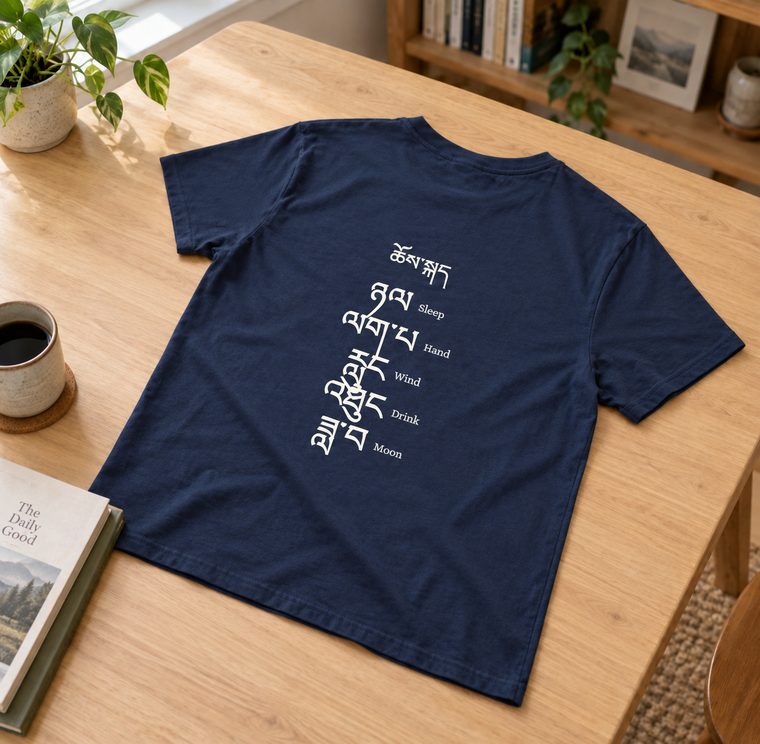
👕 The words of this language can also go on a T-shirt (below)
102 core words in Hui Chinese
Sources
Words compared
Compared with languages in the same classification: Sinitic
| Meaning | Hui Chinese | Gan | Xiang | Nanjing Mandarin | Qingdao Mandarin | Jianghuai Mandarin | Zhongyuan Mandarin |
|---|---|---|---|---|---|---|---|
| Water | 水 /ɕy˧˩/ | 水 /sui˨˩˧/ | 水 /ɕyei˦˩/ | 水 /ʂuəi˨˩˨/ | 水 /ʂue˥˥/ | 水 /suei˨˩˨/ | 水 /ʂuei˥˧/ |
| Fire | 火 /xo˧˩/ | 火 /fo˨˩˧/ | 火 /xo˦˩/ | 火 /xo˨˩˨/ | 火 /xuə˥˥/ | 火 /xo˨˩˨/ | 火 /xuo˥˧/ |
| Sun | 日头 /ȵie˩˩ tʰiu˦˦/ | 日头 /ȵit˥ tʰɛu/ | 太阳 /tʰai˦˥ ian˩˧/ | 太阳 /tʰɛ˦ iaŋ˨˦/ | 太阳 /tʰɛ˨˩˧ iaŋ˦˨/ | 日头 /ʐʅʔ˥˥ tʰəu˩˧/ | 太阳 /tʰai˧˩˨ iaŋ˦˨/ |
| Moon | 月光 /ȵyɛ˩˩ kau˩˩/ | 月光 /ȵyot˨ kuɔŋ˦˨/ | 月亮 /ye˨˦ lian˨˩/ | 月亮 /yʔ˥ liaŋ˦/ | 月亮 /yə˦˨ liaŋ˦˨/ | 月亮 /yeʔ˥˥ niaŋ˦˦/ | 月亮 /yɛ˨˦ liaŋ/ |
| Star | 星 /sɛ˩˩/ | 星子 /ɕiaŋ˦˨ tsɿ/ | 星子 /sin˧˧ tsɿ/ | 星 /ɕiŋ˧˩/ | 星星 /siəŋ˨˩˧ siəŋ˨˩˧/ | 星 /ɕiŋ˧˩/ | 星星 /ɕiŋ˨˦ ɕiŋ/ |
| Rain | 雨 /y˨˦/ | 雨 /y˨˩˧/ | 雨 /y˦˩/ | 雨 /y˨˩˨/ | 雨 /y˥˥/ | 雨 /y˨˩˨/ | 雨 /y˥˧/ |
| Rainbow | 虹 /kau˦˨/ | 虹 /kɔŋ˧˥/ | 虹 /kan˦˥/ | 虹 /kaŋ˦/ | 虹 /tsiaŋ˦˨/ | — | 虹 /tɕiaŋ˧˩˨/ |
| Snow | 雪 /siɛ˥/ | 雪 /ɕyot˥/ | 雪 /sie˨˦/ | 雪 /ɕyeʔ˥/ | 雪 /syə˥˥/ | 雪 /ɕyeʔ˥˥/ | 雪 /ɕyɛ˨˦/ |
| Wind | 风 /fan˩˩/ | 风 /fuŋ˦˨/ | 风 /xoŋ˧˧/ | 风 /fəŋ˧˩/ | 风 /fəŋ˨˩˧/ | 风 /fəŋ˧˩/ | 风 /fəŋ˨˦/ |
| Earth | 土 /tʰəu˧˩/ | 土 /tʰu˨˩˧/ | 泥巴 /ȵi˩˧ pa˧˧/ | 土 /tʰu˨˩˨/ | — | 土 /tʰu˨˩˨/ | 土 /tʰu˥˧/ |
| Stone | 石头 /ɕie˩˩ tʰiu˦˦/ | 石头 /saʔ˨ tʰɛu/ | 石头 /ʂʅ˨˦ təu˩˧/ | 石头 /ʂʅʔ˥ tʰəu/ | 石头 /ʃɿ˦˨ tʰou˦˨/ | 石头 /ʂʅʔ˥˥ tʰəu˩˧/ | 石头 /ʂʅ˦˨ tʰou/ |
| Mountain | 山 /sɔ˩˩/ | 山 /san˦˨/ | 山 /san˧˧/ | 山 /ʂan˧˩/ | 山 /ʂã˨˩˧/ | 山 /san˧˩/ | 山 /ʂan˨˦/ |
| Sea | 海 /xuə˧˩/ | 海 /hai˨˩˧/ | 海 /xai˦˩/ | 海 /xɛ˨˩˨/ | — | 海 /xɛ˨˩˨/ | 海 /xai˥˧/ |
| East | 东 /tan˩˩/ | 东 /tuŋ˦˨/ | 东 /tən˧˧/ | 东 /toŋ˧˩/ | 东 /təŋ˨˩˧/ | 东 /toŋ˧˩/ | 东 /tuŋ˨˦/ |
| Night | 夜里 /ia˩˩ li˨˦/ | 夜里 /ia˨˩ li˨˩˧/ | 夜里 /ia˨˩ li˦˩/ | 晚上 /uan˨˩˨ ʂaŋ/ | — | 晚上 /uan˨˩˨ saŋ/ | 晚上 /uan˥˧ saŋ/ |
| Yesterday | 昨日 /tsʰo˩˩ ȵie˩˩/ | 昨日 /tsʰɔʔ˨ ȵit˥/ | 昨日 /tso˩˧ ɻ̩˨˦/ | 昨天 /tsʰo˨˦ tʰẽ˧˩/ | 夜来 /iə˦˨ lɛ˦˨/ | — | 夜儿 /iɛɻ˧˩˨/ |
| Tomorrow | 明日 /mɛ˦˦ ȵie˩˩/ | 明日 /miaŋ˧˥ ȵit˥/ | 明日 /min˩˧ ɻ̩˨˦/ | 明天 /miŋ˨˦ tʰẽ˧˩/ | 明天 /miəŋ˦˨ tʰiã˨˩˧/ | 明天 /miŋ˩˧ tʰian˧˩/ | 明儿 /mioɻ˦˨/ |
| I | 我 /a˨˦/ | 我 /ŋo˨˩˧/ | 我 /ŋo˦˩/ | 我 /o˨˩˨/ | 我 /və˥˥/ | 我 /o˨˩˨/ | 我 /uo˥˧/ |
| You | 你 /n̩˦˦/ | 你 /n̩˨˩˧/ | 你 /ȵi˦˩/ | 你 /li˨˩˨/ | 你 /ni˥˥/ | 你 /li˨˩˨/ | 你 /ni˥˧/ |
| We | 我人 /a˨˦ ȵin˦˦/ | 我个俚 /ŋo˨˩ ko˩ li˨/ | 我们 /ŋo˦˩ mən/ | 我们 /o˨˩˨ məŋ/ | 我们 /və˥˥ mə̃˦˨/ | 我们 /o˨˩˨ mən/ | 咱 / 俺 /tsan˦˨ / an˥˧/ |
| Person | 人 /ȵin˦˦/ | 人 /ȵin˦˥/ | 人 /ʐən˩˧/ | 人 /ɻəŋ˨˦/ | 人 /iə̃˦˨/ | 人 /ʐəŋ˩˧/ | 人 /ʐən˦˨/ |
| Mother | 妈 /ma˦˦/ | 姆妈 /m̩˦˨ ma/ | 妈妈 /ma˧˧ ma/ | 姆妈 /m̩˧˩ ma˧˩/ | 妈 /ma˨˩˧/ | 妈 /ma˧˩/ | 妈 /ma˨˦/ |
| Father | 爸 /pa˨˦/ | 爸爸 /paʔ˥ pa/ | 爸爸 /pa˨˦ pa/ | 爹 /tie˧˩/ | 爸爸 /pa˦˨ pa˦˨/ | 爸 /pa˦˦/ | 爹 /tiɛ˨˦/ |
| Grandmother | 老婄 /lə˨˦ pə˨˦/ | 婆婆 /pʰo˨˦ pʰo/ | 娭毑 /ŋai˧˧ tɕie˦˩/ | 奶奶 /lɛ˨˩˨ lɛ/ | 奶奶 /nɛ˥˥ nɛ˥˥/ | 奶奶 /lɛ˨˩˨ lɛ˨˩˨/ | 奶奶 /nai˥˧ nai/ |
| Uncle | 叔爷 /ɕiu˥ ia˦˦/ | 叔 /suʔ˥/ | 叔叔 /ʂəu˨˦ ʂəu/ | — | — | — | — |
| Daughter | 女 /ȵy˨˦/ | 女 /ȵyn˨˩˧/ | 女 /ȵy˦˩/ | 女儿 /ly˨˩˨ ɚ˨˦/ | 闺女 /kuə̃˨˩˧ ny˥˥/ | 女儿 /ly˨˩˨ ɚ˩˧/ | 闺女 /kuei˨˦ ny/ |
| Husband | 老公 /lə˨˦ kan˩˩/ | 老公 /lau˨˩˧ kuŋ˦˨/ | 男人 /lan˩˧ ɻən˩˧/ | 丈夫 /tʂã˦ fu/ | 外头人 /vɛ˦˨ tʰou˦˨ iə̃˦˨/ | — | 男人 /nan˦˨ ʐən˦˨/ |
| Wife | 老婆 /lə˨˦ pʰo˦˦/ | 老婆 /lau˨˩˧ pʰo˩˩/ | 堂客 /tan˩˧ kʰɤ˨˦/ | — | — | — | — |
| Name | 名字 /mɛ˦˦ tsʰɿ˩˩/ | 名字 /miaŋ˦˨ tsʰɿ˨˩/ | 名字 /min˩˧ tsɿ˨˩/ | 名字 /miŋ˨˦ tsɿ/ | — | 名字 /miŋ˩˧ tsɿ/ | 名儿 /mioɻ˦˨/ |
| Language | 语言 /ȵy˨˦ iɛ˦˦/ | 语言 /ȵy˨˩˧ ȵiɛn˦˥/ | 语言 /y˦˩ iẽ˩˧/ | 语言 /y˨˩˨ iɛn˨˦/ | 语言 /y˥˥ iã˦˨/ | 语言 /y˨˩˨ ian˩˧/ | 语言 /y˥˧ ian˦˨/ |
| King | 王 /au˦˦/ | 王 /uɔŋ˧˥/ | 王 /uan˩˧/ | 王 /uaŋ˨˦/ | — | 王 /uaŋ˩˧/ | 王 /uaŋ˦˨/ |
| Head | 头 /tʰiu˦˦/ | 头 /tʰɛu˨˦/ | 脑壳 /lau˦˩ kʰo˨˦/ | 头 /tʰəu˨˦/ | 头 /tʰou˦˨/ | 头 /tʰəu˩˧/ | 头 /tʰou˦˨/ |
| Eye | 眼睛 /ŋɔ˨˦ tsɛ˩˩/ | 眼睛 /an˨˩˧ tɕiaŋ˦˨/ | 眼睛 /ŋan˦˩ tsin˧˧/ | 眼睛 /iɛn˨˩˨ tɕiŋ˧˩/ | 眼 /iã˥˥/ | 眼睛 /ian˨˩˨ tɕiŋ/ | 眼 /ian˥˧/ |
| Nose | 鼻 /pʰi˥/ | 鼻子 /pʰit˨ tsɿ/ | 鼻子 /pi˨˦ tsɿ/ | 鼻子 /piʔ˥ tsɿ/ | 鼻子 /pi˦˨ tsɿ˥˥/ | 鼻子 /piʔ˥˥ tsɿ/ | 鼻子 /pi˦˨ tsɿ/ |
| Mouth | 嘴 /tse˧˩/ | 嘴 /tsui˨˩˧/ | 嘴巴 /tsei˦˩ pa˧˧/ | 嘴 /tsuəi˨˩˨/ | 嘴 /tsue˥˥/ | 嘴 /tsuei˨˩˨/ | 嘴 /tsuei˥˧/ |
| Tooth | 牙 /ŋɔ˦˦/ | 牙 /ŋa˦˥/ | 牙 /ŋa˩˧/ | 牙 /ia˨˦/ | 牙 /ia˦˨/ | 牙 /ia˩˧/ | 牙 /ia˦˨/ |
| Tongue | 舌 /tɕia˨˦/ | 舌头 /sɛt˨ tʰɛu/ | 舌子 /ʂɤ˨˦ tsɿ/ | 舌头 /ʂəʔ˥ tʰəu˨˦/ | 舌头 /ʃə˦˨ tʰou˦˨/ | 舌头 /ʂəʔ˥˥ tʰəu˩˧/ | 舌头 /ʂʅɛ˦˨ tʰou˦˨/ |
| Hand | 手 /ɕiu˧˩/ | 手 /siu˨˩˧/ | 手 /ʂəu˦˩/ | 手 /ʂəu˨˩˨/ | 手 /ʃou˥˥/ | 手 /səu˨˩˨/ | 手 /ʂou˥˧/ |
| Left (side) | 左 /tso˧˩/ | 左 /tso˨˩˧/ | 左 /tso˦˩/ | 左 /tso˨˩˨/ | 左 /tsuə˨˩˧/ | 左 /tso˨˩˨/ | 左 /tsuo˥˧/ |
| Foot | 脚 /tɕio˥/ | 脚 /tɕiɔʔ˥/ | 脚 /tɕio˨˦/ | 脚 /tɕioʔ˥/ | 脚 /tɕyə˥˥/ | 脚 /tɕioʔ˥˥/ | 脚 /tɕyo˨˦/ |
| Heart | 心 /sin˩˩/ | 心 /ɕin˦˨/ | 心 /sin˧˧/ | 心 /ɕiŋ˧˩/ | — | 心 /ɕiŋ˧˩/ | 心 /ɕin˨˦/ |
| Bone | 骨头 /ku˥ tʰiu˦˦/ | 骨头 /kut˥ tʰɛu˨˦/ | 骨头 /ku˨˦ təu˩˧/ | 骨头 /kuʔ˥ tʰəu˨˦/ | 骨头 /ku˥˥ tʰou˦˨/ | 骨头 /kuʔ˥˥ tʰəu˩˧/ | 骨头 /ku˨˦ tʰou˦˨/ |
| Blood | 血 /ɕyɛ˥/ | 血 /ɕyot˥/ | 血 /ɕie˨˦/ | 血 /ɕyʔ˥/ | 血 /ɕiə˥˥/ | 血 /ɕyeʔ˥˥/ | 血 /ɕiɛ˨˦/ |
| Poop | 屎 /ɕi˧˩/ | 屎 /sɿ˨˩˧/ | 屎 /ʂʅ˦˩/ | 屎 /ʂʅ˨˩˨/ | — | 屎 /ʂʅ˨˩˨/ | 屎 /ʂʅ˥˧/ |
| Love | 爱 /uə˦˨/ | 爱 /ŋai˦˥/ | 爱 /ŋai˦˥/ | 爱 /ɛ˦/ | — | 爱 /ɛ˦˦/ | 爱 /ai˧˩˨/ |
| Tree | 树 /ɕy˩˩/ | 树 /ɕy˨˩/ | 树 /ɕy˨˩/ | 树 /ʂu˦/ | 树 /ʃu˦˨/ | 树 /su˦˦/ | 树 /ʂu˧˩˨/ |
| Sunflower | 丝瓜莲 /sɿ˩˩ kuːə˩˩ liɛ˦˦/ | 葵花 /kʰui˨˦ fa˦˨/ | 葵花 /kʰuei˩˧ fa˧˧/ | 葵花 /kʰuəi˨˦ xua˧˩/ | 朝阳花 /tʃʰɔ˦˨ iaŋ˦˨ xua˨˩˧/ | 向日葵 /ɕiaŋ˦˦ ʐʅʔ˥˥ kʰuei˩˧/ | 照日葵 /tʂau˧˩˨ ʐʅ˨˦ kʰuei˦˨/ |
| Dog | 狗 /tɕiu˧˩/ | 狗 /kiɛu˨˩˧/ | 狗 /kəu˦˩/ | 狗 /kəu˨˩˨/ | 狗 /kou˥˥/ | 狗 /kəu˨˩˨/ | 狗 /kou˥˧/ |
| Cat | 猫 /mə˩˩/ | 猫 /mau˦˥/ | 猫 /miau˧˧/ | 猫 /mɔ˧˩/ | 猫 /mɔ˦˨/ | 猫 /maɔ˧˩/ | 猫 /mau˦˨/ |
| Horse | 马 /muːə˨˦/ | 马 /ma˨˩˧/ | 马 /ma˦˩/ | 马 /ma˨˩˨/ | 马 /ma˥˥/ | 马 /ma˨˩˨/ | 马 /ma˥˧/ |
| Bear | 熊 /ɕin˦˦/ | 熊 /ɕiuŋ˦˥/ | 熊 /ɕioŋ˩˧/ | 熊 /ɕioŋ˨˦/ | — | 熊 /ɕioŋ˩˧/ | 熊 /ɕyuŋ˦˨/ |
| Monkey | 猴狲 /siu˦˦ suːə˩˩/ | 猴子 /hɛu˨˦ tsɿ˨/ | 猴子 /xəu˩˧ tsɿ/ | 猴子 /xəu˨˦ tsɿ/ | 猴子 /xou˦˨ tsɿ˥˥/ | 猴子 /xəu˩˧ tsɿ/ | — |
| Snake | 蛇 /ɕia˦˦/ | 蛇 /sa˦˥/ | 蛇 /ʂa˩˧/ | 蛇 /ʂie˨˦/ | 长虫 /tʃʰaŋ˦˨ tʂʰəŋ˦˨/ | 蛇 /ɕie˩˧/ | 长虫 /tʂʰaŋ˦˨ tʂʰuŋ˦˨/ |
| Spider | 蛛蛛 /tɕy˩˩ tɕy˩˩/ | 蝃蛛 /tsɛt˥ tɕy˦˨/ | 蜘蛛子 /tʂʅ˨˦ tɕy˧˧ tsɿ/ | 蜘蛛 /tʂʅ˧˩ tʂu˧˩/ | 癞癞蛛 /lɛ˦˨ lɛ˦˨ tʃu˨˩˧/ | — | 蛛蛛 /tʂu˨˦ tʂu˨˦/ |
| Bat | 老伯布翼 /lə˨˦ pa˥ pu˦˨ ie˩˩/ | 檐老鼠 /iɛn˦˥ lau ɕy/ | 檐老鼠 /iẽ˩˧ lau˦˩ ɕy˦˩/ | — | — | — | — |
| Bird | 鸟 /liu˨˦/ | 雀子 /tɕʰiɔʔ˥ tsɿ˨˩˧/ | 鸟 /ȵiau˦˩/ | 鸟 /niɔ˨˩˨/ | — | 鸟 /niaɔ˨˩˨/ | 鸟 /tiau˥˧/ |
| Egg | 鸡蛋 /tɕie˩˩ tɔ˩˩/ | 蛋 /tʰan˨˩/ | 蛋 /tan˨˩/ | 鸡蛋 /tɕi˧˩ tan˦/ | 鸡蛋 /tɕi˨˩˧ tã˦˨/ | 鸡蛋 /tɕi˧˩ tan˦˦/ | 鸡蛋 /tɕi˨˦ tan˧˩˨/ |
| Fish | 鱼 /ȵy˦˦/ | 鱼 /ȵie˨˦/ | 鱼 /y˩˧/ | 鱼 /y˨˦/ | 鱼 /y˦˨/ | 鱼 /y˩˧/ | 鱼 /y˦˨/ |
| House | 屋 /u˥/ | 屋 /uʔ˥/ | 屋里 /u˨˦ li/ | 房子 /faŋ˨˦ tsɿ/ | 房子 /faŋ˦˨ tsɿ˥˥/ | 房子 /faŋ˩˧ tsɿ/ | 屋里 /u˨˦ li/ |
| Soap | 肥皂 /fe˦˦ tsʰə˨˦/ | 肥皂 /fɨi˧˥ tsʰau˩˩/ | 肥皂 /ɸei˩˧ tsɒu˨˩/ | — | — | — | — |
| Rice | 米 /me˨˦/ | 米 /mi˨˩˧/ | 米 /mi˦˩/ | 米 /mi˨˩˨/ | — | 米 /mi˨˩˨/ | 米 /mi˥˧/ |
| Milk | 牛奶 /ȵiu˦˦ ȵiɛ˩˩/ | 牛奶 /ȵiu˦˥ lai˨˩˧/ | 牛奶 /ȵiəu˩˧ lai˦˩/ | 牛奶 /liəu˨˦ lɛ˨˩˨/ | — | 牛奶 /niəu˩˧ lɛ˨˩˨/ | 牛奶 /niou˦˨ nai˥˧/ |
| Honey | 蜜糖 /mi˩˩ tʰau˦˦/ | 蜜糖 /mit˥ tʰɔŋ˨˦/ | 蜜糖 /mi˨˦ tan˩˧/ | 蜂蜜 /fəŋ˧˩ miʔ˥/ | 蜂蜜 /fəŋ˨˩˧ mi˦˨/ | 蜂蜜 /fəŋ˧˩ miʔ˥˥/ | 蜂蜜 /fəŋ˨˦ mi˨˦/ |
| Salt | 盐 /iɛ˦˦/ | 盐 /iɛn˦˥/ | 盐 /iẽ˩˧/ | 盐 /iɛn˨˦/ | 咸盐 /ɕiã˦˨ iã˦˨/ | 盐 /ian˩˧/ | 盐 /ian˦˨/ |
| Sugar | 糖 /tʰau˦˦/ | 糖 /tʰɔŋ˨˦/ | 糖 /tan˩˧/ | 糖 /tʰaŋ˨˦/ | 糖 /tʰaŋ˦˨/ | 糖 /tʰaŋ˩˧/ | 糖 /tʰaŋ˦˨/ |
| Potato | 马铃芋 /muːə˨˦ lɛ˦˦ y˨˦/ | 洋芋头 /iɔŋ˦˥ y˨˩ tʰɛu/ | 洋芋头 /ian˩˧ y˨˩ təu˩˧/ | 洋山芋 /iaŋ˨˦ ʂan˧˩ y˦/ | 土豆 /tʰu˥˥ tou˦˨/ | 洋山芋 /iaŋ˩˧ san˧˩ y˦˦/ | — |
| Tomato | 番茄 /fuːə˩˩ kɔ˩˩/ | 番茄 /fan˦˨ tɕʰia˨˦/ | 番茄 /fan˧˧ tɕie˩˧/ | 洋柿子 /iaŋ˨˦ sɿ˦ tsɿ/ | 西红柿 /si˨˩˧ xəŋ˦˨ ʂʅ˦˨/ | 洋柿子 /iaŋ˩˧ ʂʅ˦˦ tsɿ/ | 番茄 /fan˨˦ tɕʰiɛ˦˨/ |
| Chili pepper | 辣椒 /lɔ˩˩ tsiu˩˩/ | 辣椒 /lat˨ tɕiɛu˦˨/ | 辣椒 /la˨˦ tsiau˧˧/ | 辣椒 /laʔ˥ tsiɔ˧˩/ | 辣椒 /la˦˨ tsiɔ˨˩˧/ | — | 辣椒 /la˨˦ tɕiau˨˦/ |
| Orange | 橙 /tɕʰian˦˦/ | — | 甜橙 /tiẽ˩˧ tsən˩˧/ | 橙 /tʂʰəŋ˨˦/ | — | 橙 /tsʰəŋ˩˧/ | 橙 /tʂʰəŋ˦˨/ |
| Sushi | 寿司 /ɕiu˩˩ sɿ˩˩/ | 寿司 /siu˨˩ sɿ˦˨/ | 寿司 /ʂəu˨˩ sɿ˧˧/ | 寿司 /ʂəu˦ sɿ˧˩/ | 寿司 /ʃou˦˨ sɿ˨˩˧/ | 寿司 /səu˦˦ sɿ˧˩/ | 寿司 /ʂou˧˩˨ sɿ˨˦/ |
| Chocolate | 巧克力 /tɕʰio˧˩ kʰə˥ li˩˩/ | 巧克力 /tɕʰiɛu˨˩˧ kʰiɛt˥ lit˥/ | — | 巧克力 /tɕʰiɔ˨˩˨ kʰəʔ˥ liʔ˥/ | — | 巧克力 /tɕʰiaɔ˨˩˨ kʰəʔ˥˥ niʔ˥˥/ | 巧克力 /tɕʰiau˥˧ kʰɤ˨˦ li˨˦/ |
| Tea | 茶 /tsɔ˦˦/ | 茶 /tsʰa˨˦/ | 茶 /tsa˩˧/ | 茶 /tʂʰa˨˦/ | 茶 /tʂʰa˦˨/ | 茶 /tsʰa˩˧/ | 茶 /tʂʰa˦˨/ |
| Iron | 铁 /tʰiɛ˥/ | 铁 /tʰiɛt˥/ | 铁 /tʰie˨˦/ | 铁 /tʰiʔ˥/ | 铁 /tʰiə˥˥/ | 铁 /tʰieʔ˥˥/ | 铁 /tʰiɛ˨˦/ |
| Silk | 丝 /sɿ˩˩/ | 丝 /sɿ˦˨/ | 丝 /sɿ˧˧/ | 丝 /sɿ˧˩/ | — | 丝 /sɿ˧˩/ | 丝 /sɿ˨˦/ |
| Book | 书 /ɕy˩˩/ | 书 /ɕy˦˨/ | 书 /ɕy˧˧/ | 书 /ʂu˧˩/ | 书 /ʃu˨˩˧/ | 书 /su˧˩/ | 书 /ʂu˨˦/ |
| Eat | 吃 /tɕʰi˥/ | 吃 /tɕʰiaʔ˥/ | 吃 /tɕʰia˨˦/ | 吃 /tʂʰʅʔ˥/ | 吃 /tʃʰɿ˥˥/ | 吃 /tʂʰʅʔ˥˥/ | 吃 /tʂʰʅ˨˦/ |
| Drink | 喝 /xə˥/ | 吃 /tɕʰiaʔ˥/ | 吃 /tɕʰia˨˦/ | 喝 /xəʔ˥/ | 喝 /xa˥˥/ | 喝 /xəʔ˥˥/ | 喝 /xɤ˨˦/ |
| Sleep | 困觉 /kʰuɛ˦˨ ko˦˨/ | 睏觉 /kʰun˨˩˧ kau˦˥/ | 睏 /kʰuən˦˥/ | 睡觉 /ʂuəi˦ tɕiɔ˦/ | 困觉 /kʰuə̃˦˨ tɕiɔ˦˨/ | 睡觉 /suei˦˦ tɕiaɔ˦˦/ | 睡觉 /ʂuei˧˩˨ tɕiau˧˩˨/ |
| One | 一 /i˥/ | 一 /it˥/ | 一 /i˨˦/ | 一 /iʔ˥/ | 一 /i˥˥/ | 一 /iʔ˥˥/ | 一 /i˨˦/ |
| Two | 二 /n̩˩˩/ | 二 /ɵ˨˩/ | 二 /ɤ˨˩/ | 二 /ɚ˦/ | 二 /ɭə˦˨/ | 二 /ɚ˦˦/ | 二 /l̩˧˩˨/ |
| Three | 三 /sɔ˩˩/ | 三 /san˦˨/ | 三 /san˧˧/ | 三 /sã˧˩/ | 三 /sã˨˩˧/ | 三 /san˧˩/ | 三 /san˨˦/ |
| Four | 四 /sɿ˦˦/ | 四 /sɿ˦˥/ | 四 /sɿ˦˥/ | 四 /sɿ˦/ | 四 /sɿ˦˨/ | 四 /sɿ˦˦/ | 四 /sɿ˧˩˨/ |
| Five | 五 /n̩˨˦/ | 五 /ŋ̍˨˩˧/ | 五 /u˦˩/ | 五 /u˨˩˨/ | 五 /vu˥˥/ | 五 /u˨˩˨/ | 五 /u˥˧/ |
| Twenty | 二十 /ɛ˩˩ ɕi˩˩/ | 二十 /ɵ˨˩ sɨt˨/ | 二十 /ɤ˨˩ ʂʅ˨˦/ | 二十 /ɚ˦ ʂʅʔ˥/ | 二十 /ɭə˦˨ ʃɿ˦˨/ | 二十 /ʔa˥˥ ʂʅʔ˥˥/ | — |
| Hundred | 百 /pa˥/ | 百 /paʔ˥/ | 百 /pɤ˨˦/ | 百 /pəʔ˥/ | 百 /pe˥˥/ | 百 /pəʔ˥˥/ | 百 /pɛ˨˦/ |
| Ninety-nine | 九十九 /tɕiu˧˩ ɕi˩˩ tɕiu˧˩/ | 九十九 /tɕiu˨˩˧ sɨt˨ tɕiu˨˩˧/ | 九十九 /tɕiəu˦˩ ʂʅ˨˦ tɕiəu˦˩/ | 九十九 /tɕiəu˨˩˨ ʂʅʔ˥ tɕiəu˨˩˨/ | 九十九 /tɕiou˥˥ ʃɿ˦˨ tɕiou˥˥/ | 九十九 /tɕiəu˨˩˨ ʂʅʔ˥˥ tɕiəu˨˩˨/ | 九十九 /tɕiou˥˧ ʂʅ˦˨ tɕiou˥˧/ |
| Hello | 你好 /n̩˦˦ xə˧˩/ | 你好 /n̩˨˩ hau˨˩˧/ | 你好 /ȵi˦˩ xau˦˩/ | 你好 /li˨˩˨ xɔ˨˩˨/ | — | 你好 /li˨˩˨ xaɔ˨˩˨/ | 你好 /ni˥˧ xau˥˧/ |
| Thank you | 谢谢 /tsʰiɛ˩˩ tsʰiɛ˩˩/ | 多谢 /to˦˨ ɕia˨˩/ | 多谢 /to˧˧ sie˦˥/ | 谢谢 /ɕie˦ ɕie/ | 谢谢 /siə˦˨ siə˦˨/ | 谢谢 /ɕie˦˦ ɕie/ | 谢谢 /ɕiɛ˧˩˨ ɕiɛ/ |
| Good | 好 /xə˧˩/ | 好 /hau˨˩˧/ | 好 /xau˦˩/ | 好 /xɔ˨˩˨/ | 好 /xɔ˥˥/ | 好 /xaɔ˨˩˨/ | 好 /xau˥˧/ |
| New | 新 /sin˩˩/ | 新 /ɕin˦˨/ | 新 /sin˧˧/ | 新 /ɕiŋ˧˩/ | — | 新 /ɕiŋ˧˩/ | 新 /ɕin˨˦/ |
| Black | 黑 /xə˥/ | 黑 /hɛt˥/ | 黑 /xɤ˨˦/ | 黑 /xəʔ˥/ | 黑 /xe˥˥/ | 黑 /xəʔ˥˥/ | 黑 /xɛ˨˦/ |
| White | 白 /pʰa˩˩/ | 白 /pʰaʔ˨/ | 白 /pɤ˨˦/ | 白 /pəʔ˥/ | — | 白 /pəʔ˥˥/ | 白 /pɛ˦˨/ |
| Red | 红 /xan˦˦/ | 红 /fuŋ˦˥/ | 红 /xoŋ˩˧/ | 红 /xoŋ˨˦/ | 红 /xəŋ˦˨/ | 红 /xoŋ˩˧/ | 红 /xuŋ˦˨/ |
| Yellow | 黄 /xo˦˦/ | 黄 /uɔŋ˦˥/ | 黄 /ɸan˩˧/ | 黄 /xuã˨˦/ | 黄 /xuaŋ˦˨/ | 黄 /xuaŋ˩˧/ | — |
| Green | 绿 /liu˩˩/ | 绿 /liuʔ˥/ | 绿 /ləu˨˦/ | 绿 /luʔ˥/ | — | 绿 /luʔ˥˥/ | 绿 /ly˨˦/ |
| Blue | 蓝 /lɔ˦˦/ | 蓝 /lan˦˥/ | 蓝 /lan˩˧/ | 蓝 /lan˨˦/ | 蓝 /lã˦˨/ | 蓝 /lan˩˧/ | 蓝 /lan˦˨/ |
| Germany | 德国 /ti˥ kuə˥/ | 德国 /tɛt˥ kuɛt˥/ | 德国 /tɤ˨˦ kuɘ˨˦/ | 德国 /təʔ˥ koʔ˥/ | 德国 /te˥˥ kuə˥˥/ | 德国 /təʔ˥˥ koʔ˥˥/ | — |
| Japan | 日本 /ȵie˩˩ pɛ˧˩/ | 日本 /ȵit˥ pɨn˨˩˧/ | 日本 /ɻ̩˨˦ pən˦˩/ | 日本 /ɻʅʔ˥ pəŋ˨˩˨/ | 日本 /i˦˨ pə̃˥˥/ | 日本 /ʐʅʔ˥˥ pəŋ˨˩˨/ | 日本 /ʐʅ˨˦ pən˥˧/ |
| China | 中国 /tsan˩˩ kuə˥/ | 中国 /tsuŋ˦˨ kuɛt˥/ | 中国 /tʂoŋ˧˧ kuɘ˨˦/ | 中国 /tʂoŋ˧˩ koʔ˥/ | 中国 /tʂəŋ˨˩˧ kuə˥˥/ | 中国 /tsoŋ˧˩ koʔ˥˥/ | — |
| Korea | 韩国 /xuːə˦˦ kuə˥/ | 韩国 /hon˨˦ kuɛt˥/ | 韩国 /xan˩˧ kuɘ˨˦/ | — | 韩国 /xã˦˨ kuə˥˥/ | 韩国 /xan˩˧ koʔ˥˥/ | — |
| India | 印度 /in˦˨ təu˩˩/ | 印度 /in˦˥ tʰu˨˩/ | 印度 /in˦˥ təu˦˥/ | 印度 /iŋ˦ tu˦/ | 印度 /iə̃˦˨ tu˦˨/ | 印度 /iŋ˦˦ tu˦˦/ | 印度 /in˧˩˨ tu˧˩˨/ |
| Greece | 希腊 /ɕi˩˩ lɔ˩˩/ | — | 希腊 /ɕi˧˧ la˨˦/ | 希腊 /ɕi˧˩ lɒʔ˥/ | 希腊 /ɕi˨˩˧ la˦˨/ | 希腊 /ɕi˧˩ laʔ˥˥/ | 希腊 /ɕi˨˦ la˨˦/ |
Han readings compared
Compared with languages in the same classification: Sinitic
| Character | Hui Chinese | Jixi Hui | Lanyin Mandarin | Qingdao Mandarin | Jinan Mandarin | Xiang | Xi'an Mandarin |
|---|---|---|---|---|---|---|---|
| 一 | iʔ²¹ /iʔ˨˩/ | ieʔ³² /ieʔ˧˨/ | i²⁴ /i˨˦/ | yi⁵⁵ /i˥˥/ | yi²¹³ /i˨˩˧/ | i²⁴ /i˨˦/ | yi²¹ /i˨˩/ |
| 二 | ɛ²² /ɛ˨˨/ | ẽ²² /ẽ˨˨/ | ɯ²⁴ /ɯ˨˦/ | le⁴² /ɭə˦˨/ | er²¹ /ɚ˨˩/ | e²¹ /ɤ˨˩/ | er⁴⁴ /ɚ˦˦/ |
| 三 | sɛ³¹ /sɛ˧˩/ | sɔ³¹ /sɔ˧˩/ | sɛ̃³¹ /sɛ̃˧˩/ | san²¹³ /sã˨˩˧/ | san²¹³ /sã˨˩˧/ | san³³ /san˧˧/ | san²¹ /sã˨˩/ |
| 四 | sɿ³²⁴ /sɿ˧˨˦/ | sɿ³⁵ /sɿ˧˥/ | — | si⁴² /sɿ˦˨/ | si²¹ /sɿ˨˩/ | sr⁴⁵ /sɿ˦˥/ | si⁴⁴ /sɿ˦˦/ |
| 五 | u³⁵ /u˧˥/ | vu²¹³ /vu˨˩˧/ | v̩³³ /v̩˧˧/ | wu⁵⁵ /vu˥˥/ | wu⁵⁵ /u˥˥/ | u⁴¹ /u˦˩/ | wu⁵³ /u˥˧/ |
| 六 | lo²² /lo˨˨/ | nɤʔ³² /nɤʔ˧˨/ | ȵiəu²⁴ /ȵiəu˨˦/ | liou⁴² /liou˦˨/ | liu²¹ /liou˨˩/ | lou²⁴ /ləu˨˦/ | liu²¹ /liɤu˨˩/ |
| 七 | tsʰiʔ²¹ /tsʰiʔ˨˩/ | tɕʰieʔ³² /tɕʰieʔ˧˨/ | tɕʰi²⁴ /tɕʰi˨˦/ | qi⁵⁵ /tsʰi˥˥/ | qi²¹³ /tɕʰi˨˩˧/ | ci²⁴ /tsʰi˨˦/ | qi²¹ /tɕʰi˨˩/ |
| 八 | paʔ²¹ /paʔ˨˩/ | pɔʔ³² /pɔʔ˧˨/ | pa²⁴ /pa˨˦/ | ba⁵⁵ /pa˥˥/ | ba²¹³ /pa˨˩˧/ | ba²⁴ /pa˨˦/ | ba²¹ /pa˨˩/ |
| 九 | tɕiu³⁵ /tɕiu˧˥/ | tɕiɵ²¹³ /tɕiɵ˨˩˧/ | tɕiəu³³ /tɕiəu˧˧/ | jiu⁵⁵ /tɕiou˥˥/ | jiu⁵⁵ /tɕiou˥˥/ | jiou⁴¹ /tɕiəu˦˩/ | jiu⁵³ /tɕiɤu˥˧/ |
| 十 | ɕi²² /ɕi˨˨/ | ɕieʔ³² /ɕieʔ˧˨/ | ʂʅ²⁴ /ʂʅ˨˦/ | shi⁴² /ʃɿ˦˨/ | shi⁴² /ʂʐ̩˦˨/ | shr²⁴ /ʂʅ˨˦/ | shi²⁴ /ʂʅ˨˦/ |
| 百 | pɛʔ²¹ /pɛʔ˨˩/ | pɔʔ³² /pɔʔ˧˨/ | pɤ²⁴ /pɤ˨˦/ | bei⁵⁵ /pe˥˥/ | bei²¹³ /pei˨˩˧/ | be²⁴ /pɤ˨˦/ | bei²¹ /pei˨˩/ |
| 千 | tsʰee³¹ /tsʰee˧˩/ | tsʰẽi³¹ /tsʰẽi˧˩/ | tɕʰiɛ̃³¹ /tɕʰiɛ̃˧˩/ | qian²¹³ /tsʰiã˨˩˧/ | qian²¹³ /tɕʰiã˨˩˧/ | cienn³³ /tsʰiẽ˧˧/ | qian²¹ /tɕʰiã˨˩/ |
| 萬 | uɛ²² /uɛ˨˨/ | vɔ²² /vɔ˨˨/ | vɛ̃²⁴ /vɛ̃˨˦/ | wan⁴² /vã˦˨/ | wan²¹ /vã˨˩/ | 白讀uan²¹ /uan˨˩/文讀uan⁴⁵ /uan˦˥/ | van⁴⁴ /vã˦˦/ |
| 天 | tʰe³¹ /tʰe˧˩/ | tʰẽi³¹ /tʰẽi˧˩/ | tʰiɛ̃³¹ /tʰiɛ̃˧˩/ | tian²¹³ /tʰiã˨˩˧/ | tian²¹³ /tʰiã˨˩˧/ | tienn³³ /tʰiẽ˧˧/ | tian²¹ /tʰiã˨˩/ |
| 地 | tʰi²² /tʰi˨˨/ | tsʰɿ²² /tsʰɿ˨˨/ | ti²⁴ /ti˨˦/ | di⁴² /ti˦˨/ | di²¹ /ti˨˩/ | di²¹ /ti˨˩/ | di⁴⁴ /ti˦˦/ |
| 日 | ni²² /ni˨˨/ | ȵieʔ³² /ȵieʔ˧˨/ | ʐʅ²⁴ /ʐʅ˨˦/ | yi⁴² /i˦˨/ | ri²¹ /ʐʅ˨˩/ | nyi²⁴ /ɲi˨˦/ | er²¹ /ɚ˨˩/ |
| 月 | ue²² /ue˨˨/ | — | ye²⁴ /ye˨˦/ | yue⁴² /yə˦˨/ | yue²¹ /yə˨˩/ | ye²⁴ /ye˨˦/ | yue²¹ /yɛ˨˩/ |
| 水 | 白讀ɕy³⁵ /ɕy˧˥/文讀ɕye³⁵ /ɕye˧˥/ | ɕy²¹³ /ɕy˨˩˧/ | fei³³ /fei˧˧/ | shui⁵⁵ /ʂue˥˥/ | shui⁵⁵ /ʂuei˥˥/ | xyei⁴¹ /ɕyei˦˩/ | fei⁵³ /fei˥˧/ |
| 木 | mɔ²² /mɔ˨˨/ | mɤʔ³² /mɤʔ˧˨/ | mu²⁴ /mu˨˦/ | mu⁴² /mu˦˨/ | mu²¹ /mu˨˩/ | mo²⁴ /mo˨˦/ | mu²¹ /mu˨˩/ |
| 金 | tɕiʌ̃³¹ /tɕiʌ̃˧˩/ | tɕiɑ̃³¹ /tɕiɑ̃˧˩/ | tɕiə̃³¹ /tɕiə̃˧˩/ | jin²¹³ /tɕiə̃˨˩˧/ | jin²¹³ /tɕiẽ˨˩˧/ | jin³³ /tɕin˧˧/ | jin²¹ /tɕiẽ˨˩/ |
| 土 | tʰu³⁵ /tʰu˧˥/ | tʰu²¹³ /tʰu˨˩˧/ | tʰu³³ /tʰu˧˧/ | tu⁵⁵ /tʰu˥˥/ | tu⁵⁵ /tʰu˥˥/ | tou⁴¹ /tʰəu˦˩/ | tu⁵³ /tʰu˥˧/ |
| 山 | sɛ³¹ /sɛ˧˩/ | sɔ³¹ /sɔ˧˩/ | ʂɛ̃³¹ /ʂɛ̃˧˩/ | shan²¹³ /ʂã˨˩˧/ | shan²¹³ /ʂã˨˩˧/ | san³³ /san˧˧/ | san²¹ /sã˨˩/ |
| 海 | xɛ³⁵ /xɛ˧˥/ | xa²¹³ /xa˨˩˧/ | xɛ³³ /xɛ˧˧/ | hai⁵⁵ /xɛ˥˥/ | hai⁵⁵ /xɛ˥˥/ | hai⁴¹ /xai˦˩/ | hai⁵³ /xæ˥˧/ |
| 石 | ɕi²² /ɕi˨˨/ | ɕieʔ³² /ɕieʔ˧˨/ | ʂʅ⁵³ /ʂʅ˥˧/ | shi⁴² /ʃɿ˦˨/ | shi⁴² /ʂʐ̩˦˨/ | shr²⁴ /ʂʅ˨˦/ | shi²⁴ /ʂʅ˨˦/ |
| 雨 | y³⁵ /y˧˥/ | y²¹³ /y˨˩˧/ | y³³ /y˧˧/ | yu⁵⁵ /y˥˥/ | yu⁵⁵ /y˥˥/ | y⁴¹ /y˦˩/ | yu⁵³ /y˥˧/ |
| 雪 | 白讀seʔ²¹ /seʔ˨˩/文讀ɕyeʔ²¹ /ɕyeʔ˨˩/ | ɕiaʔ³² /ɕiaʔ˧˨/ | ɕye²⁴ /ɕye˨˦/ | xue⁵⁵ /syə˥˥/ | xue²¹³ /ɕyə˨˩˧/ | sie²⁴ /sie˨˦/ | xue²¹ /ɕyɛ˨˩/ |
| 鐵 | tʰeʔ²¹ /tʰeʔ˨˩/ | tʰiaʔ³² /tʰiaʔ˧˨/ | tʰie²⁴ /tʰie˨˦/ | tie⁵⁵ /tʰiə˥˥/ | tie²¹³ /tʰiə˨˩˧/ | tie²⁴ /tʰie˨˦/ | tie²¹ /tʰiɛ˨˩/ |
| 年 | ne⁴⁴ /ne˦˦/ | ȵiẽi⁴⁴ /ȵiẽi˦˦/ | ȵiɛ̃⁵³ /ȵiɛ̃˥˧/ | nian⁴² /niã˦˨/ | nian⁴² /ȵiã˦˨/ | nyienn¹³ /ɲiẽ˩˧/ | nian²⁴ /niã˨˦/ |
| 春 | tɕʰyʌ̃³¹ /tɕʰyʌ̃˧˩/ | tɕʰyɑ̃³¹ /tɕʰyɑ̃˧˩/ | pfʰə̃³¹ /pfʰə̃˧˩/ | chun²¹³ /tʂʰuə̃˨˩˧/ | chun²¹³ /tʂʰuẽ˨˩˧/ | qyn³³ /tɕʰyn˧˧/ | pfen²¹ /pfʰẽ˨˩/ |
| 夏 | xa²² /xa˨˨/ | xo²² /xo˨˨/ | ɕia²⁴ /ɕia˨˦/ | xia⁴² /ɕia˦˨/ | xia²¹ /ɕia˨˩/ | xia²¹ /ɕia˨˩/ | xia⁴⁴ /ɕia˦˦/ |
| 秋 | tsʰiu³¹ /tsʰiu˧˩/ | tsʰi³¹ /tsʰi˧˩/ | tɕʰiəu³¹ /tɕʰiəu˧˩/ | qiu²¹³ /tsʰiou˨˩˧/ | qiu²¹³ /tɕʰiou˨˩˧/ | ciou³³ /tsʰiəu˧˧/ | qiu²¹ /tɕʰiɤu˨˩/ |
| 冬 | tʌ̃³¹ /tʌ̃˧˩/ | tɑ̃³¹ /tɑ̃˧˩/ | tuə̃³¹ /tuə̃˧˩/ | dong²¹³ /təŋ˨˩˧/ | dong²¹³ /tuŋ˨˩˧/ | dong³³ /tʊŋ˧˧/ | dong²¹ /tuoɣ̃˨˩/ |
| 朝 | tɕiɔ³¹ /tɕiɔ˧˩/ | tɕie³¹ /tɕie˧˩/ | tʂɔ³¹ /tʂɔ˧˩/ | zhao²¹³ /tʃɔ˨˩˧/ | zhao²¹³ /tʂɔ˨˩˧/ | zhau³³ /tʂɒu˧˧/ | zhao²¹ /tʂau˨˩/ |
| 夜 | 白讀ia²² /ia˨˨/文讀ie²² /ie˨˨/ | iɔ²² /iɔ˨˨/ | ie²⁴ /ie˨˦/ | ye⁴² /iə˦˨/ | ye²¹ /iə˨˩/ | 白讀ia²¹ /ia˨˩/文讀ie⁴⁵ /ie˦˥/ | ye⁴⁴ /iɛ˦˦/ |
| 今 | 白讀kʌ̃³¹ /kʌ̃˧˩/文讀tɕiʌ̃³¹ /tɕiʌ̃˧˩/ | tɕiɑ̃³¹ /tɕiɑ̃˧˩/ | tɕiə̃³¹ /tɕiə̃˧˩/ | jin²¹³ /tɕiə̃˨˩˧/ | jin²¹³ /tɕiẽ˨˩˧/ | jin³³ /tɕin˧˧/ | jin²¹ /tɕiẽ˨˩/ |
| 時 | sɿ⁴⁴ /sɿ˦˦/ | sɿ⁴⁴ /sɿ˦˦/ | ʂʅ⁵³ /ʂʅ˥˧/ | shi⁴² /ʂʅ˦˨/ | shi⁴² /ʂʐ̩˦˨/ | shr¹³ /ʂʅ˩˧/ | si²⁴ /sɿ˨˦/ |
| 鼠 | tɕʰy³⁵ /tɕʰy˧˥/ | tɕʰy²¹³ /tɕʰy˨˩˧/ | pfʰv̩³³ /pfʰv̩˧˧/ | shu⁵⁵ /ʃu˥˥/ | shu⁵⁵ /ʂu˥˥/ | xy⁴¹ /ɕy˦˩/ | fu⁵³ /fu˥˧/ |
| 牛 | niu⁴⁴ /niu˦˦/ | ŋi⁴⁴ /ŋi˦˦/ | ȵiəu⁵³ /ȵiəu˥˧/ | niu⁴² /niou˦˨/ | niu⁴² /ȵiou˦˨/ | nyiou¹³ /ɲiəu˩˧/ | niu²⁴ /niɤu˨˦/ |
| 虎 | xu³⁵ /xu˧˥/ | fu²¹³ /fu˨˩˧/ | xu³³ /xu˧˧/ | hu⁵⁵ /xu˥˥/ | hu⁵⁵ /xu˥˥/ | fu⁴¹ /ɸu˦˩/ | hu⁵³ /xu˥˧/ |
| 兔 | tʰu³²⁴ /tʰu˧˨˦/ | tʰu³⁵ /tʰu˧˥/ | tʰu²⁴ /tʰu˨˦/ | tu⁴² /tʰu˦˨/ | tu²¹ /tʰu˨˩/ | tou⁴⁵ /tʰəu˦˥/ | tu⁴⁴ /tʰu˦˦/ |
| 龍 | lʌ̃⁴⁴ /lʌ̃˦˦/ | nɑ̃⁴⁴ /nɑ̃˦˦/ | nuə̃⁵³ /nuə̃˥˧/ | long⁴² /ləŋ˦˨/ | long⁴² /luŋ˦˨/ | long¹³ /lʊŋ˩˧/ | long²⁴ /luoɣ̃˨˦/ |
| 蛇 | 白讀ɕia⁴⁴ /ɕia˦˦/文讀ɕie⁴⁴ /ɕie˦˦/ | so⁴⁴ /so˦˦/ | ʂɤ⁵³ /ʂɤ˥˧/ | she⁴² /ʃə˦˨/ | she⁴² /ʂə˦˨/ | 白讀sha¹³ /ʂa˩˧/文讀she¹³ /ʂɤ˩˧/ | 訓讀(本字未詳)chan⁴⁴ /tʂʰã˦˦/文讀she²⁴ /ʂɤ˨˦/ |
| 馬 | ma³⁵ /ma˧˥/ | mo²¹³ /mo˨˩˧/ | ma³³ /ma˧˧/ | ma⁵⁵ /ma˥˥/ | ma⁵⁵ /ma˥˥/ | ma⁴¹ /ma˦˩/ | ma⁵³ /ma˥˧/ |
| 羊 | ia⁴⁴ /ia˦˦/ | iõ⁴⁴ /iõ˦˦/ | iɑ̃⁵³ /iɑ̃˥˧/ | yang⁴² /iaŋ˦˨/ | yang⁴² /iaŋ˦˨/ | ian¹³ /iæn˩˧/ | yang²⁴ /iɑɣ̃˨˦/ |
| 猴 | xiu⁴⁴ /xiu˦˦/ | xi⁴⁴ /xi˦˦/ | xəu⁵³ /xəu˥˧/ | hou⁴² /xou˦˨/ | hou⁴² /xou˦˨/ | hou¹³ /xəu˩˧/ | hou²⁴ /xɤu˨˦/ |
| 雞 | tɕi³¹ /tɕi˧˩/ | tsɿ³¹ /tsɿ˧˩/ | tɕi³¹ /tɕi˧˩/ | ji²¹³ /tɕi˨˩˧/ | ji²¹³ /tɕi˨˩˧/ | ji³³ /tɕi˧˧/ | ji²¹ /tɕi˨˩/ |
| 犬 | tɕʰye³⁵ /tɕʰye˧˥/ | tɕʰyẽi²¹³ /tɕʰyẽi˨˩˧/ | tɕʰyɛ̃³³ /tɕʰyɛ̃˧˧/ | quan⁵⁵ /tɕʰyã˥˥/ | quan⁵⁵ /tɕʰyã˥˥/ | qyenn⁴¹ /tɕʰyẽ˦˩/ | quan⁵³ /tɕʰyã˥˧/ |
| 豬 | tɕy³¹ /tɕy˧˩/ | tɕy³¹ /tɕy˧˩/ | pfv̩³¹ /pfv̩˧˩/ | zhu²¹³ /tʃu˨˩˧/ | zhu²¹³ /tʂu˨˩˧/ | jy³³ /tɕy˧˧/ | pfu²¹ /pfu˨˩/ |
| 貓 | mɔ³¹ /mɔ˧˩/ | mɤ³¹ /mɤ˧˩/ | mɔ³¹ /mɔ˧˩/ | mao⁴² /mɔ˦˨/ | mao²¹³ /mɔ˨˩˧/ | mau³³ /mɒu˧˧/ | mao²⁴ /mau˨˦/ |
| 鳥 | tiɔ³⁵ /tiɔ˧˥/ | ȵie²¹³ /ȵie˨˩˧/ | ȵiɔ³³ /ȵiɔ˧˧/ | niao⁵⁵ /niɔ˥˥/ | niao⁵⁵ /ȵiɔ˥˥/ | diau⁴¹ /tiɒu˦˩/ | niao⁵³ /niau˥˧/ |
| 魚 | ny⁴⁴ /ny˦˦/ | ȵy⁴⁴ /ȵy˦˦/ | y⁵³ /y˥˧/ | yu⁴² /y˦˨/ | yu⁴² /y˦˨/ | y¹³ /y˩˧/ | yu²⁴ /y˨˦/ |
| 頭 | tʰiu⁴⁴ /tʰiu˦˦/ | tʰi⁴⁴ /tʰi˦˦/ | tʰəu⁵³ /tʰəu˥˧/ | tou⁴² /tʰou˦˨/ | tou⁴² /tʰou˦˨/ | dou¹³ /təu˩˧/ | tou²⁴ /tʰɤu˨˦/ |
| 毛 | mɔ⁴⁴ /mɔ˦˦/ | mɤ⁴⁴ /mɤ˦˦/ | mɔ⁵³ /mɔ˥˧/ | mao⁴² /mɔ˦˨/ | mao⁴² /mɔ˦˨/ | mau¹³ /mɒu˩˧/ | mao²⁴ /mau˨˦/ |
| 目 | mɔ²² /mɔ˨˨/ | mɤʔ³² /mɤʔ˧˨/ | mu²⁴ /mu˨˦/ | mu⁴² /mu˦˨/ | mu²¹ /mu˨˩/ | mo²⁴ /mo˨˦/ | mu²¹ /mu˨˩/ |
| 耳 | ɛ³⁵ /ɛ˧˥/ | ẽ²¹³ /ẽ˨˩˧/ | ɯ³³ /ɯ˧˧/ | le⁵⁵ /ɭə˥˥/ | er⁵⁵ /ɚ˥˥/ | e⁴¹ /ɤ˦˩/ | er⁵³ /ɚ˥˧/ |
| 鼻 | pʰi²² /pʰi˨˨/ | pʰɿ²² /pʰɿ˨˨/ | pi⁵³ /pi˥˧/ | bi⁴² /pi˦˨/ | bi⁴² /pi˦˨/ | bi²⁴ /pi˨˦/ | bi²⁴ /pi˨˦/ |
| 口 | kʰiu³⁵ /kʰiu˧˥/ | kʰi²¹³ /kʰi˨˩˧/ | kʰəu³³ /kʰəu˧˧/ | kou⁵⁵ /kʰou˥˥/ | kou⁵⁵ /kʰou˥˥/ | kou⁴¹ /kʰəu˦˩/ | kou⁵³ /kʰɤu˥˧/ |
| 牙 | ŋa⁴⁴ /ŋa˦˦/ | ŋo⁴⁴ /ŋo˦˦/ | ia⁵³ /ia˥˧/ | ya⁴² /ia˦˨/ | ya⁴² /ia˦˨/ | 白讀nga¹³ /ŋa˩˧/文讀ia¹³ /ia˩˧/ | nia²⁴ /nia˨˦/ |
| 舌 | tɕʰie²² /tɕʰie˨˨/ | tɕʰyaʔ³² /tɕʰyaʔ˧˨/ | ʂɤ⁵³ /ʂɤ˥˧/ | she⁴² /ʃə˦˨/ | she⁴² /ʂə˦˨/ | she²⁴ /ʂɤ˨˦/ | she²⁴ /ʂɤ˨˦/ |
| 手 | ɕiu³⁵ /ɕiu˧˥/ | si²¹³ /si˨˩˧/ | ʂəu³³ /ʂəu˧˧/ | shou⁵⁵ /ʃou˥˥/ | shou⁵⁵ /ʂou˥˥/ | shou⁴¹ /ʂəu˦˩/ | shou⁵³ /ʂɤu˥˧/ |
| 足 | tsuʔ²¹ /tsuʔ˨˩/ | tsɤʔ³² /tsɤʔ˧˨/ | tsu²⁴ /tsu˨˦/ | zu⁵⁵ /tsu˥˥/ | zu⁴² /tsu˦˨/ | zou²⁴ /tsəu˨˦/ | zu²¹ /tsu˨˩/ |
| 心 | siʌ̃³¹ /siʌ̃˧˩/ | ɕiɑ̃³¹ /ɕiɑ̃˧˩/ | ɕiə̃³¹ /ɕiə̃˧˩/ | xin²¹³ /siə̃˨˩˧/ | xin²¹³ /ɕiẽ˨˩˧/ | sin³³ /sin˧˧/ | xin²¹ /ɕiẽ˨˩/ |
| 骨 | kuʔ²¹ /kuʔ˨˩/ | kuɤʔ³² /kuɤʔ˧˨/ | ku²⁴ /ku˨˦/ | gu⁵⁵ /ku˥˥/ | gu²¹³ /ku˨˩˧/ | gu²⁴ /ku˨˦/ | gu²¹ /ku˨˩/ |
| 血 | ɕyeʔ²¹ /ɕyeʔ˨˩/ | — | ɕye²⁴ /ɕye˨˦/ | xie⁵⁵ /ɕiə˥˥/ | xue²¹³ /ɕyə˨˩˧/ | xie²⁴ /ɕie˨˦/ | xie²¹ /ɕiɛ˨˩/ |
| 肉 | niu²² /niu˨˨/ | ȵyeʔ³² /ȵyeʔ˧˨/ | ʐəu²⁴ /ʐəu˨˦/ | you⁴² /iou˦˨/ | rou²¹ /ʐou˨˩/ | rou²⁴ /ɻəu˨˦/ | rou⁴⁴ /ʐɤu˦˦/ |
| 人 | 白讀niʌ̃⁴⁴ /niʌ̃˦˦/文讀iʌ̃⁴⁴ /iʌ̃˦˦/ | iɑ̃⁴⁴ /iɑ̃˦˦/ | ʐə̃⁵³ /ʐə̃˥˧/ | yin⁴² /iə̃˦˨/ | ren⁴² /ʐẽ˦˨/ | ren¹³ /ɻən˩˧/ | ren²⁴ /ʐẽ˨˦/ |
| 男 | lɛ⁴⁴ /lɛ˦˦/ | nɔ⁴⁴ /nɔ˦˦/ | nɛ̃⁵³ /nɛ̃˥˧/ | nan⁴² /nã˦˨/ | nan⁴² /nã˦˨/ | lan¹³ /lan˩˧/ | nan²⁴ /nã˨˦/ |
| 女 | ny³⁵ /ny˧˥/ | ȵy²¹³ /ȵy˨˩˧/ | ȵy³³ /ȵy˧˧/ | nü⁵⁵ /ny˥˥/ | nü⁵⁵ /ȵy˥˥/ | nyy⁴¹ /ɲy˦˩/ | nü⁵³ /ny˥˧/ |
| 父 | fu²² /fu˨˨/ | fu²² /fu˨˨/ | fv̩²⁴ /fv̩˨˦/ | fu⁴² /fu˦˨/ | fu²¹ /fu˨˩/ | fu⁴⁵ /ɸu˦˥/ | fu⁴⁴ /fu˦˦/ |
| 母 | 白讀m̩³⁵ /m̩˧˥/文讀mɔ³⁵ /mɔ˧˥/ | mɵ²¹³ /mɵ˨˩˧/ | mu³³ /mu˧˧/ | mu⁵⁵ /mu˥˥/ | mu⁵⁵ /mu˥˥/ | mo⁴¹ /mo˦˩/ | mu⁵³ /mu˥˧/ |
| 兒 | 白讀n̩⁴⁴ /n̩˦˦/文讀ɛ⁴⁴ /ɛ˦˦/ | n̩⁴⁴ /n̩˦˦/ | — | le⁴² /ɭə˦˨/ | er⁴² /ɚ˦˨/ | e¹³ /ɤ˩˧/ | er²⁴ /ɚ˨˦/ |
| 生 | 白讀sɛ³¹ /sɛ˧˩/文讀sʌ̃³¹ /sʌ̃˧˩/ | sɑ̃³¹ /sɑ̃˧˩/ | ʂə̃³¹ /ʂə̃˧˩/ | sheng²¹³ /ʂəŋ˨˩˧/ | sheng²¹³ /ʂəŋ˨˩˧/ | sen³³ /sən˧˧/ | seng²¹ /səɣ̃˨˩/ |
| 死 | sɿ³⁵ /sɿ˧˥/ | sɿ²¹³ /sɿ˨˩˧/ | sɿ³³ /sɿ˧˧/ | si⁵⁵ /sɿ˥˥/ | si⁵⁵ /sɿ˥˥/ | sr⁴¹ /sɿ˦˩/ | si⁵³ /sɿ˥˧/ |
| 家 | 白讀ka³¹ /ka˧˩/文讀tɕia³¹ /tɕia˧˩/ | ko³¹ /ko˧˩/ | tɕia³¹ /tɕia˧˩/ | jia²¹³ /tɕia˨˩˧/ | jia²¹³ /tɕia˨˩˧/ | 白讀ka³³ /ka˧˧/文讀jia³³ /tɕia˧˧/ | jia²¹ /tɕia˨˩/ |
| 門 | mʌ̃⁴⁴ /mʌ̃˦˦/ | mɑ̃⁴⁴ /mɑ̃˦˦/ | mə̃⁵³ /mə̃˥˧/ | men⁴² /mə̃˦˨/ | men⁴² /mẽ˦˨/ | men¹³ /mən˩˧/ | men²⁴ /mẽ˨˦/ |
| 飯 | fɛ²² /fɛ˨˨/ | fɔ²² /fɔ˨˨/ | fɛ̃²⁴ /fɛ̃˨˦/ | fan⁴² /fã˦˨/ | fan²¹ /fã˨˩/ | 白讀fan²¹ /ɸan˨˩/文讀fan⁴⁵ /ɸan˦˥/ | fan⁴⁴ /fã˦˦/ |
| 茶 | tsʰa⁴⁴ /tsʰa˦˦/ | tsʰo⁴⁴ /tsʰo˦˦/ | tʂʰa⁵³ /tʂʰa˥˧/ | cha⁴² /tʂʰa˦˨/ | cha⁴² /tʂʰa˦˨/ | za¹³ /tsa˩˧/ | ca²⁴ /tsʰa˨˦/ |
| 錢 | tsʰee⁴⁴ /tsʰee˦˦/ | tsʰẽi⁴⁴ /tsʰẽi˦˦/ | tɕʰiɛ̃⁵³ /tɕʰiɛ̃˥˧/ | qian⁴² /tsʰiã˦˨/ | qian⁴² /tɕʰiã˦˨/ | zienn¹³ /tsiẽ˩˧/ | qian²⁴ /tɕʰiã˨˦/ |
| 行 | ɕiʌ̃⁴⁴ /ɕiʌ̃˦˦/ | ɕiɑ̃⁴⁴ /ɕiɑ̃˦˦/ | ɕiə̃⁵³ /ɕiə̃˥˧/ | xing⁴² /ɕiəŋ˦˨/ | xing⁴² /ɕiŋ˦˨/ | xin¹³ /ɕin˩˧/ | xing²⁴ /ɕiɣ̃˨˦/ |
| 来 | lɛ⁴⁴ /lɛ˦˦/ | na⁴⁴ /na˦˦/ | nɛ⁵³ /nɛ˥˧/ | lai⁴² /lɛ˦˨/ | lai⁴² /lɛ˦˨/ | lai¹³ /lai˩˧/ | lai²⁴ /læ˨˦/ |
| 去 | 白讀tɕʰi³²⁴ /tɕʰi˧˨˦/文讀tɕʰy³²⁴ /tɕʰy˧˨˦/ | 白讀kʰi³⁵ /kʰi˧˥/文讀tɕʰy³⁵ /tɕʰy˧˥/ | tɕʰy²⁴ /tɕʰy˨˦/ | qu⁴² /tɕʰy˦˨/ | qu²¹ /tɕʰy˨˩/ | qy⁴⁵ /tɕʰy˦˥/ | qu⁴⁴ /tɕʰy˦˦/ |
| 走 | tso³⁵ /tso˧˥/ | tsi²¹³ /tsi˨˩˧/ | tsəu³³ /tsəu˧˧/ | zou⁵⁵ /tsou˥˥/ | zou⁵⁵ /tsou˥˥/ | zou⁴¹ /tsəu˦˩/ | zou⁵³ /tsɤu˥˧/ |
| 飛 | fe³¹ /fe˧˩/ | fi³¹ /fi˧˩/ | fei³¹ /fei˧˩/ | fei²¹³ /fe˨˩˧/ | fei²¹³ /fei˨˩˧/ | fei³³ /ɸei˧˧/ | fi²¹ /fi˨˩/ |
| 坐 | tsʰo³⁵ /tsʰo˧˥/ | tsʰɵ²¹³ /tsʰɵ˨˩˧/ | tsuɤ²⁴ /tsuɤ˨˦/ | zuo⁴² /tsuə˦˨/ | zuo²¹ /tsuə˨˩/ | zo²¹ /tso˨˩/ | zuo⁴⁴ /tsuo˦˦/ |
| 立 | li²² /li˨˨/ | ȵieʔ³² /ȵieʔ˧˨/ | ȵi²⁴ /ȵi˨˦/ | li⁴² /li˦˨/ | li²¹ /li˨˩/ | li²⁴ /li˨˦/ | li²¹ /li˨˩/ |
| 見 | tɕie³²⁴ /tɕie˧˨˦/ | tɕiẽi³⁵ /tɕiẽi˧˥/ | tɕiɛ̃²⁴ /tɕiɛ̃˨˦/ | jian⁴² /tɕiã˦˨/ | jian²¹ /tɕiã˨˩/ | jienn⁴⁵ /tɕiẽ˦˥/ | jian⁴⁴ /tɕiã˦˦/ |
| 聞 | uʌ̃⁴⁴ /uʌ̃˦˦/ | vɑ̃⁴⁴ /vɑ̃˦˦/ | və̃⁵³ /və̃˥˧/ | wen⁴² /və̃˦˨/ | wen⁴² /uẽ˦˨/ | un¹³ /uən˩˧/ | ven²⁴ /vẽ˨˦/ |
| 言 | ne⁴⁴ /ne˦˦/ | 白讀ȵiẽi⁴⁴ /ȵiẽi˦˦/文讀iẽi⁴⁴ /iẽi˦˦/ | iɛ̃⁵³ /iɛ̃˥˧/ | yan⁴² /iã˦˨/ | yan⁴² /iã˦˨/ | ienn¹³ /iẽ˩˧/ | yan²⁴ /iã˨˦/ |
| 知 | tɕi³¹ /tɕi˧˩/ | tsɿ³¹ /tsɿ˧˩/ | tʂʅ³¹ /tʂʅ˧˩/ | zhi²¹³ /tʃɿ˨˩˧/ | zhi²¹³ /tʂʐ̩˨˩˧/ | zhr³³ /tʂʅ˧˧/ | zhi²¹ /tʂʅ˨˩/ |
| 食 | ɕi²² /ɕi˨˨/ | — | — | shi⁴² /ʃɿ˦˨/ | shi⁴² /ʂʐ̩˦˨/ | shr²⁴ /ʂʅ˨˦/ | shi²⁴ /ʂʅ˨˦/ |
| 飲 | iʌ̃³⁵ /iʌ̃˧˥/ | iɑ̃²¹³ /iɑ̃˨˩˧/ | iə̃³³ /iə̃˧˧/ | yin⁵⁵ /iə̃˥˥/ | yin⁵⁵ /iẽ˥˥/ | in⁴¹ /in˦˩/ | yin⁵³ /iẽ˥˧/ |
| 白 | pʰɛ²² /pʰɛ˨˨/ | pʰɔʔ³² /pʰɔʔ˧˨/ | pɤ⁵³ /pɤ˥˧/ | bei⁴² /pe˦˨/ | bai⁴² /pɛ˦˨/ | be²⁴ /pɤ˨˦/ | bei²⁴ /pei˨˦/ |
| 黑 | xeʔ²¹ /xeʔ˨˩/ | xɤʔ³² /xɤʔ˧˨/ | xɤ²⁴ /xɤ˨˦/ | hei⁵⁵ /xe˥˥/ | hei²¹³ /xei˨˩˧/ | he²⁴ /xɤ˨˦/ | hei²¹ /xei˨˩/ |
| 紅 | xuʌ̃⁴⁴ /xuʌ̃˦˦/ | fɑ̃⁴⁴ /fɑ̃˦˦/ | xuə̃⁵³ /xuə̃˥˧/ | hong⁴² /xəŋ˦˨/ | hong⁴² /xuŋ˦˨/ | hong¹³ /xʊŋ˩˧/ | hong²⁴ /xuoɣ̃˨˦/ |
| 黃 | 白讀o⁴⁴ /o˦˦/文讀xo⁴⁴ /xo˦˦/ | õ⁴⁴ /õ˦˦/ | xuɑ̃⁵³ /xuɑ̃˥˧/ | huang⁴² /xuaŋ˦˨/ | huang⁴² /xuaŋ˦˨/ | 白讀uan¹³ /uan˩˧/文讀fan¹³ /ɸan˩˧/ | huang²⁴ /xuɑɣ̃˨˦/ |
| 青 | tsʰiʌ̃³¹ /tsʰiʌ̃˧˩/ | tɕʰiɑ̃³¹ /tɕʰiɑ̃˧˩/ | tɕʰiə̃³¹ /tɕʰiə̃˧˩/ | qing²¹³ /tsʰiəŋ˨˩˧/ | qing²¹³ /tɕʰiŋ˨˩˧/ | cin³³ /tsʰin˧˧/ | qing²¹ /tɕʰiɣ̃˨˩/ |
| 綠 | lu²² /lu˨˨/ | nɤʔ³² /nɤʔ˧˨/ | nu²⁴ /nu˨˦/ | lü⁴² /ly˦˨/ | lu²¹ /lu˨˩/ | lou²⁴ /ləu˨˦/ | liu²¹ /liɤu˨˩/ |
| 紫 | tsɿ³⁵ /tsɿ˧˥/ | tsɿ²¹³ /tsɿ˨˩˧/ | tsɿ³³ /tsɿ˧˧/ | zi⁵⁵ /tsɿ˥˥/ | zi⁵⁵ /tsɿ˥˥/ | zr⁴¹ /tsɿ˦˩/ | zi⁵³ /tsɿ˥˧/ |
| 灰 | xuɛ³¹ /xuɛ˧˩/ | fa³¹ /fa˧˩/ | xuei³¹ /xuei˧˩/ | hui²¹³ /xue˨˩˧/ | hui²¹³ /xuei˨˩˧/ | fei³³ /ɸei˧˧/ | hui²¹ /xuei˨˩/ |
| 大 | 白讀tʰo²² /tʰo˨˨/文讀tʰa²² /tʰa˨˨/ | tʰɵ²² /tʰɵ˨˨/ | ta²⁴ /ta˨˦/ | dai⁴² /tɛ˦˨/ | da²¹ /ta˨˩/ | 白讀dai²¹ /tai˨˩/文讀da⁴⁵ /ta˦˥/ | da⁴⁴ /ta˦˦/ |
| 小 | siɔ³⁵ /siɔ˧˥/ | ɕie²¹³ /ɕie˨˩˧/ | ɕiɔ³³ /ɕiɔ˧˧/ | xiao⁵⁵ /siɔ˥˥/ | xiao⁵⁵ /ɕiɔ˥˥/ | siau⁴¹ /siɒu˦˩/ | xiao⁵³ /ɕiau˥˧/ |
| 多 | to³¹ /to˧˩/ | tɵ³¹ /tɵ˧˩/ | tuɤ³¹ /tuɤ˧˩/ | duo²¹³ /tuə˨˩˧/ | duo²¹³ /tuə˨˩˧/ | do³³ /to˧˧/ | duo²¹ /tuo˨˩/ |
| 少 | ɕiɔ³⁵ /ɕiɔ˧˥/ | ɕie²¹³ /ɕie˨˩˧/ | ʂɔ³³ /ʂɔ˧˧/ | shao⁵⁵ /ʃɔ˥˥/ | shao⁵⁵ /ʂɔ˥˥/ | shau⁴¹ /ʂɒu˦˩/ | shao⁵³ /ʂau˥˧/ |
| 長 | tɕʰia⁴⁴ /tɕʰia˦˦/ | tɕʰiõ⁴⁴ /tɕʰiõ˦˦/ | tʂʰɑ̃⁵³ /tʂʰɑ̃˥˧/ | chang⁴² /tʃʰaŋ˦˨/ | chang⁴² /tʂʰaŋ˦˨/ | zhan¹³ /tʂan˩˧/ | chang²⁴ /tʂʰɑɣ̃˨˦/ |
| 長 | tɕia³⁵ /tɕia˧˥/ | tɕiõ²¹³ /tɕiõ˨˩˧/ | tʂɑ̃³³ /tʂɑ̃˧˧/ | zhang⁵⁵ /tʃaŋ˥˥/ | zhang⁵⁵ /tʂaŋ˥˥/ | zhan⁴¹ /tʂan˦˩/ | zhang⁵³ /tʂɑɣ̃˥˧/ |
| 高 | kɔ³¹ /kɔ˧˩/ | kɤ³¹ /kɤ˧˩/ | kɔ³¹ /kɔ˧˩/ | gao²¹³ /kɔ˨˩˧/ | gao²¹³ /kɔ˨˩˧/ | gau³³ /kɒu˧˧/ | gao²¹ /kau˨˩/ |
| 遠 | ue³⁵ /ue˧˥/ | yẽi²¹³ /yẽi˨˩˧/ | yɛ̃³³ /yɛ̃˧˧/ | yuan⁵⁵ /yã˥˥/ | yuan⁵⁵ /yã˥˥/ | yenn⁴¹ /yẽ˦˩/ | yuan⁵³ /yã˥˧/ |
| 新 | siʌ̃³¹ /siʌ̃˧˩/ | ɕiɑ̃³¹ /ɕiɑ̃˧˩/ | ɕiə̃³¹ /ɕiə̃˧˩/ | xin²¹³ /siə̃˨˩˧/ | xin²¹³ /ɕiẽ˨˩˧/ | sin³³ /sin˧˧/ | xin²¹ /ɕiẽ˨˩/ |
| 老 | lɔ³⁵ /lɔ˧˥/ | nɤ²¹³ /nɤ˨˩˧/ | nɔ³³ /nɔ˧˧/ | lao⁵⁵ /lɔ˥˥/ | lao⁵⁵ /lɔ˥˥/ | lau⁴¹ /lɒu˦˩/ | lao⁵³ /lau˥˧/ |
| 熱 | ne²² /ne˨˨/ | ȵiaʔ³² /ȵiaʔ˧˨/ | ʐɤ²⁴ /ʐɤ˨˦/ | ye⁴² /iə˦˨/ | re²¹ /ʐə˨˩/ | ye²⁴ /ye˨˦/ | re²¹ /ʐɤ˨˩/ |
| 冷 | 白讀lɛ³⁵ /lɛ˧˥/文讀lʌ̃³⁵ /lʌ̃˧˥/ | nẽi²¹³ /nẽi˨˩˧/ | nə̃³³ /nə̃˧˧/ | — | leng⁵⁵ /ləŋ˥˥/ | len⁴¹ /lən˦˩/ | leng⁵³ /ləɣ̃˥˧/ |
| 好 | xɔ³⁵ /xɔ˧˥/ | xɤ²¹³ /xɤ˨˩˧/ | xɔ³³ /xɔ˧˧/ | hao⁵⁵ /xɔ˥˥/ | hao⁵⁵ /xɔ˥˥/ | hau⁴¹ /xɒu˦˩/ | hao⁵³ /xau˥˧/ |
| 香 | ɕia³¹ /ɕia˧˩/ | ɕiõ³¹ /ɕiõ˧˩/ | ɕiɑ̃³¹ /ɕiɑ̃˧˩/ | xiang²¹³ /ɕiaŋ˨˩˧/ | xiang²¹³ /ɕiaŋ˨˩˧/ | xian³³ /ɕiæn˧˧/ | xiang²¹ /ɕiɑɣ̃˨˩/ |
| 上 | ɕia³⁵ /ɕia˧˥/ | ɕiõ²² /ɕiõ˨˨/ | ʂɑ̃²⁴ /ʂɑ̃˨˦/ | shang⁴² /ʃaŋ˦˨/ | shang²¹ /ʂaŋ˨˩/ | shan²¹ /ʂan˨˩/ | shang⁴⁴ /ʂɑɣ̃˦˦/ |
| 下 | 白讀xa³⁵ /xa˧˥/文讀ɕia²² /ɕia˨˨/ | xo²¹³ /xo˨˩˧/ | ɕia²⁴ /ɕia˨˦/ | xia⁴² /ɕia˦˨/ | xia²¹ /ɕia˨˩/ | xia²¹ /ɕia˨˩/ | xia⁴⁴ /ɕia˦˦/ |
| 左 | tso³⁵ /tso˧˥/ | tsɵ²¹³ /tsɵ˨˩˧/ | tsuɤ³³ /tsuɤ˧˧/ | zuo²¹³ /tsuə˨˩˧/ | zuo²¹ /tsuə˨˩/ | zo⁴¹ /tso˦˩/ | zuo⁵³ /tsuo˥˧/ |
| 右 | iu²² /iu˨˨/ | iɵ²² /iɵ˨˨/ | iəu²⁴ /iəu˨˦/ | you⁴² /iou˦˨/ | you²¹ /iou˨˩/ | iou²¹ /iəu˨˩/ | you⁴⁴ /iɤu˦˦/ |
| 前 | tsʰee⁴⁴ /tsʰee˦˦/ | tsʰẽi⁴⁴ /tsʰẽi˦˦/ | tɕʰiɛ̃⁵³ /tɕʰiɛ̃˥˧/ | qian⁴² /tsʰiã˦˨/ | qian⁴² /tɕʰiã˦˨/ | zienn¹³ /tsiẽ˩˧/ | qian²⁴ /tɕʰiã˨˦/ |
| 後 | xiu²² /xiu˨˨/ | xi²² /xi˨˨/ | xəu²⁴ /xəu˨˦/ | hou⁴² /xou˦˨/ | hou²¹ /xou˨˩/ | 白讀hou²¹ /xəu˨˩/文讀hou⁴⁵ /xəu˦˥/ | 白讀hu⁴⁴ /xɯ˦˦/文讀hou⁴⁴ /xɤu˦˦/ |
| 中 | tsʌ̃³¹ /tsʌ̃˧˩/ | tsɑ̃³¹ /tsɑ̃˧˩/ | pfə̃³¹ /pfə̃˧˩/ | zhong²¹³ /tʂəŋ˨˩˧/ | zhong²¹³ /tʂuŋ˨˩˧/ | zhong³³ /tʂʊŋ˧˧/ | pfeng²¹ /pfəɣ̃˨˩/ |
| 中 | tsʌ̃³²⁴ /tsʌ̃˧˨˦/ | tsɑ̃³⁵ /tsɑ̃˧˥/ | pfə̃²⁴ /pfə̃˨˦/ | zhong⁴² /tʂəŋ˦˨/ | zhong²¹ /tʂuŋ˨˩/ | zhong⁴⁵ /tʂʊŋ˦˥/ | pfeng⁴⁴ /pfəɣ̃˦˦/ |
| 央 | ia³¹ /ia˧˩/ | iõ³¹ /iõ˧˩/ | iɑ̃³¹ /iɑ̃˧˩/ | yang²¹³ /iaŋ˨˩˧/ | yang²¹³ /iaŋ˨˩˧/ | ian³³ /iæn˧˧/ | yang²¹ /iɑɣ̃˨˩/ |
| 東 | tʌ̃³¹ /tʌ̃˧˩/ | tɑ̃³¹ /tɑ̃˧˩/ | tuə̃³¹ /tuə̃˧˩/ | dong²¹³ /təŋ˨˩˧/ | dong²¹³ /tuŋ˨˩˧/ | dong³³ /tʊŋ˧˧/ | dong²¹ /tuoɣ̃˨˩/ |
| 西 | si³¹ /si˧˩/ | sɿ³¹ /sɿ˧˩/ | ɕi³¹ /ɕi˧˩/ | xi²¹³ /si˨˩˧/ | xi²¹³ /ɕi˨˩˧/ | si³³ /si˧˧/ | xi²¹ /ɕi˨˩/ |
| 南 | lɛ⁴⁴ /lɛ˦˦/ | nɔ⁴⁴ /nɔ˦˦/ | nɛ̃⁵³ /nɛ̃˥˧/ | nan⁴² /nã˦˨/ | nan⁴² /nã˦˨/ | lan¹³ /lan˩˧/ | nan²⁴ /nã˨˦/ |
| 北 | peʔ²¹ /peʔ˨˩/ | pɤʔ³² /pɤʔ˧˨/ | pɤ²⁴ /pɤ˨˦/ | bei⁵⁵ /pe˥˥/ | bei²¹³ /pei˨˩˧/ | be²⁴ /pɤ˨˦/ | bei²¹ /pei˨˩/ |
| 我 | ŋo³⁵ /ŋo˧˥/ | 白讀ɔ²¹³ /ɔ˨˩˧/文讀ŋɵ²¹³ /ŋɵ˨˩˧/ | vɤ³³ /vɤ˧˧/ | wo⁵⁵ /və˥˥/ | wo⁵⁵ /vuə˥˥/ | ngo⁴¹ /ŋo˦˩/ | nge⁵³ /ŋɤ˥˧/ |
| 你 | 白讀n̩³⁵ /n̩˧˥/文讀ni³⁵ /ni˧˥/ | — | — | ni⁵⁵ /ni˥˥/ | ni⁵⁵ /ȵi˥˥/ | nyi⁴¹ /ɲi˦˩/ | ni⁵³ /ni˥˧/ |
| 有 | iu³⁵ /iu˧˥/ | ie²¹³ /ie˨˩˧/ | iəu³³ /iəu˧˧/ | you⁵⁵ /iou˥˥/ | you⁵⁵ /iou˥˥/ | iou⁴¹ /iəu˦˩/ | you⁵³ /iɤu˥˧/ |
| 無 | 白讀m̩⁴⁴ /m̩˦˦/文讀u⁴⁴ /u˦˦/ | vu⁴⁴ /vu˦˦/ | v̩²⁴ /v̩˨˦/ | wu⁴² /vu˦˨/ | wu⁴² /u˦˨/ | u¹³ /u˩˧/ | vu²⁴ /vu˨˦/ |
| 不 | puʔ²¹ /puʔ˨˩/ | pɤʔ³² /pɤʔ˧˨/ | pu²⁴ /pu˨˦/ | bu⁵⁵ /pu˥˥/ | bu²¹³ /pu˨˩˧/ | bu²⁴ /pu˨˦/ | bu²¹ /pu˨˩/ |
| 個 | ko³²⁴ /ko˧˨˦/ | kɵ³⁵ /kɵ˧˥/ | kɤ²⁴ /kɤ˨˦/ | ge⁴² /kə˦˨/ | ge²¹ /kə˨˩/ | go⁴⁵ /ko˦˥/ | ge⁴⁴ /kɤ˦˦/ |
Open the interactive map: Word Map · Han Map · Name Map · Time Map · Word Order · Tree
Part of LangMap — a linguistic visualization project. This is a static, crawlable summary; the interactive maps offer pronunciation audio, filters, and a globe view.
Made by Heuron Inc. · GitHub · cho@heuron.com · LangMap home