近世韓國語
Early Modern Korean
Koreanic · historical / hidden variety
Early Modern Korean (근대국어 geundae-gugeo, ~17th-19th century) is the transitional stage between Middle Korean and the contemporary standard, spanning late Joseon. It saw the loss of phonemic pitch-accent (~17c.), the disappearance of the vowel ㆍ arae-a (~18c. spelling, ~16c. speech), simplification of the consonant cluster system (ㅄ, ㅴ → ㅆ etc.), reorganization of the seven-vowel system, and a steady rise in vernacular Hangul literature alongside continued Hanja-based scholarship. Sirhak ("practical learning") reformers and Han'gul-printed novels (e.g. Chunhyangjeon 춘향전) drove mass Hangul literacy beyond elite Confucian circles. Direct ancestor of Modern Korean as we know it; the orthographic and grammatical norms standardized after the 1933 Unified Hangul Spelling System resolved residual EM-era variation.
Where it is spoken
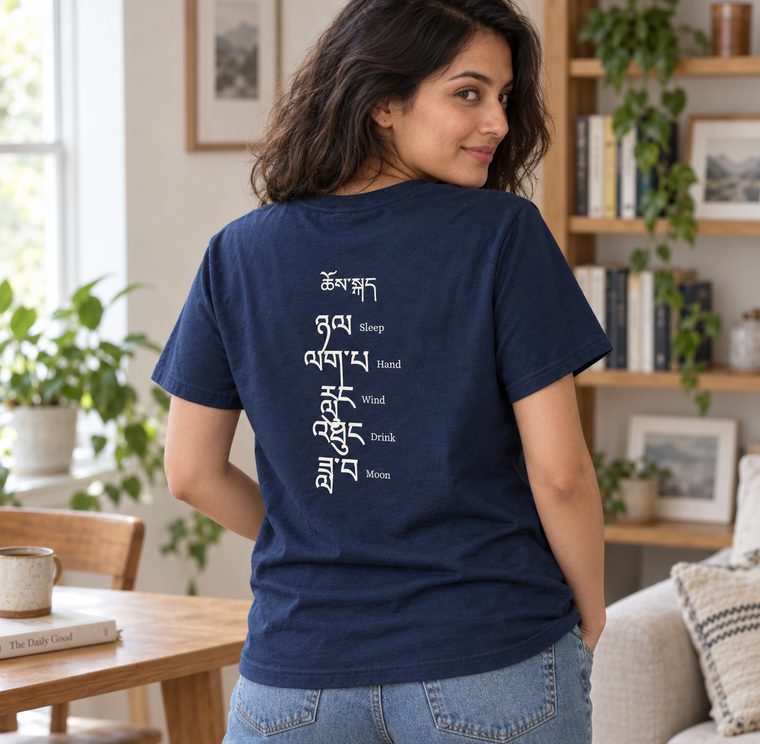
87 core words in Early Modern Korean
Sources
Words compared
Compared with languages in the same classification: Koreanic
| Meaning | Early Modern Korean | Late Middle Korean | Korean | Hamgyong Korean | Jeolla Korean | Yanbian Korean | Busan Korean |
|---|---|---|---|---|---|---|---|
| Water | 믈 /mɯl/ | ·믈 /mɯl/ | 물 /mul/ | 물 /mul/ | 물 /mul/ | 물 /mul/ | 물 /mul/ |
| Fire | 블 /pɯl/ | ·블 /pɯl/ | 불 /pul/ | 불 /pul/ | 불 /pul/ | 불 /pul/ | 불 /pul/ |
| Sun | ᄒᆡ /hʌj/ | ·ᄒᆡ /hʌj/ | 해 /hɛ/ | 해 /hɛ/ | 해 /hɛ/ | 해 /hɛ/ | 해 /hɛ/ |
| Moon | 달 /tal/ | ·ᄃᆞᆯ /tʌl/ | 달 /tal/ | 달 /tal/ | 달 /tal/ | 달 /tal/ | 달 /tal/ |
| Star | 별 /pjəl/ | :별 /pjəl/ | 별 /pjʌl/ | 별 /pjəl/ | 별 /pjəl/ | 별 /pjʌl/ | 별 /pjʌl/ |
| Night | 밤 /pam/ | 밤 /pam/ | 밤 /pam/ | 밤 /pam/ | 밤 /pam/ | 밤 /pam/ | 밤 /pam/ |
| Rain | 비 /pi/ | 비 /pi/ | 비 /pi/ | 비 /pi/ | 비 /pi/ | 비 /pi/ | 비 /pi/ |
| Snow | 눈 /nun/ | 눈 /nun/ | 눈 /nun/ | 눈 /nun/ | 눈 /nun/ | 눈 /nun/ | 눈 /nun/ |
| Wind | 바람 /paɾam/ | ᄇᆞᄅᆞᆷ /pʌɾʌm/ | 바람 /paɾam/ | 바람 /paɾam/ | 바람 /paɾam/ | 바람 /paɾam/ | 바람 /paɾam/ |
| Earth | 홁 /holk/ | ᄒᆞᆰ /hʌlk/ | 흙 /hɯk̚/ | 흙 /hɯk̚/ | 흙 /hɯk̚/ | 흙 /hɯk̚/ | 흙 /hɯk̚/ |
| Stone | 돌 /tol/ | 돓 /tolh/ | 돌 /tol/ | 돌 /tol/ | 돌 /tol/ | 돌 /tol/ | 돌 /tol/ |
| Mountain | 뫼 /moj/ | 뫼 /moj/ | 산 /san/ | 산 /san/ | 산 /san/ | 산 /san/ | 산 /san/ |
| Sea | 바다 /pada/ | 바·ᄅᆞᆯ /paɾʌl/ | 바다 /pada/ | 바다 /pada/ | 바다 /pada/ | 바다 /pada/ | 바다 /pada/ |
| Mother | 어미 /ʌmi/ | ·어미 /ʌmi/ | 어머니 /ʌmʌni/ | 어머이 /ʌmʌi/ | 어매 /ʌmɛ/ | 오마니 /omani/ | 엄마 /ʌmma/ |
| Father | 아비 /abi/ | 아·비 /abi/ | 아버지 /abʌdʑi/ | 아바이 /abai/ | 아베 /abe/ | 아바이 /abai/ | 아부지 /abudʑi/ |
| Daughter | ᄯᆞᆯ /t͈ʌl/ | ·ᄯᆞᆯ /stʌl/ | 딸 /t͈al/ | 딸 /t͈al/ | 딸 /t͈al/ | 딸 /t͈al/ | 딸 /t͈al/ |
| I | 나 /na/ | 나 /na/ | 나 /na/ | 나 /na/ | 나 /na/ | 나 /na/ | 나 /na/ |
| You | 너 /nə/ | 너 /nə/ | 너 /nʌ/ | 너 /nə/ | 너 /nə/ | 너 /nʌ/ | 너 /nʌ/ |
| We | 우리 /uri/ | 우리 /uɾi/ | 우리 /uɾi/ | 우리 /uɾi/ | 우리 /uɾi/ | 우리 /uɾi/ | 우리 /uɾi/ |
| Name | 일홈 /irhom/ | 일·훔 /iɾhum/ | 이름 /iɾɯm/ | 이름 /irɯm/ | 이름 /irɯm/ | 이름 /iɾɯm/ | 이름 /iɾɯm/ |
| Person | 사ᄅᆞᆷ /saɾam/ | 사ᄅᆞᆷ /saɾʌm/ | 사람 /saɾam/ | 사람 /saram/ | 사람 /saram/ | 사람 /saɾam/ | 사람 /saɾam/ |
| Head | 머리 /məɾi/ | 머·리 /məɾi/ | 머리 /mʌɾi/ | 머리 /məri/ | 머리 /məri/ | 머리 /mʌɾi/ | 머리 /mʌɾi/ |
| Eye | 눈 /nun/ | ·눈 /nun/ | 눈 /nun/ | 눈 /nun/ | 눈 /nun/ | 눈 /nun/ | 눈 /nun/ |
| Ear | 귀 /kwi/ | 귀 /kuj/ | 귀 /kɥi/ | 귀 /kɥi/ | 귀 /kɥi/ | 귀 /kɥi/ | 귀 /kɥi/ |
| Nose | 코 /kʰo/ | 고 /koh/ | 코 /kʰo/ | 코 /kʰo/ | 코 /kʰo/ | 코 /kʰo/ | 코 /kʰo/ |
| Mouth | 입 /ip/ | 입 /ip/ | 입 /ip̚/ | 입 /ip̚/ | 입 /ip̚/ | 입 /ip̚/ | 입 /ip̚/ |
| Tooth | 니 /ni/ | 니 /ni/ | 이 /i/ | 이 /i/ | 이 /i/ | 이 /i/ | 이 /i/ |
| Tongue | 혀 /hjə/ | 혀 /hjə/ | 혀 /çʌ/ | 혀 /çʌ/ | 쎄 /s͈e/ | 혀 /çʌ/ | 쎄 /s͈e/ |
| Hand | 손 /son/ | ·손 /son/ | 손 /son/ | 손 /son/ | 손 /son/ | 손 /son/ | 손 /son/ |
| Foot | 발 /pal/ | ·발 /pal/ | 발 /pal/ | 발 /pal/ | 발 /pal/ | 발 /pal/ | 발 /pal/ |
| Heart | 마음 /maɯm/ | ᄆᆞᅀᆞᆷ /mʌzʌm/ | 마음 /maɯm/ | 마음 /maɯm/ | 마음 /maɯm/ | 마음 /maɯm/ | 마음 /maɯm/ |
| Bone | ᄲᅧ /p͈jə/ | ·ᄲᅧ /spjə/ | 뼈 /p͈jʌ/ | 뼈 /p͈jʌ/ | 뻬 /p͈e/ | 뼈 /p͈jʌ/ | 뻬 /p͈e/ |
| Blood | 피 /pʰi/ | ·피 /pʰi/ | 피 /pʰi/ | 피 /pʰi/ | 피 /pʰi/ | 피 /pʰi/ | 피 /pʰi/ |
| Poop | 똥 /t͈oŋ/ | ᄯᅩᇰ /stwoŋ/ | 똥 /t͈oŋ/ | 똥 /t͈oŋ/ | 똥 /t͈oŋ/ | 똥 /t͈oŋ/ | 똥 /t͈oŋ/ |
| Love | ᄉᆞ랑 /saɾaŋ/ | ᄉᆞ랑 /sʌɾaŋ/ | 사랑 /saɾaŋ/ | 사랑 /saɾaŋ/ | 사랑 /saɾaŋ/ | 사랑 /saɾaŋ/ | 사랑 /saɾaŋ/ |
| Tree | 나모 /namo/ | 나모 /namo/ | 나무 /namu/ | 나무 /namu/ | 나무 /namu/ | 나무 /namu/ | 나무 /namu/ |
| Dog | 개 /kɛ/ | 가·히 /kahi/ | 개 /kɛ/ | 개 /kɛ/ | 개 /kɛ/ | 개 /kɛ/ | 개 /kɛ/ |
| Cat | 괴앙이 /kweaŋi/ | :괴 /kwe/ | 고양이 /kojaŋi/ | 고양이 /kojaŋi/ | 고양이 /kojaŋi/ | 고양이 /kojaŋi/ | 고양이 /kojaŋi/ |
| Fish | 믈고기 /mɯlɡoɡi/ | 믌고·기 /mɯlskoɡi/ | 물고기 /mulɡoɡi/ | 물고기 /mulɡoɡi/ | 물괴기 /mulɡweɡi/ | 물고기 /mulɡoɡi/ | 물고기 /mulɡoɡi/ |
| Bird | 새 /sɛ/ | 새 /saj/ | 새 /sɛ/ | 새 /sɛ/ | 새 /sɛ/ | 새 /sɛ/ | 새 /sɛ/ |
| Egg | 알 /al/ | 알 /al/ | 달걀 /talɡjal/ | 달걀 /talɡjal/ | 달걀 /talɡjal/ | 닭알 /talɡal/ | 달걀 /talɡjal/ |
| Bear | 곰 /kom/ | :곰 /kom/ | 곰 /kom/ | 곰 /kom/ | 곰 /kom/ | 곰 /kom/ | 곰 /kom/ |
| Horse | ᄆᆞᆯ /mal/ | ᄆᆞᆯ /mʌl/ | 말 /mal/ | 말 /mal/ | 말 /mal/ | 말 /mal/ | 말 /mal/ |
| House | 집 /tɕip/ | 집 /tɕip/ | 집 /tɕip̚/ | 집 /tɕip̚/ | 집 /tɕip̚/ | 집 /tɕip̚/ | 집 /tɕip̚/ |
| Milk | 졋 /tɕjət/ | ·졎 /tsjət̚/ | 우유 /uju/ | 우유 /uju/ | 우유 /uju/ | 우유 /uju/ | 우유 /uju/ |
| Honey | ᄭᅮᆯ /k͈ul/ | ·ᄢᅮᆯ /pskul/ | 꿀 /k͈ul/ | 꿀 /k͈ul/ | 꿀 /k͈ul/ | 꿀 /k͈ul/ | 꿀 /k͈ul/ |
| Salt | 소곰 /soɡom/ | 소곰 /sokom/ | 소금 /soɡɯm/ | 소금 /soɡɯm/ | 소금 /soɡɯm/ | 소금 /soɡɯm/ | 소금 /soɡɯm/ |
| Iron | 쇠 /swe/ | ·쇠 /soj/ | 철 /tɕʰʌl/ | 철 /tɕʰʌl/ | 철 /tɕʰʌl/ | 철 /tɕʰʌl/ | 철 /tɕʰʌl/ |
| Wheel | 바회 /pahwe/ | 바·회 /pahoj/ | 바퀴 /pakʰwi/ | 바퀴 /pakʰwi/ | 바퀴 /pakʰwi/ | 바퀴 /pakʰwi/ | 바퀴 /pakʰwi/ |
| Silk | 비단 /pidan/ | :깁 /kip/ | 비단 /pidan/ | 비단 /pidan/ | 비단 /pidan/ | 비단 /pidan/ | 비단 /pidan/ |
| Book | ᄎᆡᆨ /tɕʰɛk/ | ᄎᆡᆨ /tsʰʌjk/ | 책 /tɕʰɛk̚/ | 책 /tɕʰɛk̚/ | 책 /tɕʰɛk̚/ | 책 /tɕʰɛk̚/ | 책 /tɕʰɛk̚/ |
| Eat | 먹다 /mʌk̚t͈a/ | 먹·다 /mʌk̚ta/ | 먹다 /mʌk̚t͈a/ | 먹어 /mʌɡʌ/ | 묵어 /muɡʌ/ | 먹어 /mʌɡʌ/ | 묵어 /muɡʌ/ |
| Drink | 마시다 /maɕida/ | 마·시·다 /maɕita/ | 마시다 /maɕida/ | 마셔 /maɕjʌ/ | 마셔 /maɕjʌ/ | 마셔 /maɕjʌ/ | 마셔 /maɕjʌ/ |
| Sleep | 자다 /tɕada/ | 자·다 /tɕata/ | 자다 /tɕada/ | 자다 /tɕada/ | 자다 /tɕada/ | 자다 /tɕada/ | 자다 /tɕada/ |
| One | 하나 /hana/ | ᄒᆞ낳 /hʌna/ | 하나 /hana/ | 한나 /hanːa/ | 하나 /hana/ | 하나 /hana/ | 하나 /hana/ |
| Two | 둘 /tul/ | :둟 /tulh/ | 둘 /tul/ | 둘 /tul/ | 둘 /tul/ | 둘 /tul/ | 둘 /tul/ |
| Three | 세 /sej/ | :셓 /səjh/ | 셋 /set̚/ | 셋 /set̚/ | 싯 /sit̚/ | 셋 /set̚/ | 셋 /set̚/ |
| Four | 네 /nej/ | :넿 /nəjh/ | 넷 /net̚/ | 넷 /net̚/ | 넷 /net̚/ | 넷 /net̚/ | 넷 /net̚/ |
| Five | 다슷 /tasɯt/ | 다ᄉᆞᆺ /tasʌs/ | 다섯 /tasʌt̚/ | 다섯 /tasʌt̚/ | 다섯 /tasʌt̚/ | 다섯 /tasʌt̚/ | 다섯 /tasʌt̚/ |
| Hundred | ᄇᆡᆨ /pɛk/ | 온 /on/ | 백 /pɛk̚/ | 백 /pɛk̚/ | 백 /pɛk̚/ | 백 /pɛk̚/ | 백 /pɛk̚/ |
| Hello | 안녕하시오 /annjʌŋhaɕio/ | 안녕ᄒᆞ쇼셔 /annjʌŋ hʌsjosjʌ/ | 안녕하세요 /annjʌŋhasejo/ | 안녕하시꼬마 /annjʌŋhaɕik͈oma/ | 안녕하쇼 /annjʌŋhaɕjo/ | 안녕하십니까 /annjʌŋhaɕimnik͈a/ | 안녕하이소 /annjʌŋhaiso/ |
| Thank you | 고맙소이다 /komapsoida/ | 고맙ᄉᆞᆸ나이다 /komapsʌpnaita/ | 고맙습니다 /komap̚s͈ɯmnida/ | 고맙소 /komap̚s͈o/ | 고맙소 /komap̚s͈o/ | 고맙습니다 /komap̚s͈ɯmnida/ | 고맙습니다 /komap̚s͈ɯmnida/ |
| Good | 됴타 /tjotʰa/ | :됴·타 /tjotʰa/ | 좋다 /tɕotʰa/ | 좋아 /tɕoa/ | 좋어 /tɕoʌ/ | 좋아 /tɕoa/ | 좋아 /tɕoa/ |
| Red | 붉다 /pulkta/ | 븕·다 /pɨlkta/ | 빨갛다 /p͈alɡatʰa/ | 빨갛다 /p͈alɡatʰa/ | 뻘겋다 /p͈ʌlɡʌtʰa/ | 빨갛다 /p͈alɡatʰa/ | 빨갛다 /p͈alɡatʰa/ |
| White | 희다 /hɯjda/ | ᄒᆡ다 /hʌjta/ | 하얗다 /hajatʰa/ | 하얀 /hajan/ | 하얀 /hajan/ | 하얀 /hajan/ | 하얀 /hajan/ |
| Black | 검다 /kəmta/ | 검다 /kəmta/ | 까맣다 /k͈amatʰa/ | 까맣다 /k͈amatʰa/ | 까맣다 /k͈amatʰa/ | 까맣다 /k͈amatʰa/ | 까맣다 /k͈amatʰa/ |
| Green | 푸르다 /puɾɯda/ | 프르다 /pʰɨɾɨda/ | 초록 /tɕʰoɾok̚/ | 초록 /tɕʰorok̚/ | 초록 /tɕʰorok̚/ | 초록 /tɕʰoɾok̚/ | 초록 /tɕʰoɾok̚/ |
| Cuckoo | 뻐꾹새 /p͈ʌk͈uk̚s͈ɛ/ | 버국새 /pəkuk̚saj/ | 뻐꾸기 /p͈ʌk͈uɡi/ | — | — | 뻐꿍기 /p͈ʌk͈uŋɡi/ | 부꾹새 /puk͈uk̚s͈ɛ/ |
| Computer | 주판 /tɕupʰan/ | — | 컴퓨터 /kʰʌmpʰjutʰʌ/ | 콤퓨터 /kʰompʰjutʰʌ/ | 컴퓨터 /kʰəmpʰjutʰə/ | 콤퓨터 /kʰompʰjutʰʌ/ | 컴퓨터 /kʰʌmpʰjutʰʌ/ |
| Sushi | 식해 /ɕikʰɛ/ | 젓 /tsʌs/ | 초밥 /tɕʰobap̚/ | 초밥 /tɕʰobap̚/ | 초밥 /tɕʰobap̚/ | — | 초밥 /tɕʰobap̚/ |
| Ninety-nine | 아흔아홉 /ahɯnahop/ | 아ᄒᆞᆫ아홉 /ahʌnahop/ | 아흔아홉 /ahɯnahop̚/ | 아흔아홉 /ahɯnahop̚/ | 아흔아홉 /ahɯnahop̚/ | 아흔아홉 /ahɯnahop̚/ | 아흔아홉 /ahɯnahop̚/ |
Word order compared
Compare with major world languages
Compare with languages in the same classification
Open the interactive map: Word Map · HanMap · Name Map · Word Order · Tree
Part of LangMap — a linguistic visualization project. This is a static, crawlable summary; the interactive maps offer pronunciation audio, filters, and a globe view.
Made by Heuron Inc. · GitHub · cho@heuron.com · LangMap home