後期中世韓國語
Late Middle Korean
Koreanic
Late Middle Korean (후기 중세국어) is Korean of the 15th and 16th centuries, the first stage written in Hangul. It became fully attested when King Sejong created Hangul in 1443, codified in the Hunminjeongeum (1446); the earliest extended Hangul text is the Yongbieocheonga (1447). It differs from Modern Korean in a phonemic pitch accent marked with side dots (later lost), the vowel ㆍ (arae-a), and consonant clusters such as ᄠ and ᄡ. The earlier, pre-Hangul stage of the Goryeo period is shown separately as Goryeo Korean.
Where it was spoken
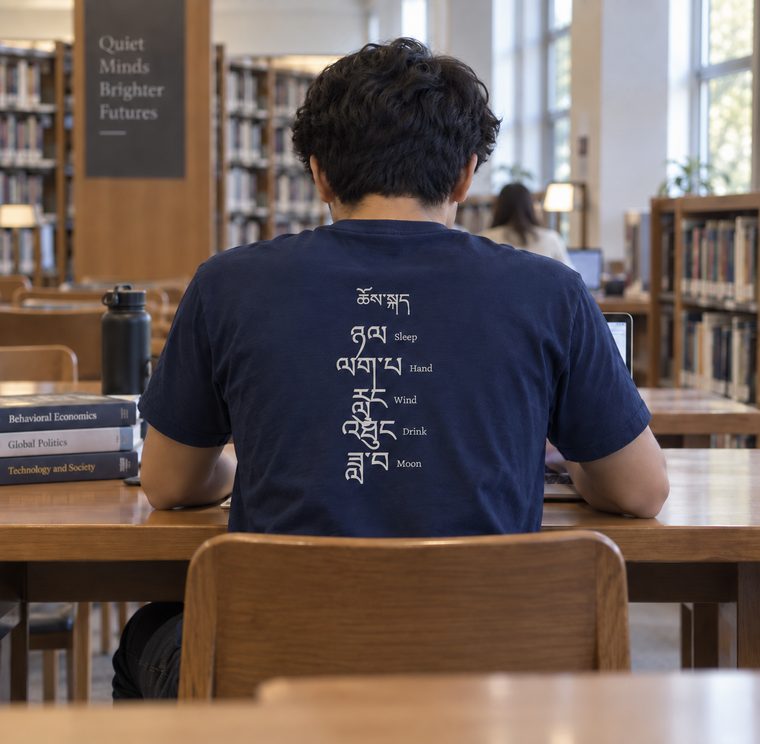
👕 The words of this language can also go on a T-shirt (below)
116 core words in Late Middle Korean
Sources
Words compared
Compared with languages in the same classification: Koreanic
| Meaning | Late Middle Korean | Early Modern Korean | Old Korean | Goryeo Korean | Jeju | Jeolla Korean | Busan Korean |
|---|---|---|---|---|---|---|---|
| Water | ·믈 /mɨl/ | 믈 /mɯl/ | 勿 /*muɾ/ | 沒 /*mwol/ | 물 /mul/ | 물 /mul/ | 물 /mul/ |
| Fire | ·블 /pɨl/ | 블 /pɯl/ | 弗 /*puɾ/ | 孛 /*pwol/ | 불 /pul/ | 불 /pul/ | 불 /pul/ |
| Sun | ·ᄒᆡ /hʌj/ | ᄒᆡ /hɛ/ | 日 /*hai/ | 契 /*hʌi/ | 헤 /he/ | 해 /hɛ/ | 해 /hɛ/ |
| Moon | ·ᄃᆞᆯ /tʌl/ | 달 /tal/ | 月羅理 /*tʌɾaɾi/ | 妲 /*tʌl/ | ᄃᆞᆯ /tʌl/ | 달 /tal/ | 달 /tal/ |
| Star | :별 /pjəl/ | 별 /pjəl/ | 星利 /*pjəli/ | — | 벨 /pel/ | 별 /pjəl/ | 별 /pjʌl/ |
| Rain | 비 /pi/ | 비 /pi/ | — | 霏微 /*piβi/ | 비 /pi/ | 비 /pi/ | 비 /pi/ |
| Rainbow | ·므지·게 /mɨtsikəj/ | 무지게 /mudʑiɡe/ | — | — | 황고지 /hwaŋɡodʑi/ | — | — |
| Thunder | ·울에 /ulɦəj/ | 텬동 /tʰjəndoŋ/ | — | 天動 /*tʰjəntoŋ/ | — | — | — |
| Snow | 눈 /nun/ | 눈 /nun/ | — | 嫩 /*nwun/ | 눈 /nun/ | 눈 /nun/ | 눈 /nun/ |
| Wind | ᄇᆞᄅᆞᆷ /pʌɾʌm/ | 바람 /paɾam/ | — | 孛纜 /*pʌɾʌm/ | ᄇᆞ름 /pʌɾɯm/ | 바람 /paɾam/ | 바람 /paɾam/ |
| Earth | ᄒᆞᆰ /hʌlk/ | ᄒᆞᆰ /hɯlk/ | — | 轄希 /*holki/ | 흑 /hɯk̚/ | 흙 /hɯk̚/ | 흙 /hɯk̚/ |
| Stone | 돓 /tolh/ | 돌 /tol/ | — | 突 /*twol/ | 돌 /tol/ | 돌 /tol/ | 돌 /tol/ |
| Mountain | 뫼 /moj/ | 뫼 /moj/ | — | 每 /*mwoi/ | 산 /san/ | 산 /san/ | 산 /san/ |
| Sea | 바·ᄅᆞᆯ /paɾʌl/ | 바다 /pada/ | 海等 /*patʌl/ | — | 바당 /padaŋ/ | 바다 /pada/ | 바다 /pada/ |
| Island | :셤 /sjəm/ | 셤 /sjəm/ | — | — | 섬 /sʌm/ | 섬 /səːm/ | 섬 /sʌːm/ |
| Night | 밤 /pam/ | 밤 /pam/ | 夜音 /*pam/ | — | 밤 /pam/ | 밤 /pam/ | 밤 /pam/ |
| Yesterday | 어·제 /ətsəj/ | 어제 /ədʑe/ | — | — | — | 어제 /ədʑe/ | 어제 /ʌdʑe/ |
| Tomorrow | ᄂᆡ·ᅀᅵᆯ /nʌjzil/ | 명일 /mjəŋil/ | — | 轄載 /*holtsə/ | 닐 /nil/ | — | 내일 /nɛil/ |
| Week | 닐·웨 /nilɦwəj/ | 닐헤 /nilhe/ | — | — | — | 주 /tɕu/ | 주 /tɕu/ |
| I | 나 /na/ | 나 /na/ | 吾 /*na/ | 能 /*na/ | 나 /na/ | 나 /na/ | 나 /na/ |
| You | 너 /nə/ | 너 /nə/ | 汝 /*nə/ | 你 /*nə/ | 느 /nɯ/ | 너 /nə/ | 너 /nʌ/ |
| We | 우리 /uɾi/ | 우리 /uɾi/ | 吾里 /*uli/ | — | 우리 /uɾi/ | 우리 /uɾi/ | 우리 /uɾi/ |
| Person | 사ᄅᆞᆷ /saɾʌm/ | 사ᄅᆞᆷ /saɾam/ | 人音 /*saɾʌm/ | — | 사름 /saɾɯm/ | 사람 /saɾam/ | 사람 /saɾam/ |
| Mother | ·어미 /əmi/ | 어미 /əmi/ | 母史 /*əzi/ | 丫彌 /*ami/ | 어멍 /ʌmʌŋ/ | 어매 /əmɛ/ | 엄마 /ʌmma/ |
| Father | 아·비 /api/ | 아비 /abi/ | 父 /*api/ | 丫秘 /*api/ | 아방 /abaŋ/ | 아부지 /abudʑi/ | 아부지 /abudʑi/ |
| Grandmother | ·할미 /halmi/ | 할머니 /halməni/ | — | — | 할망 /halmaŋ/ | 할매 /halmɛ/ | 할매 /halmɛ/ |
| Older brother | 혀ᇰ /hjəŋ/ | 형 /hjəŋ/ | — | — | 성 /sʌŋ/ | 성 /səŋ/ | 형 /çʌŋ/ |
| Daughter | ·ᄯᆞᆯ /stʌl/ | ᄯᆞᆯ /t͈al/ | — | 寶妲 /*pʌtʌl/ | ᄄᆞᆯ /t͈ʌl/ | 딸 /t͈al/ | 딸 /t͈al/ |
| Husband | 남진 /namtsin/ | 남편 /nampʰjən/ | — | — | 냄편 /nɛmpʰjʌn/ | 남편 /nampʰjən/ | 남편 /nampʰjʌn/ |
| Wife | :겨집 /kjətsip/ | 안ᄒᆡ /anhɛ/ | — | — | 각시 /kak̚ɕ͈i/ | 아내 /anɛ/ | 아내 /anɛ/ |
| Name | 일·훔 /ilhum/ | 일홈 /irhom/ | — | — | 일흠 /iɾhɯm/ | 이름 /iɾɯm/ | 이름 /iɾɯm/ |
| Language | :말 /mal/ | 말 /mal/ | — | — | 말 /mal/ | 언어 /ənə/ | 언어 /ʌnʌ/ |
| King | :님·금 /nimkɨm/ | 님금 /nimɡɯm/ | — | — | 님금 /nimɡɯm/ | 왕 /waŋ/ | 왕 /waŋ/ |
| Head | 머·리 /məɾi/ | 머리 /məɾi/ | — | 麻帝 /*mati/ | 대강이 /tɛɡaŋi/ | 머리 /məɾi/ | 머리 /mʌɾi/ |
| Eye | ·눈 /nun/ | 눈 /nun/ | 目 /*nun/ | 嫩 /*nwun/ | 눈 /nun/ | 눈 /nun/ | 눈 /nun/ |
| Ear | 귀 /kuj/ | 귀 /kwi/ | — | 愧 /*kuj/ | 귀 /kɥi/ | 귀 /kɥi/ | 귀 /kɥi/ |
| Nose | ·곻 /koh/ | 코 /kʰo/ | — | — | 코 /kʰo/ | 코 /kʰo/ | 코 /kʰo/ |
| Mouth | 입 /ip/ | 입 /ip/ | — | 邑 /*ip/ | 굴레 /kulle/ | 입 /ip̚/ | 입 /ip̚/ |
| Tooth | 니 /ni/ | 니 /ni/ | — | 你 /*ni/ | 늬 /nɰi/ | 이 /i/ | 이 /i/ |
| Tongue | 혀 /hjə/ | 혀 /hjə/ | — | 蝎 /*hjəl/ | 세 /se/ | 쎄 /s͈e/ | 쎄 /s͈e/ |
| Hand | ·손 /son/ | 손 /son/ | 孫 /*son/ | 遜 /*swon/ | 손 /son/ | 손 /son/ | 손 /son/ |
| Thumb | 엄·지 /əmtsi/ | — | — | — | — | — | — |
| Right (side) | 올ᄒᆞᆫ /olhʌn/ | 올흔편 /olhɯnpʰjən/ | — | — | 오른펜 /oɾɯnpʰen/ | 오른쪽 /oɾɯntɕ͈ok̚/ | 오른쪽 /oɾɯntɕ͈ok̚/ |
| Left (side) | 왼 /ojn/ | 왼 /wen/ | — | — | — | 왼쪽 /wentɕ͈ok̚/ | 왼쪽 /wentɕ͈ok̚/ |
| Foot | ·발 /pal/ | 발 /pal/ | — | 潑 /*pal/ | 발 /pal/ | 발 /pal/ | 발 /pal/ |
| Heart | ᄆᆞᅀᆞᆷ /mʌzʌm/ | 마음 /maɯm/ | 心音 /*mʌsʌm/ | — | ᄆᆞ슴 /mʌsɯm/ | 마음 /maɯm/ | 마음 /maɯm/ |
| Bone | ·ᄲᅧ /spjə/ | ᄲᅧ /p͈jə/ | — | — | 꽝 /k͈waŋ/ | 뻬 /p͈e/ | 뻬 /p͈e/ |
| Blood | ·피 /pʰi/ | 피 /pʰi/ | — | — | 피 /pʰi/ | 피 /pʰi/ | 피 /pʰi/ |
| Tear | ·누ᇈ·믈 /nunzmɨl/ | 눈물 /nunmul/ | — | — | — | 눈물 /nunmul/ | 눈물 /nunmul/ |
| Goosebumps | 소·홈 /sohom/ | 소오롬 /sooɾom/ | — | — | 소름 /soɾɯm/ | — | — |
| Poop | ᄯᅩᇰ /stoŋ/ | 똥 /t͈oŋ/ | — | — | 똥 /t͈oŋ/ | 똥 /t͈oŋ/ | 똥 /t͈oŋ/ |
| Fart | :바ᇰ·긔 /paŋkɨj/ | — | — | — | — | — | — |
| Love | ᄉᆞ랑 /sʌɾaŋ/ | ᄉᆞ랑 /saɾaŋ/ | 思良 /*sjaɾaŋ/ | — | ᄉᆞ랑 /sʌɾaŋ/ | 사랑 /saɾaŋ/ | 사랑 /saɾaŋ/ |
| Tree | 나모 /namo/ | 나모 /namo/ | 那木 /*namok/ | 南記 /*namki/ | 낭 /naŋ/ | 나무 /namu/ | 나무 /namu/ |
| Dog | 가·히 /kahi/ | 개 /kɛ/ | 犬伊 /*kahi/ | 家稀 /*kahi/ | 개 /kɛ/ | 개 /kɛ/ | 개 /kɛ/ |
| Cat | :괴 /koj/ | 괴앙이 /kweaŋi/ | — | 鬼尼 /*kwoni/ | 고냉이 /konɛŋi/ | 고양이 /kojaŋi/ | 고양이 /kojaŋi/ |
| Horse | ᄆᆞᆯ /mʌl/ | ᄆᆞᆯ /mal/ | — | 末 /*mʌl/ | ᄆᆞᆯ /mʌl/ | 말 /mal/ | 말 /mal/ |
| Bear | :곰 /kom/ | 곰 /kom/ | — | — | — | 곰 /kom/ | 곰 /kom/ |
| Lion | ᄉᆞᄌᆞ /sʌtsʌ/ | ᄉᆞᄌᆞ /sadʑa/ | — | — | — | 사자 /sadʑa/ | 사자 /sadʑa/ |
| Camel | :약·대 /jaktaj/ | 약ᄃᆡ /jakt͈ɛ/ | — | — | — | 낙타 /naktʰa/ | 낙타 /naktʰa/ |
| Elephant | ·고키·리 /kokʰiɾi/ | 코기리 /kʰoɡiɾi/ | — | — | 코끼리 /kʰok͈iɾi/ | 코끼리 /kʰok͈iɾi/ | 코끼리 /kʰok͈iɾi/ |
| Monkey | 납 /nap/ | 잔나비 /tɕannabi/ | — | — | 원셍이 /wʌnseŋi/ | 원숭이 /wənsuŋi/ | 원숭이 /wʌnsuŋi/ |
| Snake | ᄇᆡ얌 /pʌjjam/ | ᄇᆡ암 /pɛam/ | — | — | 베염 /pejʌm/ | 뱀 /pɛːm/ | 뱀 /pɛːm/ |
| Dragon | 미르 /miɾɨ/ | 룡 /ɾjoŋ/ | — | — | 미리 /miɾi/ | 용 /joŋ/ | 용 /joŋ/ |
| Spider | 거·믜 /kəmɨj/ | 거믜 /kəmɯj/ | — | — | 거여미 /kʌjʌmi/ | 거미 /kəmi/ | 거미 /kʌmi/ |
| Bat | :ᄇᆞᆰ·쥐 /pʌlktsuj/ | 박쥐 /pakt͈ɕwi/ | — | — | ᄃᆞ람지 /tɒɾamdʑi/ | — | — |
| Bird | 새 /saj/ | 새 /sɛ/ | — | 賽 /*sai/ | 생이 /sɛŋi/ | 새 /sɛ/ | 새 /sɛ/ |
| Cuckoo | 버국새 /pəkuksaj/ | 뻐꾹새 /p͈ək͈uk̚s͈ɛ/ | — | — | 버꿍새 /pʌk͈uŋsɛ/ | — | 부꾹새 /puk͈uk̚s͈ɛ/ |
| Egg | 알 /al/ | 알 /al/ | — | — | 독새기 /toksɛɡi/ | 달걀 /talɡjal/ | 달걀 /talɡjal/ |
| Butterfly | 나·ᄇᆡ /napʌj/ | 나뷔 /nabwi/ | — | — | 나비 /nabi/ | 나비 /nabi/ | 나비 /nabi/ |
| Dragonfly | ᄌᆞᆫ·자리 /tsʌntsaɾi/ | 자마리 /tɕamaɾi/ | — | — | 밥주리 /pap̚t͈ɕuɾi/ | 자마리 /tɕamaɾi/ | 잠자리 /tɕamdʑaɾi/ |
| Louse | ·니 /ni/ | — | — | — | — | — | — |
| Fish | 믌고·기 /mɨlskoki/ | 믈고기 /mɯlɡoɡi/ | — | 姑記 /*kwoki/ | 물궤기 /mulɡweɡi/ | 물괴기 /mulɡweɡi/ | 물고기 /mulɡoɡi/ |
| Whale | 고래 /koɾaj/ | 고래 /koɾɛ/ | — | — | 고레사니 /koɾesani/ | 고래 /koɾɛ/ | 고래 /koɾɛ/ |
| House | 집 /tsip/ | 집 /tɕip/ | 執 /*tɕip/ | 集 /*tɕip/ | 집 /tɕip̚/ | 집 /tɕip̚/ | 집 /tɕip̚/ |
| Mirror | 거·우루 /kəuɾu/ | 거울 /kəul/ | — | — | — | 거울 /kəul/ | 거울 /kʌul/ |
| Rice | ᄡᆞᆯ /psʌl/ | 쌀 /s͈al/ | — | 菩薩 /*pʌsʌl/ | ᄊᆞᆯ /s͈ʌl/ | 쌀 /s͈al/ | 쌀 /s͈al/ |
| Bread | ·ᄯᅥᆨ /stək/ | ᄯᅥᆨ /t͈ək/ | — | — | — | 빵 /p͈aŋ/ | 빵 /p͈aŋ/ |
| Milk | ·졎 /tsjəts/ | 졋 /tɕjət/ | — | — | 우유 /uju/ | 우유 /uju/ | 우유 /uju/ |
| Honey | ·ᄢᅮᆯ /pskul/ | ᄭᅮᆯ /k͈ul/ | — | — | 꿀 /k͈ul/ | 꿀 /k͈ul/ | 꿀 /k͈ul/ |
| Salt | 소곰 /sokom/ | 소곰 /soɡom/ | — | 蘇甘 /*swokwom/ | 소금 /soɡɯm/ | 소금 /soɡɯm/ | 소금 /soɡɯm/ |
| Chili pepper | 고·쵸 /kotsʰjo/ | 고쵸 /kotɕʰjo/ | — | — | 고초 /kotɕʰo/ | 고추 /kotɕʰu/ | 고추 /kotɕʰu/ |
| Orange | ·귤 /kjul/ | 유ᄌᆞ /judʑa/ | — | — | 오렌지 /oɾendʑi/ | 오렌지 /oɾendʑi/ | 오렌지 /oɾendʑi/ |
| Sushi | 젓 /tsəs/ | 식해 /ɕikʰɛ/ | — | — | 초밥 /tɕʰobap̚/ | 초밥 /tɕʰobap̚/ | 초밥 /tɕʰobap̚/ |
| Wine | 수을 /suɨl/ | 수울 /suul/ | — | 酥孛 /*supɨl/ | 포도주 /pʰododʑu/ | 포도주 /pʰododʑu/ | 포도주 /pʰododʑu/ |
| Iron | ·쇠 /soj/ | 쇠 /swe/ | 薩 /*so/ | 歲 /*swoi/ | 쒜 /s͈we/ | 철 /tɕʰəl/ | 철 /tɕʰʌl/ |
| Gold | 금 /kɨm/ | 금 /kɯm/ | — | — | 금 /kɯm/ | 금 /kɯm/ | 금 /kɯm/ |
| Silk | :깁 /kip/ | 비단 /pidan/ | — | 及 /*kip/ | — | 비단 /pidan/ | 비단 /pidan/ |
| Cotton | 소옴 /soom/ | 솜 /som/ | — | — | 멘헤 /menhe/ | 목화 /mokʰwa/ | 목화 /mokʰwa/ |
| Money | :돈 /ton/ | 돈 /ton/ | — | — | 돈 /ton/ | 돈 /ton/ | 돈 /ton/ |
| Paper | 죠·ᄒᆡ /tsjohʌj/ | 됴희 /tjohɯj/ | — | — | 종이 /tɕoŋi/ | 종이 /tɕoŋi/ | 종이 /tɕoŋi/ |
| Book | ᄎᆡᆨ /tsʰʌjk/ | ᄎᆡᆨ /tɕʰɛk/ | — | — | 첵 /tɕʰek̚/ | 책 /tɕʰɛk̚/ | 책 /tɕʰɛk̚/ |
| Wheel | 바·회 /pahoj/ | 바회 /pahwe/ | — | — | — | 바퀴 /pakʰwi/ | 바퀴 /pakʰwi/ |
| Eat | 먹·다 /məkta/ | 먹다 /mək̚t͈a/ | 食 /*məkta/ | — | 먹다 /mʌk̚t͈a/ | 묵어 /muɡə/ | 묵어 /muɡʌ/ |
| Drink | 마·시·다 /maɕita/ | 마시다 /maɕida/ | 飲 /*maɕita/ | 麻蛇 /*masi/ | 마시다 /maɕida/ | 마셔 /maɕjə/ | 마셔 /maɕjʌ/ |
| Sleep | 자·다 /tsata/ | 자다 /tɕada/ | — | — | 자다 /tɕada/ | 자다 /tɕada/ | 자다 /tɕada/ |
| One | ᄒᆞ낳 /hʌnah/ | 하나 /hana/ | 一等 /*hʌtʌn/ | 河屯 /*hatwun/ | ᄒᆞ나 /hʌna/ | 하나 /hana/ | 하나 /hana/ |
| Two | :둟 /tulh/ | 둘 /tul/ | 二肹 /*tubɨɾ/ | 途孛 /*twubʌr/ | 둘 /tul/ | 둘 /tul/ | 둘 /tul/ |
| Three | :셓 /səjh/ | 세 /sej/ | — | 洒 /*sai/ | 싯 /ɕit̚/ | 싯 /ɕit̚/ | 셋 /set̚/ |
| Four | :넿 /nəjh/ | 네 /nej/ | — | 迺 /*nəi/ | 늿 /nit̚/ | 넷 /net̚/ | 넷 /net̚/ |
| Five | 다ᄉᆞᆺ /tasʌs/ | 다슷 /tasɯt/ | — | 打戌 /*tasʌs/ | 다ᄉᆞᆺ /tasʌt̚/ | 다섯 /tasət̚/ | 다섯 /tasʌt̚/ |
| Twenty | 스믏 /sɨmɨlh/ | 스물 /sɯmul/ | — | — | 시믈 /ɕimɯl/ | 스물 /sɯmul/ | 스물 /sɯmul/ |
| Hundred | 온 /on/ | ᄇᆡᆨ /pɛk/ | 百隱 /*on/ | 醞 /*on/ | 벡 /pek̚/ | 백 /pɛk̚/ | 백 /pɛk̚/ |
| Thousand | 즈믄 /tsɨmɨn/ | 천 /tɕʰən/ | 千隱 /*tɕɨmɨn/ | — | — | 천 /tɕʰən/ | 천 /tɕʰʌn/ |
| Ninety-nine | 아ᄒᆞᆫ아홉 /ahʌnahop/ | 아흔아홉 /ahɯnahop/ | — | 鴉訓鴉好 /*ahʌn ahop/ | — | 아흔아홉 /ahɯnahop̚/ | 아흔아홉 /ahɯnahop̚/ |
| Hello | 안녕ᄒᆞ쇼셔 /annjəŋ hʌsjosjə/ | 안녕하시오 /annjəŋhaɕio/ | — | — | 혼저옵서예 /hondʑʌop̚s͈ʌje/ | 안녕하쇼 /annjəŋhaɕjo/ | 안녕하이소 /annjʌŋhaiso/ |
| Thank you | 고맙ᄉᆞᆸ나이다 /komapsʌpnaita/ | 고맙소이다 /komapsoida/ | — | — | 고맙수다 /komap̚s͈uda/ | 고맙소 /komap̚s͈o/ | 고맙습니다 /komap̚s͈ɯmnida/ |
| Good | :됴·타 /tjotʰa/ | 됴타 /tjotʰa/ | 好 /*tjoh/ | 朝勳 /*tjohɨn/ | 좋다 /tɕotʰa/ | 좋어 /tɕoə/ | 좋아 /tɕoa/ |
| New | ·새 /saj/ | 새 /sɛ/ | — | — | 세 /se/ | 새로운 /sɛɾoun/ | 새로운 /sɛɾoun/ |
| Black | 검다 /kəmta/ | 검다 /kəmta/ | — | 軻門 /*kəmɨn/ | 꺼멍ᄒᆞ다 /k͈ʌmʌŋhʌda/ | 까맣다 /k͈amatʰa/ | 까맣다 /k͈amatʰa/ |
| White | ᄒᆡ다 /hʌjta/ | 희다 /hɯjda/ | — | 漢 /*hʌin/ | 허영ᄒᆞ다 /hʌjʌŋhʌda/ | 하얀 /hajan/ | 하얀 /hajan/ |
| Red | 븕·다 /pɨlkta/ | 붉다 /pulkta/ | — | — | 뻘겅ᄒᆞ다 /p͈ʌlɡʌŋhʌda/ | 뻘겋다 /p͈əlɡətʰa/ | 빨갛다 /p͈alɡatʰa/ |
| Yellow | 누·르·다 /nuɾɨta/ | 누르다 /nuɾɯda/ | — | — | 노랑ᄒᆞ다 /noɾaŋhʌda/ | 노랗다 /noɾatʰa/ | 노랗다 /noɾatʰa/ |
| Green | 프르다 /pʰɨɾɨta/ | 푸르다 /pʰuɾɯda/ | — | — | — | 초록 /tɕʰoɾok̚/ | 초록 /tɕʰoɾok̚/ |
| Blue | 프르다 /pʰɨɾɨta/ | 푸르다 /pʰuɾɯda/ | — | — | 퍼렁ᄒᆞ다 /pʰʌɾʌŋhʌda/ | 파랗다 /pʰaɾatʰa/ | 파랗다 /pʰaɾatʰa/ |
| China | 듀ᇰ·국 /tjuŋkuk/ | 청국 /tɕʰəŋɡuk/ | — | — | 대국 /tɛɡuk̚/ | 중국 /tɕuŋɡuk̚/ | 중국 /tɕuŋɡuk̚/ |
Word order compared
Compare with major world languages
Compare with languages in the same classification
Han readings compared
Compared with languages in the same classification: Koreanic
| Character | Middle Korean | North Korean | Korean | Korean Hanja-hun | Proto-Koreanic |
|---|---|---|---|---|---|
| 一 | ·qilq /ʔilʔ˥/ | il /il/ | il /il/ | han /han/ | *hʌtan /*hʌtan/ |
| 二 | ·zi /zi˥/ | i /i/ | i /i/ | du /tu/ | *tupɨr /*tupɨɾ/ |
| 三 | sam /sam˩/ | sam /sam/ | sam /sam/ | se /se/ | *seki /*seki/ |
| 四 | ·sʌ /sʌ˥/ | sa /sa/ | sa /sa/ | ne /nɛ/ | *neki /*neki/ |
| 五 | :ngwo /ŋo˩˥/ | o /o/ | o /o/ | daseot /tasʌt̚/ | *tasəs /*tasəs/ |
| 六 | ·lyuk /ljuk̚˥/ | ryuk /ɾjuk̚/ | yuk /juk̚/ | yeoseot /jʌsʌt̚/ | *jəsəs /*jəsəs/ |
| 七 | ·chilq /tsʰilʔ˥/ | ch'il /tsʰil/ | chil /tɕʰil/ | ilgop /ilɡop̚/ | *nirkup /*niɾkup/ |
| 八 | ·palq /palʔ˥/ | p'al /pʰal/ | pal /pʰal/ | yeodeol /jʌdʌl/ | *jətərp /*jətəɾp/ |
| 九 | :kwuw /kuw˩˥/ | ku /ku/ | gu /ku/ | ahop /ahop̚/ | *ahop /*ahop/ |
| 十 | ·ssip /s͈ip̚˥/ | sip /sip̚/ | sip /ɕip̚/ | yeol /jʌl/ | *jer /*jeɾ/ |
| 百 | ·poyk /pʌjk̚˥/ | paek /pɛk̚/ | baek /pɛk̚/ | ilbaek /ilbɛk̚/ | — |
| 千 | chyen /tsʰjən˩/ | ch'ŏn /tsʰʌn/ | cheon /tɕʰʌn/ | ilcheon /iltɕʰʌn/ | — |
| 萬 | ·men /mən˥/ | man /man/ | man /man/ | ilman /ilman/ | — |
| 天 | thyen /tʰjən˩/ | ch'ŏn /tsʰʌn/ | cheon /tɕʰʌn/ | haneul /hanɯl/ | *hanʌr /*hanʌɾ/ |
| 地 | ·tti /t͈i˥/ | chi /tsi/ | ji /tɕi/ | ttang /t͈aŋ/ | *tʌh /*tʌh/ |
| 日 | ·zilq /zilʔ˥/ | il /il/ | il /il/ | nal /nal/ | *hʌy /*hʌj/ |
| 月 | ·ngwelq /ŋwəlʔ˥/ | wŏl /wʌl/ | wol /wol/ | dal /tal/ | *tʌr /*tʌɾ/ |
| 火 | :hwa /hwa˩˥/ | hwa /hwa/ | hwa /hwa/ | bul /pul/ | *pɨr /*pɨɾ/ |
| 水 | :syuy /sjuj˩˥/ | su /su/ | su /su/ | mul /mul/ | *mɨr /*mɨɾ/ |
| 木 | ·mok /mok̚˥/ | mok /mok̚/ | mok /mok̚/ | namu /namu/ | *namk /*namk/ |
| 金 | kum /kɯm˩/ | kŭm /kɯm/ | geum /kɯm/ | soe /swe/ | — |
| 土 | :thwo /tʰo˩˥/ | t'o /tʰo/ | to /tʰo/ | heuk /hɯk̚/ | *hʌrk /*hʌɾk/ |
| 山 | san /san˩/ | san /san/ | san /san/ | me /me/ | *moy /*moj/ |
| 海 | :hoy /hʌj˩˥/ | hae /hɛ/ | hae /hɛ/ | bada /pada/ | *parʌr /*paɾʌɾ/ |
| 石 | ·ssyek /s͈jək̚˥/ | sŏk /sʌk̚/ | seok /sʌk̚/ | dol /tol/ | — |
| 雨 | :ngwu /ŋu˩˥/ | u /u/ | u /u/ | bi /pi/ | — |
| 雪 | ·sywelq /sjwəlʔ˥/ | sŏl /sʌl/ | seol /sʌl/ | nun /nun/ | — |
| 鐵 | ·thyelq /tʰjəlʔ˥/ | ch'ŏl /tsʰʌl/ | cheol /tɕʰʌl/ | soe /swe/ | — |
| 年 | nyen /njən˩/ | nyŏn /njʌn/ | yeon /jʌn/ | hae /hɛ/ | — |
| 春 | chyun /tsʰjun˩/ | ch'un /tsʰun/ | chun /tɕʰun/ | bom /pom/ | — |
| 夏 | ·hha /ɣa˥/ | ha /ha/ | ha /ha/ | yeoreum /jʌɾɯm/ | — |
| 秋 | chyuw /tsʰjuw˩/ | ch'u /tsʰu/ | chu /tɕʰu/ | gaeul /kaɯl/ | — |
| 冬 | twong /toŋ˩/ | tong /toŋ/ | dong /toŋ/ | gyeoul /kjʌul/ | — |
| 朝 | tyow /tjow˩/ | cho /tso/ | jo /tɕo/ | achim /atɕʰim/ | — |
| 夜 | ·ya /ja˥/ | ya /ja/ | ya /ja/ | bam /pam/ | — |
| 今 | kum /kɯm˩/ | kŭm /kɯm/ | geum /kɯm/ | ije /idʑe/ | — |
| 時 | ssi /s͈i˩/ | si /si/ | si /ɕi/ | ttae /t͈ɛ/ | *cenki /*tɕenki/ |
| 鼠 | :sye /sjə˩˥/ | sŏ /sʌ/ | seo /sʌ/ | jwi /tɕwi/ | — |
| 牛 | ngwuw /ŋuw˩/ | u /u/ | u /u/ | so /so/ | *sjo /*sjo/ |
| 虎 | :hwo /ho˩˥/ | ho /ho/ | ho /ho/ | beom /pʌm/ | *pəm /*pəm/ |
| 兔 | ·thwo /tʰo˥/ | t'o /tʰo/ | to /tʰo/ | tokki /tʰok͈i/ | — |
| 龍 | lyong /ljoŋ˩/ | ryong /ɾjoŋ/ | yong /joŋ/ | mireu /miɾɯ/ | *mir /*miɾ/ |
| 蛇 | ssya /s͈ja˩/ | sa /sa/ | sa /sa/ | baem /pɛm/ | — |
| 馬 | :ma /ma˩˥/ | ma /ma/ | ma /ma/ | mal /mal/ | — |
| 羊 | yang /jaŋ˩/ | yang /jaŋ/ | yang /jaŋ/ | yang /jaŋ/ | — |
| 猴 | hhwuw /ɣuw˩/ | hu /hu/ | hu /hu/ | — | — |
| 雞 | kyey /kjəj˩/ | kye /kje/ | gye /kje/ | dak /tak̚/ | — |
| 犬 | :khywen /kʰjwən˩˥/ | kyŏn /kjʌn/ | gyeon /kjʌn/ | gae /kɛ/ | *kahi /*kahi/ |
| 豬 | tye /tjə˩/ | chŏ /tsʌ/ | jeo /tɕʌ/ | dwaeji /twɛdʑi/ | — |
| 貓 | myow /mjow˩/ | myo /mjo/ | myo /mjo/ | goyangi /kojaŋi/ | — |
| 鳥 | :tyow /tjow˩˥/ | cho /tso/ | jo /tɕo/ | sae /sɛ/ | *say /*saj/ |
| 魚 | nge /ŋə˩/ | ŏ /ʌ/ | eo /ʌ/ | mulgogi /mulɡoɡi/ | *koki /*koki/ |
| 頭 | ttwuw /t͈uw˩/ | tu /tu/ | du /tu/ | meori /mʌɾi/ | *məri /*məɾi/ |
| 毛 | mwow /mow˩/ | mo /mo/ | mo /mo/ | teoreok /tʰʌɾʌk̚/ | — |
| 目 | ·mok /mok̚˥/ | mok /mok̚/ | mok /mok̚/ | nun /nun/ | *nun /*nun/ |
| 耳 | :zi /zi˩˥/ | i /i/ | i /i/ | gwi /kwi/ | *kuy /*kuj/ |
| 鼻 | ·ppi /p͈i˥/ | pi /pi/ | bi /pi/ | ko /kʰo/ | — |
| 口 | :khwuw /kʰuw˩˥/ | ku /ku/ | gu /ku/ | ip /ip̚/ | *ip /*ip/ |
| 牙 | nga /ŋa˩/ | a /a/ | a /a/ | eogeumni /ʌɡɯmni/ | — |
| 舌 | ·ssyelq /s͈jəlʔ˥/ | sŏl /sʌl/ | seol /sʌl/ | hyeo /hjʌ/ | — |
| 手 | :syuw /sjuw˩˥/ | su /su/ | su /su/ | son /son/ | *son /*son/ |
| 足 | ·cyok /tsjok̚˥/ | chok /tsok̚/ | jok /tɕok̚/ | bal /pal/ | *par /*paɾ/ |
| 心 | sim /sim˩/ | sim /sim/ | sim /ɕim/ | maeum /maɯm/ | *mʌzʌm /*mʌzʌm/ |
| 骨 | ·kwolq /kolʔ˥/ | kol /kol/ | gol /kol/ | ppyeo /p͈jʌ/ | — |
| 血 | ·hywelq /hjwəlʔ˥/ | hyŏl /hjʌl/ | hyeol /hjʌl/ | pi /pi/ | *pih /*pih/ |
| 肉 | ·zyuk /zjuk̚˥/ | yuk /juk̚/ | yuk /juk̚/ | gogi /koɡi/ | *salh /*salh/ |
| 人 | zin /zin˩/ | in /in/ | in /in/ | saram /saɾam/ | *salʌm /*salʌm/ |
| 男 | nam /nam˩/ | nam /nam/ | nam /nam/ | sanae /sanɛ/ | — |
| 女 | :nye /njə˩˥/ | nyŏ /njʌ/ | yeo /jʌ/ | gyejip /kjedʑip̚/ | — |
| 父 | :ppwu /p͈u˩˥/ | pu /pu/ | bu /pu/ | abi /abi/ | — |
| 母 | :mwuw /muw˩˥/ | mo /mo/ | mo /mo/ | eomi /ʌmi/ | — |
| 兒 | zi /zi˩/ | a /a/ | a /a/ | ai /ai/ | — |
| 生 | soyng /sʌjŋ˩/ | saeng /sɛŋ/ | saeng /sɛŋ/ | nal /nal/ | — |
| 死 | :so /sʌ˩˥/ | sa /sa/ | sa /sa/ | jugeul /tɕuɡɯl/ | — |
| 家 | ka /ka˩/ | ka /ka/ | ga /ka/ | jip /tɕip̚/ | — |
| 門 | mwon /mon˩/ | mun /mun/ | mun /mun/ | mun /mun/ | — |
| 飯 | ·ppen /p͈ən˥/ | pan /pan/ | ban /pan/ | bap /pap̚/ | — |
| 茶 | tta /t͈a˩/ | 녹차 綠茶ch'a /tsʰa/다도 茶道ta /ta/ | 녹차 綠茶cha /tɕʰa/다도 茶道da /ta/ | cha /tɕʰa/ | — |
| 錢 | ccyen /ts͈jən˩/ | chŏn /tsʌn/ | jeon /tɕʌn/ | don /ton/ | — |
| 行 | hhoyng /ɣʌjŋ˩/ | haeng /hɛŋ/ | haeng /hɛŋ/ | danil /tanil/ | *ka- /*ka-/ |
| 行 | hhang /ɣaŋ˩/ | hang /haŋ/ | hang /haŋ/ | hangnyeol /haŋnjʌl/ | — |
| 来 | loy /lʌj˩/ | rae /ɾɛ/ | nae /nɛ/ | ol /ol/ | *o- /*o-/ |
| 去 | ·khe /kʰə˥/ | kŏ /kʌ/ | geo /kʌ/ | gal /kal/ | *ka- /*ka-/ |
| 走 | :cwuw /tsuw˩˥/ | chu /tsu/ | ju /tɕu/ | dallil /tallil/ | *tʌt- /*tʌt-/ |
| 飛 | pi /pi˩/ | pi /pi/ | bi /pi/ | nal /nal/ | — |
| 坐 | :ccwa /t͈swa˩˥/ | chwa /tswa/ | jwa /tɕwa/ | anjeul /andʑɯl/ | *anc- /*ants-/ |
| 立 | ·lip /lip̚˥/ | rip /ɾip̚/ | ip /ip̚/ | seol /sʌl/ | *se- /*se-/ |
| 見 | ·kyen /kjən˥/ | kyŏn /kjʌn/ | gyeon /kjʌn/ | bol /pol/ | *po- /*po-/ |
| 聞 | mwun /mun˩/ | mun /mun/ | mun /mun/ | deureul /tɯɾɯl/ | *tɨr- /*tɨɾ-/ |
| 言 | ngen /ŋən˩/ | ŏn /ʌn/ | eon /ʌn/ | malsseum /mals͈ɯm/ | — |
| 知 | ti /ti˩/ | chi /tsi/ | ji /tɕi/ | al /al/ | — |
| 食 | ·ssik /s͈ik̚˥/ | sik /sik̚/ | sik /ɕik̚/ | meogeul /mʌɡɯl/ | *mək- /*mək-/ |
| 飲 | :qum /ʔɯm˩˥/ | ŭm /ɯm/ | eum /ɯm/ | masil /maɕil/ | *mas- /*mas-/ |
| 白 | ·ppoyk /p͈ʌjk̚˥/ | paek /pɛk̚/ | baek /pɛk̚/ | huin /hin/ | — |
| 黑 | ·huk /hɯk̚˥/ | hŭk /hɯk̚/ | heuk /hɯk̚/ | geomeul /kʌmɯl/ | — |
| 紅 | hhwong /ɣoŋ˩/ | hong /hoŋ/ | hong /hoŋ/ | bulgeul /pulɡɯl/ | — |
| 黃 | hhwang /ɣwaŋ˩/ | hwang /hwaŋ/ | hwang /hwaŋ/ | nureul /nuɾɯl/ | — |
| 青 | chyeng /tsʰjəŋ˩/ | ch'ŏng /tsʰʌŋ/ | cheong /tɕʰʌŋ/ | pureul /pʰuɾɯl/ | — |
| 綠 | ·lok /lok̚˥/ | rok /ɾok̚/ | nok /nok̚/ | pureul /pʰuɾɯl/ | — |
| 紫 | :co /tsʌ˩˥/ | cha /tsa/ | ja /tɕa/ | — | — |
| 灰 | hwoy /hoj˩/ | hoe /hwe/ | hoe /hwe/ | jae /tɕɛ/ | — |
| 大 | ·ttay /t͈aj˥/ | tae /tɛ/ | dae /tɛ/ | keun /kʰɯn/ | — |
| 小 | :sywow /sjow˩˥/ | so /so/ | so /so/ | jageul /tɕaɡɯl/ | — |
| 多 | ta /ta˩/ | ta /ta/ | da /ta/ | maneul /manɯl/ | — |
| 少 | :syow /sjow˩˥/ | so /so/ | so /so/ | jeogeul /tɕʌɡɯl/ | — |
| 長 | ttyang /t͈jaŋ˩/ | chang /tsaŋ/ | jang /tɕaŋ/ | gil /kil/ | — |
| 長 | :tyang /tjaŋ˩˥/ | chang /tsaŋ/ | jang /tɕaŋ/ | eoreun /ʌɾɯn/ | — |
| 高 | kwow /kow˩/ | ko /ko/ | go /ko/ | nopeul /nopʰɯl/ | — |
| 遠 | :ngwen /ŋwən˩˥/ | wŏn /wʌn/ | won /wʌn/ | meol /mʌl/ | — |
| 新 | sin /sin˩/ | sin /sin/ | sin /ɕin/ | sae /sɛ/ | — |
| 老 | :lwow /low˩˥/ | ro /ɾo/ | no /no/ | neulgeul /nɯlɡɯl/ | — |
| 熱 | ·zyelq /zjəlʔ˥/ | yŏl /jʌl/ | yeol /jʌl/ | deoul /tʌul/ | — |
| 冷 | :loyng /lʌjŋ˩˥/ | raeng /ɾɛŋ/ | naeng /nɛŋ/ | chal /tɕʰal/ | — |
| 好 | :hwow /how˩˥/ | ho /ho/ | ho /ho/ | joeul /tɕoɯl/ | — |
| 香 | hyang /hjaŋ˩/ | hyang /hjaŋ/ | hyang /hjaŋ/ | hyanggi /hjaŋɡi/ | — |
| 上 | :ssyang /s͈jaŋ˩˥/ | sang /saŋ/ | sang /saŋ/ | wi /wi/ | *uh /*uh/ |
| 下 | :hha /ɣa˩˥/ | ha /ha/ | ha /ha/ | arae /aɾɛ/ | *arʌy /*aɾʌj/ |
| 左 | :ca /tsa˩˥/ | chwa /tswa/ | jwa /tɕwa/ | oen /wen/ | *oyn /*ojn/ |
| 右 | :ngwuw /ŋuw˩˥/ | u /u/ | u /u/ | oreun /oɾɯn/ | *parʌn /*paɾʌn/ |
| 前 | ccyen /ts͈jən˩/ | chŏn /tsʌn/ | jeon /tɕʌn/ | ap /ap̚/ | — |
| 後 | :hhwuw /ɣuw˩˥/ | hu /hu/ | hu /hu/ | dwi /twi/ | — |
| 中 | tyung /tjuŋ˩/ | chung /tsuŋ/ | jung /tɕuŋ/ | gaunde /kaundɛ/ | *kawɨn /*kawɨn/ |
| 中 | ·tyung /tjuŋ˥/ | chung /tsuŋ/ | jung /tɕuŋ/ | majeul /madʑɯl/ | *mac- /*mats-/ |
| 央 | qyang /ʔjaŋ˩/ | ang /aŋ/ | ang /aŋ/ | gaunde /kaundɛ/ | — |
| 東 | twong /toŋ˩/ | tong /toŋ/ | dong /toŋ/ | dongnyeok /toŋɲʌk̚/ | — |
| 西 | syey /sjəj˩/ | sŏ /sʌ/ | seo /sʌ/ | seonyeok /sʌɲʌk̚/ | — |
| 南 | nam /nam˩/ | nam /nam/ | nam /nam/ | namnyeok /namɲʌk̚/ | — |
| 北 | ·puk /pɯk̚˥/ | puk /puk̚/ | buk /puk̚/ | bungnyeok /puŋɲʌk̚/ | — |
| 我 | :nga /ŋa˩˥/ | a /a/ | a /a/ | na /na/ | — |
| 有 | :ngwuw /ŋuw˩˥/ | yu /ju/ | yu /ju/ | isseul /is͈ɯl/ | — |
| 無 | mwu /mu˩/ | mu /mu/ | mu /mu/ | eopseul /ʌp̚s͈ɯl/ | — |
| 不 | ·pwulq /pulʔ˥/ | 부족 不足 (ㄷ·ㅈ 앞)pu /pu/불안 不安pul /pul/ | 부족 不足 (ㄷ·ㅈ 앞)bu /pu/불안 不安bul /pul/ | anil /anil/ | — |
Open the interactive map: Word Map · Han Map · Name Map · Time Map · Word Order · Tree
Part of LangMap — a linguistic visualization project. This is a static, crawlable summary; the interactive maps offer pronunciation audio, filters, and a globe view.
Made by Heuron Inc. · GitHub · cho@heuron.com · LangMap home