mos diau-d
Khitan
Mongolic (Para-Mongolic) · historical / hidden variety
Khitan was an extinct Para-Mongolic language spoken by the Khitan people of northeastern Asia and used by the Liao dynasty (907–1125); its exact relationship to the Mongolic languages remains a subject of historical-linguistic research. It is recorded in two different writing systems, both created in the early tenth century: the Chinese-inspired Khitan Large Script in 920 and the structurally distinct Khitan Small Script around 925. The scripts continued to be used after the Liao period under the Jin and Western Liao, especially in commemorative inscriptions and epitaphs. Neither system is fully deciphered: the Small Script combines signs in blocks and preserves more recoverable phonological information, while much of the Large Script remains difficult to interpret. Surviving inscriptions nonetheless provide evidence for Khitan vocabulary, grammar, personal names, titles, and institutions.
Where it is spoken
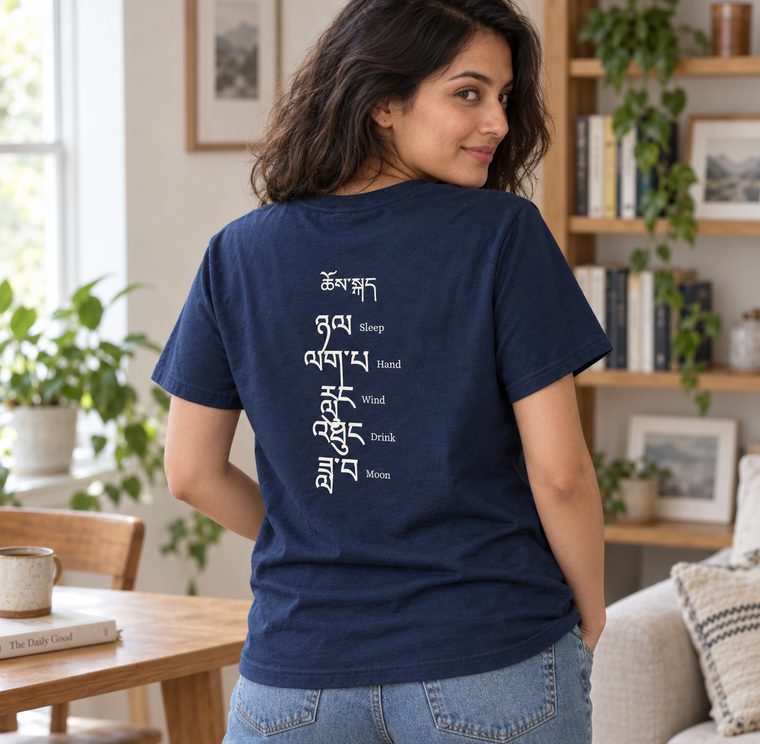
87 core words in Khitan
Sources
- Wiktionary Khitan lemmas (citing D. Kane 2009, The Kitan Language and Script, Leiden: Brill; Aisin Gioro Ulhicun 2012, 契丹小字の音価推定及び相関問題, Ritsumeikan bungaku 627; Wu Yingzhe & J. Janhunen / Róna-Tas); en.wikipedia "Khitan language" vocabulary tables
Words compared
Compared with languages in the same classification: Mongolic (Para-Mongolic)
| Meaning | Khitan | Proto-Japonic-Koreanic | Iberian | Nicaraguan Sign Language | Tartessian | Liburnian | Messapic |
|---|---|---|---|---|---|---|---|
| Water | — /—/ | — /—/ | — /—/ | — /—/ | — /—/ | — /—/ | — /—/ |
| Fire | — /—/ | — /—/ | — /—/ | — /—/ | — /—/ | — /—/ | — /—/ |
| Sun | 𘲺 /nair/ | — /—/ | — /—/ | — /—/ | — /—/ | — /—/ | — /—/ |
| Moon | 𘭧 /sair/ | — /—/ | — /—/ | — /—/ | — /—/ | — /—/ | — /—/ |
| Star | — /—/ | — /—/ | — /—/ | — /—/ | — /—/ | — /—/ | — /—/ |
| Night | 𘰷𘭌 /suni/ | — /—/ | — /—/ | — /—/ | — /—/ | — /—/ | — /—/ |
| Earth | 𘱗𘱮 /neue/ | — | — | — | — | — | — |
| Mother | 𘬝 /mo/ | *əma /əma/ | — /—/ | — /—/ | — /—/ | — /—/ | — /—/ |
| Father | 𘲐 /ai/ | *əpa /əpa/ | — /—/ | — /—/ | — /—/ | — /—/ | ana /ˈana/ |
| Daughter | — /—/ | — | — | — | — | — | bilia /ˈbilia/ |
| I | — /—/ | — /—/ | — /—/ | — /—/ | — /—/ | — /—/ | — /—/ |
| You | — /—/ | — /—/ | — /—/ | — /—/ | — /—/ | — /—/ | — /—/ |
| We | — /—/ | — /—/ | — /—/ | — /—/ | — /—/ | — /—/ | — /—/ |
| Name | 𘱤𘰣 /iri/ | — /—/ | — /—/ | — /—/ | — /—/ | — /—/ | — /—/ |
| Person | 𘯥 /ku/ | — | — | — | — | — | — |
| Head | — /—/ | — | — | — | — | — | — |
| Eye | — /—/ | — /—/ | — /—/ | — /—/ | — /—/ | — /—/ | — /—/ |
| Tooth | — /—/ | — /—/ | — /—/ | — /—/ | — /—/ | — /—/ | — /—/ |
| Tongue | — /—/ | — /—/ | — /—/ | — /—/ | — /—/ | — /—/ | — /—/ |
| Hand | — /—/ | — /—/ | — /—/ | — /—/ | — /—/ | — /—/ | — /—/ |
| Heart | — /—/ | — /—/ | — /—/ | — /—/ | — /—/ | — /—/ | — /—/ |
| Bone | — /—/ | — /—/ | — /—/ | — /—/ | — /—/ | — /—/ | — /—/ |
| Blood | — /—/ | — /—/ | — /—/ | — /—/ | — /—/ | — /—/ | — /—/ |
| Love | — /—/ | — /—/ | — /—/ | — /—/ | — /—/ | — /—/ | — /—/ |
| Tree | — /—/ | — /—/ | — /—/ | — /—/ | — /—/ | — /—/ | — /—/ |
| Dog | 𘰕𘯛 /ɲiqo/ | — /—/ | — /—/ | — /—/ | — /—/ | — /—/ | — /—/ |
| Cat | — /—/ | — /—/ | — /—/ | — /—/ | — /—/ | — /—/ | — /—/ |
| Fish | — /—/ | — /—/ | — /—/ | — /—/ | — /—/ | — /—/ | — /—/ |
| Horse | 𘲜𘰣 /mori/ | — | — | — | — | — | — |
| House | — /—/ | — /—/ | — /—/ | — /—/ | — /—/ | — /—/ | — /—/ |
| Iron | 𘮾𘮒 /tumur/ | — | — | — | — | — | — |
| Eat | — /—/ | — /—/ | — /—/ | — /—/ | — /—/ | — /—/ | — /—/ |
| Drink | — /—/ | — /—/ | — /—/ | — /—/ | — /—/ | — /—/ | — /—/ |
| One | 𘬣 /am/ | — /—/ | ban /ban/ | — /—/ | — /—/ | — /—/ | — /—/ |
| Two | 𘲝 /dʒur/ | — /—/ | bi /bi/ | — /—/ | — /—/ | — /—/ | — /—/ |
| Three | 𘯙 /hur/ | — /—/ | irur /irur/ | — /—/ | — /—/ | — /—/ | — /—/ |
| Four | 𘲂 /dur/ | — | laur /laur/ | — | — | — | — |
| Five | 𘬦 /tau/ | — | borste /borste/ | — | — | — | — |
| Hundred | 𘬕 /dʒau/ | — | — | — | — | — | — |
| Hello | — /—/ | — /—/ | — /—/ | — /—/ | — /—/ | — /—/ | — /—/ |
| Thank you | — /—/ | — /—/ | — /—/ | — /—/ | — /—/ | — /—/ | — /—/ |
| Good | 𘬥𘱛 /ʃia/ | — /—/ | — /—/ | — /—/ | — /—/ | — /—/ | — /—/ |
| New | 𘬥𘭛 /ʃɛn/ | — | — | — | — | — | — |
| Red | 𘱄𘱹𘰹 /ljauqu/ | — /—/ | — /—/ | — /—/ | — /—/ | — /—/ | — /—/ |
| Black | 𘯍𘲚 /jou/ | — | — | — | — | — | — |
Han readings compared
Compared with languages in the same classification: Para-Mongolic (Mongolic-Khitan branch, debated)
| Character | Khitan | Proto-Mongolic | Manchu | Jurchen | Proto-Tungusic | Sibe | Korean Hanja-hun |
|---|---|---|---|---|---|---|---|
| 一 | am /am/ | *nigen /*niɡen/ | emu /emu/ | emu /emu/ | *əmun /*əmun/ | emu /əmu/ | han /han/ |
| 二 | jur /dʒur/ | *qoyar /*qojar/ | juwe /dʒuwə/ | juwe /dʑuwe/ | *dʒuər /*dʒuər/ | juwe /dʑuwə/ | du /tu/ |
| 三 | hur /hur/ | *gurba(n) /*ɡurban/ | ilan /ilan/ | ilan /ilan/ | *ilan /*ilan/ | ilan /ilan/ | se /se/ |
| 四 | dur /dur/ | *dörbe(n) /*dœrben/ | duin /duin/ | duin /duin/ | *dügin /*dyɡin/ | duin /duin/ | ne /nɛ/ |
| 五 | tau /tʰau/ | *tabu(n) /*tabun/ | sunja /sundʒa/ | sunja /sundʑa/ | *tuɲga /*tuɲɡa/ | sunja /sundʑa/ | daseot /tasʌt̚/ |
| 六 | nil /nil/ | *jirguɣa(n) /*dʒirɣuɣan/ | ninggun /niŋɡun/ | ninggun /niŋɡun/ | *ɲuŋun /*ɲuŋun/ | ninggun /niŋɢun/ | yeoseot /jʌsʌt̚/ |
| 七 | dolo /dolo/ | *doluɣa(n) /*doluɣan/ | nadan /nadan/ | nadan /nadan/ | *nadan /*nadan/ | nadan /nadan/ | ilgop /ilɡop̚/ |
| 九 | is /is/ | *yersü(n) /*jersyn/ | uyun /ujun/ | uyun /ujun/ | *xəgün /*xəɡyn/ | uyun /ujun/ | ahop /ahop̚/ |
| 十 | par /par/ | *harba(n) /*harban/ | juwan /dʒuwan/ | juwan /dʑuwan/ | *dʒuwan /*dʒuwan/ | juwan /dʑuwan/ | yeol /jʌl/ |
| 天 | teŋri /tʰeŋri/ | *teŋri /*teŋri/ | abka /abka/ | abka /abka/ | *abka /*abka/ | abka /apka/ | haneul /hanɯl/ |
| 日 | nair /nair/ | *naran /*naran/ | šun /ʃun/ | šun /ʃun/ | *siun /*siun/ | šun /ɕun/ | nal /nal/ |
| 月 | sair /sair/ | *sara(n) /*saran/ | biya /bija/ | biya /bija/ | *bēga /*beːɡa/ | biya /bija/ | dal /tal/ |
| 山 | ula /ʊla/ | *agula /*aɣula/ | alin /alin/ | alin /alin/ | *xada /*xada/ | alin /alin/ | me /me/ |
| 水 | us /ʊs/ | *usu(n) /*usun/ | muke /mukə/ | muke /muke/ | *mū /*muː/ | muke /mutɕə/ | mul /mul/ |
| 火 | gal /ɡal/ | *gal /*ɡal/ | tuwa /tuwa/ | tuwa /tuwa/ | *tōga /*toːɡa/ | tuwa /tuwa/ | bul /pul/ |
| 馬 | mori /mori/ | *mori(n) /*morin/ | morin /morin/ | morin /morin/ | *murin /*murin/ | morin /mɔrin/ | mal /mal/ |
| 人 | ku /kʰu/ | *kümün /*kymyn/ | niyalma /njalma/ | niyalma /njalma/ | *niama /*niama/ | niyalma /ɲalma/ | saram /saɾam/ |
Open the interactive map: Word Map · HanMap · Name Map · Word Order · Tree
Part of LangMap — a linguistic visualization project. This is a static, crawlable summary; the interactive maps offer pronunciation audio, filters, and a globe view.
Made by Heuron Inc. · GitHub · cho@heuron.com · LangMap home