Naáyarite
Cora
Uto-Aztecan
Cora (autonymously Naáyarite) is a Uto-Aztecan language of the Corachol sub-branch, spoken by around 17,000 people in the Sierra del Nayar region of Nayarit, Mexico. Linguistically, Cora is most closely related to Wixarika/Huichol (hch) — its sister Corachol language — but distinct enough that the two are mutually unintelligible. The Cora maintain their traditional indigenous religion centered on the goddess Tatei Náa'arí and continue ancient pilgrimage practices to sacred mountain sites including Tete Naayéri (the Mesa del Nayar). The Cora dialect cluster includes Mariteco, Mountain Cora, and Eastern/Central varieties. Despite its small speaker numbers, Cora has maintained intergenerational transmission in the more remote Sierra del Nayar settlements due to the region's geographic isolation and traditional cultural integrity.
Where it is spoken
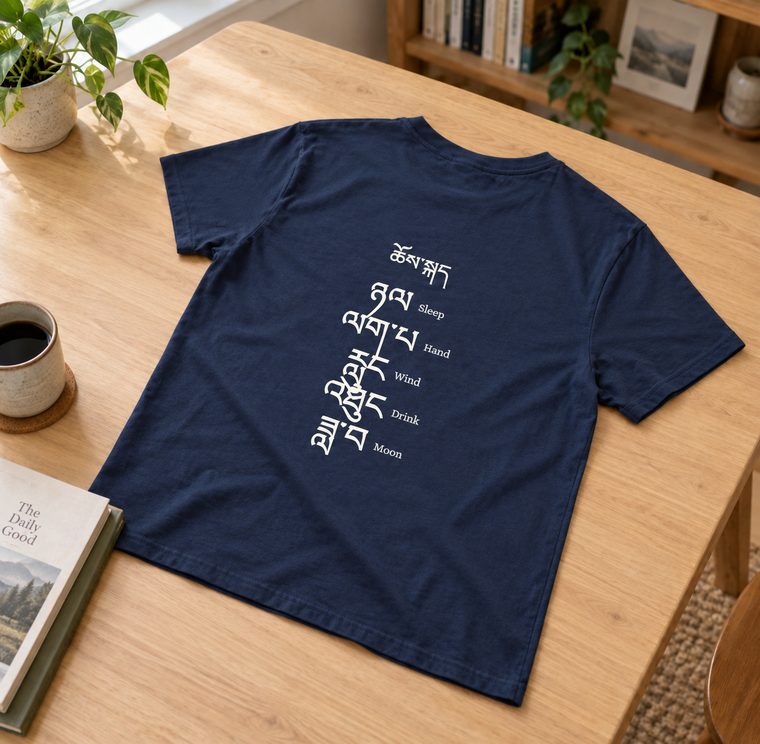
👕 The words of this language can also go on a T-shirt (below)
84 core words in Cora
Sources
Words compared
Compared with languages in the same classification: Uto-Aztecan
| Meaning | Cora | Wixarika | Nawat | Guerrero Nahuatl | Tarahumara | Classical Nahuatl | Central Huasteca Nahuatl |
|---|---|---|---|---|---|---|---|
| Water | jaj /hah/ | ha /ha/ | at /at/ | atl /atɬ/ | baʼwí /baʔwi/ | ātl /aːtɬ/ | atl /atɬ/ |
| Fire | taij /taih/ | tai /tai/ | tit /tiːt/ | tlitl /tɬitɬ/ | nahí /nahi/ | tlētl /tɬeːtɬ/ | tlitl /tɬitɬ/ |
| Sun | xɨca /ʃɨˈka/ | tau /tau/ | tunal /ˈtuːnal/ | tonajli /tonahli/ | rayénali /ɾajenali/ | tōnatiuh /toːˈnatiw/ | tonati /toˈnati/ |
| Moon | máxcɨraʼi /ˈmaʃkɨɽaʔi/ | metsa /metsa/ | metzti /ˈmeːtsti/ | metztli /metstɬi/ | mecá /metʃa/ | mētztli /ˈmeːtstɬi/ | metztli /ˈmetstɬi/ |
| Star | xuʼuraʼave /ˈʃuʔuɽaʔaβe/ | xurawe /ruˈɾawe/ | sital /ˈsiːtal/ | sitlalin /siˈtɬalin/ | sopolí /sopoli/ | cītlālin /siːˈtɬaːlin/ | sitlalij /siˈtɬalih/ |
| Rain | viite /ˈβiːte/ | wiyeri /wijeɾi/ | wetsiat /wetsiat/ | quiyahuitl /kijawitɬ/ | ukuí /ukui/ | quiyahuitl /kiˈjawitɬ/ | kiyawit /kiˈjawit/ |
| Rainbow | cuʼuxaí /kuʔuˈʃai/ | kuwiwi /kuwiwi/ | — | arcoíris /arkoˈiris/ | — | cōzamālōtl /koːsaˈmaːloːtɬ/ | akasamalotl /akasaˈmalotɬ/ |
| Snow | seeri /seːɽi/ | ʼɨwi /ʔɨwi/ | — | nieve /ˈnjebe/ | kiparí /kipaɾi/ | cepayahuitl /sepaˈjawitɬ/ | sital set /sital set/ |
| Wind | eeca /eːka/ | ʼeeka /ʔeːka/ | ejekat /eˈhekat/ | ajacatl /ahakatɬ/ | eká /eka/ | ehecatl /eˈhekatɬ/ | ajakatl /aˈhakatɬ/ |
| Earth | chuej /tʃweh/ | kwie /kʷie/ | tal /taːl/ | tlajli /tɬahli/ | weʼé /weʔe/ | tlālli /ˈtɬaːlːi/ | tlali /ˈtɬali/ |
| Stone | tetej /teˈteh/ | tete /tete/ | tet /tet/ | tetl /teːtɬ/ | rité /ɾite/ | tetl /tetɬ/ | tetl /tetɬ/ |
| Mountain | jɨrí /hɨˈɽi/ | yemuri /jemuɾi/ | tepet /ˈtepet/ | tepetl /ˈtepeːtɬ/ | rabó /ɾabo/ | tepētl /ˈtepeːtɬ/ | tepetl /ˈtepeːtɬ/ |
| Sea | muájete /mwaˈhete/ | haramara /haɾamaɾa/ | — | mar /mar/ | mar /maɾ/ | hueyatl /ˈweːjaːtɬ/ | hueyatl /ˈwejatɬ/ |
| Night | tɨ́caʼa /ˈtɨkaʔa/ | tɨkari /tɨkaɾi/ | tayua /taˈjuwa/ | yowalli /jowalːi/ | rokó /ɾoko/ | yohualli /joˈwalːi/ | youali /joˈwali/ |
| Yesterday | tajcaí /tahkaˈi/ | takai /takai/ | yalua /jaːˈluwa/ | yalohua /jalowa/ | — | yālhua /ˈjaːlwa/ | yalohua /jaˈlowa/ |
| Tomorrow | ruijmuaʼa /ɽuihmwaʔa/ | ʼuxaʼa /ʔuraʔa/ | musta /ˈmuːsta/ | mostla /mostɬa/ | baʼarí /baʔaɾi/ | mōztla /ˈmoːstɬa/ | mosta /ˈmosta/ |
| I | nee /neː/ | nee /neː/ | naja /ˈnaha/ | nejua /neˈwa/ | nejé /nehe/ | nehhuātl /neʔˈwaːtɬ/ | na /na/ |
| You | múʼee /ˈmuʔeː/ | eekɨ /ˈeːkɨ/ | taja /ˈtaha/ | tejua /teˈwa/ | mujé /muhe/ | tehhuātl /teʔˈwaːtɬ/ | ta /ta/ |
| We | ta /ta/ | tame /ˈtame/ | tejemet /teˈhemet/ | tejuamej /teˈwameh/ | tamujé /tamuhe/ | tehhuāntin /teʔˈwaːntin/ | tojuanti /tohˈwanti/ |
| Person | tevi /ˈteβi/ | tewi /tewi/ | takat /ˈtakat/ | tlacatl /ˈtɬakatɬ/ | pagótami /paɡotami/ | tlācatl /ˈtɬaːkatɬ/ | masehuali /maseˈwali/ |
| Mother | naana /naːna/ | nana /nana/ | nan /nan/ | nanan /nanan/ | iyé /ije/ | nāntli /ˈnaːntɬi/ | nana /ˈnana/ |
| Father | hahuá /hahwa/ | yawe /jawe/ | tat /tat/ | tatah /tatah/ | onó /ono/ | tahtli /ˈtahtɬi/ | tata /ˈtata/ |
| Name | yeuwa /ˈjeuwa/ | tewa /ˈtewa/ | tukay /ˈtukaj/ | tocaitl /toˈkaitɬ/ | riwá /ɾiwa/ | tōcāitl /toːˈkaːitɬ/ | tocaxtli /toˈkaʃtɬi/ |
| Language | niuucari /niuːkaɽi/ | niuki /niuki/ | — | tlajtojli /tɬahˈtohli/ | raʼichárami /raʔitʃaɾami/ | tlahtolli /tɬaʔˈtoːlːi/ | tlajtoli /tɬahˈtoli/ |
| King | rey /ɽej/ | — | — | rey /rej/ | — | tlahtoāni /tɬaʔtoˈaːni/ | — |
| Head | muʼú /muˈʔu/ | muʼú /muˈʔu/ | tzuntekun /tsunˈtekun/ | tzontecomitl /tsonteˈkomitɬ/ | moʼó /moʔo/ | cuāitl /kʷaːitɬ/ | tzontecomitl /tsonteˈkomitɬ/ |
| Eye | jɨ́ʼɨ /ˈhɨʔɨ/ | hɨxi /hɨri/ | ish /iʃ/ | ixtololo /iʃtololo/ | pusí /pusi/ | īxtli /ˈiːʃtɬi/ | ixtioli /iʃtioli/ |
| Ear | naxai /naʃai/ | naka /naka/ | nakas /ˈnakas/ | nacas /nakas/ | naká /naka/ | nacaztli /naˈkastɬi/ | nacastli /naˈkastɬi/ |
| Nose | tzúʼuri /ˈtsuʔuɽi/ | tsuri /tsuɾi/ | yak /jak/ | yacatl /jakatɬ/ | aká /aka/ | yacatl /ˈjakatɬ/ | yakatsoli /jakaˈtsoli/ |
| Mouth | teni /teni/ | téni /teni/ | ten /teːŋ/ | camactli /kaˈmaktɬi/ | riní /ɾini/ | camatl /ˈkamatɬ/ | camactli /kaˈmaktɬi/ |
| Tooth | tame /tame/ | tame /tame/ | tan /tan/ | tlan /tɬan/ | ramé /ɾame/ | tlantli /ˈtɬantɬi/ | tlankoch /ˈtɬankotʃ/ |
| Tongue | nanu /nanu/ | neni /neni/ | nenepil /neˈnepil/ | nenepil /nenepil/ | chamerawa /tʃameɾawa/ | nenepilli /neneˈpilːi/ | nenepili /neneˈpili/ |
| Hand | muájcaʼa /ˈmwahkaʔa/ | mama /mama/ | mey /mej/ | maitl /maitɬ/ | sekuá /sekwa/ | māitl /maːitɬ/ | maitl /maitɬ/ |
| Foot | ɨɨka /ɨːka/ | keta /keta/ | ikshi /ˈikʃi/ | icxitl /ikʃitɬ/ | ronó /ɾono/ | icxitl /ˈikʃitɬ/ | icxitl /ˈikʃitɬ/ |
| Heart | hɨurí /hɨuɽi/ | iyari /ijaɾi/ | yulu /ˈjulu/ | yojlotl /johlotɬ/ | sulá /sula/ | yōllōtl /ˈjoːlːoːtɬ/ | yolotl /ˈjolotɬ/ |
| Bone | ɨka /ɨka/ | ume /ume/ | umit /ˈumit/ | omitl /omitɬ/ | ochí /otʃi/ | omitl /ˈomitɬ/ | omitl /ˈomitɬ/ |
| Blood | xuuri /ʃuːɽi/ | xuriya /ruɾija/ | esti /ˈesti/ | yestli /jestɬi/ | wichirá /witʃiɾa/ | eztli /ˈestɬi/ | estli /ˈestɬi/ |
| Love | kaʼna /kaʔna/ | kanenki /kanenki/ | tasujta /taˈsuhta/ | tlazohtla /tɬasoʔtɬa/ | nakí /naki/ | tlazōhtla /tɬaˈsoːhtɬa/ | tlazohtla /tɬaˈsoʔtɬa/ |
| Tree | cɨyej /kɨˈjeh/ | kɨyé /kɨje/ | kwawit /ˈkʷawit/ | kojtli /kohtɬi/ | kusí /kusi/ | cuahuitl /ˈkʷawitɬ/ | cuahuitl /ˈkʷawitɬ/ |
| Dog | tzɨ́ʼɨ /ˈtsɨʔɨ/ | tsɨkɨ /tsɨkɨ/ | pelu /ˈpeːlu/ | itzcuintli /itskʷintɬi/ | kochí /kotʃi/ | itzcuīntli /itsˈkʷiːntɬi/ | chichi /ˈtʃitʃi/ |
| Cat | mistú /mistu/ | mitsu /mitsu/ | mistun /ˈmistuːŋ/ | miston /miston/ | misí /misi/ | mīztōn /ˈmiːstoːn/ | misto /ˈmisto/ |
| Horse | cahuaayuʼu /kawaːjuʔu/ | kawayu /kawaju/ | cahuayoh /kaˈwajuh/ | cabayoj /kaˈbajoh/ | kawé /kawe/ | cahuāllo /kaˈwaːlːo/ | kauayoj /kaˈwajoh/ |
| Bear | juutzeʼe /huːtseʔe/ | hutse /hutse/ | tekwani metzkujkutu /teːˈkʷani metskuhkutu/ | oso /ˈoso/ | ojuí /ohui/ | tlācamāyeh /tɬaːkaˈmaːjeʔ/ | oso /ˈoso/ |
| Lion | muajye /mwahje/ | — | — | león /leˈon/ | — | miztli /ˈmistɬi/ | león /leˈon/ |
| Camel | cameeyuʼu /kameːjuʔu/ | kameyu /kameju/ | — | camello /kaˈmejo/ | — | — | camello /kaˈmejo/ |
| Snake | cuʼucuʼu /kuʔukuʔu/ | kuu /kuː/ | coat /ˈkuwat/ | kouatl /ˈkoatɬ/ | sinowi /sinowi/ | coatl /ˈkoːaːtɬ/ | koatl /ˈkoaːtɬ/ |
| Dragon | cuʼucuʼu /kuʔukuʔu/ | kuu /kuː/ | — | dragón /draˈɡon/ | — | — | dragón /draˈɡon/ |
| Spider | tuʼucá /tuʔuka/ | tuuká /tuuka/ | tukat /ˈtukat/ | — | roʼká /ɾoʔka/ | tocatl /ˈtokatɬ/ | tokatl /ˈtokatɬ/ |
| Bat | átziʼi /ˈatsiʔi/ | ʼatsixi /ʔatsiri/ | tzinakan /tsiˈnaːkaŋ/ | tsinakan /tsiˈnakan/ | sopichí /sopitʃi/ | tzinacan /tsiˈnaːkan/ | tzotzo /ˈtsotso/ |
| Bird | pinaʼa /ˈpinaʔa/ | wiki /wiki/ | tutut /ˈtuːtut/ | tototl /ˈtototɬ/ | chulugí /tʃuluɡi/ | tōtōtl /ˈtoːtoːtɬ/ | tototl /ˈtototɬ/ |
| Egg | táʼu /ˈtaʔu/ | tawári /taˈwaɾi/ | teksisti /tekˈsisti/ | totoltetl /totolˈtetɬ/ | kaʼwá /kaʔwa/ | tōtoltetl /toːˈtoltetɬ/ | tejsistli /tehˈsistɬi/ |
| Butterfly | átzipaʼu /ˈatsipaʔu/ | kɨpí /kɨˈpi/ | papalut /paːˈpaːluːt/ | papalotl /paˈpalotɬ/ | nakarópari /nakaɾopaɾi/ | pāpālōtl /paːˈpaːloːtɬ/ | papalotl /paˈpalotɬ/ |
| Fish | huaʼité /waʔiˈte/ | ketsɨ /ketsɨ/ | michin /ˈmitʃiŋ/ | michin /mitʃin/ | rochi /ɾotʃi/ | michin /ˈmitʃin/ | michi /ˈmitʃi/ |
| House | chiʼi /tʃiʔi/ | ki /ki/ | kal /kal/ | kajli /kahli/ | kalí /kali/ | calli /ˈkalːi/ | kali /ˈkali/ |
| Bread | pan /pan/ | paa /paː/ | — | pan /pan/ | — | tlaxcalli /tɬaʃˈkalːi/ | pantsij /ˈpantsih/ |
| Milk | léechi /ˈleːtʃi/ | retsi /ɾetsi/ | — | chichiualatl /tʃitʃiwaˈlatɬ/ | leche /letʃe/ | chīchīhualāyōtl /tʃiːtʃiːwaˈlaːjoːtɬ/ | lechi /ˈletʃi/ |
| Honey | searate /seaɽate/ | xiete /riete/ | nekti /ˈnekti/ | necutli /neˈkutɬi/ | amoo /amoo/ | neuctli /ˈnekʷtɬi/ | necti /ˈnekti/ |
| Salt | unaj /unah/ | ʼuna /ʔuna/ | istat /ˈistat/ | istatl /istatɬ/ | koná /kona/ | iztatl /ˈistatɬ/ | istatl /ˈistatɬ/ |
| Chocolate | tzicuraá /tsikuɽaˈa/ | — | chukulat /tʃuˈkulat/ | chikolatl /tʃikoˈlatɬ/ | chocolate | chocolātl /tʃokoˈlaːtɬ/ | chocolatl /tʃokoˈlatɬ/ |
| Wine | viinu /ˈβiːnu/ | winuyari /winujaɾi/ | — | vino /ˈbino/ | — | vino /ˈbino/ | xocomeca at /ʃokomeka at/ |
| Iron | tepuústiʼi /tepuːstiʔi/ | tepɨa /tepɨa/ | tepusti /teˈpusti/ | tepostli /tepostɬi/ | jiyero /hijeɾo/ | tepoztli /teˈpostɬi/ | tepostli /teˈpostɬi/ |
| Gold | oro /oɽo/ | huru /huɾu/ | — | oro /ˈoro/ | — | teocuitlatl /teoːkʷiˈtɬatɬ/ | teokuitlatl /teoˈkwitɬatɬ/ |
| Money | túmiin /ˈtumiːn/ | tumini /tumini/ | — | tomin /ˈtomin/ | winomí /winomi/ | tomīn /ˈtomiːn/ | tomi /ˈtomi/ |
| Book | yuʼuxari /juʔuʃaɽi/ | xapa /rapa/ | amat /ˈamat/ | libro /ˈlibro/ | libro /libɾo/ | āmoxtli /aːˈmoʃtɬi/ | amochtli /aˈmotʃtɬi/ |
| Eat | cuaʼa /kwaʔa/ | kuye /kuje/ | takwa /ˈtakʷa/ | tlakua /tɬakʷa/ | koʼa /koʔa/ | tlacua /ˈtɬakʷa/ | tlacua /ˈtɬakʷa/ |
| Drink | hiʼi /hiʔi/ | hiʼeka /hiʔeka/ | ati /ˈati/ | koni /koni/ | bahí /bahi/ | ātli /ˈaːtɬi/ | atli /ˈatɬi/ |
| Sleep | cutzú /kuˈtsu/ | kutsu /kutsu/ | kuchi /ˈkutʃi/ | cochi /ˈkotʃi/ | kochí /kotʃi/ | cochi /ˈkotʃi/ | cochi /ˈkotʃi/ |
| One | seɨj /seɨh/ | xevi /revi/ | se /seː/ | ce /se/ | bilé /bile/ | cē /seː/ | ce /se/ |
| Two | huaʼapua /ˈwaʔapwa/ | huta /huˈta/ | ume /ˈuːme/ | ome /ˈome/ | okuá /okwa/ | ōme /ˈoːme/ | ome /ˈome/ |
| Three | huaíca /waˈika/ | haika /haika/ | yey /jeːj/ | yeyi /jeji/ | bikiyá /bikija/ | yei /jeːi/ | eyi /ˈejiː/ |
| Four | muáacua /ˈmwaːkwa/ | nauka /nauka/ | nawi /ˈnaːwi/ | nahui /nawi/ | naó /nao/ | nāhui /ˈnaːwi/ | nahui /ˈnaːwi/ |
| Five | anxɨ́vi /anˈʃɨβi/ | auxɨwi /aurɨwi/ | makwil /ˈmaːkʷil/ | makuijli /makʷihli/ | marí /maˈɾi/ | mācuīlli /maːˈkʷiːlːi/ | makuili /maˈkʷili/ |
| Twenty | seité /seiˈte/ | xeitewiyari /reitewijaɾi/ | senpual /seːmˈpuwal/ | — | osá makoy /osa makoj/ | cempōhualli /sempoːˈwalːi/ | sempoali /sempoˈali/ |
| Hundred | anxɨ́te /anˈʃɨte/ | xeitsienituyari /reitsienitujaɾi/ | tzunti /ˈtsunti/ | makuilpoajli /makʷilpoahli/ | siénto /ˈsjento/ | mācuīlpōhualli /maːkʷiːlpoːˈwalːi/ | cien /sjen/ |
| Thousand | viʼiraʼa /βiʔiɽaʔa/ | xeimiriyari /reimiɾijaɾi/ | — | mil /mil/ | — | ōntzontli īpan mahtlācpōhualli /oːntsontɬi iːpan mahtɬaːkpoːwalːi/ | mil /mil/ |
| Hello | keʼkuanenki /keʔkwanenki/ | kekuanenki /kekwanenki/ | ne pakua /ne pakwa/ | panolti /panolti/ | kuira /kuiɾa/ | niltze /ˈniltse/ | niltze /ˈniltse/ |
| Thank you | atsipiraá /atsipiɽaː/ | paʼiwakaitsie /paʔiwakaitsje/ | padiush /ˈpadjuʃ/ | tlasojkamati /tɬasohkamati/ | matéterabá /mateteɾaba/ | tlazōhcāmati /tɬasoːhkaːˈmati/ | tlaskamati /tɬaskaˈmati/ |
| Good | huáʼi /hwaʔi/ | waxa /wara/ | yek /jeːk/ | kuajli /kʷahli/ | galá /ɡala/ | cualli /ˈkʷalːi/ | kuali /ˈkʷali/ |
| New | jéjcua /ˈhehkwa/ | hekwa /hekʷa/ | yankwik /ˈjaŋkʷik/ | yencuic /ˈjenkʷik/ | bukulíwami /bukuliwami/ | yancuic /ˈjankʷik/ | yancuic /ˈjankʷik/ |
| Black | xuʼumuaraʼa /ʃuʔumwaɽaʔa/ | yɨwime /jɨwime/ | tiltik /ˈtiltik/ | capotztic /kaˈpotstik/ | chókami /tʃokami/ | tlīltic /ˈtɬiːltik/ | yayahuic /jaˈjawik/ |
| White | cuaínaraʼa /kwaˈinaɽaʔa/ | tuxame /turame/ | istak /ˈistak/ | istak /istak/ | rosákame /ɾosakame/ | iztāc /ˈistaːk/ | istak /ˈistak/ |
| Red | paʼuseáararaʼa /paʔuseˈaːɽaɽaʔa/ | ɨaurawi /ɨauɾawi/ | chiltik /ˈtʃiːltik/ | chichiltik /tʃitʃiltik/ | sitákame /siˈtakame/ | chichiltic /tʃiˈtʃiltik/ | chichiltik /tʃiˈtʃiltik/ |
| Green | jamuámua /haˈmwamwa/ | siɨraɨyeme /siɨɾaɨjeme/ | shushuwik /ʃuˈʃuwik/ | xoxojki /ʃoˈʃohki/ | siyóname /siˈjoname/ | xoxoctic /ʃoˈʃoktik/ | xoxohuic /ʃoˈʃowik/ |
| Greece | Grecia /ɡɾesia/ | — | — | Grecia /ˈɡɾesja/ | — | — | Grecia /ˈɡresja/ |
Open the interactive map: Word Map · Han Map · Name Map · Time Map · Word Order · Tree
Part of LangMap — a linguistic visualization project. This is a static, crawlable summary; the interactive maps offer pronunciation audio, filters, and a globe view.
Made by Heuron Inc. · GitHub · cho@heuron.com · LangMap home