漢代漢語
Han-period Chinese
Sinitic (Eastern Han Chinese)
Han Dynasty Chinese (206 BCE-220 CE) represents Late Old Chinese transitioning toward Early Middle Chinese, with the Eastern Han period (25-220 CE) showing the earliest features that would crystallize in Middle Chinese rhyme tables. The Han era canonized Classical Chinese (wenyan) as the literary standard — a register that endured across East Asia for two millennia, shaping Korean hanja, Japanese kanbun, and Vietnamese chữ Hán traditions. The dynasty saw the establishment of the Imperial Academy (太学), state Confucian orthodoxy, the Shiji of Sima Qian, the Shuowen Jiezi etymological dictionary (121 CE), and clerical-script standardization that produced the modern Han-character forms.
Where it was spoken
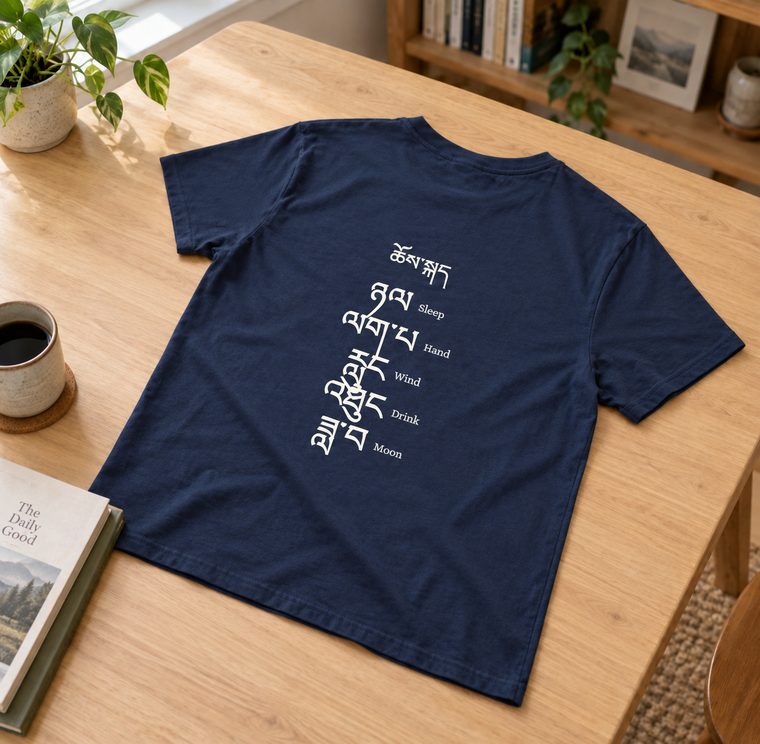
👕 The words of this language can also go on a T-shirt (below)
94 core words in Han-period Chinese
Sources
Words compared
Compared with languages in the same classification: Sinitic
| Meaning | Han-period Chinese | Middle Chinese | Old Chinese | Early Mandarin | Cantonese Classical Chinese | Hakka Chinese | Hailu Hakka |
|---|---|---|---|---|---|---|---|
| Water | 水 /ćwǝ́j/ | 水 /ɕwi/ | 水 /*s.turʔ/ | 水 /ʂui/ | 水 /sɵy˧˥/ | 水 /sui˧˩/ | 水 /ʃui˨˦/ |
| Fire | 火 /m̥ǝ̄́j/ | 火 /hwa/ | 火 /*[qʷʰ]ˤəjʔ/ | 火 /xuɔ/ | 火 /fɔː˧˥/ | 火 /fo˧˩/ | 火 /fo˨˦/ |
| Sun | 日 /ńǝt/ | 日 /ȵit/ | 日 /*C.nik/ | 日 /ɽi/ | 日 /jɐt˨/ | 日头 /ŋit˩ tʰeu˩˩/ | 日頭 /ŋit˥ tʰeu˥˥/ |
| Moon | 月 /ŋwat/ | 月 /ŋuat/ | 月 /*[ŋ]ʷat/ | 月 /iuɛ/ | 月 /jyːt˨/ | 月光 /ŋiat˥ kuoŋ˦/ | 月光 /ŋiet˨ koŋ˥˧/ |
| Star | 星 /shiēŋ/ | 星 /sɛjŋ/ | 星 /*s-tsʰˤeŋ/ | 星 /siəŋ/ | 星 /sɪŋ˥/ | 星仔 /sen˦ ne˧˩/ | 星仔 /siaŋ˥˧ ɤ˥˥/ |
| Milky Way | 河漢 /ɣǟ ŋ̥ānh/ | 銀河 /ŋjin ɦa/ | 雲漢 /*[ɢ]ʷə[n] n̥ˤar-s/ | 銀河 /iən xɔ/ | 銀河 /ŋɐn˨˩ hɔː˨˩/ | 天河 /tʰiɛn˦ ho˩˩/ | 天河 /tʰien˥˧ ho˥˥/ |
| Shooting star | 流星 /rǝw shēŋ/ | 流星 /luw seŋ/ | — | 流星 /liəu siəŋ/ | 流星 /lɐu˨˩ sɪŋ˥/ | 星仔泻屎 /sen˦ ne˧˩ ɕia˥˧ sɨ˧˩/ | — |
| Rain | 雨 /whá/ | 雨 /ɦuə̆/ | 雨 /*C.ɢʷ(r)aʔ/ | 雨 /iu/ | 雨 /jyː˩˧/ | 雨 /i˧˩/ | 雨 /ʒi˨˦/ |
| Rainbow | 虹 /ɡōŋ/ | 虹 /ɦəwŋ/ | 虹 /*m-kˤoŋ/ | 虹 /xuŋ/ | 虹 /hʊŋ˨˩/ | 天弓 /tʰiɛn˦ kiʊŋ˦/ | 虹 /kʰiuŋ˧˧/ |
| Thunder | 雷 /rhwǝ̄j/ | 雷 /luj/ | 雷 /*C.rˤuj/ | 雷 /lui/ | 雷 /lɵy˨˩/ | 雷公 /lui˩˩ kuŋ˦/ | 雷公 /lui˥˥ kuŋ˥˧/ |
| Snow | 雪 /sjwat/ | 雪 /swiat/ | 雪 /*[s]ot/ | 雪 /siuɛ/ | 雪 /syːt˧/ | 雪 /siet˩/ | 雪 /siet˥/ |
| Wind | 風 /prǝm/ | 風 /puwŋ/ | 風 /*prəm/ | 風 /fuŋ/ | 風 /fʊŋ˥/ | 风 /fuŋ˦/ | 風 /fuŋ˥˧/ |
| Earth | 土 /thā́/ | 土 /tʰɔ/ | 土 /*tʰˤaʔ/ | 土 /tʰu/ | 土 /tʰou˧˥/ | 土 /tʰu˧˩/ | 土 /tʰu˨˦/ |
| Stone | 石 /ʒ́iak/ | 石 /dʑiajk/ | 石 /*dAk/ | 石 /ʂi/ | 石 /sɛːk˨/ | 石头 /sak̚˥ tʰeu˩˩/ | 石頭 /ʃak˨ tʰeu˥˥/ |
| Mountain | 山 /ṣān/ | 山 /ʂəɨn/ | 山 /*s-ŋrar/ | 山 /ʂan/ | 山 /saːn˥/ | 山 /san˦˦/ | 山 /san˥˧/ |
| Sea | 海 /m̥ǝ̄́/ | 海 /həj/ | 海 /*m̥ˤəʔ/ | 海 /xai/ | 海 /hɔːi˧˥/ | 海 /hoi˧˩/ | 海 /hoi˨˦/ |
| Night | 夜 /źäh/ | 夜 /jia/ | 夜 /*[ɢ]Ak-s/ | 夜 /iɛ/ | 夜 /jɛː˨/ | 暗晡夜 /am˥˧ pu˦ ia˥˧/ | 暗晡夜 /am˩˩ pu˥˧ ʒa˧˧/ |
| Yesterday | 昨日 /ʒ(h)āk ńǝt/ | 昨日 /dzak ȵit/ | 昨 /*[dz]ˤak/ | 夜來 /iɛ lai/ | 昨日 /tsɔːk˨ jɐt˨/ | 昨晡日 /tsʰɔk˥ pu˦ ŋit˩/ | 昨晡日 /tsʰo˥˧ pu˥˧ ŋit˥/ |
| Tomorrow | 明日 /mraŋ ńǝt/ | 明日 /miajŋ ȵit/ | 明 /*mraŋ/ | 明日 /miəŋ ɽi/ | 明日 /mɪŋ˨˩ jɐt˨/ | 天光日 /tʰiɛn˦ kuoŋ˦ ŋit˩/ | 韶早 /ʃau˥˥ tso˨˦/ |
| I | 我 /ŋhǟ́/ | 我 /ŋa/ | 我 /*ŋˤajʔ/ | 我 /ŋɔ/ | 我 /ŋɔː˩˧/ | 𠊎 /ŋai˩˩/ | 𠊎 /ŋai˥˥/ |
| You | 汝 /ńhá/ | 汝 /ȵɨə̆/ | 汝 /*naʔ/ | 汝 /ɽiu/ | 汝 /jyː˩˧/ | 你 /ŋi˩˩/ | 你 /ŋi˥˥/ |
| We | 我等 /ŋhǟ́ tǝ̄́ŋ/ | 我等 /ŋa təŋ/ | 我 /*ŋˤajʔ/ | 我等 /ŋɔ təŋ/ | 我等 /ŋɔː˩˧ tɐŋ˧˥/ | 𠊎兜 /ŋai˩˩ teu˦/ | 𫣆兜 / 𠊎兜 /en˥˧ teu˥˧ / ŋai˥˥ teu˥˧/ |
| Person | 人 /ń́ǝn/ | 人 /ȵin/ | 人 /*ni[ŋ]/ | 人 /ɽiən/ | 人 /jɐn˨˩/ | 人 /ŋin˩˩/ | 人 /ŋin˥˥/ |
| Mother | 母 /mǝ̄́/ | 母 /məw/ | 母 /*məʔ/ | 母 /mu/ | 母 /mou˩˧/ | 阿姆 /a˦ me˦/ | 阿姆 /a˧˧ me˥˧/ |
| Father | 父 /bwá/ | 父 /buə̆/ | 父 /*[N-p](r)aʔ/ | 父 /fu/ | 父 /fuː˨/ | 阿爸 /a˦ pa˦/ | 阿爸 /a˧˧ pa˥˧/ |
| Grandmother | 大母 /dhāś mǝ̄́/ | 祖母 /tsɔ məw/ | 祖母 /*[ts]ˤaʔ məʔ/ | 祖母 /tsu mu/ | 祖母 /tsou˧˥ mou˩˧/ | 阿婆 /a˦ pʰo˩˩/ | 阿婆 /a˧˧ pʰo˥˥/ |
| Older brother | 兄 /m̥reŋ/ | 兄 /hwiajŋ/ | 兄 /*m̥raŋ/ | 哥哥 /kɔ kɔ/ | 兄 /hɪŋ˥/ | 阿哥 /a˦ ko˦/ | 阿哥 /a˧˧ ko˥˧/ |
| Daughter | 女 /ṇá/ | 女 /ɳɨə̆/ | 女 /*nraʔ/ | 女兒 /niu ɽʅ/ | 女 /nɵy˩˧/ | 妹仔 /moi˥˧ e˧˩/ | 妹仔 /moi˩˩ ɤ˥˥/ |
| Name | 名 /mhjeŋ/ | 名 /miajŋ/ | 名 /*C.meŋ/ | 名 /miəŋ/ | 名 /mɪŋ˨˩/ | 名 /miaŋ˩˩/ | 名 /miaŋ˥˥/ |
| Head | 首 /śǝ́w/ | 頭 /dəw/ | 首 /*l̥uʔ/ | 頭 /tʰəu/ | 首 /sɐu˧˥/ | 头那 /tʰeu˩˩ na˩˩/ | 頭那 /tʰeu˥˥ na˥˥/ |
| Eye | 目 /mhǝuk/ | 目 /muwk/ | 目 /*C.m(r)[u]k/ | 目 /mu/ | 目 /mʊk˨/ | 目珠 /muk˩ tsu˦/ | 目珠 /muk˥ tʃu˥˧/ |
| Ear | 耳 /ń́ǝ́/ | 耳 /ȵɨ/ | 耳 /*C.nəʔ/ | 耳 /ɽʅ/ | 耳 /jiː˩˧/ | 耳公 /ŋi˧˩ kuŋ˦/ | 耳空 /ŋi˨˦ kʰuŋ˥˧/ |
| Nose | 鼻 /bhjǝś/ | 鼻 /bi/ | 鼻 /*m-bi[t]-s/ | 鼻 /pi/ | 鼻 /pei˨/ | 鼻公 /pʰi˥˧ kuŋ˦/ | 鼻空 /pʰi˧˧ kʰuŋ˥˧/ |
| Mouth | 口 /khwā́/ | 口 /kʰəw/ | 口 /*kʰˤ(r)oʔ/ | 口 /kʰəu/ | 口 /hɐu˧˥/ | 嘴 /tsoi˥˧/ | 嘴 /tʃoi˩˩/ |
| Tooth | 牙 /ŋrǟ/ | 牙 /ŋaɨ/ | 牙 /*m-ɢˤ<r>a/ | 牙 /ia/ | 牙 /ŋaː˨˩/ | 牙 /ŋa˩˩/ | 牙 /ŋa˥˥/ |
| Wisdom tooth | 真牙 /ćǝn ŋrǟ/ | 真牙 /cin ŋaɨ/ | — | 真牙 /tʂiən ia/ | 真牙 /tsɐn˥ ŋaː˨˩/ | — | — |
| Tongue | 舌 /źat/ | 舌 /ʑiat/ | 舌 /*mə.lat/ | 舌 /ʂiɛ/ | 舌 /siːt˨/ | 舌嫲 /sat˥ ma˩˩/ | 舌嫲 /ʃat˨ ma˥˥/ |
| Adam's apple | 結喉 /kiǝ̄t ɣwā/ | 結喉 /kɛt ɦəw/ | — | 結喉 /kiɛ xəu/ | 結喉 /kiːt˧ hɐu˨˩/ | 抢食胲 /tɕʰiɔŋ˧˩ sɨt˥ koi˦/ | — |
| Hand | 手 /shǝ́w/ | 手 /ɕuw/ | 手 /*n̥uʔ/ | 手 /ʂiəu/ | 手 /sɐu˧˥/ | 手 /su˧˩/ | 手 /ʃiu˨˦/ |
| Foot | 足 /cjok/ | 足 /tsuawk/ | 足 /*[ts]ok/ | 足 /tsiu/ | 足 /tsʊk˥/ | 脚 /kiok̚˩/ | 腳 /kiok˥/ |
| Heart | 心 /sjǝm/ | 心 /sim/ | 心 /*səm/ | 心 /siəm/ | 心 /sɐm˥/ | 心 /sim˦˦/ | 心 /sim˥˧/ |
| Bone | 骨 /kwǝ̄t/ | 骨 /kwət/ | 骨 /*kˤut/ | 骨 /ku/ | 骨 /kʷɐt˥/ | 骨头 /kut˩ tʰeu˩˩/ | 骨頭 /kut˥ tʰeu˥˥/ |
| Blood | 血 /w̥iǝ̄t/ | 血 /hwɛt/ | 血 /*m̥ˤik/ | 血 /xiɛ/ | 血 /hyːt˧/ | 血 /hiat˩/ | 血 /hiet˥/ |
| Poop | 屎 /śǝ́j/ | 屎 /ɕi/ | 屎 /*[qʰ]ijʔ/ | 屎 /ʂʅ/ | 屎 /siː˧˥/ | 屎 /sɨ˧˩/ | 屎 /ʃi˨˦/ |
| Love | 愛 /ʔǝ̄ś/ | 愛 /ʔəj/ | 愛 /*[q]ˤə[p]-s/ | 愛 /ai/ | 愛 /ɔːi˧/ | 爱 /oi˥˧/ | 惜 /siak˥/ |
| Hangover | 酲 /lheŋ/ | 酲 /ɖiajŋ/ | — | 酲 /tʂʰiəŋ/ | 酲 /tsʰɪŋ˨˩/ | — | — |
| Tree | 木 /mhōk/ | 木 /məwk/ | 木 /*C.mˤok/ | 木 /mu/ | 木 /mʊk˨/ | 树 /su˥˧/ | 樹仔 /ʃu˧˧ ɤ˥˥/ |
| Dog | 犬 /khwiǝ̄́n/ | 犬 /kʰwɛn/ | 犬 /*[k]ʷʰˤ[e][n]ʔ/ | 犬 /kʰiuɛn/ | 犬 /hyːn˧˥/ | 狗 /keu˧˩/ | 狗 /kieu˨˦/ |
| Woof | 狺狺 /ŋ(h)ǝn ŋ(h)ǝn/ | 狺狺 /ŋjin ŋjin/ | — | — | 汪汪 /wɔːŋ˥ wɔːŋ˥/ | — | — |
| Cat | 貓 /mhrāw/ | 貓 /maɨw/ | 貓 /*C.mˤraw/ | 貓 /mau/ | 貓 /maːu˥/ | 猫公 /miau˥˧ kuŋ˦/ | 貓仔 /ŋiau˩˩ ɤ˥˥/ |
| Horse | 馬 /mrǟ́/ | 馬 /maɨ/ | 馬 /*mˤraʔ/ | 馬 /ma/ | 馬 /maː˩˧/ | 马 /ma˦˦/ | 馬 /ma˥˧/ |
| Bear | 熊 /whǝm/ | 熊 /ɦuwŋ/ | 熊 /*C.[ɢ]ʷ(r)əm/ | 熊 /xiuŋ/ | 熊 /hʊŋ˨˩/ | 熊 /iuŋ˩˩/ | 熊 /ʒuŋ˥˥/ |
| Bat | 蝙蝠 /piān pwǝk/ | 蝙蝠 /pɛn puwk/ | — | — | 蝙蝠 /pʰiːn˥ fʊk˥/ | 蝠婆仔 /pʰɛt˥ pʰo˩˩ e˧˩/ | 蝠婆 /pʰit˨ pʰo˥˥/ |
| Bird | 鳥 /tiǝ̄́w/ | 鳥 /tɛw/ | 鳥 /*tˤiwʔ/ | 鳥 /niɛu/ | 鳥 /niːu˩˧/ | 鸟 /tiau˦/ | 鳥 /tiau˥˧/ |
| Cock-a-doodle-doo | 喈喈 /krǝ̄j krǝ̄j/ | 喈喈 /kəɨj kəɨj/ | — | 喈喈 /kiai kiai/ | 喈喈 /kaːi˥ kaːi˥/ | — | — |
| Cuckoo | 布穀 /pāh kōk/ | 布穀 /pɔ kəwk/ | 布穀 /*pˤa-s [k]ˤok/ | 布穀 /pu ku/ | 布穀 /pou˧ kʊk˥/ | 伏鸠仔 /pʰuk̚˥ keu˦ ʋe˧˩/ | 杜鵑 /tʰu˧˧ kien˥˧/ |
| Egg | 卵 /rhwā́n/ | 卵 /lwan/ | 卵 /*k.rˤorʔ/ | 卵 /luɔn/ | 卵 /lɵn˩˧/ | 卵 /lon˧˩/ | 卵 /lon˨˦/ |
| Butterfly | 胡蝶 /ɣā l(h)iāp/ | 胡蝶 /ɦɔ dɛp/ | 胡蝶 /*[ɡ]ˤa lˤep/ | 胡蝶 /xu tiɛ/ | 胡蝶 /wuː˨˩ tiːp˨/ | 蝴蝶 /fu˩˩ tʰiap˥/ | 蝶仔 /ʒak˨ ɤ˥˥/ |
| Fish | 魚 /ŋha/ | 魚 /ŋɨə̆/ | 魚 /*[r.ŋ]a/ | 魚 /iu/ | 魚 /jyː˨˩/ | 鱼 /ŋ̍˩˩/ | 魚 /ŋ˥˥/ |
| Whale | 鯨 /ɡreŋ/ | 鯨 /ɡiajŋ/ | 鯨 /*[ɡ]raŋ/ | 鯨 /kʰiəŋ/ | 鯨 /kʰɪŋ˨˩/ | 鲸鱼 /kin˦ ŋ̍˩˩/ | 鯨魚 /kin˥˧ ŋ˥˥/ |
| House | 屋 /ʔōk/ | 屋 /ʔəwk/ | 室 /*s.ti[t]/ | 屋 /u/ | 屋 /ʊk˥/ | 屋 /vuk˩/ | 屋 /vuk˥/ |
| Rice | 米 /mhiǝ̄́j/ | 米 /mɛj/ | 米 /*(C.)mˤ[e]jʔ/ | 米 /mi/ | 米 /mɐi˩˧/ | 米 /mi˧˩/ | 米 /mi˨˦/ |
| Milk | 乳 /ńwá/ | 乳 /ȵuə̆/ | 乳 /*noʔ/ | 乳 /ɽiu/ | 乳 /jyː˩˧/ | 牛奶 /ŋiu˩˩ nen˥˧/ | 牛奶 /ŋiu˥˥ nen˩˩/ |
| Honey | 蜜 /mjǝt/ | 蜜 /mit/ | 蜜 /*mit/ | 蜜 /mi/ | 蜜 /mɐt˨/ | 蜂糖 /fuŋ˦ tʰoŋ˩˩/ | 蜂糖 /pʰuŋ˥˧ tʰoŋ˥˥/ |
| Salt | 鹽 /źam/ | 鹽 /jiam/ | 鹽 /*[ɢr][o]m/ | 鹽 /iɛm/ | 鹽 /jiːm˨˩/ | 盐 /iam˩˩/ | 鹽 /ʒam˥˥/ |
| Orange | 橘 /kjwǝt/ | 橙 /ɖəɨjŋ/ | 橘 /*[s.k]ʷi[t]/ | 橙 /tʂʰəŋ/ | 橘 /kʷɐt˥/ | 柑仔 /kam˦ e˧˩/ | 柑仔 /kam˥˧ ɤ˥˥/ |
| Wine | 蒲陶酒 /bhā lhǝ̄w cjǝ́w/ | 葡萄酒 /bɔ daw tsuw/ | 酒 /*tsuʔ/ | 酒 /tsiəu/ | 葡萄酒 /pʰou˨˩ tʰou˨˩ tsɐu˧˥/ | 葡萄酒 /pʰu˩˩ tʰau˩˩ tsiu˧˩/ | 葡萄酒 /pʰu˥˥ tʰo˥˥ tsiu˨˦/ |
| Iron | 鐵 /l̥iǝ̄t/ | 鐵 /tʰɛt/ | 鐵 /*l̥ˤik/ | 鐵 /tʰiɛ/ | 鐵 /tʰiːt˧/ | 铁 /tʰiet˩/ | 鐵 /tʰiet˥/ |
| Silk | 絲 /sjǝ/ | 絲 /sɨ/ | 絲 /*[s]ə/ | 絲 /sɿ/ | 絲 /siː˥/ | 丝 /sɨ˦˦/ | 絲 /sɨ˥˧/ |
| Book | 書 /ća/ | 書 /ɕɨə̆/ | 書 /*s-ta/ | 書 /ʂiu/ | 書 /syː˥/ | 书 /su˦˦/ | 書 /ʃu˥˧/ |
| Wheel | 輪 /rwǝn/ | 輪 /lwin/ | 輪 /*[r]u[n]/ | 輪 /liuən/ | 輪 /lɵn˨˩/ | 车轮 /tsʰa˦˦ lun˩˩/ | 輪 /lin˩˩/ |
| Computer | 籌 /ḍhǝw/ | 籌 /ɖuw/ | — | 算盤 /suɔn pʰuɔn/ | 算盤 /syːn˧ pʰuːn˨˩/ | 电脑 /tʰien˥˧ nau˧˩/ | 電腦 /tʰien˧˧ no˨˦/ |
| Eat | 食 /źǝk/ | 食 /ʑik/ | 食 /*mə-lək/ | 食 /ʂi/ | 食 /sɪk˨/ | 食 /sɨt˥/ | 食 /ʃit˨/ |
| Drink | 飲 /ʔǝ́m/ | 飲 /ʔjim/ | 飲 /*q(r)[u]mʔ/ | 飲 /iəm/ | 飲 /jɐm˧˥/ | 饮 /im˧˩/ | 啉 /lim˥˧/ |
| Sleep | 寐 /m(h)jǝś/ | 眠 /mɛn/ | 寐 /*mi[t]-s/ | 睡 /ʂui/ | 寐 /mei˨/ | 睡目 /soi˥˧ muk˩/ | 睡目 /ʃoi˧˧ muk˥/ |
| Hiccup | 噦 /w̥āś/ | 噦 /ʔuat/ | — | — | 噦 /jyːt˨/ | — | 打噎啄 /ta˨˦ et˨ tuk˥/ |
| One | 一 /ʔjǝt/ | 一 /ʔit/ | 一 /*ʔi[t]/ | 一 /i/ | 一 /jɐt˥/ | 一 /it˩/ | 一 /ʒit˥/ |
| Two | 二 /ńǝś/ | 二 /ȵi/ | 二 /*ni[j]-s/ | 二 /ɽʅ/ | 二 /jiː˨/ | 二 /ŋi˥˧/ | 二 /ŋi˧˧/ |
| Three | 三 /sǝ̄m/ | 三 /sam/ | 三 /*s.rum/ | 三 /sam/ | 三 /saːm˥/ | 三 /sam˦˦/ | 三 /sam˥˧/ |
| Four | 四 /s(h)jǝś/ | 四 /si/ | 四 /*s.li[j]-s/ | 四 /sɿ/ | 四 /sei˧/ | 四 /si˥˧/ | 四 /si˩˩/ |
| Five | 五 /ŋhā́/ | 五 /ŋɔ/ | 五 /*C.ŋˤaʔ/ | 五 /u/ | 五 /ŋ̍˩˧/ | 五 /ŋ̍˧˩/ | 五 /ŋ̍˨˦/ |
| Hundred | 百 /prāk/ | 百 /paɨjk/ | 百 /*pˤrak/ | 百 /pai/ | 百 /paːk˧/ | 百 /pak̚˩/ | 百 /pak˥/ |
| Ninety-nine | 九十九 /kǝ́w ɡjǝp kǝ́w/ | 九十九 /kuw dʑip kuw/ | 九十有九 /*[k]uʔ t.[ɡ]əp [ɢ]ʷəʔ-s [k]uʔ/ | 九十九 /kiəu ʂi kiəu/ | 九十九 /kɐu˧˥ sɐp˨ kɐu˧˥/ | 九十九 /kiu˧˩ sɨp˥ kiu˧˩/ | 九十九 /kiu˨˦ ʃip˨ kiu˨˦/ |
| Hello | 萬福 /mwanh pwǝk/ | 萬福 /muan puwk/ | — | 萬福 /ʋan fu/ | 萬福 /maːn˨ fʊk˥/ | 你好 /ŋi˩˩ hau˧˩/ | 你好 /ŋi˥˥ ho˨˦/ |
| Thank you | 謝 /zhäh/ | 謝 /zia/ | 謝 /*sə-lAk-s/ | 謝 /siɛ/ | 謝 /tsɛː˨/ | 多谢 /to˦ tsʰia˥˧/ | 承蒙你 /ʃin˥˥ muŋ˥˥ ŋi˥˥/ |
| Good | 善 /ʒ́(h)án/ | 善 /dʑian/ | 好 /*qʰˤuʔ/ | 善 /ʂiɛn/ | 善 /siːn˨/ | 好 /hau˧˩/ | 好 /ho˨˦/ |
| New | 新 /sjǝn/ | 新 /sin/ | 新 /*s.tsʰi[n]/ | 新 /siən/ | 新 /sɐn˥/ | 新 /sin˦/ | 新 /sin˥˧/ |
| Black | 黑 /m̥ǝ̄k/ | 黑 /hək/ | 黑 /*m̥ˤək/ | 黑 /xei/ | 黑 /hɐk˥/ | 乌 /vu˦˦/ | 烏 /vu˥˧/ |
| White | 白 /brāk/ | 白 /baɨjk/ | 白 /*bˤrak/ | 白 /pai/ | 白 /paːk˨/ | 白 /pʰak̚˥/ | 白 /pʰak˨/ |
| Red | 赤 /khiak/ | 赤 /cʰiajk/ | 赤 /*[t-qʰ](r)Ak/ | 紅 /xuŋ/ | 赤 /tsʰɪk˧/ | 红 /fuŋ˩˩/ | 紅 /fuŋ˥˥/ |
| Green | 綠 /rok/ | 綠 /luawk/ | 綠 /*pə.rok/ | 綠 /liu/ | 綠 /lʊk˨/ | 绿 /liuk̚˥/ | 青 /tsʰiaŋ˥˧/ |
| Blue | 青 /shiēŋ/ | 青 /tsʰɛjŋ/ | 青 /*[s.r̥]ˤeŋ/ | 藍 /lam/ | 青 /tsʰɪŋ˥/ | 蓝 /lam˩˩/ | 藍 /lam˥˥/ |
| China | 中國 /ṭǝuŋ kwǝ̄k/ | 中國 /ʈuwŋ kwək/ | 中國 /*truŋ [C.q]ʷˤək/ | 中國 /tʂuŋ kui/ | 中國 /tsʊŋ˥ kʷɔk˧/ | 中国 /tsuŋ˦ kuɛt˩/ | 中國 /tʃuŋ˥˧ kuet˥/ |
| India | 身毒 /l̥jǝn dhǝ̄uk/ | 天竺 /tʰɛn ʈuwk/ | — | 西天 /si tʰiɛn/ | 天竺 /tʰiːn˥ tsʊk˥/ | 印度 /in˥˧ tʰu˥˧/ | 印度 /ʒin˩˩ tʰu˧˧/ |
Word order compared
Compare with major world languages
Compare with languages in the same classification
Open the interactive map: Word Map · Han Map · Name Map · Time Map · Word Order · Tree
Part of LangMap — a linguistic visualization project. This is a static, crawlable summary; the interactive maps offer pronunciation audio, filters, and a globe view.
Made by Heuron Inc. · GitHub · cho@heuron.com · LangMap home