ཆོས་སྐད
Classical Tibetan
Sino-Tibetan (Tibeto-Burman, Bodish)
Classical Tibetan refers to the literary form of Tibetan from c. 9th–12th centuries CE, the standard used for the translation of the Buddhist canon (Kangyur and Tengyur) from Sanskrit and for indigenous Tibetan literature. Its orthography preserves Old Tibetan consonant clusters and finals that have been heavily simplified in spoken Lhasa Tibetan. It remains the active liturgical and scholastic language of Tibetan Buddhism worldwide, including the Mongolian, Bhutanese, and Western diaspora. Spellings here follow the standardised orthography of the 9th-century language reform (mi rather than Old Tibetan myi).
Where it was spoken
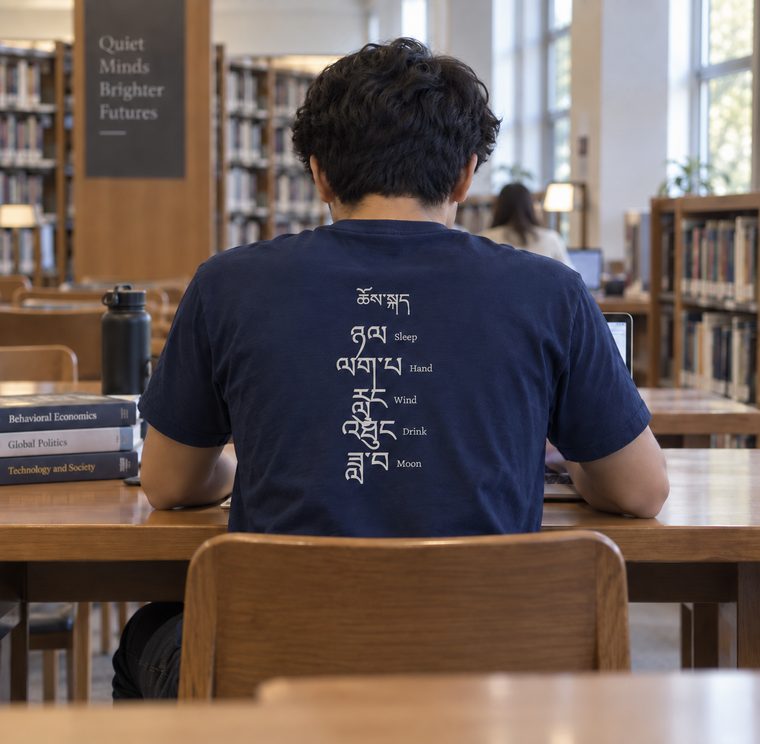
👕 The words of this language can also go on a T-shirt (below)
128 core words in Classical Tibetan
Sources
Words compared
Compared with languages in the same classification: Sino-Tibetan
| Meaning | Classical Tibetan | Balti | Ladakhi | Sherpa | Liturgical Classical Tibetan | Sikkimese | Amdo Tibetan |
|---|---|---|---|---|---|---|---|
| Water | ཆུ /tɕʰu/ | ཆུ /tɕʰu/ | ཆུ /tɕʰu/ | ཆུ /tɕʰu/ | ཆུ /tɕʰu/ | ཆུ /tɕʰu/ | ཆུ་ /tɕʰə/ |
| Fire | མེ /me/ | མེ /me/ | མེ /me/ | མེ /me/ | མེ /me/ | མེ /mi/ | མེ་ /ȵe/ |
| Sun | ཉི་མ /ɲima/ | ཉི་མ /ɲima/ | ཉི་མ /ɲima/ | ཉི་མ /ɲima/ | ཉི་མ /ɲimə/ | ཉིམ /ɲim/ | ཉི་མ་ /ȵəma/ |
| Moon | ཟླ་བ /zlaba/ | ཟླ་བ /dawa/ | ཟླ་བ /lzawa/ | ཨུག་ལ /ula/ | ཟླ་བ /tawa/ | ཟླ་བོ /dau/ | ཟླ་བ་ /hdawa/ |
| Star | སྐར་མ /skarma/ | སྐར་མ /skarma/ | སྐར་མ /skarma/ | སྐར་མ /karma/ | སྐར་མ /kaːma/ | སྐར་མ་ /kaːma/ | སྐར་མ /hkarma/ |
| Milky Way | དགུ་ཚིགས /dɡutsʰiks/ | — | — | — | — | — | — |
| Shooting star | སྐར་མདའ /skarmda/ | — | — | — | — | — | — |
| Rain | ཆར་པ /tɕʰarpa/ | ཆར་པ /tɕʰarpa/ | ཆར་པ /tʃʰarpa/ | ཆར་པ /tɕʰarwa/ | ཆར་པ /tɕʰaːpa/ | ཆར་པོ /tɕʰaːp/ | ཆར་པ /tɕʰarwa/ |
| Rainbow | འཇའ /dʑa/ | — | ཟའ་ཆུ་ཐུང /zatɕʰutʰuŋ/ | འཇའ /dza/ | འཇའ /tɕa/ | འཇའ /dʑa/ | འཇའ /ndʑa/ |
| Thunder | འབྲུག /bruk/ | — | བྲུག་ལྡིར /ɖuɡldir/ | — | འབྲུག /ʈʂu/ | — | འབྲུག /nɖʐək/ |
| Snow | ཁ་བ /kʰaba/ | ཁ་བ /kʰawa/ | ཁ /kʰa/ | ཁ་བ /kʰawa/ | ཁ་བ /kʰawa/ | ཁ་བོ /kʰau/ | ཁངས /kʰaŋ/ |
| Wind | རླུང /rluŋ/ | རླུང /xluŋ/ | རླུང /l̥uŋ/ | རླུང /luŋ/ | རླུང /luŋ/ | རླུང /luŋ/ | རླུང /ɬuŋ/ |
| Earth | ས /sa/ | ས /sa/ | ས /sa/ | ས /sa/ | ས /sa/ | ས /sa/ | ས /sʰa/ |
| Earthquake | ས་གཡོས /saɡjos/ | — | — | — | — | — | — |
| Stone | རྡོ /rdo/ | རྡོ /rdwa/ | རྡོ /rdo/ | རྡོ /do/ | རྡོ /to/ | རྡོ /do/ | རྡོ /do/ |
| Mountain | རི /ri/ | རི /ri/ | རི /ri/ | རི /ri/ | རི /ʐi/ | རི /ri/ | རི /rə/ |
| Sea | རྒྱ་མཚོ /rɡja mtsʰo/ | — | རྒྱ་མཚོ /rɡʲatsʰo/ | རྒྱ་མཚུ /ɡjamtsu/ | རྒྱ་མཚོ /ɟa tsʰo/ | རྒྱ་མཚོ /ɡʲamtsʰo/ | རྒྱ་མཚོ /dʑamtsʰo/ |
| Island | མཚོ་གླིང /mtsʰoɡliŋ/ | — | — | — | མཚོ་གླིང /tsʰoliŋ/ | — | — |
| East | ཤར /ɕar/ | — | — | — | ཤར /ɕaː/ | — | ཤར /xʰar/ |
| Night | མཚན་མོ /mtsʰanmo/ | མཚན /tsʰan/ | མཚན /tsʰen/ | ནུབ /nup/ | མཚན་མོ /tsʰɛ̃mo/ | ཕྱི་རུ /pʰiru/ | མཚན་མོ /tsʰamo/ |
| Yesterday | ཁ་སང /kʰasaŋ/ | — | — | — | ཁ་སང /kʰasaŋ/ | མདང /dãː/ | ཁ་རྩང /kʰahtsaŋ/ |
| Tomorrow | སང་ཉིན /saŋɲin/ | — | ཐོ་རེ /tʰore/ | — | སང་ཉིན /saŋɲĩ/ | ཐོ་རངས /tʰorãː/ | — |
| Week | བདུན་ཕྲག /bdunpʰrak/ | — | — | — | བདུན་ཕྲག /tỹʈʂʰa/ | བདུན་ཕྲག /dyntʰaʔ/ | — |
| Monday | གཟའ་ཟླ་བ /ɡzaʔzlaba/ | — | — | གཟའ་ཟླ་བ /za dawa/ | གཟའ་ཟླ་བ /satawa/ | གཟའ་ཟླ་བོ /zaː dou/ | — |
| Tuesday | གཟའ་མིག་དམར /ɡzaʔmikdmar/ | — | — | — | གཟའ་མིག་དམར /samiːmaː/ | གཟའ་མིག་དམར /zaː miŋmar/ | — |
| Wednesday | གཟའ་ལྷག་པ /ɡzaʔl̥akpa/ | — | — | — | གཟའ་ལྷག་པ /saɬakpa/ | གཟའ་ལྷག་ཀོ /zaː l̥ako/ | — |
| Friday | གཟའ་པ་སངས /ɡzaʔpasaŋs/ | — | — | — | གཟའ་པ་སངས /sapasaŋ/ | གཟའ་པ་སངས /zaː pasãː/ | — |
| Saturday | གཟའ་སྤེན་པ /ɡzaʔspenpa/ | — | — | — | གཟའ་སྤེན་པ /sapẽpa/ | གཟའ་སྤེན་པོ /zaː pɛmpo/ | — |
| Sunday | གཟའ་ཉི་མ /ɡzaʔɲima/ | — | — | — | གཟའ་ཉི་མ /saɲimə/ | ཉི་མ /ɲima/ | — |
| I | ང /ŋa/ | ང /ŋa/ | ང /ŋa/ | ང /ŋa/ | ང /ŋa/ | ང་ /ŋa/ | ང /ŋa/ |
| You | ཁྱོད /kʰjot/ | ཁྱང /kʰjaŋ/ | ཁྱེད་རང /kʰeːraŋ/ | ཁྱེད་རང /kʰeraŋ/ | ཁྱོད /tɕʰø/ | ཆོད /tɕʰøʔ/ | ཁྱོད /tɕʰo/ |
| We | ངེད /ŋet/ | ང་ཏང / ང་ཡ /ŋataŋ / ŋaja/ | ང་ཏང / ང་ཞ /ŋataŋ / ŋaʒa/ | བདག་པུ / ངིད་རང /dakpu / ɲiraŋ/ | ངེད /ŋed/ | ང་ཅག་ /ŋatɕaʔ/ | ང་ཚོ /ŋatsʰo/ |
| Person | མི /mi/ | མི /mi/ | མི /mi/ | མི /mi/ | མི /mi/ | མི /mi/ | མི /ȵə/ |
| Mother | ཨ་མ /ama/ | ཨ་མོ /amo/ | ཨ་མ /ama/ | ཨ་མ /ama/ | ཨ་མ /ama/ | ཨམ /am/ | ཨ་མ་ /ama/ |
| Father | ཕ /pʰa/ | ཨ་ཏ /ata/ | ཨ་བ /aba/ | ཨ་པ /apa/ | ཡབ /jap/ | ཨ་པོ /apo/ | ཕ་ /pʰɑ/ |
| Grandmother | ཕྱི་མོ /pʰjimo/ | — | — | — | — | ཨ་ཉོ /aɲo/ | — |
| Uncle | ཁུ་བོ /kʰubo/ | — | — | — | ཨ་ཁུ /akʰu/ | ཨ་པོ་སྦོམ་པུ /apo bompu/ | ཨ་ཁུ /akʰə/ |
| Older brother | ཕུ་བོ /pʰubo/ | ཀ་ཀ /kaka/ | ཨ་ཅོ /atɕo/ | — | ཕུ་བོ /pʰuwo/ | ཨ་ཅུ /atɕu/ | — |
| Daughter | བུ་མོ /bumo/ | བུ་མོ /bumo/ | བུ་མོ /bomo/ | བུ་མོ /bumo/ | བུ་མོ /pʰumo/ | བུམ /bum/ | བུ་མོ་ /wəmo/ |
| Husband | ཁྱོ་ག /kʰjoɡa/ | — | — | — | — | ཕོ་རྒྱག /pʰoɡʲaʔ/ | — |
| Wife | ཆུང་མ /tɕʰuŋma/ | — | — | — | ཆུང་མ /tɕʰuŋma/ | — | — |
| Name | མིང /miŋ/ | མིང /miŋ/ | མིང /miŋ/ | མིང /miŋ/ | མིང /miŋ/ | མིང་ /miŋ/ | མིང /ȵaŋ/ |
| Language | སྐད /skat/ | — | སྐད /skat/ | — | སྐད /kɛː/ | སྐད /kɛʔ/ | སྐད /hkal/ |
| King | རྒྱལ་པོ /rɡjalpo/ | — | — | — | རྒྱལ་པོ /ɟɛːpo/ | རྒྱལཔ /ɡɛːp/ | — |
| Head | མགོ /mɡo/ | མགོ /ɡo/ | མགོ /ɡo/ | མགོའ /ɡoː/ | མགོ /ko/ | མགོ /ɡo/ | མགོ /nɡo/ |
| Eye | མིག /mik/ | མིག /mik/ | མིག /mik/ | མིག /mik/ | མིག /mi/ | མིག /mik/ | མིག་ /hȵɔχ/ |
| Ear | རྣ་བ /rnaba/ | རྣ་བ /naba/ | ནམ་ཅོག /namtɕok/ | ཨ་མཆོག /amtɕʰok/ | རྣ་བ /nawa/ | རྣམ་མཆོག /namtɕoʔ/ | རྣ་མཆོག /hnamdʑok/ |
| Nose | སྣ /sna/ | སྣ /sna/ | སྣ /sna/ | སྣ /na/ | སྣ /na/ | སྣ /n̥a/ | སྣ /hna/ |
| Mouth | ཁ /kʰa/ | ཁ /kʰa/ | ཁ /kʰa/ | ཁ /kʰa/ | ཁ /kʰa/ | ཁ /kʰa/ | ཁ /kʰa/ |
| Tooth | སོ /so/ | སོ /so/ | སོ /so/ | ས /sa/ | སོ /so/ | སོ /so/ | སོ /sʰo/ |
| Tongue | ལྕེ /ltɕe/ | ལྕེ /ltʃe/ | ལྕེ /ltʃe/ | ལྕེ་ལ /tɕelak/ | ལྕེ /tɕe/ | ལྕེ /tɕe/ | ལྕེ /htɕe/ |
| Hand | ལག་པ /lakpa/ | ལག་པ /lakpa/ | ལག་པ /lakpa/ | ལག་པ /lakpa/ | ལག་པ /lakpa/ | ལག་ཀོ /lako/ | ལག་པ་ /laχkwa/ |
| Thumb | མཐེ་བོ /mtʰebo/ | — | ཐེ་བོ /tʰebo/ | — | མཐེ་བོ /tʰepo/ | — | — |
| Little finger | མཐེ་ཆུང /mtʰetɕʰuŋ/ | — | — | — | — | — | — |
| Right (side) | གཡས་ཕྱོགས /ɡjaspʰjoks/ | — | — | — | གཡས་ཕྱོགས /jɛːtɕoː/ | — | གཡས /hje/ |
| Left (side) | གཡོན་ཕྱོགས /ɡjonpʰjoks/ | — | — | — | གཡོན་ཕྱོགས /jø̃tɕoː/ | — | གཡོན /hjon/ |
| Foot | རྐང་པ /rkaŋpa/ | རྐང་མ /kaŋma/ | རྐང་པ /skaŋpa/ | རྐང་པ /kaŋba/ | རྐང་པ /kaŋpa/ | རྐངམ /kaːm/ | རྐང་པ་ /hkaŋwa/ |
| Heart | སྙིང /sɲiŋ/ | སྙིང /sniŋ/ | སྙིང /ɲiŋ/ | སྙིང /ɲiŋ/ | སྙིང /ɲiŋ/ | སྙིང /ɲiŋ/ | སྙིང /hȵaŋ/ |
| Bone | རུས་པ /ruspa/ | རུས་པ /ruspa/ | རུས་པ /ruspa/ | རུས་པ /rupa/ | རུས་པ /ruspa/ | རུས་པ /rupa/ | རུས་པ /rəpa/ |
| Blood | ཁྲག /kʰrak/ | ཁྲག /ʈʂaq/ | ཁྲག /kʰraq/ | ཁྲག /ʈʂʰaʔ/ | ཁྲག /ʈʂʰa/ | ཁྱག /kʰjaʔ/ | ཁྲག /tɕʰak/ |
| Tear | མཆི་མ /mtɕʰima/ | — | ཆི་མ /tɕʰima/ | — | — | མིག་ཆུ /miktɕʰu/ | མིག་ཆུ /hȵəktɕʰə/ |
| Poop | རྐྱག་པ /rkjakpa/ | སྐྱག་པ /kjakpa/ | — | སྐྱག་པ /kjakpa/ | རྐྱག་པ /tɕakpa/ | སྐྱག་ཀོ /kʲakko/ | སྐྱག་པ /htɕaχkwa/ |
| Fart | རྟུག་དྲི /rtukdri/ | — | — | — | — | — | — |
| Love | དགའ་བ /dɡaba/ | དགའ་བ /ɡaba/ | དགའ /ɡa/ | བློ་ཆོ /lotɕʰo/ | བྱམས་པ /tɕʰampa/ | དགའ /ɡa/ | དགའ་ /ɡɑ/ |
| Tree | ཤིང /ɕiŋ/ | ཤིང /ɕiŋ/ | ལྕང་མ /ltʃaŋma/ | སྡོང་པོ /doŋbu/ | ཤིང /ɕiŋ/ | ཤིང /ɕiŋ/ | ཤིང་ /ʂɪŋ/ |
| Dog | ཁྱི /kʰji/ | ཁྱི /kʰi/ | ཁྱི /kʰi/ | ཁྱི /ki/ | ཁྱི /cʰi/ | ཁྱི /kʰi/ | ཁྱི་ /tɕʰə/ |
| Cat | བྱི་ལ /bjila/ | བྱི་ལ /bjila/ | བྱི་ལ /pila/ | བྱི་ལ /bila/ | ཞི་མི /ʑimi/ | ཞི་མི /ʑimi/ | ཀུ་ཕ་ /kufa/ |
| Horse | རྟ /rta/ | རྟ /r̥ta/ | རྟ /rta/ | རྟ /ta/ | རྟ /ta/ | རྟ /ta/ | རྟ /hta/ |
| Bear | དོམ /dom/ | — | དྲེན་མོ /drenmo/ | དོམ /tʰom/ | དོམ /tʰom/ | དོམ /dom/ | དོམ /tom/ |
| Lion | སེང་གེ /seŋɡe/ | — | — | — | སེང་གེ /seŋke/ | — | — |
| Camel | རྔ་མོང /rŋamoŋ/ | — | — | རྔ་མོང /ŋamoŋ/ | — | རྔ་མོ /ŋamo/ | — |
| Elephant | གླང་པོ་ཆེ /ɡlaŋpotɕʰe/ | — | — | གླང་པུ /laŋbu/ | གླང་པོ་ཆེ /laŋpotɕʰe/ | — | གླང་ཆེན /hlaŋtɕʰe/ |
| Monkey | སྤྲེའུ /spreu/ | — | — | — | སྤྲེའུ /piu/ | སྤྲེའུ /piu/ | — |
| Snake | སྦྲུལ /sbrul/ | — | — | རུལ /rul/ | སྦྲུལ /ʈʂyː/ | སྦྲེའུ /biu/ | སྦྲུལ /ru/ |
| Dragon | འབྲུག /bruk/ | — | བྲུག /bruk/ | འབྲུག /ɖuk/ | འབྲུག /ʈʂu/ | — | — |
| Spider | སྡོམ /sdom/ | — | — | — | སྡོམ /tom/ | འབག་ཧྲག /bakr̥aʔ/ | སྡོམ /hdom/ |
| Bat | ཕ་ཝང /pʰawaŋ/ | — | — | — | — | — | — |
| Bird | བྱ /bja/ | བྱ /bja/ | ཅ /tɕa/ | བྱ /tɕʰa/ | བྱ /tɕʰa/ | བྱ /bja/ | བྱ /ɕa/ |
| Cuckoo | ཁུ་བྱུག /kʰu bjuk/ | — | — | — | ཁུ་བྱུག /kʰu bjuɡ/ | — | — |
| Egg | སྒོ་ང /sɡoŋa/ | — | — | བྱའི་མེན་ཏོག /tɕʰe mentok/ | སྒོ་ང /ɡoŋa/ | — | སྒོང་ང /ɡoŋŋa/ |
| Butterfly | ཕྱེ་མ་ལེབ /pʰje ma lep/ | — | — | བ་ལིབ /pʰalip/ | ཕྱེ་མ་ལེབ /tɕʰe ma lep/ | — | — |
| Louse | ཤིག /ɕik/ | — | — | ཤིག /ɕik/ | ཤིག /ɕiʔ/ | — | ཤིག /ɕək/ |
| Fish | ཉ /ɲa/ | ཉ /ɲa/ | ཉ /ɲa/ | ཉ /ɲa/ | ཉ /ɲa/ | ཉ /ɲa/ | ཉ /ȵa/ |
| House | ཁྱིམ /kʰjim/ | ནང /naŋ/ | ཁང་པ /kʰaŋpa/ | ནང /naŋ/ | ཁང་པ /kʰaŋpa/ | ཁྱིམ /kʰim/ | ཁང་པ /kʰaŋwa/ |
| Mirror | མེ་ལོང /meloŋ/ | — | — | — | མེ་ལོང /meloŋ/ | — | — |
| Rice | འབྲས /bras/ | འབྲས /bras/ | — | འབྲའ /ɖʐaː/ | འབྲས /ʈʂɛː/ | — | འབྲས /ndʐe/ |
| Cheese | ཕྱུ་ར /pʰjura/ | — | — | — | ཕྱུ་ར /tɕʰura/ | — | — |
| Butter | མར /mar/ | — | — | — | མར /maː/ | — | — |
| Milk | འོ་མ /oma/ | འོ་མ /oma/ | འོ་མ /oma/ | འོ་མ /oma/ | འོ་མ /oma/ | ཨོམ /om/ | འོ་མ /oma/ |
| Honey | སྦྲང་རྩི /sbraŋ rtsi/ | — | རང་རྩི /raŋ tsi/ | སྦྲང /raŋ/ | སྦྲང་རྩི /ʈʂəŋ tsi/ | — | — |
| Salt | ཚྭ /tsʰwa/ | ཚྭ /tsʰa/ | ཚྭ /tsʰa/ | ཚྭ /tsʰa/ | ཚྭ /tsʰa/ | ཚྭ /tsʰa/ | ཚྭ་ /tsʰa/ |
| Sugar | ཀ་ར /kara/ | — | — | — | ཀ་ར /kara/ | ཅི་ནི /tɕini/ | ཀ་ར /kara/ |
| Chili pepper | ཕོ་བ་རིས /pʰobaris/ | — | — | — | — | ཨ་ཀར /akar/ | — |
| Tea | ཇ /dʑa/ | ཇ /tɕa/ | — | ཇ /dʑa/ | ཇ /tɕʰa/ | ཇ /dʑa/ | ཇ་ /tɕa/ |
| Wine | རྒུན་ཆང /rɡun tɕʰaŋ/ | — | རྒུན་ཆང /rɡuntɕʰaŋ/ | — | རྒུན་ཆང /kỹ tɕaŋ/ | — | — |
| Iron | ལྕགས /ltɕaks/ | ལྕགས /ltʃaχs/ | ལྕགས /ltʃaks/ | ལྕའ /tɕaː/ | ལྕགས /tɕa/ | ལྕགས /tɕaʔ/ | ལྕགས /htɕak/ |
| Gold | གསེར /ɡser/ | གསེར /xser/ | གསེར /ser/ | གསེར /ser/ | གསེར /seː/ | གསེར /seː/ | གསེར /hser/ |
| Silk | དར /dar/ | — | — | — | དར /tʰaː/ | — | — |
| Cotton | རས་བལ /rasbal/ | — | — | — | — | — | — |
| Money | དངུལ /dŋul/ | — | — | — | དངུལ /ŋyː/ | — | དངུལ /hŋu/ |
| Paper | ཤོག་བུ /ɕokbu/ | — | — | — | ཤོག་བུ /ɕuku/ | — | ཤོག་བུ /ɕokwə/ |
| Book | དཔེ་ཆ /dpe tɕʰa/ | ཤོག་བུ /ʃoɡbu/ | ཀི་དེབ /kideb/ | ཀི་ཏབ /kitap/ | དཔེ་ཆ /pe tɕʰa/ | དེབ /dep/ | དཔེ་ཆ /χwetɕa/ |
| Wheel | འཁོར་ལོ /kʰor lo/ | — | ཁོར་ལོ /kʰorlo/ | འཁོར་ལུ /kʰorlu/ | འཁོར་ལོ /kʰo lo/ | འཁོར་ལོ /kʰorlo/ | — |
| Computer | རྩིས་པ /rtsis pa/ | — | — | — | — | — | — |
| Eat | བཟའ /bza/ | ཟ /za/ | ཟ /za/ | ཟ /za/ | བཟའ /sa/ | ཟ /sa/ | ཟ་ /sa/ |
| Drink | འཐུང /tʰuŋ/ | ཐུང་ /tʰuŋ/ | འཐུང /tʰuŋ/ | དུང /tʰuŋ/ | འཐུང /tʰuŋ/ | འཐུང /tʰuŋ/ | འཐུང /tʰoŋ/ |
| Sleep | ཉལ /ɲal/ | ཉལ /ɲal/ | ཉལ /ɲal/ | ཉལ /ɲal/ | ཉལ /ɲɛː/ | ཉལ /ɲɛː/ | ཉལ་ /ȵal/ |
| One | གཅིག /ɡtɕik/ | གཅིག /tɕik/ | གཅིག /tɕik/ | ཅིག /tɕik/ | གཅིག /tɕi/ | གཅིག /tɕiʔ/ | གཅིག་ /htɕək/ |
| Two | གཉིས /ɡɲis/ | ངིས /ŋis/ | གཉིས /ɲis/ | གཉིས /ɲi/ | གཉིས /ɲiː/ | གཉིས་ /ɲiː/ | གཉིས /hȵi/ |
| Three | གསུམ /ɡsum/ | གསུམ /xsum/ | གསུམ /sum/ | གསུམ /sum/ | གསུམ /sum/ | གསུམ /sum/ | གསུམ /hsəm/ |
| Four | བཞི /bʑi/ | བཞི /bʒi/ | བཞི /ʒi/ | བཞི /ʑi/ | བཞི /ɕi/ | བཞི /ʑi/ | བཞི /hʑə/ |
| Five | ལྔ /lŋa/ | ལྔ /ɣa/ | ལྔ /ŋa/ | ལྔ /ŋa/ | ལྔ /ŋa/ | ལྔ /ŋa/ | ལྔ /hŋa/ |
| Twenty | ཉི་ཤུ /ɲiɕu/ | ཉི་ཤུ /ɲiɕu/ | ཉི་ཤུ /ɲiʃu/ | ཉི་ཤུ /ɲiɕu/ | ཉི་ཤུ /ɲiɕu/ | ཉི་ཤུ /ɲiɕu/ | ཉི་ཤུ /ȵəxʰə/ |
| Hundred | བརྒྱ /brɡja/ | བརྒྱ /bɡja/ | བརྒྱ /rɡʲa/ | ཟ་ཡི /saji/ | བརྒྱ /ca/ | བརྒྱ /ɡʲɛ/ | བརྒྱ་ཐམ་པ /dʑatʰamba/ |
| Thousand | སྟོང /stoŋ/ | སྟོང /stoŋ/ | སྟོང /stoŋ/ | འ་ཛར /hazar/ | སྟོང /toŋ/ | སྟོང /tõː/ | སྟོང /htoŋ/ |
| Ninety-nine | དགུ་བཅུ་གོ་དགུ /dɡu btɕu ɡo dɡu/ | — | — | — | དགུ་བཅུ་གོ་དགུ /dɡu btɕu ɡo dɡu/ | དགུ་བཅུ་གོ་དགུ /ɡuptɕu ɡoɡu/ | — |
| Hello | བཀྲ་ཤིས་བདེ་ལེགས /bkra ɕis bde leks/ | ཨ་སི་ལམ /asilam/ | ཇུ་ལེ /dʑule/ | ཏ་ཤེས་ཏེ་ལེ /ʈʰaɕi tɕʰele/ | བཀྲ་ཤིས་བདེ་ལེགས /ʈʂəɕi tele/ | ཁམས་བཟང /kʰamsaŋ/ | བདེ་མོ་ /bdeː mo/ |
| Thank you | ཐུགས་རྗེ་ཆེ /tʰuksrdʑe tɕʰe/ | བཀའ་དྲིན་ཆེ /kadrintɕʰe/ | ཐུགས་རྗེ་ཆེ /tʰuktɕetɕʰe/ | ཐུགས་རྗེ་ཆེ /tʰuktɕetɕʰe/ | ཐུགས་རྗེ་ཆེ /tʰuktɕe tɕʰe/ | ཐུགས་རྗེ་ཆེ /tʰuktɕetɕe/ | ཐུགས་རྗེ་ཆེ /tʰoktɕe tɕʰe/ |
| Good | བཟང་པོ /bzaŋpo/ | ཡག་པོ /jakpo/ | ཟང་པོ /zaŋpo/ | ཡག་པོ /jakpo/ | ཡག་པོ /jakpo/ | ལེགམ /lɛm/ | ཡག་པོ་ /joχwa/ |
| New | གསར་པ /ɡsarpa/ | གསར་པ /sarpa/ | སོ་མ /soma/ | གསམ་པ /samba/ | གསར་པ /saːpa/ | གསར་པུ /saːpu/ | སོ་མ /sʰoma/ |
| Black | ནག་པོ /nak po/ | ནག་པོ /naqpo/ | ནག་པོ /nakpo/ | ནག་པུ /nakpu/ | ནག་པོ /nako/ | ནག་ཀུ /naku/ | ནག་པོ /naχkwo/ |
| White | དཀར་པོ /dkar po/ | དཀར་པོ /karpo/ | དཀར་པོ /karpo/ | དཀར་རུ /karu/ | དཀར་པོ /kaː po/ | དཀར་པོ /kaːpu/ | དཀར་པོ /karo/ |
| Red | དམར་པོ /dmar po/ | དམར་པོ /marpo/ | དམར་པོ /marpo/ | མར་རུ /maru/ | དམར་པོ /maː po/ | དམར་པོ /maːpu/ | དམར་པོ /hmaro/ |
| Yellow | སེར་པོ /serpo/ | — | — | — | སེར་པོ /seː po/ | སེར་པོ /seːpu/ | སེར་པོ /sʰero/ |
| Green | ལྗང་ཁུ /ldʑaŋkʰu/ | — | སྔོན་པོ /ŋonpo/ | ལྗང་མུ /dʑaŋmu/ | ལྗང་ཁུ /tɕəŋku/ | ལྗང་ཀུ /dʑaŋku/ | ལྗང་ཁུ /dʑaŋkʰə/ |
| Blue | སྔོན་པོ /sngon po/ | — | སྔོན་པོ /ŋonpo/ | — | སྔོན་པོ /ŋø̃po/ | སྔོན་པོ /ɲ̥ompu/ | སྔོན་པོ /hŋonpo/ |
| China | རྒྱ་ནག /rɡjanak/ | — | རྒྱ་ནག /ɡʲanak/ | རྒྱ་ནག /ɡjanak/ | རྒྱ་ནག /ɟana/ | རྒྱ་ནག /ɡʲanaʔ/ | — |
| India | རྒྱ་གར /rɡjaɡar/ | — | — | — | རྒྱ་གར /ɟakaː/ | — | — |
Open the interactive map: Word Map · Han Map · Name Map · Time Map · Word Order · Tree
Part of LangMap — a linguistic visualization project. This is a static, crawlable summary; the interactive maps offer pronunciation audio, filters, and a globe view.
Made by Heuron Inc. · GitHub · cho@heuron.com · LangMap home