Englisch
Middle English
Indo-European (Germanic, West)
Middle English (c. 1100–1500 CE) was the language of medieval England following the Norman Conquest of 1066 — the language of Geoffrey Chaucer's Canterbury Tales (c. 1387–1400), William Langland's Piers Plowman, the Pearl Poet, and the Wycliffe Bible (1382). It evolved from Old English (Anglo-Saxon) through massive French vocabulary borrowing (~10,000 words from Anglo-Norman, including law, government, food, art) and the loss of most Old English inflections (case, gender). The Great Vowel Shift (c. 1400–1700) marked its transition to Early Modern English. Originally written in a Latin script with the additional letters þ (thorn), ð (eth), and ȝ (yogh).
Where it was spoken
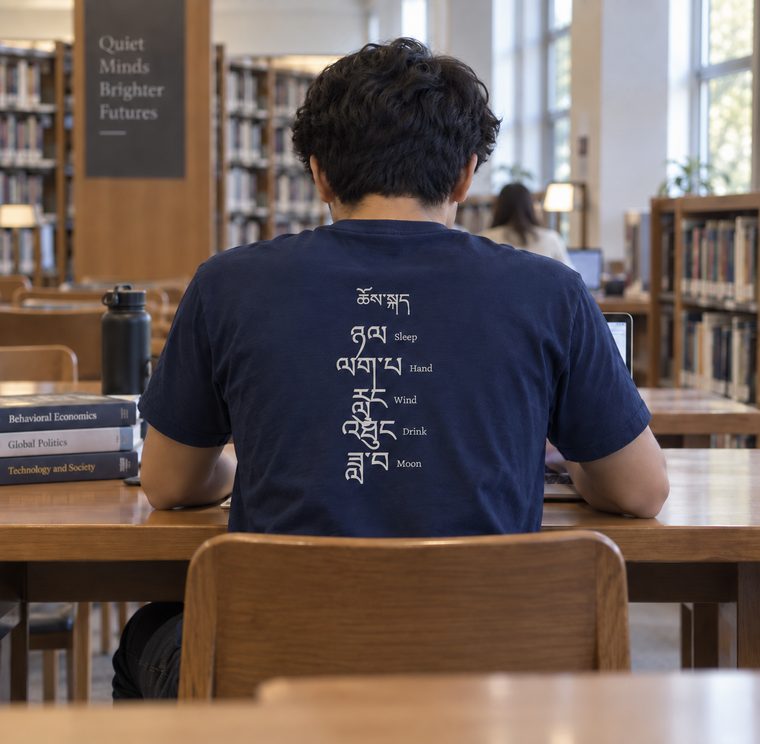
👕 The words of this language can also go on a T-shirt (below)
136 core words in Middle English
Sources
Words compared
Compared with languages in the same classification: Indo-European
| Meaning | Middle English | Old Frisian | Old English | Old Saxon | Early Modern English | Middle High German | West Flemish |
|---|---|---|---|---|---|---|---|
| Water | water /ˈwatər/ | wetir /ˈwetir/ | wæter /ˈwæter/ | watar /ˈwatar/ | water /ˈwætər/ | wazzer /ˈwasːər/ | woater /ˈwɔːtər/ |
| Fire | fyr /fyːr/ | fiūr /fjuːr/ | fȳr /fyːr/ | fiur /fiur/ | fyre /fəir/ | viur /fyːr/ | vier /viːr/ |
| Sun | sonne /ˈsunə/ | sunne /ˈsunːe/ | sunne /ˈsunːe/ | sunna /ˈsunːa/ | sunne /sʊn/ | sunne /ˈsunːə/ | zunne /ˈzœnə/ |
| Moon | mone /ˈmoːnə/ | mōna /ˈmoːna/ | mōna /ˈmoːnɑ/ | māno /ˈmaːno/ | moone /muːn/ | mâne /ˈmaːnə/ | moane /ˈmɔːnə/ |
| Star | sterre /ˈstɛrːə/ | stera /ˈstera/ | steorra /ˈsteorːɑ/ | sterro /ˈsterro/ | star /staːr/ | sterne /ˈstɛrnə/ | sterre /ˈstærə/ |
| Milky Way | milky wey /milki wɛi/ | — | Īringes weġ /ˈiːriŋɡes wej/ | — | milkie way /mɪlki wɛː/ | herstrâze /ˈhɛrstraːsə/ | — |
| Rain | reyn /ræi̯n/ | rein /rɛin/ | reġn /rejn/ | regan /ˈreɣan/ | rain /reːn/ | regen /ˈreɡən/ | regen /ˈreːhən/ |
| Rainbow | reynbowe /ˈræi̯nbɔu̯/ | reinboga /ˈreinboɣa/ | reġnboga /ˈrejnboɣɑ/ | — | rainbow /ˈreːnboː/ | regenboge /ˈreɡənboɡə/ | — |
| Thunder | thonder /ˈθundər/ | thuner /ˈθuner/ | þunor /ˈθunor/ | thuner /ˈθuner/ | thunder /ˈθʊndər/ | doner /ˈdonər/ | dunder /ˈdundər/ |
| Snow | snow /snɔu̯/ | snē /sneː/ | snāw /snɑːw/ | snēo /ˈsneːo/ | snow /snoː/ | snê /sneː/ | snêeuw /sneːw/ |
| Wind | wind /wind/ | wind /wind/ | wind /wind/ | wind /wind/ | wind /wɪnd/ | wint /wɪnt/ | wind /wɪnt/ |
| Earth | erthe /ˈeːrðə/ | irthe /ˈirθe/ | eorðe /ˈeorðe/ | ertha /ˈerθa/ | earth /ɛːrθ/ | erde /ˈɛrdə/ | eirde /ˈeːrdə/ |
| Earthquake | erthequake /ˈeːrðəˌkwaːkə/ | erthbivinge /ˈerθbiviŋɡe/ | eorþbeofung /ˈeorθˌbeofunɡ/ | erthbivunga /ˈerθbiβuŋɡa/ | earthquake /ˈɛːrθkweːk/ | ertbibe /ˈɛrtbibə/ | — |
| Stone | ston /stɔːn/ | stēn /steːn/ | stān /stɑːn/ | stēn /steːn/ | stone /stoːn/ | stein /stei̯n/ | steen /steːn/ |
| Mountain | mountayne /muːnˈtæi̯nə/ | berch /berx/ | beorg /beorɡ/ | berg /berɣ/ | mountaine /ˈməuntɪn/ | berc /bɛrk/ | berg /bɛrx/ |
| Sea | see /sɛː/ | sē /seː/ | sǣ /sæː/ | seo /ˈseːo/ | sea /seː/ | mer /mɛr/ | zêe /zeː/ |
| Island | yle /ˈiːlə/ | aland /ˈaland/ | ieg /iyːj/ | — | island /ˈəilənd/ | insel /ˈinzəl/ | — |
| East | est /ɛːst/ | āst /aːst/ | east /æɑːst/ | ōstana /ˈoːstana/ | east /iːst/ | ōsten /ˈoːstən/ | — |
| Night | night /nixt/ | nacht /naxt/ | niht /niçt/ | naht /naxt/ | night /nəit/ | naht /naxt/ | nacht /nɑxt/ |
| Yesterday | yesterday /ˈjɛstərdæi̯/ | — | ġiestrandæġ /ˈjiystrɑndæj/ | — | yesterday /ˈjɛstərdeː/ | gester /ˈɡɛstər/ | — |
| Tomorrow | tomorwe /toːˈmɔrwə/ | morgen /ˈmorɣen/ | tō morgne /toː ˈmorɣne/ | — | to morrow /təˈmɒroː/ | morgene /ˈmɔrɡənə/ | — |
| Week | wyke /ˈwikə/ | wike /ˈwike/ | wice /ˈwike/ | wika /ˈwika/ | weeke /wiːk/ | woche /ˈwoxːə/ | — |
| Monday | Monday /ˈmoːndæi/ | mōnadei /ˈmoːnadei/ | mōnandæġ /ˈmoːnɑndæj/ | — | Monday /ˈmʊndɪ/ | māntac /ˈmaːntak/ | moandag /ˈmɔːndɑx/ |
| Tuesday | Tewesday /ˈtiu̯əzdæi̯/ | tīesdei /ˈtiːesdei/ | tiwesdæg /ˈtiːwesˌdæj/ | — | Tuesday /ˈtɪu̯zdɪ/ | ziestac /ˈtsiə̯stak/ | disndag /ˈdɪsndɑx/ |
| Wednesday | Wednesday /ˈwɛdnəzˌdæi̯/ | wedenesdei /ˈwedenesdei/ | wodnesdæg /ˈwoːdnesˌdæj/ | — | Wednesday /ˈwɛnzdɪ/ | mittewoche /ˈmitːəwoxə/ | woensdag /ˈvunsdɑx/ |
| Friday | Friday /ˈfriːdæi̯/ | friadei /ˈfriːadei/ | frigedæg /ˈfriːjeˌdæj/ | — | Friday /ˈfrəidɪ/ | vritac /ˈvriːtak/ | — |
| Saturday | Saterday /ˈsatərdæi̯/ | sunnaēvend /ˈsunːaeːvend/ | sæternesdæġ /ˈsæternesˌdæj/ | — | Saturday /ˈsatərdɪ/ | sameztac /ˈsaməstak/ | — |
| Sunday | Sonday /ˈsundæi̯/ | sunnandei /ˈsunːandei/ | sunnandæġ /ˈsunːɑndæj/ | sunnundag /ˈsunːundaɣ/ | Sunday /ˈsʊndɪ/ | suntac /ˈzuntak/ | — |
| I | I /iː/ | ik /ik/ | iċ /itʃ/ | ik /ik/ | I /əi/ | ich /ix/ | ik /ɛk/ |
| You | thou /θuː/ | thū /θuː/ | þū /θuː/ | thu /θuː/ | thou /ðou/ | dû /duː/ | gie /hi/ |
| We | we /weː/ | wī /wiː/ | wē /weː/ | wī /wiː/ | we /wiː/ | wir /wir/ | wieder /ˈwidər/ |
| Person | man /man/ | manniska /ˈmanːiska/ | mann /mɑnː/ | man /man/ | person /ˈpɛrsən/ | mensch /mɛnʃ/ | mens /mɛns/ |
| Mother | moder /ˈmoːdər/ | mōder /ˈmoːder/ | mōdor /ˈmoːdor/ | mōdar /ˈmoːdar/ | mother /ˈmʊðər/ | muoter /ˈmuə̯tər/ | moeder /ˈmudər/ |
| Father | fader /ˈfaːdər/ | feder /ˈfeder/ | fæder /ˈfæder/ | fadar /ˈfadar/ | father /ˈfɑːðər/ | vater /ˈfatər/ | voader /ˈvɔːdər/ |
| Grandmother | graundame /ˈɡrau̯ndaːmə/ | aldemōder /ˈaldemoːder/ | ealdmōdor /ˈæɑldmoːdor/ | — | grandmother /ˈɡrændmʊðər/ | ane /ˈanə/ | — |
| Uncle | uncle /ˈunklə/ | federia /ˈfederia/ | fædera /ˈfæderɑ/ | — | uncle /ˈʊŋkəl/ | vetere /ˈvetere/ | — |
| Older brother | brother /ˈbroːðər/ | brōther /ˈbroːθer/ | brōþor /ˈbroːθor/ | brōthar /ˈbroːθar/ | brother /ˈbrʊðər/ | bruoder /ˈbruə̯dər/ | — |
| Daughter | doughter /ˈdou̯xtər/ | dochter /ˈdoxter/ | dohtor /ˈdoxtor/ | dohtar /ˈdoxtar/ | daughter /ˈdɔːtər/ | tohter /ˈtoxtər/ | dochter /ˈdɔxtər/ |
| Husband | husbonde /ˈhuːzˌbɔːndə/ | man /man/ | wer /wer/ | mann /man/ | husband /ˈhʊzbənd/ | man /man/ | echtgenoot /ˈɛxtxeːnoːt/ |
| Wife | wyf /wiːf/ | wīf /wiːf/ | wīf /wiːf/ | wīf /wiːf/ | wife /wəif/ | wip /wiːp/ | wuuf /wyːf/ |
| Name | name /ˈnaːmə/ | nama /ˈnama/ | nama /ˈnɑmɑ/ | namo /ˈnamo/ | name /neːm/ | name /ˈnamə/ | noame /ˈnɔːmə/ |
| Language | tonge /ˈtunɡə/ | tunge /ˈtuŋɡe/ | tunge /ˈtuŋɡe/ | tunga /ˈtuŋɡa/ | language /ˈlaŋɡwɪdʒ/ | sprāche /ˈʃpraːxə/ | toale /ˈtoːlə/ |
| King | king /kinɡ/ | kening /ˈkeniŋ/ | cyning /ˈkyninɡ/ | kuning /ˈkuniŋɡ/ | king /kɪŋ/ | künec /ˈkynek/ | — |
| Head | hed /hɛːd/ | hāved /ˈhaːved/ | hēafod /ˈhæːɑvod/ | hōbid /ˈhoːβid/ | head /hɛd/ | houbet /ˈhou̯bət/ | kop /kɔp/ |
| Eye | eye /ˈiːə/ | āge /ˈaːɣe/ | ēage /ˈæːɑɣe/ | ōga /ˈoːɡa/ | eye /əi/ | ouge /ˈou̯ɡə/ | ooge /ˈoːhə/ |
| Ear | ere /ˈɛːrə/ | āre /ˈaːre/ | ēare /ˈæːɑre/ | ōra /ˈoːra/ | ear /eːr/ | ôre /ˈoːrə/ | oor /oːr/ |
| Nose | nose /ˈnɔːzə/ | nose /ˈnoze/ | nosu /ˈnozu/ | nasa /ˈnasa/ | nose /noːz/ | nase /ˈnasə/ | neuze /ˈnøːzə/ |
| Mouth | mouth /muːθ/ | mūth /muːθ/ | mūþ /muːθ/ | mūth /muːθ/ | mouth /məuθ/ | munt /munt/ | mound /mont/ |
| Tooth | tooth /toːθ/ | tōth /toːθ/ | tōþ /toːθ/ | tand /tand/ | tooth /tʊθ/ | zan /tsan/ | tand /tɑnt/ |
| Tongue | tonge /ˈtunɡə/ | tunge /ˈtuŋɡe/ | tunge /ˈtuŋɡe/ | tunga /ˈtuŋɡa/ | tongue /tʊŋ/ | zunge /ˈtsuŋɡə/ | toenge /ˈtuŋə/ |
| Hand | hand /hand/ | hond /hond/ | hand /hɑnd/ | hand /hand/ | hand /hand/ | hant /hant/ | and /ɑnt/ |
| Thumb | thombe /ˈθumbə/ | thūma /ˈθuːma/ | þūma /ˈθuːmɑ/ | thūmo /ˈθuːmo/ | thumb /θʊm/ | dûme /ˈduːmə/ | — |
| Little finger | litel fynger /ˈlitəl ˈfinɡər/ | slūtere /ˈsluːtere/ | lȳtel finger /ˈlyːtel ˈfiŋɡer/ | — | little finger /ˈlɪtəl ˈfɪŋɡər/ | ōrvinger /ˈoːrviŋər/ | — |
| Right (side) | right /rixt/ | fērra /ˈfeːrːa/ | swīþra /ˈswiːθrɑ/ | swīthra /ˈswiːθra/ | right /rəit/ | zese /ˈtsɛsə/ | — |
| Left (side) | lift /lift/ | winstera /ˈwinstera/ | winestra /ˈwinestrɑ/ | winistar /ˈwinistar/ | left /lɛft/ | linc /lɪŋk/ | — |
| Foot | fot /foːt/ | fōt /foːt/ | fōt /foːt/ | fōt /foːt/ | foot /fʊt/ | vuoz /ˈvuo̯s/ | voet /vut/ |
| Heart | herte /ˈhɛrtə/ | herte /ˈherte/ | heorte /ˈheorte/ | herta /ˈherta/ | heart /hɛrt/ | herze /ˈhertsə/ | erte /ˈærtə/ |
| Bone | bon /bɔːn/ | bēn /beːn/ | bān /bɑːn/ | bēn /beːn/ | bone /boːn/ | bein /bei̯n/ | been /bɛːn/ |
| Blood | blood /bloːd/ | blōd /bloːd/ | blōd /bloːd/ | blōd /bloːd/ | blood /bluːd/ | bluot /bluə̯t/ | bloed /blut/ |
| Tear | teer /tɛ̝ːr/ | tār /taːr/ | tēar /tæːɑr/ | trahn /traxn/ | teare /teːr/ | zaher /ˈtsahər/ | — |
| Poop | tord /tord/ | skern /skern/ | tord /tord/ | — | turd /tɜːrd/ | schîze /ˈʃiːsə/ | — |
| Fart | fart /fart/ | — | — | — | fart /fart/ | vurz /furts/ | — |
| Love | love /ˈluvə/ | minne /ˈminːe/ | lufu /ˈluvu/ | minnia /ˈminːia/ | loue /lʊv/ | minne /ˈminːə/ | liefde /ˈliːvdə/ |
| Kiss | cos /kɔs/ | koss /kos/ | coss /koss/ | kus /kus/ | kiss /kɪs/ | kus /kus/ | — |
| Tree | tre /treː/ | bām /baːm/ | trēow /treːow/ | bōm /boːm/ | tree /triː/ | boum /bou̯m/ | boom /boːm/ |
| Dog | hound /huːnd/ | hund /hund/ | hund /hund/ | hund /hund/ | dogge /dɔɡ/ | hunt /hunt/ | hound /hont/ |
| Cat | catte /ˈkatːə/ | katte /ˈkatːe/ | catt /kɑtː/ | katta /ˈkatːa/ | cat /kat/ | katze /ˈkatsə/ | katte /ˈkɑtə/ |
| Horse | hors /hɔrs/ | hors /hors/ | hors /hors/ | hros /hros/ | horse /hɔrs/ | ros /rɔs/ | peird /peːrt/ |
| Bear | bere /ˈbɛːrə/ | — | bera /ˈbera/ | bero /ˈbero/ | bear /beːr/ | ber /bɛr/ | beir /beːr/ |
| Lion | lyoun /liˈuːn/ | lawa /lawa/ | leo /leoː/ | — | lion /ˈləiən/ | lewe /ˈlewə/ | — |
| Camel | camel /ˈkamɛl/ | — | olfend /ˈolfend/ | olbundio /ˈolβundio/ | camel /ˈkaməl/ | kemel /ˈkeməl/ | — |
| Elephant | olifant /ˈolifant/ | — | elpend /ˈelpend/ | — | elephant /ˈɛləfənt/ | elefant /ˈelefant/ | — |
| Monkey | ape /ˈaːpə/ | — | apa /ˈɑpɑ/ | apo /ˈapo/ | monkey /ˈmʊŋki/ | affe /ˈafə/ | — |
| Snake | snake /ˈsnaːkə/ | wirm /wirm/ | snaca /ˈsnɑkɑ/ | wurm /wurm/ | snake /snɛːk/ | slange /ˈslanɡə/ | — |
| Dragon | dragoun /draˈɡuːn/ | — | draca /ˈdrɑkɑ/ | — | dragon /ˈdraɡən/ | trache /ˈtraxxə/ | — |
| Spider | spynnere /ˈspinərə/ | — | atorcoppe /ˈɑːtorˌkoppe/ | — | spider /ˈspəidər/ | spinne /ˈspinə/ | kobbe /ˈkɔbə/ |
| Bat | bakke /ˈbakə/ | — | hrēremūs /ˈxreːremuːs/ | fletharmūs /ˈfleθarmuːs/ | bat /bat/ | vledermūs /ˈflɛdərmuːs/ | — |
| Bird | brid /brid/ | fugel /ˈfuɣel/ | fugol /ˈfuɣol/ | fugal /ˈfuɡal/ | bird /bɪrd/ | vogel /ˈfoɡəl/ | veugel /ˈvøːhəl/ |
| Cuckoo | cuccu /ˈkukuː/ | — | ġēac /jæːɑk/ | gōk /ɡoːk/ | cuckoo /ˈkʊkuː/ | gouch /ɡou̯x/ | koekoek /ˈkukuk/ |
| Egg | ey /æi̯/ | ei /ɛi/ | ǣġ /æːj/ | ei /ɛi/ | egge /ɛɡ/ | ei /ei̯/ | ei /ɛi/ |
| Butterfly | buterflie /ˈbutərfliː/ | — | butorflēoge /ˈbutorfleːoɣe/ | fīfoldara /ˈfiːfoldara/ | butterfly /ˈbʊtərfləi/ | vīvalter /ˈfiːfalter/ | — |
| Louse | lous /luːs/ | — | lūs /luːs/ | — | louse /ləʊs/ | lūs /luːs/ | — |
| Fish | fisch /fiʃ/ | fisk /fisk/ | fisċ /fiʃ/ | fisk /fisk/ | fish /fɪʃ/ | visch /fiʃ/ | vis /vɪs/ |
| Whale | whal /hwal/ | — | hwæl /ʍæl/ | hwal /xwɑl/ | whale /ʍeːl/ | wal /wal/ | — |
| House | hous /huːs/ | hūs /huːs/ | hūs /huːs/ | hūs /huːs/ | house /həus/ | hûs /huːs/ | uus /ʏːs/ |
| Window | wyndowe /ˈwindɔu̯ə/ | andern /ˈandern/ | ēagþȳrel /ˈæːɑɡˌθyːrel/ | — | window /ˈwɪndoː/ | venster /ˈfɛnstər/ | veister /ˈveːstər/ |
| Mirror | mirour /miˈruːr/ | spēgel /ˈspeːɣel/ | sċēawere /ˈʃæːɑwere/ | spēgal /ˈspeːɡal/ | looking glasse /ˈluːkɪŋ ɡlas/ | spiegel /ˈspiə̯ɡəl/ | — |
| Soap | sope /ˈsɔːpə/ | — | sāpe /ˈsɑːpe/ | — | sope /soːp/ | seife /ˈsei̯fə/ | — |
| Rice | rys /riːs/ | — | — | — | rice /rəis/ | rîs /riːs/ | rys /ris/ |
| Bread | bred /brɛ̝ːd/ | brad /braːd/ | hlaf /xlɑːf/ | brōd /broːd/ | bread /brɛd/ | brot /broːt/ | brood /broːt/ |
| Cheese | chese /ˈtʃeːzə/ | zīse /ˈtsiːze/ | ciese /ˈtʃiyːse/ | kāsi /ˈkaːsi/ | cheese /tʃiːz/ | kæse /ˈkæːsə/ | — |
| Butter | buter /ˈbutərə/ | butere /ˈbutere/ | butere /ˈbutere/ | — | butter /ˈbʊtər/ | buter /ˈbutər/ | beuter /ˈbøːtər/ |
| Milk | milk /milk/ | melok /ˈmelok/ | meolc /meolk/ | miluk /ˈmiluk/ | milk /mɪlk/ | milch /milç/ | melk /mɛlk/ |
| Honey | hony /ˈhuniː/ | hunich /ˈhunix/ | huniġ /ˈhunij/ | huneg /ˈhunɛɣ/ | honey /ˈhʊni/ | honec /ˈhonɛk/ | zêem /zeːm/ |
| Salt | salt /salt/ | salt /salt/ | sealt /sæɑlt/ | salt /salt/ | salt /salt/ | salz /salts/ | zout /zɔut/ |
| Sugar | sugre /ˈsiu̯ɡər/ | — | — | — | sugar | zucker /ˈtsukːər/ | suyker /ˈsykər/ |
| Chili pepper | peper /ˈpɛpər/ | piper /ˈpiper/ | pipor /ˈpipor/ | — | — | pfeffer /ˈpfɛfər/ | — |
| Orange | orenge /ɔˈrɛndʒə/ | — | — | — | orange /ˈɒrɪndʒ/ | — | sinaasappel /ˈsinɑsɑpəl/ |
| Sushi | stokfish /ˈstɔkfiʃ/ | — | — | — | stockfish /ˈstɒkfɪʃ/ | stocvisch /ˈstɔkfiʃ/ | — |
| Wine | wyn /wiːn/ | wīn /wiːn/ | wīn /wiːn/ | wīn /wiːn/ | wine /wəin/ | wîn /wiːn/ | wyn /win/ |
| Iron | iren /ˈiːrən/ | īsern /ˈiːsern/ | īsern /ˈiːzern/ | īsarn /ˈiːsarn/ | iron /ˈəirən/ | îsen /ˈiːzən/ | yzer /ˈiːzər/ |
| Gold | gold /ɡɔld/ | gold /ɡold/ | gold /ɡold/ | gold /ɡold/ | gold /ɡoːld/ | golt /ɡolt/ | — |
| Silk | silk /silk/ | sīde /ˈsiːde/ | seolc /seolk/ | — | silke /sɪlk/ | sîde /ˈsiːdə/ | zyde /ˈziːdə/ |
| Cotton | coton /kɔˈtuːn/ | — | — | — | cotton /ˈkɔtən/ | boumwolle /ˈbou̯mwolə/ | katoen /kaˈtun/ |
| Money | moneye /muˈnæi̯ə/ | ield /jeld/ | feoh /feox/ | fehu /ˈfehu/ | money /ˈmʊni/ | gelt /ɡɛlt/ | — |
| Paper | paper /paˈpeːr/ | — | carte /ˈkɑrte/ | — | paper /ˈpeːpər/ | papier /paˈpiə̯r/ | — |
| Book | bok /boːk/ | bōk /boːk/ | bōc /boːk/ | bōk /boːk/ | booke /buːk/ | buoch /buə̯x/ | boek /buk/ |
| Wheel | whel /hweːl/ | hwēl /hweːl/ | hwēol /ʍeːol/ | rath /raθ/ | wheel /ʍiːl/ | rat /rat/ | wiel /wiːl/ |
| Computer | rekenere /ˈrɛkənɛːrə/ | — | rīmere /ˈriːmere/ | — | computer /kɔmˈpiu̯tər/ | — | computer /kɔmˈpjutər/ |
| Eat | eten /ˈɛːtən/ | eta /ˈeta/ | etan /ˈetɑn/ | etan /ˈetan/ | eate /eːt/ | ezzen /ˈesːən/ | eetn /ˈeːtn̩/ |
| Drink | drinken /ˈdrinkən/ | drinka /ˈdriŋka/ | drincan /ˈdriŋkɑn/ | drinkan /ˈdrinkan/ | drinke /driŋk/ | trinken /ˈtrinkən/ | drienkn /ˈdriŋkn̩/ |
| Sleep | slepen /ˈslɛːpən/ | slēpa /ˈsleːpa/ | slǣpan /ˈslæːpɑn/ | slāpan /ˈslaːpan/ | sleepe /sliːp/ | slâfen /ˈslaːfən/ | sloapn /sloːpn̩/ |
| One | oon /oːn/ | ān /aːn/ | ān /ɑːn/ | ēn /eːn/ | one /oːn/ | ein /ei̯n/ | êen /eːn/ |
| Two | two /twɔː/ | twā /twaː/ | twā /twɑː/ | twēne /ˈtweːne/ | two /tuː/ | zwei /tswei̯/ | twêe /tweː/ |
| Three | thre /θreː/ | thrē /θreː/ | þrī /θriː/ | thrie /ˈθriːe/ | three /θriː/ | drî /driː/ | drie /driː/ |
| Four | four /fɔu̯r/ | fiūwer /ˈfjuːwer/ | fēower /ˈfeːower/ | fiuwar /ˈfiuwar/ | four /foːr/ | vier /fiːr/ | vier /viːr/ |
| Five | fyve /ˈfiːvə/ | fīf /fiːf/ | fīf /fiːf/ | fīf /fiːf/ | fiue /fəiv/ | vünf /fynf/ | vuuf /vyːf/ |
| Twenty | twenty /ˈtwɛntiː/ | twintich /ˈtwintix/ | twēntiġ /ˈtweːntij/ | twentig /ˈtwentiɣ/ | twenty /ˈtwɛnti/ | zweinzec /ˈtswei̯ntsɛk/ | — |
| Hundred | hundred /ˈhundrəd/ | hundred /ˈhundred/ | hund /hund/ | hund /hund/ | hundred /ˈhʊndrəd/ | hundert /ˈhundərt/ | hoenderd /ˈhundərt/ |
| Thousand | thousend /ˈθuːzɛnd/ | thūsend /ˈθuːsend/ | þūsend /ˈθuːsend/ | thusund /ˈθusund/ | thousand /ˈθəuzənd/ | tūsent /ˈtuːzənt/ | — |
| Ninety-nine | nynti and nyne /ˈniːntiː and ˈniːnə/ | — | nigon and hundnigontiġ /ˈniɣon ɑnd hundˈniɣontij/ | — | ninety and nine /ˈnəinti and nəin/ | niunundeniunzec /ˈnyːnundəˌnyːntsɛk/ | — |
| Hello | hail /hɛːl/ | — | wes hāl /wes hɑːl/ | heil /heil/ | good den /ɡuːd dɛn/ | gegrüezet /ɡəˈɡryːətsət/ | goeiendag /ˌhujənˈdɑh/ |
| Thank you | thank /θank/ | thank /θank/ | þanc /θɑŋk/ | thank /θaŋk/ | gramercy /ɡraˈmɛrsi/ | danc /daŋk/ | merci /mɛrˈsi/ |
| Cheers! | wassail /ˈwasæi̯l/ | — | wes hāl /wes hɑːl/ | — | I drink to you /əi driŋk tə juː/ | trinc daz ûz /triŋk das uːs/ | — |
| Good | good /ɡoːd/ | gōd /ɡoːd/ | gōd /ɡoːd/ | gōd /ɡoːd/ | good /ɡuːd/ | guot /ɡuə̯t/ | goed /hut/ |
| New | newe /ˈniu̯ə/ | nī /niː/ | nīwe /ˈniːwe/ | niuwi /ˈniuwi/ | new /nɪu̯/ | niuwe /ˈnyːwə/ | nieuw /niːw/ |
| Black | blak /blak/ | swart /swart/ | blæc /blæk/ | swart /swart/ | black /blak/ | swarz /swarts/ | zwort /zwɔrt/ |
| White | whit /hwiːt/ | hwīt /hwiːt/ | hwīt /ʍiːt/ | hwīt /hwiːt/ | white /ʍəit/ | wîz /wiːs/ | wit /wɪt/ |
| Red | reed /reːd/ | rād /raːd/ | rēad /ræːɑd/ | rōd /roːd/ | red /rɛd/ | rôt /roːt/ | rood /roːt/ |
| Yellow | yelow /ˈjɛlɔu̯/ | — | ġeolu /ˈjeolu/ | gelo /ˈɡelo/ | yellow /ˈjɛloː/ | gel /ɡɛl/ | — |
| Green | grene /ˈɡreːnə/ | grēne /ˈɡreːne/ | grēne /ˈɡreːne/ | grōni /ˈɡroːni/ | greene /ɡriːn/ | grüene /ˈɡryə̯nə/ | groene /ˈhrunə/ |
| Blue | bleu /blɛu̯/ | wēden /ˈweːden/ | hǣwen /ˈhæːwen/ | blāo /blaːo/ | blew /blɪu̯/ | blā /blaː/ | — |
| Germany | Germanie /ˈdʒɛrmaniː/ | — | Germania /ɡerˈmɑːniɑ/ | — | Germany /ˈdʒɛrməni/ | Diutschlant /ˈdyːtʃlant/ | Duutsland /ˈdyːtslɑnt/ |
| China | Cathay /kaˈtæi̯/ | — | — | — | China /ˈtʃəinə/ | — | — |
| India | Inde /ind/ | — | Indea /ˈindeɑ/ | — | India /ˈɪndiə/ | Indīā /ˈindiːaː/ | — |
| Greece | Grece /ɡreːs/ | — | Grēcland /ˈɡreːklɑnd/ | — | Greece /ɡriːs/ | Kriechenlant /ˈkriə̯xənlant/ | — |
Word order compared
Compare with major world languages
Compare with languages in the same classification
Open the interactive map: Word Map · Han Map · Name Map · Time Map · Word Order · Tree
Part of LangMap — a linguistic visualization project. This is a static, crawlable summary; the interactive maps offer pronunciation audio, filters, and a globe view.
Made by Heuron Inc. · GitHub · cho@heuron.com · LangMap home