ꆈꌠꉙ
Yi
Sino-Tibetan (Loloish)
Nuosu (Northern Yi, ꆈꌠꉙ) is the largest Yi/Loloish Sino-Tibetan language, spoken by the Yi people of the Liangshan mountains in southwestern Sichuan. It uses a unique syllabary, the modern Yi script of 1,165 characters standardized in 1975 from the older logographic Yi tradition. Nuosu features four contrastive tones, no codas, and a clan-based register tradition; it is the medium of bilingual education across Liangshan Yi Autonomous Prefecture.
Where it is spoken
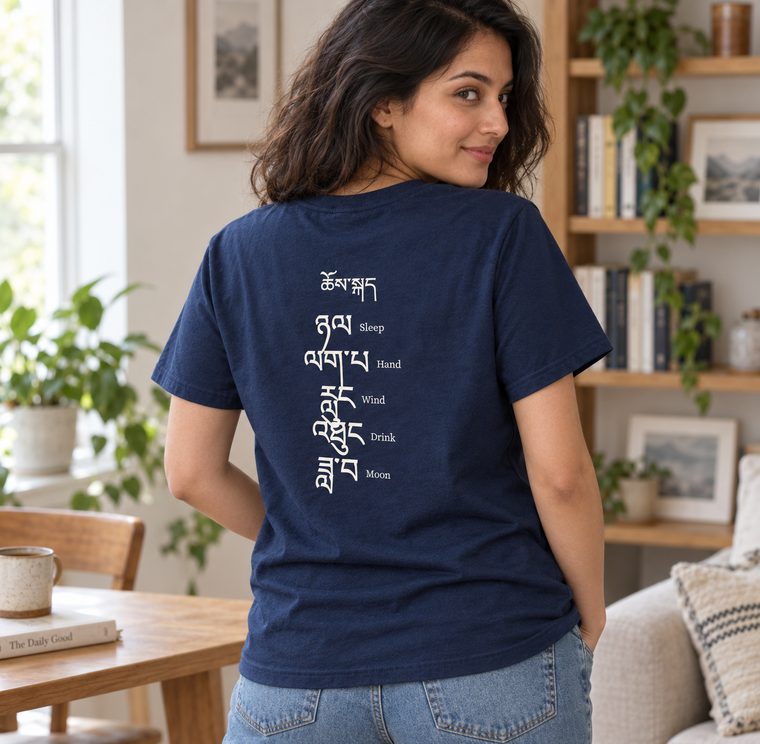
👕 The words of this language can also go on a T-shirt (below)
111 core words in Yi
Sources
- Sun Hongkai et al. 1991 (Xide Yi) via lexibank/suntb; Wiktionary Nuosu entries (rain ꂷꉐ, moon ꆪ, fire ꃆꄔ, eye ꑓ, hand ꇇ, dog ꈌ, cat ꀉꑐ, house ꑳ, five ꉬ, sun ꉘꁮ, water ꒉ)
Words compared
Compared with languages in the same classification: Sino-Tibetan
| Meaning | Yi | Azhe | Lisu | Jino | Hani | Southern Qiang | Nusu |
|---|---|---|---|---|---|---|---|
| Water | ꒉ /ʑɿ˧˧/ | ʐitɕɪ /ʐi˨˨tɕɪ˧˧/ | yi-jya /e˦˦dʒɛ˦˦/ | ji31tʃho55 /ji˧˩tʃʰo˥˥/ | wulquvq /u˥˥tɕʰu˧˩/ | tsuə /tsuə˧˧/ | ɹi31gɹɑ53 /ɹi˧˩ɡɹɑ˥˧/ |
| Fire | ꃆꄔ /mu˨˩tu˥/ | mɯtɯ /mɯ˥˥tɯ˥˥/ | a-to /ɑ˥˥to˥˥/ | mi33 /mi˧˧/ | miqzaq /mi˧˩dza˧˩/ | mi /mi˧˧/ | mi55 /mi˥˥/ |
| Sun | ꉘꁮ /ho˧˧bu˧˧/ | lodʐi /lo˨˩dʐi˨˨/ | mi-mi /mi˧˩mi˧˧/ | ȵɔ35 /ɲɔ˧˥/ | naolma /nɔ˥˥ma˧˧/ | masɿ /ma˧˧sɿ˥˥/ | ȵi35ɑ55 /ɲi˧˥ɑ˥˥/ |
| Moon | ꆧꁨ /ɬo˨˩bo˨˩/ | lobo /lo˨˨bo˨˨/ | ha-ba /hɑ˧˧bɑ˧˧/ | pu33ɬa44 /pu˧˧ɬa˦˦/ | bala /ba˧˧la˧˧/ | ɕyɕya /ɕy˧˧ɕya˥˥/ | ɬɑ31 /ɬɑ˧˩/ |
| Star | ꃅꏸ /mu˧˧tɕɿ˧˧/ | kɛzo /kɛ˧˧zo˨˩/ | ku-ra /ku˧˧zɑ˧˩/ | pu33ke33 /pu˧˧ke˧˧/ | aqgeel /a˧˩ɡɯ˥˥/ | χdʐepe /χdʐe˧˧pe˥˥/ | kɹe31lɔ35 /kɹe˧˩lɔ˧˥/ |
| Rain | ꂷꉐ /ma˧˧ha˧˧/ | muxoʐi /mu˨˩xo˨˨ʐi˨˨/ | muha /mɯ˧˩hɑ˧˧/ | mi31tha55 /mi˧˩tʰa˥˥/ | aoqsseil /ɔ˧˩ze˥˥/ | maʐi /ma˧˩ʐi˥˥/ | mɯ55ɑ31ɹuɑ55 /mɯ˥˥ɑ˧˩ɹuɑ˥˥/ |
| Rainbow | ꌋꌋ /si˧˧si˧˧/ | — | a-mu-shi-kho /ɑ˥˥mu˧˩ʃɿ˦˦kʰo˥˥/ | — | beidollulcuq /be˧˧do˥˥lu˥˥tsʰu˧˩/ | χməqutsu /χmə˥˥qu˧˩tsu˧˧/ | tshɑ̃31gɹi53ɑ31 /tsʰɑ̃˧˩ɡɹi˥˧ɑ˧˩/ |
| Thunder | ꃅꊭ /mu˧˧tsɿ̠˧˧/ | muʂa /mu˨˩ʂa˨˨/ | mu-gu /mu˧˩ɡu˧˩/ | tshɯ44na42tɯ33 /tsʰɯ˦˦na˦˨tɯ˧˧/ | aoqjiq /ɔ˧˩dʑi˧˩/ | məgo /mə˥˥ɡo˧˧/ | mɯ31gɹɯ55 /mɯ˧˩ɡɹɯ˥˥/ |
| Snow | ꃰ /vo˧˧/ | ɣo /ɣo˨˩/ | wa /wɑ˧˩/ | njɛ33ji44 /njɛ˧˧ji˦˦/ | haqju /xa˧˩dʑu˧˧/ | məpɑ /mə˧˩pɑ˥˥/ | vɑ55 /vɑ˥˥/ |
| Wind | ꃅꆳ /mu˧˧ɬɿ˧˧/ | muɬi /mu˨˩ɬi˨˨/ | mihi /mi˧˩hi˧˧/ | li31phjɐ33 /li˧˩pʰjɐ˧˧/ | jaqleil /dʑa˧˩le˥˥/ | mɑʁu /mɑ˧˧ʁu˥˥/ | mɯ55ɑ31ɬi35 /mɯ˥˥ɑ˧˩ɬi˧˥/ |
| Earth | ꊖ /tsa˧˧/ | mɪ /mɪ˧˧/ | mi-nae /mi˦˦nɛ˦˦/ | mi31tsha33 /mi˧˩tsʰa˧˧/ | mil caq /mi˥˥tsʰa˧˩/ | dzu /dzu˥˥/ | mɹi35ɑ55 /mɹi˧˥ɑ˥˥/ |
| Stone | ꇓ /lu̠˧˧/ | lumɯ /lu˧˧mɯ˨˨/ | lo-tshi /lo˦˦tsʰɿ˧˥/ | lo42mɔ44 /lo˦˨mɔ˦˦/ | haqluv /xa˧˩lu˧˧/ | ʁo /ʁo˨˦˩/ | lu̱53 /lu˥˧/ |
| Mountain | ꁧ /bo˧˧/ | bɯ /bɯ˨˨/ | ko /ko˦˦/ | ɣɯ31tha55 /ɣɯ˧˩tʰa˥˥/ | haolgaoq /xɔ˥˥ɡɔ˧˩/ | tsʰuə /tsʰuə˥˥/ | ŋu35ɑ55 /ŋu˧˥ɑ˥˥/ |
| Sea | ꎿ /ʂu̠˧˧/ | — | e-lu-be /e˦˦lu˧˩be˧˧/ | lɐ31mɔ33 /lɐ˧˩mɔ˧˧/ | lao'laoma /lɔ˧˧lɔ˧˧ma˧˧/ | ɕye /ɕye˧˧/ | shuɑ35 /sʰuɑ˧˥/ |
| East | ꁭꅐ /bu˧˦du̠˧˧/ | — | — | a33mø33 /a˧˧mø˧˧/ | — | tuŋ /tuŋ˥˥/ | ȵi31tsɑʴ35u55 /ɲi˧˩tsɑ˞˧˥u˥˥/ |
| Night | ꃅꌋ /mu˧˧si˧˧/ | kumo /kʰu˧˧mo˧˧/ | sakhua /sa˦˦kʰua˧˧/ | mi33tɕhø33 /mi˧˧tɕʰø˧˧/ | aoqqivq /ɔ˧˩tɕi˧˩/ | mudʑo /mu˧˧dʑo˨˦˩/ | suɑʴ35nɑ35 /suɑ˞˧˥nɑ˧˥/ |
| Yesterday | ꀋꅓꉇ /a˨˩ndi˧˧hi˧˦/ | — | a-nyi /ɑ˦˩ɲi˧˧/ | ji33ni33 /ji˧˧ni˧˧/ | milnao /mi˥˥nɔ˧˧/ | ȵisie /ɲi˧˩sie˧˧/ | ie31ȵi35 /ie˧˩ɲi˧˥/ |
| Tomorrow | ꃆꏂꑍ /mu˨˩ʂɿ˧˧ɲi˨˩/ | — | sha-gu /ʃɑ˥˥ɡɯ˧˧/ | mi33ɕɔ33ni33 /mi˧˧ɕɔ˧˧ni˧˧/ | neesoq /nɯ˧˧so˧˩/ | təpə /tə˧˩pə˧˧/ | ʔnɑ35bɑ35 /ʔnɑ˧˥bɑ˧˥/ |
| Monday | ꆏꊂꋍ /nɯ˧˧wa˧˧tsʰɿ˨˩/ | — | — | — | — | — | — |
| I | ꉢ /ŋa˧˧/ | ŋo /ŋo˨˨/ | ngua /ŋwa˧˧/ | ŋɔ31 /ŋɔ˧˩/ | ngal /ŋa˥˥/ | qɑ /qɑ˥˥/ | ŋɑ35 /ŋɑ˧˥/ |
| You | ꆏ /nɯ˧˧/ | nɯ /nɯ˨˨/ | nu /nu˧˧/ | nɐ31 /nɐ˧˩/ | nol /no˥˥/ | no /no˥˥/ | ȵo55 /ɲo˥˥/ |
| We | ꉪꊇ /ŋo˨˩ɣo˧˦/ | — | ngua nu /ŋwa˧˧nu˧˩/ | a33ŋ̊o33 / ŋa33jo31 /a˧˧ŋ̊o˧˧ / ŋa˧˧jo˧˩/ | ngaldu / ngalya /ŋa˥˥du˧˧ / ŋa˥˥ja˧˧/ | tsuətʰyɑ / qɑtʰyɑ /tsuə˧˩tʰyɑ˥˥ / qɑ˧˩tʰyɑ˥˥/ | ɑ55iɯ31 / ŋɑ35dɯ31 /ɑ˥˥iɯ˧˩ / ŋɑ˧˥dɯ˧˩/ |
| Person | ꊿ /tsʰo˧˧/ | tsʰɯ /tsʰɯ˨˨/ | tsho-za /tsʰo˦˦zɑ˧˩/ | tshɐ35 /tsʰɐ˧˥/ | col /tsʰo˥˥/ | mə /mə˧˧/ | su35 /su˧˥/ |
| Mother | ꀉꂿ /a˧˦mo˧˧/ | amo /a˧˧mo˨˨/ | a-ma /ɑ˦˦mɑ˦˦/ | a33mɔ44 /a˧˧mɔ˦˦/ | aqma /a˧˩ma˧˧/ | ma /ma˧˧/ | iɑ55m̩31 /iɑ˥˥m̩˧˩/ |
| Father | ꀉꄉ /a˧˦ta˧˧/ | atɪ /a˧˧tɪ˨˨/ | a-ba /ɑ˧˩bɑ˧˩/ | a33pu33 /a˧˧pu˧˧/ | aqda /a˧˩da˧˧/ | pi /pi˥˥/ | iɑ55bɑ31 /iɑ˥˥bɑ˧˩/ |
| Grandmother | ꀊꂵ /a˧˧ma˥˥/ | — | a-zhe /ɑ˥˥ʒɛ˧˩/ | a33phi33 /a˧˧pʰi˧˧/ | aqpiq /a˧˩pʰi˧˩/ | lailai /lai˥˥lai˧˧/ | iɑ55iɑ31 /iɑ˥˥iɑ˧˩/ |
| Older brother | ꃺꃶ /vɿ˥vu˧˧/ | — | a-zhi /ɑ˥˥ʒi˧˩/ | a33ʃo33 /a˧˧ʃo˧˧/ | algo /a˥˥ɡo˧˧/ | tubʐɑ /tu˥˥bʐɑ˧˩/ | iɑ55dɛ31 /iɑ˥˥dɛ˧˩/ |
| Daughter | ꀋꃋ /a˨˩mɿ˧˧/ | nɯ /nɯ˧˧/ | zamu /zɑ˧˩mɯ˧˩/ | zɔ33mi33 /zɔ˧˧mi˧˧/ | ssaqmiq /za˧˩mi˧˩/ | tɕi /tɕi˧˧/ | mi31ɑ31zɑ55 /mi˧˩ɑ˧˩zɑ˥˥/ |
| Husband | ꌐꃶ /sa˥vu˧˧/ | — | za-gu /zɑ˧˩ɡu˧˧/ | khɔ44phɔ33 /kʰɔ˦˦pʰɔ˧˧/ | — | tshieme /tsʰie˥˥me˧˩/ | n̥ɔ̃55phɑ31 /n̥ɔ̃˥˥pʰɑ˧˩/ |
| Wife | ꑮꃀ /ɕɿ˨˩mo˨˩/ | — | za-mu /zɑ˧˩mɯ˧˧/ | khɔ44mɔ44 /kʰɔ˦˦mɔ˦˦/ | — | tɕime /tɕi˥˥me˧˩/ | mi31ɑ31 /mi˧˩ɑ˧˩/ |
| Name | ꂓ /m̥i˧˧/ | mo /mo˧˧/ | myi /mi˧˧/ | a33mi33 /a˧˧mi˧˧/ | colmiaol /tsʰo˥˥mjɔ˥˥/ | χmə /χmə˥˥/ | m̥ə̃ʴ35 /m̥ə̃˞˧˥/ |
| Language | ꉙ /ho˨˩/ | ȵɪʉ /ȵɪ˨˩ʉ˨˨/ | ngo /ŋo˧˩/ | pjɐ31tɕhɐ33 /pjɐ˧˩tɕʰɐ˧˧/ | — | — | khuɔʴ55 /kʰuɔ˞˥˥/ |
| King | ꃰꃅ /vo˧˧mu˧˧/ | — | — | — | — | — | — |
| Head | ꀂꏾ /i˧˧tɕʰi˧˧/ | ɪkɯ /ɪ˥˥kɯ˧˧/ | o-du /o˥˥du˧˧/ | vu33khɛ33 /vu˧˧kʰɛ˧˧/ | wuqduq /u˧˩du˧˩/ | qəpotʂɿ /qə˧˧po˥˥tʂɿ˧˧/ | u31phu55 /u˧˩pʰu˥˥/ |
| Eye | ꑓ /ɲɔ˧˧/ | ȵɪdu /ȵɪ˧˧du˨˩/ | mya-si /miɛ˦˦sɯ˧˩/ | mja42tsi44 /mja˦˨tsi˦˦/ | miav /mja˧˧/ | mi /mi˥˥/ | miɑ53dʑi31 /miɑ˥˧dʑi˧˩/ |
| Ear | ꅻ /n̥ɯ˨˩/ | nopɯ /no˥˥pɯ˧˧/ | na-po /nɑ˦˦po˦˦/ | na33kho55 /na˧˧kʰo˥˥/ | naqbol /na˧˩bo˥˥/ | ȵikie /ɲi˧˩kie˧˧/ | n̥ɑ55shə̃ɹ35 /n̥ɑ˥˥sʰə̃ɹ˧˥/ |
| Nose | ꅳꁖ /n̥a˨˩bi˥/ | nɯbɯ /nɯ˧˧bɯ˨˩/ | na-khu /nɑ˦˦kʰu˦˦/ | nɔ33to44 /nɔ˧˧to˦˦/ | nalmeil /na˥˥me˥˥/ | χȵiqopə /χɲi˧˩qo˥˥pə˧˧/ | n̥ɑ55kɑ̃35 /n̥ɑ˥˥kɑ̃˧˥/ |
| Mouth | ꈂꀸ /kʰa˨˩pʰi˥/ | ȵipʰɪ /ȵi˨˩pʰɪ˨˩/ | mu-lu /mɯ˧˩lɯ˧˥/ | mø33mø33 /mø˧˧mø˧˧/ | meiqbaoq /me˧˩bɔ˧˩/ | χqɑ /χqɑ˥˥/ | n̥ɑ55khɔ̃35 /n̥ɑ˥˥kʰɔ̃˧˥/ |
| Tooth | ꎐꂷ /dʐɿ˧˧ma˧˧/ | dzɛ /dzɛ˨˨/ | sichi /sɿ˧˩tɕʰi˧˧/ | a33tʃɯ33 /a˧˧tʃɯ˧˧/ | seq /sɤ˧˩/ | suə /suə˥˥/ | shua55 /sʰua˥˥/ |
| Wisdom tooth | ꎐꁥ /dʐɿ˧˧bo˥˥/ | — | — | — | — | — | — |
| Tongue | ꉐꆂ /ha˧˧nɛ˧˧/ | lapi /la˧˧pi˨˩/ | lachi /la˧˧tɕʰɯ˧˧/ | mø33khɹa33 /mø˧˧kʰɹa˧˧/ | lalma /la˥˥ma˧˧/ | zɿqə /zɿ˧˩qə˥˥/ | fɹɑ35 /fɹɑ˧˥/ |
| Hand | ꇇ /lo˥/ | ɭɪ /ɭɪ˨˩/ | la-hpa /lɛ˧˩pʰɛ˧˥/ | la33pu33 /la˧˧pu˧˧/ | aqlavq /a˧˩la˧˩/ | i /i˥˥/ | ʔlɑ53 /ʔlɑ˥˧/ |
| Thumb | ꇇꃀ /lo˥mo˨˩/ | — | la-ma /lɛ˧˩mɑ˧˧/ | — | — | — | — |
| Little finger | ꇇꏸꌺ /lo˥tɕɿ˧˧zɯ˧˧/ | — | — | — | — | — | — |
| Right (side) | ꇀꑳ /la˧˦ʑi˧˧/ | — | la-zhe /lɛ˧˩ʒɛ˦˦/ | la33mɔ44 /la˧˧mɔ˦˦/ | jaqmal /dʑa˧˩ma˥˥/ | χdɑ /χdɑ˨˦˩/ | iɑ31bɑ35 /iɑ˧˩bɑ˧˥/ |
| Left (side) | ꇀꃼ /la˧˦vɿ˧˧/ | — | la-uh /lɛ˧˩ɣɯ˥˥/ | la33vu33 /la˧˧vu˧˧/ | jaqqal /dʑa˧˩tɕʰa˥˥/ | χgy /χɡy˧˧/ | ue55ɑ53 /ue˥˥ɑ˥˧/ |
| Foot | ꏸꑭ /tɕɿ˧˧ɕɿ˧˧/ | — | hchi-hpa /tɕʰi˧˧pʰɛ˧˥/ | ʃɔ33khi33 /ʃɔ˧˧kʰi˧˧/ | aqkeel /a˧˩kʰɯ˥˥/ | dʑi /dʑi˥˥/ | khɹi35 /kʰɹi˧˥/ |
| Heart | ꉌꂵ /hɛ˧˧ma˥/ | nimo /ni˧˧mo˨˨/ | ni-ma /ni˧˥ma˧˧/ | pe33sɯ33 /pe˧˧sɯ˧˧/ | neema /nɯ˧˧ma˧˧/ | χtiemə /χtie˥˥mə˥˥/ | ʔĩ31lɔ55 /ʔĩ˧˩lɔ˥˥/ |
| Bone | ꃷꅍ /vu˨˩du˧˧/ | vuka /vu˨˩ka˥˥/ | o-to /o˧˩to˧˧/ | ʃɔ44ɣɨ44 /ʃɔ˦˦ɣɨ˦˦/ | saqyyuq /sa˧˩jø˧˩/ | rɑkɑ /rɑkɑ/ | — |
| Blood | ꌦ /sɿ˧˧/ | su /su˨˩/ | si /sɿ˧˩/ | a33ɕi44 /a˧˧ɕi˦˦/ | sivq /si˧˩/ | sɑ /sɑ˧˧/ | sui55 /sui˥˥/ |
| Tear | ꑓꁴ /ɲɔ˧˧bɿ˧˧/ | — | mya-bi /miɛ˦˦bi˦˦/ | mjɐ42ji33 /mjɐ˦˨ji˧˧/ | miavbil /mja˧˧bi˥˥/ | miʁo /mi˥˥ʁo˧˧/ | ŋɯ35bɹi35ɑ55 /ŋɯ˧˥bɹi˧˥ɑ˥˥/ |
| Poop | ꐔ /tɕʰɿ˧˧/ | ɬi /ɬi˨˩/ | chi /tɕʰi˧˩/ | ɑ33khɹi33 /ɑ˧˧kʰɹi˧˧/ | xiq /ɕi˧˩/ | tʃʰɿ /tʃʰɿ˥˥/ | khji55i55 /kʰji˥˥i˥˥/ |
| Love | ꉂ /ŋɡu˧˧/ | — | gu-hpa /ɡupʰa/ | mo44e33 /mo˦˦e˧˧/ | gaq /ɡa˧˩/ | mɑ /mɑ˧˧/ | mi35 /mi˧˥/ |
| Tree | ꌩꁧ /sɿ̠˧˧bo˧˧/ | sidzɛ /si˧˧dzɛ˨˨/ | si-dzi /sɿ˧˥dzɿ˦˦/ | a33tsɯ33 /a˧˧tsɯ˧˧/ | albol /a˥˥bo˥˥/ | pʰo /pʰo˥˥/ | si53dzə̃ʴ35 /si˥˧dzə̃˞˧˥/ |
| Dog | ꈌ /kʰɯ˧˧/ | tʂʰi /tʂʰi˨˩/ | a-na /ɑ˥˥nɑ˧˩/ | khɯ33jo33 /kʰɯ˧˧jo˧˧/ | aqkeeq /a˧˩kʰɯ˧˩/ | kʰuə /kʰuə˥˥/ | khui55 /kʰui˥˥/ |
| Cat | ꀉꑐ /a˧˦ɲɛ˧˧/ | anɛ /a˥˥nɛ˧˧/ | a-nyi /ɑ˧˩ɲi˧˧/ | jɔ31mɛ44 /jɔ˧˩mɛ˦˦/ | almil /a˥˥mi˥˥/ | maȵy /ma˧˩ɲy˥˥/ | mɯ35ȵɛ31 /mɯ˧˥ɲɛ˧˩/ |
| Horse | ꃅ /mu˧˧/ | mo /mo˨˩/ | a-mo /ɑ˥˥mo˧˩/ | mjo33 /mjo˧˧/ | moq /mo˧˩/ | ʐu /ʐu˥˥/ | mɹɯ31lɑ55 /mɹɯ˧˩lɑ˥˥/ |
| Bear | ꊈ /ɣo˧˧/ | — | wo /wo˦˦/ | a33ø44 /a˧˧ø˦˦/ | haq'aol /xa˧˩ɔ˥˥/ | ti /ti˧˧/ | khui55uɑ35 /kʰui˥˥uɑ˧˥/ |
| Lion | ꆿꅪ /la˥n̥i˧˧/ | — | — | — | — | — | — |
| Elephant | ꆺ /li˨˩/ | — | ha-ma /hɑ˧˧mɑ˦˦/ | jɔ33 /jɔ˧˧/ | — | siɑŋ /siɑŋ˩˧/ | ʐɔ̃55 /ʐɔ̃˥˥/ |
| Monkey | ꀊꑙ /a˧˧ɲu˥/ | anu /a˧˧nu˥˥/ | che-mi /tʃɛ˧˥mi˦˩/ | xo31mɔ44 /xo˧˩mɔ˦˦/ | almiuvq /a˥˥mju˧˩/ | dzuə /dzuə˨˦˩/ | ʔmiu55 /ʔmiu˥˥/ |
| Snake | ꁮꏂ /bu˧˧ʂɿ˧˧/ | xɛ /xɛ˧˧/ | fu /fu˦˦/ | ɣɯ42 /ɣɯ˦˨/ | ollol /o˥˥lo˥˥/ | bəguə /bə˧˩ɡuə˨˦˩/ | vɹia55 /vɹia˥˥/ |
| Dragon | ꇐ /lu˧˧/ | — | — | pu33xo33a33mɔ33 /pu˧˧xo˧˧a˧˧mɔ˧˧/ | — | — | liu35 /liu˧˥/ |
| Spider | ꀮꑍꃀ /bu˧˧ɲi˨˩mo˨˩/ | — | nye-ma /ɲɛ˥˥mɑ˦˦/ | tɕi44tʃo33pa42tʃo33 /tɕi˦˦tʃo˧˧pa˦˨tʃo˧˧/ | — | tʂhɿtʂhɿ /tʂʰɿ˥˥tʂʰɿ˧˩/ | lɑ55bɑ̱53ɑ31 /lɑ˥˥bɑ̱˥˧ɑ˧˩/ |
| Bat | ꉌꇑ /hɛ˧˧lu˨˩/ | — | wa-la /uɑ˧˩lɑ˧˩/ | pɛ42tɕhi55 /pɛ˦˨tɕʰi˥˥/ | alkubialhhal /a˥˥kʰu˧˧bja˥˥ɣa˥˥/ | tshɿχkəmə /tsʰɿ˥˥χkə˧˧mə˧˧/ | tɕhyi31zɑ53 /tɕʰyi˧˩zɑ˥˧/ |
| Bird | ꉌꊭ /hɛ˧˧tsɿ̠˧˧/ | ȵɪzo /ȵɪ˧˧zo˨˩/ | nyae /ɲɛ˧˥/ | ŋɑ33zɔ33 /ŋɑ˧˧zɔ˧˧/ | alzil /a˥˥dzi˥˥/ | dʑeyemə /dʑe˨˦˩ye˥˥mə˧˧/ | hɑ̃53 /hɑ̃˥˧/ |
| Egg | ꏿ /tɕʰi˨˩/ | ɬo /ɬo˨˨/ | e-fu /e˥˥fu˦˦/ | ɑ33vu33 /ɑ˧˧vu˧˧/ | alwuv /a˥˥u˧˧/ | χtə /χtə˥˥/ | ɹɑ31ʔu31 /ɹɑ˧˩ʔu˧˩/ |
| Butterfly | ꁯꆮ /bu˨˩ɬu˨˩/ | — | bo-lo-na-gua /bo˦˩lo˦˦nɑ˥˥ɡuɑ˧˧/ | pu33ɬo33pu33tʃɯ33 /pu˧˧ɬo˧˧pu˧˧tʃɯ˧˧/ | allu /a˥˥lu˧˧/ | futie /fu˧˩tie˧˧/ | phɑ53ɬɑ55 /pʰɑ˥˧ɬɑ˥˥/ |
| Dragonfly | ꊴ /tsʰɛ˧˧/ | — | che-wo /tʃʰɛ˦˩ɣo˦˩/ | te55kœ33lɑ33kɐ33 /te˥˥kœ˧˧lɑ˧˧kɐ˧˧/ | adovq /a˧˧do˧˩/ | tshinthin /tsʰin˥˥tʰin˧˩/ | ɹi35liɯ31liɯ31ɑ31 /ɹi˧˥liɯ˧˩liɯ˧˩ɑ˧˩/ |
| Fish | ꉛ /hɯ˧˧/ | aŋo /a˥˥ŋo˨˩/ | ngua /ŋua˥˥/ | ŋɔ33 /ŋɔ˧˧/ | ngaqdeil /ŋa˧˩de˥˥/ | dzɿ /dzɿ˧˧/ | ŋɑ55 /ŋɑ˥˥/ |
| House | ꑳ /ʑi˧˧/ | xɛ /xɛ˨˨/ | hi /hi˧˧/ | tso31 /tso˧˩/ | laqhyul /la˧˩xø˥˥/ | tɕi /tɕi˧˧/ | iɔ35kɑʴ35 /iɔ˧˥kɑ˞˧˥/ |
| Window | ꌍꑓ /sɛ˧˦ɲɔ˧˧/ | — | nyi-mo-khu /ɲi˧˧mo˧˧kʰu˦˦/ | a33pho35 /a˧˧pʰo˧˥/ | — | tshɑŋtsɿ /tsʰɑŋ˥˥tsɿ˧˩/ | tʂhuɑ̃55tsɿ31 /tʂʰuɑ̃˥˥tsɿ˧˩/ |
| Rice | ꍯ /tʂʰɯ˧˧/ | — | dza-phu /dzɑ˧˧pʰu˧˧/ | tɕhe31 /tɕʰe˧˩/ | ceil /tsʰe˥˥/ | qʰə /qʰə˧˧/ | mɛ35mɛ31 /mɛ˧˥mɛ˧˩/ |
| Milk | ꀉꆂ /a˧˦nɛ˧˧/ | — | achi /ɑ˥˥tʃɿ˧˥/ | mɛ44ji33 /mɛ˦˦ji˧˧/ | aqqul /a˧˩tɕʰu˥˥/ | ȵyȵytsuə /ɲy˥˥ɲy˥˥tsuə˥˥/ | nɯ55nɯ31 /nɯ˥˥nɯ˧˩/ |
| Honey | ꐚꒉ /dʑi˧˧ʑɿ˧˧/ | — | bya /bjɑ˧˩/ | — | biaqeel /bja˧˩ɯ˥˥/ | — | — |
| Salt | ꋂ /tsʰɯ˧˧/ | tsʰo /tsʰo˨˩/ | tsha-bo /tsʰɑ˧˩bo˧˧/ | tsha55kha31 /tsʰa˥˥kʰa˧˩/ | caqdevq /tsʰa˧˩dɤ˧˩/ | tsʰɿ /tsʰɿ˧˧/ | tshɑ55 /tsʰɑ˥˥/ |
| Sugar | ꎬꐚ /ʂa˧˦dʑi˧˧/ | — | shua-bie /ʃuɑ˦˦biɛ˧˩/ | ʃɯ33thɐr33 /ʃɯ˧˧tʰɐr˧˧/ | poqbiav /pʰo˧˩bja˧˧/ | tɕʰytɕʰy /tɕʰy˧˩tɕʰy˥˥/ | ɕɔ̃35dɔ35 /ɕɔ̃˧˥dɔ˧˥/ |
| Potato | ꑸꑽ /ʑɛ˨˩ ʑo˥/ | — | hu-bi /xɯ˧˩bi˦˩/ | jɑ42ji55 /jɑ˦˨ji˥˥/ | — | iɑŋy /iɑŋ˧˩y˥˥/ | iɑ31ʔui35 /iɑ˧˩ʔui˧˥/ |
| Maize | ꀀꃆ /i˥ mu˨˩/ | — | kho-sha /kʰo˧˩ʃɑ˦˦/ | lo33to33 /lo˧˧to˧˧/ | ceildu /tsʰe˥˥du˧˧/ | yme /y˧˩me˧˧/ | ɑ31mɯ31 /ɑ˧˩mɯ˧˩/ |
| Tea | ꆿꒉ /la˥ʑɿ˧˧/ | — | tsha-zi /tsʰɑ˧˩zɿ˧˧/ | — | — | — | — |
| Wine | ꎧ /ndʐɿ˧˧/ | — | ji-phu /dʒi˧˧pʰɯ˧˩/ | tɕɛ42pʰɯ33 /tɕɛ˦˨pʰɯ˧˧/ | zilbaq /dzi˥˥ba˧˩/ | tɕha /tɕʰa˥˥/ | ʐi55 /ʐi˥˥/ |
| Iron | ꎸꅍ /ʂɯ˧˧du˧˧/ | xɯ /xɯ˨˨/ | xo /xo˦˦/ | ɕɛ42 /ɕɛ˦˨/ | saol /sɔ˥˥/ | ɕi /ɕi˥˥/ | ɕɑ35 /ɕɑ˧˥/ |
| Gold | ꏂ /ʂɿ˧˧/ | ʂɛ /ʂɛ˧˧/ | shi /ʃɿ˦˦/ | ɕɯ42 /ɕɯ˦˨/ | siil /sɿ˥˥/ | — | tɕi35ɑ55 /tɕi˧˥ɑ˥˥/ |
| Silk | ꁮꑟ /bu˧˧ɕi˧˧/ | — | bu /bu˧˩/ | — | buvhaqpal /bu˧˧xa˧˩pʰa˥˥/ | ʁueχto /ʁue˧˧χto˧˧/ | ɑ55ɕi31tɕhe53ɑ31 /ɑ˥˥ɕi˧˩tɕʰe˥˧ɑ˧˩/ |
| Cotton | ꌑꇌ /sa˧˦lɯ˧˧/ | — | sa-la /sɑ˥˥lɑ˨˩/ | pu33te33 /pu˧˧te˧˧/ | saqlaq /sa˧˩la˧˩/ | bəχmu /bə˧˩χmu˥˥/ | dɑ31u35ɑ55 /dɑ˧˩u˧˥ɑ˥˥/ |
| Money | ꎆꃀ /dʐɯ˧˧ mo˨˩/ | ʐimo /ʐi˨˨mo˨˨/ | phu /pʰu˦˦/ | phu31lo31 /pʰu˧˩lo˧˩/ | piul /pʰju˥˥/ | — | ŋui35ɑ55 /ŋui˧˥ɑ˥˥/ |
| Paper | ꄯꒉ /tʰɯ˨˩ʑɿ˧˧/ | — | tho-uh /tʰo˧˩ɣɯ˧˩/ | a33pjo33 /a˧˧pjo˧˧/ | — | — | uɔʴ55su35phiɑʴ55 /uɔ˞˥˥su˧˥pʰiɑ˞˥˥/ |
| Book | ꄯꒉ /tʰɯ˨˩ʑɿ˧˧/ | — | tho-uh /tʰo˧˩ɣɯ˧˩/ | a33pjo33 /a˧˧pjo˧˧/ | soqhhaq /so˧˩ɣa˧˩/ | ʒɿʒɿ /ʒɿ˧˩ʒɿ˧˧/ | uɔʴ55su35ɑ55 /uɔ˞˥˥su˧˥ɑ˥˥/ |
| Eat | ꋠ /dzɯ˧˧/ | dzo /dzo˨˩/ | dza /dza˧˩/ | tsɔ33 /tsɔ˧˧/ | zaq /dza˧˩/ | dʒɿ /dʒɿ˧˧/ | dzɑ55 /dzɑ˥˥/ |
| Drink | ꅝ /ndo˧˧/ | dʉ /dʉ˨˨/ | do /do˧˧/ | tɐ42 /tɐ˦˨/ | dol /do˥˥/ | tʰie /tʰie˧˧/ | ɕhu̱55 /ɕʰu˥˥/ |
| Sleep | ꀀ /i˥/ | ʑi /ʑi˨˩/ | e-ta /e˧˩tɑ˥˥/ | ji44 /ji˦˦/ | yiuvq /ju˧˩/ | ne /ne˥˥/ | iɔ̱53ɔ31 /iɔ˥˧ɔ˧˩/ |
| One | ꋍ /tsʰɿ˨˩/ | tsʰi /tsʰi˨˩/ | hti /tʰi˧˩/ | thi33 /tʰi˧˧/ | qiq /tɕʰi˧˩/ | tʃɿ /tʃɿ˧˧/ | thi53 /tʰi˥˧/ |
| Two | ꑍ /ɲi˨˩/ | ni /ni˨˩/ | nyi /ɲi˧˩/ | ni55 /ni˥˥/ | niq /ȵi˧˩/ | ȵi /ɲi˥˥/ | m̩55 /m̩˥˥/ |
| Three | ꌕ /sɔ˧˧/ | sɯ /sɯ˧˧/ | sa /sa˧˧/ | sø33 /sø˧˧/ | saol /sɔ˥˥/ | tsʰi /tsʰi˥˥/ | sɔ35 /sɔ˧˥/ |
| Four | ꇖ /lɿ˧˧/ | ɬi /ɬi˧˧/ | li /li˧˧/ | li33 /li˧˧/ | yuvq /ø˧˩/ | dʒɿ /dʒɿ˧˧/ | vɹi35 /vɹi˧˥/ |
| Five | ꉬ /ŋɯ˧˧/ | ŋo /ŋo˨˩/ | ngua /ŋua˧˩/ | ŋɔ33 /ŋɔ˧˧/ | ngavq /ŋa˧˩/ | ʁuɑ /ʁuɑ˧˧/ | ŋɑ53 /ŋɑ˥˧/ |
| Twenty | ꑍꊰ /ɲi˨˩tsʰi˧˧/ | — | nyi-tshi /ɲi˧˩tsʰɿ˦˦/ | ni55tshɯ42 /ni˥˥tsʰɯ˦˨/ | niqcei /ȵi˧˩tsʰe˧˧/ | nəsɑ /nə˧˩sɑ˧˧/ | m̩55tshe35 /m̩˥˥tsʰe˧˥/ |
| Hundred | ꉐ /ha˧˧/ | xo /xo˨˨/ | hya /hɛ˧˧/ | ɕɔ33 /ɕɔ˧˧/ | yal /ja˥˥/ | tʂʰi /tʂʰi˥˥/ | ɕhɑ35 /ɕʰɑ˧˥/ |
| Thousand | ꄙ /tu̠˧˧/ | — | tu /tu˦˦/ | tɕhɛ̃35 /tɕʰɛ̃˧˥/ | taol /tʰɔ˥˥/ | χto /χto˥˥/ | — |
| Ninety-nine | ꈬꊰꈬ /ɡu˧˧ tsʰi˧˧ ɡu˧˧/ | — | — | — | — | — | — |
| Thank you | ꈀꎭꎭ /kʰa˧˦ʂa˧˧ʂa˧˧/ | — | ti-tu /titu/ | — | gaq sai /ɡa˧˩ sai/ | — | — |
| Good | ꉾ /xɯ˧˧/ | mu /mu˧˧/ | ji /dʑi˧˧/ | mɯ33 /mɯ˧˧/ | meeq /mɯ˧˩/ | nɑ /nɑ˧˧/ | ge35ɑ55 /ɡe˧˥ɑ˥˥/ |
| New | ꀊꏀ /a˧˧ʂɿ˥/ | ɕi /ɕi˨˩/ | shi /ʃi˧˩/ | a33ɕi55 /a˧˧ɕi˥˥/ | siivq /sɿ˧˩/ | tsʰi /tsʰi˥˥/ | dʑɔ53 /dʑɔ˥˧/ |
| Black | ꀉꆈ /a˧˦nɔ˧˧/ | ȵɪ /ȵɪ˨˨/ | nae /nɛ˦˦/ | a33na42 /a˧˧na˦˨/ | nav /na˧˧/ | ȵiȵi /ɲi˥˥ɲi˧˩/ | nɑ35nɑ53 /nɑ˧˥nɑ˥˧/ |
| White | ꀊꐎ /a˧˧tɕʰu˧˧/ | ɬo /ɬo˨˨/ | phu /pʰu˦˦/ | a33phɹo33 /a˧˧pʰɹo˧˧/ | piul /pʰju˥˥/ | pʰʐi /pʰʐi˥˥/ | bɑ55bɑ31 /bɑ˥˥bɑ˧˩/ |
| Red | ꀊꅪ /a˧˧n̥i˧˧/ | ȵɪ /ȵɪ˧˧/ | si /sɿ˧˩/ | a33nɯ44 /a˧˧nɯ˦˦/ | nil /ȵi˥˥/ | χȵiȵi /χɲi˧˩ɲi˧˧/ | xɹi35ɑ55 /xɹi˧˥ɑ˥˥/ |
| Yellow | ꀊꏂ /a˧˧ʂɿ˧˧/ | ʂɛ /ʂɛ˧˧/ | shi /ʃɿ˧˧/ | a33ɕɯ33 /a˧˧ɕɯ˧˧/ | siil /sɿ˥˥/ | χaχa /χa˥˥χa˧˧/ | bɹu55bɹu31 /bɹu˥˥bɹu˧˩/ |
| Green | ꀈꆧ /a˥ɬo˨˩/ | — | ni-chi /ni˧˥tʃʰɿ˦˩/ | a33ny55 /a˧˧ny˥˥/ | niul /ɲu˥˥/ | χueχue /χue˧˧χue˧˩/ | ȵɯ35ȵɯ31 /ɲɯ˧˥ɲɯ˧˩/ |
| Blue | ꀊꃴ /a˧˧vu˥/ | — | ni-chi /ni˧˥tʃʰɿ˦˩/ | a33lɯ33 /a˧˧lɯ˧˧/ | peel /pʰɯ˥˥/ | lanȵi /lan˧˩ɲi˧˧/ | ȵɯ35ȵɯ31 /ɲɯ˧˥ɲɯ˧˩/ |
| Germany | ꄓꇩ /tɯ˨˩ kɔ˨˩/ | — | — | — | — | — | — |
| China | ꍏꇩ /tʂo˧˧ kɔ˨˩/ | — | cho-kuo /tɕo˦˦kuə˧˩/ | — | Zaolgoq /tsɔ˥˥ko˧˩/ | — | — |
Word order compared
Compare with major world languages
Compare with languages in the same classification
Open the interactive map: Word Map · Han Map · Name Map · Time Map · Word Order · Tree
Part of LangMap — a linguistic visualization project. This is a static, crawlable summary; the interactive maps offer pronunciation audio, filters, and a globe view.
Made by Heuron Inc. · GitHub · cho@heuron.com · LangMap home