ᱥᱟᱱᱛᱟᱲᱤ
Santali
Austroasiatic (Munda)
Santali (ᱥᱟᱱᱛᱟᱲᱤ, Santali; ISO 639-3: sat) is a North Munda language of the Austroasiatic family, spoken mainly in eastern and central India and by communities in Bangladesh and Nepal. India added Santali to the Eighth Schedule of its Constitution in 2003, recognizing the language rather than prescribing a single script. Pandit Raghunath Murmu created the 30-letter Ol Chiki script in 1925 specifically for Santali, but Santali is also written in Bengali, Devanagari, Odia, and Latin scripts according to region and institution. Its grammar marks inclusive and exclusive first-person plural pronouns, has extensive verbal inflection, and commonly follows subject–object–verb order. Ol Chiki has become an important symbol of Santal identity and is widely used in education and publishing, but its legal or administrative status varies by jurisdiction.
Where it is spoken
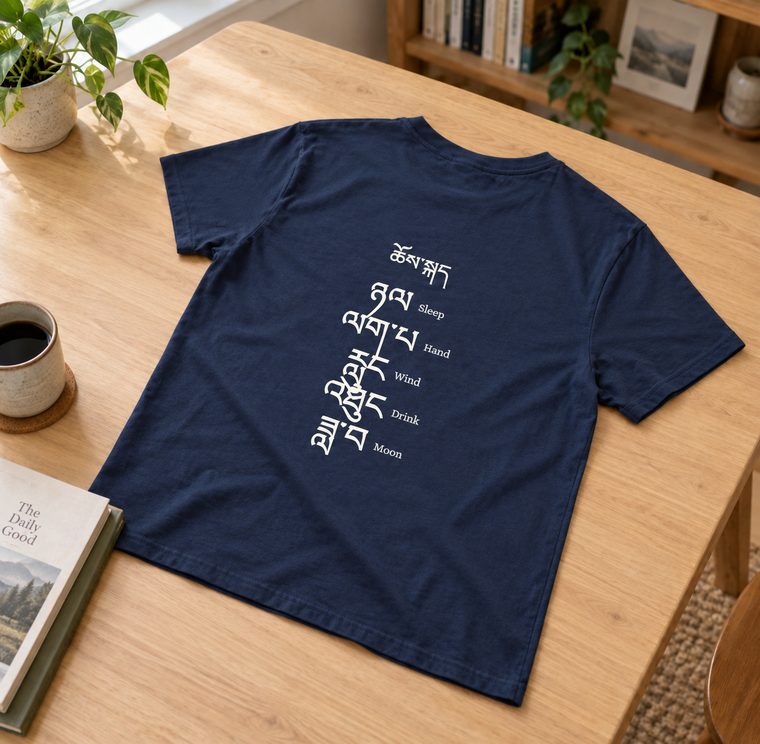
👕 The words of this language can also go on a T-shirt (below)
135 core words in Santali
ᱡᱟᱺᱵᱤᱨ
Sources
Words compared
Compared with languages in the same classification: Austroasiatic
| Meaning | Santali | Mundari | Ho | Sora | Wa | Mường | Khasi |
|---|---|---|---|---|---|---|---|
| Water | ᱫᱟᱜ /daʔ/ | daʼ /daʔ/ | daʼ /daʔ/ | dʼa /dʔa/ | rawm /rɔm/ | đác /ɗaːk/ | um /um/ |
| Fire | ᱥᱮᱝᱜᱮᱞ /seŋɡel/ | sengel /seŋɡel/ | sengel /seŋɡel/ | tʼoge /tʔoɡe/ | ngu /ŋu/ | cúi /kuj/ | ding /diŋ/ |
| Sun | ᱥᱤᱧ ᱪᱟᱸᱫᱚ /siɲ tʃãndɔ/ | singi /siŋɡi/ | singi /siŋɡi/ | uyung /ujuŋ/ | singaix /siŋaiʔ/ | măt tlời /mat tləːj/ | ka sngi /ka sŋi/ |
| Moon | ᱪᱟᱸᱫᱳ /tʃãndo/ | chandu /tʃandu/ | chanduʼ /tʃanɖuʔ/ | angaj /aŋɡadʒ/ | khix /kʰiʔ/ | tlăng /tlaŋ/ | bnai /bnai/ |
| Star | ᱤᱯᱤᱞ /ipil/ | ipil /ipil/ | ipil /ipil/ | tujtuj /tudʒtudʒ/ | simuing /simʔuɲ/ | khao /kʰaːw/ | khlur /kʰlur/ |
| Milky Way | ᱛᱳᱣᱟ ᱰᱟᱦᱟᱨ /towa ɖahar/ | gai-hora /ɡai hora/ | — | — | — | — | ka lynti bneng /ka lənti bneŋ/ |
| Rain | ᱡᱟᱹᱲᱤ /dʒəɽi/ | gama /ɡama/ | gama /ɡama/ | gənúr /ɡənur/ | lhiex /l̥ɛʔ/ | mưa /mɨə/ | slap /slap/ |
| Rainbow | ᱞᱤᱴᱟᱹ ᱟᱜ /liʈə aʔ/ | — | rulbing /rulbiŋ/ | — | siyawng /sijɔŋ/ | tòng tẫm /tɔŋ təm/ | simpyllieng /simpəlːieŋ/ |
| Thunder | ᱦᱩᱰᱩᱨ /huɖur/ | rimbil sari /rimbil saɽi/ | rimil saɽi /rimil saɽi/ | — | sinum praix /sinum praiʔ/ | khầm /kʰəm/ | pyrthat /prtʰat/ |
| Snow | ᱦᱤᱢ /him/ | — | aril /aril/ | — | rhax /r̥aʔ/ | tuyết /twiət/ | ïor /jɔr/ |
| Wind | ᱦᱚᱭ /hɔj/ | hoyo /hojo/ | hoyo /hojo/ | ringe /riŋɡe/ | bhaung /bʰaɯŋ/ | xỏ /sɔ/ | lyer /lʲer/ |
| Earth | ᱚᱛ /ɔt/ | hasa /hasa/ | hasa /hasa/ | ləbó /ləbo/ | tiex /tɛʔ/ | tất /tət/ | khyndew /kʰɨndew/ |
| Stone | ᱫᱷᱤᱨᱤ /dʱiri/ | diri /diri/ | diri /diri/ | areng /areŋ/ | simaox /simauʔ/ | khũ /kʰu/ | maw /maw/ |
| Mountain | ᱵᱩᱨᱩ /buru/ | buru /buru/ | buru /buru/ | baru /baru/ | gawng /ɡɔŋ/ | tồl /tol/ | lum /lum/ |
| Sea | ᱫᱚᱨᱭᱟ /dɔrja/ | samundar /samundar/ | doreya /doreja/ | gəning /ɡəniŋ/ | rawm sigrit sigra /rɔm siɡrit siɡra/ | pế /pe/ | duriaw /duriaw/ |
| East | ᱥᱟᱢᱟᱝ /samaŋ/ | — | — | — | plak lih /plak lih/ | — | ka mihngi /ka mihŋi/ |
| Night | ᱱᱤᱫᱟ /nida/ | nida /nida/ | nida /nida/ | togal /toɡal/ | ponsawm /ponsɔm/ | hôm /hom/ | miet /miet/ |
| Yesterday | ᱦᱚᱞᱟ /hɔla/ | hola /hola/ | hola /hola/ | rub /rub/ | kawx kawx /kɔʔ kɔʔ/ | ngày dấp /ŋaj jəp/ | mynhynnin /mənhənːin/ |
| Tomorrow | ᱜᱟᱯᱟ /ɡapa/ | gapa /ɡapa/ | gapa /ɡapa/ | biyo /bijo/ | pasax /pasaʔ/ | ngày dao /ŋaj jaːw/ | lashai /laʃai/ |
| Week | ᱦᱟᱯᱛᱟ /hapta/ | hapta /hapta/ | hat /hat/ | — | — | tuấn /twən/ | taïew /tajew/ |
| Monday | ᱚᱛᱮ ᱢᱟᱦᱟᱸ /ɔte mahã/ | somar /somar/ | sombar /sombar/ | — | ngaix tix /ŋaiʔ tiʔ/ | — | sngi Nyngkong /sŋi nəŋkoŋ/ |
| Tuesday | ᱵᱟᱞᱮ ᱢᱟᱦᱟᱸ /bale mahã/ | mangar /maŋɡar/ | mangalbar /maŋɡalbar/ | — | ngaix ra /ŋaiʔ ra/ | — | sngi Ba Ar /sŋi ba ar/ |
| Wednesday | ᱥᱟᱹᱜᱩᱱ ᱢᱟᱦᱟᱸ /səɡun mahã/ | bud /bud/ | budbar /budbar/ | — | ngaix loe /ŋaiʔ loi/ | — | sngi Balang /sŋi balaŋ/ |
| Friday | ᱡᱟᱹᱨᱩᱢ ᱢᱟᱦᱟᱸ /dʒərum mahã/ | sukruar /sukruar/ | sukurbar /sukurbar/ | — | ngaix phwan /ŋaiʔ pʰuan/ | — | sngi Thohdieng /sŋi tʰɔhdieŋ/ |
| Saturday | ᱧᱩᱦᱩᱢ ᱢᱟᱦᱟᱸ /ɲuhum mahã/ | — | sanibar /sanibar/ | — | ngaix liah /ŋaiʔ liah/ | — | sngi Saitjaiñ /sŋi saitdʒaiɲ/ |
| Sunday | ᱥᱤᱸᱜᱮ ᱢᱟᱦᱟᱸ /sĩɡe mahã/ | etwar /etwar/ | ruibar /ruibar/ | — | ngaix twah /ŋaiʔ tuah/ | — | sngi U Blei /sŋi u blei/ |
| I | ᱤᱧ /iɲ/ | aing /aiŋ/ | añ /aɲ/ | ɲen /ɲɛn/ | aux /ʔaɯʔ/ | ho /hɔ/ | nga /ŋa/ |
| You | ᱟᱢ /am/ | am /am/ | am /am/ | am /am/ | maix /maiʔ/ | da /jaː/ | me /me/ |
| We | ᱟᱵᱚ / ᱟᱞᱮ /abo / ale/ | abu / ale /abu / ale/ | abu / ale /abu / ale/ | anlen /anlen/ | ex / ix /ʔeʔ / ʔiʔ/ | chúng tôi /cuŋ toj/ | ngi /ŋi/ |
| Person | ᱦᱚᱲ /hɔɽ/ | horo /hoɽo/ | ho /ho/ | mandra /mandra/ | pui /pui/ | mõl /mɔl/ | briew /briew/ |
| Mother | ᱟᱭᱳ /ajo/ | ayo /ajo/ | enga /enɡa/ | — | miex /mɛʔ/ | mãng /maːŋ/ | mei /mei/ |
| Father | ᱟᱯᱟ /apa/ | apu /apu/ | apu /apu/ | waʼan /waʔan/ | keeing /kɯɲ/ | pổ /po/ | kpa /kpa/ |
| Grandmother | ᱟᱡᱤ /adʒi/ | — | jiya /dʒija/ | — | yiex /jɛʔ/ | — | meikha /meikʰa/ |
| Daughter | ᱦᱚᱯᱚᱱ ᱮᱨᱟ /hɔpɔn era/ | kuri hon /kuɽi hon/ | kui hon /kui hon/ | on-selo /onselo/ | kawn bun /kɔn bun/ | con cải /kɔn kaːj/ | khun kynthei /kʰun kintʰei/ |
| Husband | ᱦᱮᱨᱮᱞ /herel/ | kora /koɽa/ | herel /herel/ | — | — | — | u tnga /u tŋa/ |
| Wife | ᱮᱨᱟ /era/ | kuri /kuɽi/ | era /era/ | — | moeng /moɲ/ | — | ka tnga /ka tŋa/ |
| Name | ᱧᱩᱛᱩᱢ /ɲutum/ | nutum /nutum/ | nutum /nutum/ | anyom /aɲom/ | ceu kaux /tɕɤ kaɯʔ/ | thên /tʰen/ | kyrteng /kɨrteŋ/ |
| Language | ᱯᱟᱹᱨᱥᱤ /pərsi/ | — | kaji /kadʒi/ | — | lox /loʔ/ | thiểng /tʰiəŋ/ | ktien /ktien/ |
| King | ᱨᱟᱡᱟ /radʒa/ | raja /radʒa/ | — | — | khunhawkham /kʰun hɔ kʰam/ | vua /vuə/ | u syiem /u sʲiem/ |
| Head | ᱵᱚᱦᱚᱜ /bohoʔ/ | boʼ /boʔ/ | boʼ /boʔ/ | bʼob /bʔob/ | kaing: /kaɲ/ | tlốc /tlok/ | khlieh /kʰlieʔ/ |
| Eye | ᱢᱮᱫ /met/ | med /med/ | med /meɖ/ | mʼod /mʔod/ | ngai /ŋai/ | măt /mat/ | ka khmat /ka kʰmat/ |
| Ear | ᱞᱩᱛᱩᱨ /lutur/ | lutur /lutur/ | lutur /lutur/ | lʼud /lʔud/ | yhaok /j̊auk/ | thai /tʰaːj/ | shkor /ʃkɔr/ |
| Nose | ᱢᱩ /mũ/ | mu /mũ/ | muta /muʈa/ | mʼu /mʔu/ | meeih /mɯih/ | mũi /muj/ | khmut /kʰmut/ |
| Mouth | ᱢᱚᱪᱟ /mɔtʃa/ | mocha /motʃa/ | aa /aː/ | tʼod /tʔod/ | jheeh /dʑʰɯih/ | mồm /mom/ | shyntur /ʃəntur/ |
| Tooth | ᱰᱟᱴᱟ /ɖaʈa/ | data /data/ | data /daʈa/ | jʼi /dʒʔi/ | rhang /r̥aŋ/ | thăng /tʰaŋ/ | bniat /bniat/ |
| Tongue | ᱟᱞᱟᱝ /alaŋ/ | leʼ /leʔ/ | leʼ /leʔ/ | alang /alaŋ/ | dak /dak/ | lãi /laːj/ | thylliej /tʰəlːiet/ |
| Hand | ᱛᱤ /ti/ | ti /ti/ | ti /ti/ | sʼi /sʔi/ | taix /taiʔ/ | thay /tʰaːi/ | ka kti /ka kti/ |
| Thumb | ᱦᱟᱲᱟᱢ ᱠᱟᱹᱴᱩᱵ /haɽam kəʈub/ | — | enga daro /eŋɡa daro/ | — | giien ting /ɡiən tiɲ/ | — | 'tikmie /tikmie/ |
| Little finger | ᱥᱤᱡ ᱠᱟᱹᱴᱩᱵ /sitʃ kəʈup/ | hon-dado /hon ɖaɖo/ | hon daro /hon daro/ | — | — | — | 'tiduh /tiduʔ/ |
| Right (side) | ᱮᱛᱚᱢ /etɔm/ | jom-sa /dʒom sa/ | etom /etom/ | — | dawm /dɔm/ | — | kamon /kamon/ |
| Left (side) | ᱞᱮᱸᱜᱟ /lẽɡa/ | lenga /leŋɡa/ | — | — | guax /ɡuaʔ/ | — | kadiang /kadiaŋ/ |
| Foot | ᱡᱟᱝᱜᱟ /dʒaŋɡa/ | kata /kata/ | kata /kata/ | jʼeng /dʒʔeŋ/ | caong /tʃaɔŋ/ | chân /cən/ | ka kjat /ka kdʒat/ |
| Heart | ᱢᱳᱱ /mon/ | jiu /dʒiu/ | jii /dʒiː/ | suʼun /suʔun/ | rhawm /r̥ɔm/ | nỏ /nɔ/ | ka dohnud /ka dɔhnud/ |
| Bone | ᱡᱟᱝ /dʒaŋ/ | jang /dʒaŋ/ | jang /dʒaŋ/ | ajang /adʒaŋ/ | si-ang /siʔaŋ/ | xiêng /siəŋ/ | shyieng /ʃieŋ/ |
| Blood | ᱢᱟᱭᱟᱢ /majam/ | mayom /majom/ | mayom /majom/ | minyam /miɲam/ | nham /n̥am/ | mảu /maw/ | snam /snam/ |
| Tear | ᱢᱮᱫ ᱫᱟᱜ /met daʔ/ | med da /med da/ | med da /meɖ da/ | — | rawm ngai /rɔm ŋai/ | — | ummat /umːat/ |
| Poop | ᱤᱡ /iʔ/ | iʼ /iʔ/ | iʼ /iʔ/ | — | aing /ʔaɲ/ | é /ɛ/ | eit /eit/ |
| Love | ᱫᱩᱞᱟᱲᱤ /dulaɽi/ | dularaa /dularaː/ | dular /dulaɽ/ | adi /adi/ | moh /moh/ | thương /tʰɨəŋ/ | ieit /ieit/ |
| Tree | ᱫᱟᱨᱮ /dare/ | daru /daru/ | daru /daru/ | ara /ara/ | khaox /kʰauʔ/ | câl /kəl/ | u dieng /u dieŋ/ |
| Sunflower | ᱪᱟᱸᱫᱚ ᱢᱩᱴᱷᱟᱹᱱ ᱵᱟᱦᱟ /tʃãdɔ muʈʰən baha/ | — | — | — | — | — | u tiew-sngi /u tieu sŋi/ |
| Dog | ᱥᱮᱛᱟ /seta/ | seta /seta/ | seta /seta/ | kinsod /kinsod/ | sox /soʔ/ | chỏ /cɔ/ | u ksew /u ksew/ |
| Cat | ᱯᱩᱥᱤ /pusi/ | pusi /pusi/ | bile /bile/ | biri /biri/ | miao: /miau/ | mèo /mɛw/ | u miaw /u miau/ |
| Horse | ᱥᱟᱫᱚᱢ /sadɔm/ | sadom /sadom/ | sadom /sadom/ | kurta /kurta/ | brung /bruŋ/ | ngữa /ŋɨə/ | u kulai /u kulai/ |
| Bear | ᱵᱟᱱᱟ /bana/ | bana /bana/ | balu /balu/ | kombud /kombud/ | krih /krih/ | củ /ku/ | dngiem /dŋiem/ |
| Lion | ᱡᱟᱴᱟᱠᱩᱞ /dʒaʈakul/ | — | — | — | — | — | u sing /u siŋ/ |
| Camel | ᱩᱸᱴ /ũʈ/ | — | unt /unʈ/ | — | — | — | ut /ut/ |
| Elephant | ᱦᱟᱹᱛᱤ /həti/ | — | hati /hati/ | — | — | woi /wɔj/ | hati /hati/ |
| Monkey | ᱜᱟᱹᱲᱤ /ɡəɽi/ | bandra /bandra/ | — | karu /karu/ | — | — | u shrieh /u ʃrieʔ/ |
| Snake | ᱵᱤᱧ /biɲ/ | bing /biŋ/ | bing /biŋ/ | — | siuing /siʔuɲ/ | thảnh /tʰaɲ/ | u bsein /u bsein/ |
| Spider | ᱵᱤᱸᱫᱤ /bĩdi/ | bindram /bindram/ | bindiram /bindiram/ | — | greeih /ɡrɯih/ | diễnh /jiəɲ/ | ka thapbawa /ka tʰapbawa/ |
| Bat | ᱵᱟᱨᱫᱩᱬᱩᱡ /barduɳutʃ/ | hapu /hapu/ | — | — | blak /blak/ | tẳng /taŋ/ | lymbit /ləmbit/ |
| Bird | ᱪᱮᱺᱬᱮᱹ /tʃɛ̃ɳɛ/ | ore /oɽe/ | oe /oe/ | ontid /ontid/ | sim /sim/ | chim /cim/ | sim /sim/ |
| Cuckoo | ᱠᱚᱭᱮᱞ /kojel/ | — | — | — | eeppid /ʔɯp pit/ | — | ka khap-snem /ka kʰap snem/ |
| Egg | ᱵᱤᱞᱤ /bili/ | jarom /dʒarom/ | jarom /dʒarom/ | arre /arre/ | tawm ia /tɔm ʔia/ | tlởng /tləːŋ/ | pylleng /pəlːeŋ/ |
| Butterfly | ᱯᱤᱯᱤᱲᱤᱭᱟᱹᱝ /pipiɽijɔŋ/ | — | pampal /pampal/ | kungkudibud /kuŋkudibud/ | pung piang /puŋ piaŋ/ | pươm pưởm /pɨəm pɨəm/ | ka thapbalieh /ka tʰapbalɛʔ/ |
| Fish | ᱦᱟᱠᱳ /hako/ | hai /hai/ | haku /haku/ | ayo /ajo/ | kax /kaʔ/ | cả /kaː/ | dohkha /dɔhkʰa/ |
| Whale | ᱛᱤᱢᱤ /timi/ | — | — | — | — | — | — |
| Octopus | ᱚᱠᱴᱚᱯᱚᱥ /ɔkʈɔpɔs/ | — | — | — | — | — | — |
| House | ᱳᱲᱟᱜ /oɽaʔ/ | oraa /oraː/ | owaʼ /owaʔ/ | suʼuŋ /suʔuŋ/ | nyiex /ɲiɛʔ/ | nhà /ɲaː/ | ka ïing /ka jiŋ/ |
| Window | ᱠᱷᱤᱲᱠᱤ /kʰiɽki/ | khirki /kʰiɽki/ | kirki /kirki/ | — | — | vỏng /vɔŋ/ | — |
| Mirror | ᱟᱹᱨᱥᱤ /ərsi/ | — | arsi /arsi/ | — | siliag /siliak/ | — | — |
| Rice | ᱪᱟᱣᱞᱮ /tʃawle/ | chauli /tʃauli/ | chauli /tʃauli/ | ronko /roŋko/ | gaox /ɡauʔ/ | — | khaw /kʰaw/ |
| Milk | ᱛᱳᱚ /toa/ | toa /toa/ | towa /towa/ | ədub /ədub/ | teeh /tɯih/ | khã /kʰaː/ | dud /dud/ |
| Honey | ᱧᱮᱞᱮ ᱨᱟᱥᱟ /ɲele rasa/ | hurum suku /hurum suku/ | lele rasi /lele rasi/ | adangda /adaŋda/ | rawm hia /rɔm hia/ | mêch ong /mec ɔŋ/ | ka ngap /ka ŋap/ |
| Salt | ᱵᱩᱞᱩᱝ /buluŋ/ | bulung /buluŋ/ | bulung /buluŋ/ | basid /basid/ | kih /kih/ | bỏi /ɓɔːj/ | ka mluh /ka mluʔ/ |
| Sugar | ᱪᱤᱱᱤ /tʃini/ | chini /tʃini/ | chini /tʃini/ | sakkara /sakkara/ | nam oi: /nam ʔɔi/ | — | shini /ʃini/ |
| Potato | ᱟᱹᱞᱩ /əlu/ | alu /alu/ | — | — | — | — | phan /pʰan/ |
| Tomato | ᱵᱤᱞᱟᱹᱛᱤ /biləti/ | — | — | — | — | — | sohsaw /sɔʔsaw/ |
| Chili pepper | ᱢᱟᱺᱨᱤᱪ /mãritʃ/ | marchi /martʃi/ | — | — | — | — | — |
| Maize | ᱡᱚᱸᱰᱨᱟ /dʒɔ̃ɖra/ | — | gangai /ɡaŋɡai/ | — | sivawng /sivɔŋ/ | khãu /kʰaw/ | — |
| Orange | ᱡᱟᱺᱵᱤᱨ | narangi /naraŋɡi/ | santara /santara/ | kaməla /kaməla/ | — | — | soh niamtra /sɔʔ niamtra/ |
| Pineapple | ᱟᱱᱟᱨᱚᱥ /anarɔs/ | bilaiti kantara /bilaiti kanʈara/ | — | — | — | — | — |
| Chocolate | ᱪᱚᱠᱞᱮᱴ /tʃɔkleʈ/ | — | — | — | — | — | — |
| Tea | ᱪᱟ /tʃa/ | cha /tʃa/ | chaa /tʃaː/ | — | chax /tɕʰaʔ/ | — | sha /ʃa/ |
| Coffee | ᱠᱚᱯᱷᱤ /kɔpʰi/ | — | kaba /kaba/ | kapi /kapi/ | kha: feue: /kʰa fɤi/ | — | kophi /kopʰi/ |
| Wine | ᱫᱟᱨᱠᱷᱟ ᱨᱟᱥᱟ /darkʰa rasa/ | bino /bino/ | dakrasi /dakrasi/ | — | rawm plix siiet /rɔm pliʔ siat/ | hão /haːw/ | wain /wain/ |
| Iron | ᱢᱮᱬᱦᱮᱫ /meɳhet/ | mered /meɽeɖ/ | meed /meːɖ/ | luang /luaŋ/ | lhek /l̥ek/ | khách /kʰac/ | nar /nar/ |
| Gold | ᱥᱳᱱᱚ /sonɔ/ | sona /sona/ | — | rana /rana/ | khri /kʰri/ | wàng /waːŋ/ | ka ksiar /ka ksiar/ |
| Silk | ᱨᱮᱥᱚᱢ /resɔm/ | lumang /lumaŋ/ | — | — | pre /pre/ | lúa /luə/ | rusom /rusom/ |
| Cotton | ᱛᱩᱞᱟᱹᱢ /tuləm/ | kasom /kasom/ | kadsom /kadsom/ | — | tai /tai/ | — | kynphad /knpʰaːt/ |
| Money | ᱠᱟᱹᱣᱰᱤ /kəwɖi/ | — | taka /ʈaka/ | — | mau /maɯ/ | xiến /siən/ | ka tyngka /ka təŋka/ |
| Paper | ᱠᱟᱜᱚᱡᱽ /kaɡɔdʒ/ | kagaj /kaɡadʒ/ | sakam /sakam/ | — | — | — | kot /kot/ |
| Book | ᱯᱩᱛᱷᱤ /putʰi/ | kitab /kitab/ | puti /puti/ | potti /potti/ | phuk lai /pʰuk lai/ | chẩy /cəj/ | kot /kot/ |
| Wheel | ᱪᱚᱠ /tʃɔk/ | chak /tʃak/ | cakka /tʃakka/ | sakkaɖin /sakkaɖin/ | ling: /liɲ/ | — | ka shalyntem /ka ʃalntem/ |
| Computer | ᱠᱚᱢᱯᱩᱴᱚᱨ /kɔmpuʈɔr/ | — | — | — | cag dong /tɕak doŋ/ | — | kompiwtor /kompiwtɔr/ |
| Mobile phone | ᱢᱳᱵᱟᱭᱤᱞ ᱯᱷᱳᱱ /mobajil pʰon/ | — | — | — | — | — | ka mobile /ka mobail/ |
| Wi-Fi | ᱣᱟᱭᱯᱷᱟᱭ /wajpʰaj/ | — | — | — | — | — | — |
| Eat | ᱡᱳᱢ /dʒom/ | jom /dʒom/ | jom /dʒom/ | jum /dʒum/ | ih /ʔih/ | ăn /an/ | bam /bam/ |
| Drink | ᱧᱩ /ɲu/ | nu /nu/ | nu /nu/ | ga- /ɡa/ | nyaux /ɲaɯʔ/ | ỏng /ɔŋ/ | dih /dih/ |
| Sleep | ᱡᱟᱯᱤᱫ /dʒapit/ | durum /durum/ | duum /duːm/ | dib-mʼad-da /dibmʔadda/ | it /ʔit/ | táy /taj/ | thiah /tʰiaʔ/ |
| One | ᱢᱤᱫ /mit/ | mid /mid/ | miyad /mijad/ | aboy /aboj/ | tix /tiʔ/ | môch /moc/ | wei /wei/ |
| Two | ᱵᱟᱨ /bar/ | baria /barija/ | bariya /barija/ | bagu /baɡu/ | ra /ra/ | hal /haːl/ | ar /ar/ |
| Three | ᱯᱮ /pe/ | apia /apija/ | apiya /apija/ | yagi /jaɡi/ | loe /lɤ/ | pa /paː/ | lai /laːj/ |
| Four | ᱯᱩᱱ /pun/ | upunia /upunija/ | upunia /upunija/ | unji /undʒi/ | pon /pon/ | pổn /pon/ | saw /saw/ |
| Five | ᱢᱚᱬᱮ /mɔɳe/ | morea /moɽea/ | mooya /moːja/ | monloy /monloj/ | phuan /pʰuan/ | đăm /ɗam/ | san /san/ |
| Twenty | ᱤᱥᱤ /isi/ | hisi /hisi/ | hisi /hisi/ | bo koḍi /bo koɖi/ | nga /ŋa/ | — | arphew /arpʰew/ |
| Hundred | ᱥᱟᱭ /sae/ | sae /sae/ | mi sao /mi sao/ | molloi-kudi /molloikudi/ | yieh /jiɛh/ | tlăm /tlam/ | shispah /ʃispaʔ/ |
| Thousand | ᱦᱟᱡᱟᱨ /haɟar/ | — | — | — | — | nghín /ŋin/ | shihajar /ʃihadʒar/ |
| Ninety-nine | ᱟᱨᱮ ᱜᱮᱞ ᱟᱨᱮ /are ɡel are/ | — | — | — | tixdim dim /tiʔdim dim/ | chỉn mươl chỉn /cin mɨəl cin/ | khyndaiphew khyndai /kʰɨndaːjpʰew kʰɨndaːj/ |
| Hello | ᱡᱚᱦᱟᱨ /dʒɔhar/ | johar /dʒohar/ | johar /dʒohar/ | limtam /limtam/ | nawp nawm /nɔp nɔm/ | đám rộ /ɗaːm roː/ | khublei /kʰublei/ |
| Thank you | ᱫᱷᱚᱱᱭᱚᱵᱟᱫ /dʱonjobad/ | dhonyobad /dʱoɲobad/ | dhanybad /dʱaɲbad/ | surai /surai/ | bwanson /buan son/ | cám ơn /kaːm ɤn/ | khublei shibun /kʰublei ʃibun/ |
| Good | ᱵᱮᱥ /bes/ | bugin /buɡin/ | bugin /buɡin/ | bangsa /baŋsa/ | mhawm /m̥ɔm/ | thốch /tʰoc/ | bha /bʰaː/ |
| New | ᱱᱟᱣᱟ /nawa/ | nawa /nawa/ | nama /nama/ | tamme /tamme/ | khraox /kʰrauʔ/ | mởi /məːj/ | thymmai /tʰəmːai/ |
| Black | ᱦᱮᱸᱫᱮ /hɛnde/ | hende /hende/ | hende /hende/ | jaga /dʒaɡa/ | lung /luŋ/ | dầm /jəm/ | ïong /joŋ/ |
| White | ᱯᱳᱱᱰ /ponɖ/ | pundi /puɳɖi/ | pundi /puɳɖi/ | palu /palu/ | paing /paɲ/ | tlẳng /tlaŋ/ | lieh /leːʔ/ |
| Red | ᱟᱨᱟᱜ /araʔ/ | araʼ /araʔ/ | jenga /dʒeŋɡa/ | jʼe /dʒʔe/ | raoh /rauh/ | tó /tɔ/ | saw /saw/ |
| Yellow | ᱥᱟᱥᱟᱝ /sasaŋ/ | sasang /sasaŋ/ | sasangleka /sasaŋleka/ | sangsang /saŋsaŋ/ | lhaung /l̥aɯŋ/ | wàng /waːŋ/ | stem /stem/ |
| Green | ᱦᱟᱹᱨᱭᱟᱹᱲ /hərijəɽ/ | hariar /harijar/ | tasadleka /tasadleka/ | gən /ɡən/ | klai /klai/ | xenh /sɛɲ/ | jyrngam /dʒərŋam/ |
| Blue | ᱞᱤᱞ /lil/ | lil /lil/ | niil /niːl/ | — | klai /klai/ | — | jyrngam /dʒərŋam/ |
| Germany | ᱡᱟᱨᱢᱟᱱᱤ /dʒarmani/ | — | — | — | — | — | — |
| Japan | ᱡᱟᱯᱟᱱ /dʒapan/ | — | — | — | — | — | — |
| China | ᱪᱤᱱ /tʃin/ | — | — | — | Congkawx /tɕoŋ kɔʔ/ | — | — |
| Korea | ᱠᱳᱨᱤᱭᱟ /korija/ | — | — | — | — | — | — |
| India | ᱥᱤᱧᱚᱛ /siɲɔt/ | — | Bhart /bʱart/ | — | India /india/ | — | India /india/ |
| Greece | ᱜᱨᱤᱠ /ɡrik/ | — | — | — | — | Hi-lap /hi laːp/ | — |
Open the interactive map: Word Map · Han Map · Name Map · Time Map · Word Order · Tree
Part of LangMap — a linguistic visualization project. This is a static, crawlable summary; the interactive maps offer pronunciation audio, filters, and a globe view.
Made by Heuron Inc. · GitHub · cho@heuron.com · LangMap home