Sakizaya
Austronesian
Sakizaya is an Austronesian Formosan language of the East Formosan branch, recognized as Taiwan's 13th official aboriginal nation in 2007 after centuries of being classified within Amis (ami). The Sakizaya are the descendants of survivors of the 1878 Takobowan Massacre, when Qing forces destroyed the historic Takobowan settlement on the Hualien plain; survivors merged with Amis communities, resulting in the Sakizaya identity being linguistically and ethnically subsumed for ~125 years. The 2007 recognition came after sustained community advocacy, with the Sakizaya cultural revitalization through the annual Palamal harvest ceremony. Sakizaya retains distinct phonological features from Amis (vowel system, certain consonants) and unique vocabulary.
Where it is spoken
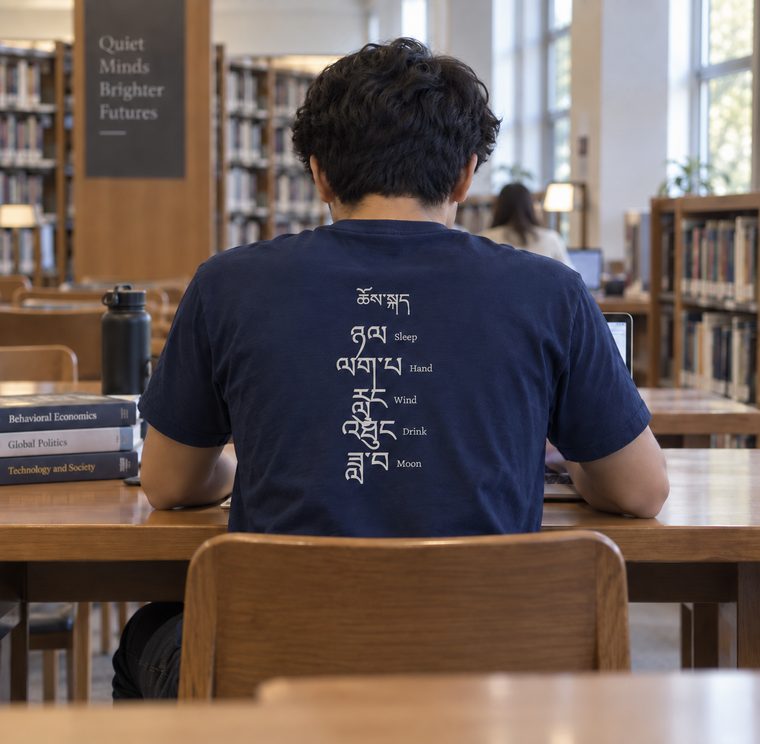
👕 The words of this language can also go on a T-shirt (below)
115 core words in Sakizaya
Wi-Fi
Sources
Words compared
Compared with languages in the same classification: Austronesian
| Meaning | Sakizaya | Amis | Old Malay | Ibanag | Kavalan | Bunun | Puyuma |
|---|---|---|---|---|---|---|---|
| Water | nanum /nanum/ | nanom /nanom/ | air /air/ | danum /danum/ | zanum /zaˈnum/ | danum /danum/ | enay /ənaj/ |
| Fire | lamal /lamal/ | namal /namal/ | — | afi /ʔafi/ | Ramaz /ʁaˈmaz/ | sapuz /sapuð/ | apuy /apuj/ |
| Sun | cilal /tsilal/ | cidal /tsiðal/ | — | — | sezang /səˈzaŋ/ | vali /vali/ | kadaw /kadaw/ |
| Moon | bulad /bulad/ | folad /folað/ | vulan /wulan/ | vulan /vulan/ | buran /buˈran/ | buan /buan/ | bulan /buɭan/ |
| Star | bunac /bunats/ | foʼis /foʔis/ | — | bitun /bitun/ | burtellan /burtəllan/ | bintuhan /bintuhan/ | triur /ʈiur/ |
| Rain | udad /udad/ | ʼorad /ʔorað/ | — | uran /ʔuɾan/ | uzan /uˈzan/ | hudan /hudan/ | udalr /udal/ |
| Rainbow | bihkac ni Edek /bihkats ni ədək/ | teker ni idek /təkər ni idək/ | — | — | qeliwaRwaR /qəliwaʁwaʁ/ | hanivalval /hanivalval/ | 'aliwanes /ʔaliwanəs/ |
| Thunder | kakeleng /kakələŋ/ | kakeleng /kakələŋ/ | — | addug /adːuɡ/ | zengzeng /zəŋˈzəŋ/ | bilva /bilva/ | drerung /ɖəruŋ/ |
| Snow | sulda /sulda/ | soleda^ /soləðaʔ/ | — | — | suRna /suʁna/ | paav /paav/ | urelra /urəla/ |
| Wind | bali /bali/ | fali /fali/ | — | paddag /paddaɡ/ | bari /baˈri/ | luvluv /luvluv/ | bali /baɭi/ |
| Earth | lalaʼ /lalaʔ/ | sera /səra/ | — | davvun /davvun/ | melanay /məɾaˈnaj/ | dalah /dalah/ | dare /darə/ |
| Earthquake | ninel /ninəl/ | lonen /lonən/ | — | — | utuz /utuz/ | — | maidraudr /maiɖauɖ/ |
| Stone | baʼtu /baʔtu/ | fokeloh /fokəloh/ | vātu /watu/ | batu /batu/ | btu /btu/ | batu /batu/ | barasa /barasa/ |
| Mountain | buyuʼ /bujuʔ/ | lotok /lotok/ | — | — | naung /nauŋ/ | ludun /ludun/ | drenan /ɖənan/ |
| Sea | bayu /baju/ | riyar /rijar/ | — | bebay /bebaj/ | razing /raziŋ/ | ning-av /niŋʔav/ | ine /inə/ |
| Island | subal /subal/ | kanatal /kanatal/ | — | — | — | mulung /muluŋ/ | datar /datar/ |
| East | tip /tip/ | wali /wali/ | — | — | waRi /waʁi/ | — | laudr /ɭauɖ/ |
| Night | labi /labi/ | lafii /lafii/ | malam /malam/ | gabi /ɡabi/ | Rabi /ʁabi/ | labian /labian/ | aremeng /arəməŋ/ |
| Yesterday | nacila /natsila/ | inacila /inatsila/ | — | — | siRab /siʁab/ | takna /takna/ | adaman /adaman/ |
| Tomorrow | anucila /anutsila/ | anocila /anotsila/ | — | — | temawaR /təmawaʁ/ | kutun /kutun/ | 'emanan /ʔəmanan/ |
| I | kaku /kaku/ | kako /kako/ | aku /aku/ | sakan /sakan/ | aiku /aiku/ | saikin /saikin/ | kuiku /kuiku/ |
| You | kisu /kisu/ | kiso /kiso/ | kamu /kamu/ | sikaw /sikaw/ | aisu /aisu/ | suu /suʔu/ | yu /ju/ |
| We | kita / kami /kita / kami/ | kita / kami /kita / kami/ | kita / kami /kita / kami/ | sittam / sikami /sittam / sikami/ | aita / aimi /aita / aimi/ | kata / kaimin /kata / kaimin/ | tayta / mimi /tajta / mimi/ |
| Person | tademaw /tadəmaw/ | tamdaw /tamðaw/ | uraṁ /uraŋ/ | tolay /tolaj/ | lazat /lazat/ | bunun /bunun/ | trau /ʈau/ |
| Mother | ina /ina/ | ina /ina/ | aya /aja/ | yena /jena/ | tina /ˈtina/ | tina /tina/ | ina /ina/ |
| Father | ama /ama/ | mama /mama/ | bapa /bapa/ | yama /jama/ | tama /ˈtama/ | tama /tama/ | ama /ama/ |
| Grandmother | bai /bai/ | mamo /mamo/ | — | — | bai /bai/ | cinahudas /tsinahudas/ | emu /əmu/ |
| Uncle | baki /baki/ | faki /faki/ | — | — | tama /ˈtama/ | — | ama /ama/ |
| Older brother | kaka /kaka/ | kaka /kaka/ | — | — | qaqa /ˈqaqa/ | masituhas /masituhas/ | baelri /baəli/ |
| Daughter | tatayna a wawa /tatajna a wawa/ | fafahiyan a wawa /fafahijan a wawa/ | — | — | — | uvaazpingaz /uvaaðpiŋað/ | walrak na babayan /walak na babajan/ |
| Husband | acawa /atsawa/ | faʼinay /faʔinaj/ | — | atawa /ʔatawa/ | napawan /napawan/ | mabananaz /mabananað/ | kataguwin /kataɡuwin/ |
| Wife | acawa /atsawa/ | fafahi /fafahi/ | — | atawa /ʔatawa/ | napawan /napawan/ | pingaz /piŋað/ | kataguwin /kataɡuwin/ |
| Name | ngangan /ŋaŋan/ | ngangan /ŋaŋan/ | nama /nama/ | ngagan /ŋaɡan/ | nangan /naŋan/ | ngaan /ŋaan/ | ngalad /ŋaɭad/ |
| Head | tangah /taŋah/ | tangal /taŋal/ | — | ulu /ʔulu/ | uRu /uʁu/ | bungu /buŋu/ | tranguru /ʈaŋuru/ |
| Eye | mata /mata/ | mata /mata/ | — | mata /mata/ | mata /maˈta/ | mata /mata/ | matra /maʈa/ |
| Ear | tangila /taŋila/ | tangila /taŋila/ | — | talinga /taliŋa/ | kayal /kajal/ | tangia /taŋia/ | trangila /ʈaŋiɭa/ |
| Nose | cihek /tsihək/ | ngosoʼ /ŋosoʔ/ | — | igung /ʔiɡuŋ/ | unung /unuŋ/ | ngutus /ŋutus/ | tingeran /tiŋəran/ |
| Mouth | laway /lawaj/ | ngoyos /ŋojos/ | — | simu' /simuʔ/ | ngibiR /ŋibiʁ/ | ngulus /ŋulus/ | indan /indan/ |
| Tooth | ngipen /ŋipən/ | wadis /waðis/ | — | ngipan /ŋipan/ | bangRaw /baŋʁaw/ | niipun /niipun/ | walri /wali/ |
| Tongue | sema /səma/ | sema^ /səmaʔ/ | — | zila /zila/ | rilam /rilam/ | maʼma /maʔma/ | sema /səma/ |
| Hand | lima /lima/ | kamay /kamaj/ | — | lima /lima/ | rima /riˈma/ | ima /ima/ | lima /ɭima/ |
| Thumb | tatuzuʼ /tatuzuʔ/ | salitataʼang /salitataʔaŋ/ | — | — | semuRaya /səmuʁaja/ | tanastama /tanastama/ | atrengalran /aʈəŋalan/ |
| Right (side) | kawanan /kawanan/ | kawanan /kawanan/ | kanan /kanan/ | ziwanan /ziwanan/ | kawanan /kawanan/ | tanavanan /tanavanan/ | tarawalran /tarawalan/ |
| Left (side) | kawiliʼ /kawiliʔ/ | kawili /kawili/ | kiri /kiri/ | zimigi /zimiɡi/ | kawili /kawili/ | tanavili /tanavili/ | tarawiri /tarawiri/ |
| Foot | kukuʼ /kukuʔ/ | waʼay /waʔaj/ | — | takki /takki/ | zapan /zaˈpan/ | bantas /bantas/ | kuy /kuj/ |
| Heart | balucuʼ /balutsuʔ/ | falocoʼ /falotsoʔ/ | — | futu /futu/ | anem /aˈnəm/ | is-aang /isaaŋ/ | muredudu /murədudu/ |
| Bone | ukak /ukak/ | ʼokak /ʔokak/ | — | tulang /tulaŋ/ | tiRRan /tiʁʁan/ | tuhnaz /tuhnað/ | ukak /ukak/ |
| Blood | izang /izaŋ/ | remes /rəməs/ | — | daga /daɡa/ | Rinang /ʁinaŋ/ | haidang /haidaŋ/ | damuk /damuk/ |
| Poop | taiʼ /taiʔ/ | tayiʼ /tajiʔ/ | tahi /tahi/ | — | tad /tad/ | taki /taki/ | trai /ʈai/ |
| Fart | esus /əsus/ | — | — | — | — | — | — |
| Love | manamuh /manamuh/ | maolah /maolah/ | — | — | — | madaidaz /madaidað/ | sagar /saɡar/ |
| Tree | kilang /kilaŋ/ | kilang /kilaŋ/ | kayu /kaju/ | kayu /kaju/ | paRin /paˈʁin/ | lukis /lukis/ | kawi /kawi/ |
| Dog | wacu /watsu/ | waco /watso/ | anjing /andʒiŋ/ | kitu /kitu/ | wasu /waˈsu/ | asu /asu/ | suwan /suwan/ |
| Cat | naniʼ /naniʔ/ | posi /posi/ | — | kitaw /kitaw/ | saku /saˈku/ | naung /nauŋ/ | ngiyaw /ŋijaw/ |
| Horse | kabayu /kabaju/ | efa /əfa/ | — | — | kebayu /kəbaju/ | tasasikis /tasasikis/ | ba /ba/ |
| Bear | tumay /tumaj/ | tomay /tomaj/ | — | — | tumay /tuˈmaj/ | tumaz /tumað/ | trumay /ʈumaj/ |
| Lion | layung /lajuŋ/ | — | — | — | — | — | — |
| Elephant | zu /zu/ | eco /ətso/ | — | — | zuʼ /zuʔ/ | — | zo /ʐo/ |
| Monkey | ungay /uŋaj/ | lotong /lotoŋ/ | — | — | Rutung /ʁutuŋ/ | utung /utuŋ/ | lutung /ɭutuŋ/ |
| Snake | bau /bau/ | ʼoner /ʔonər/ | — | iraw /ʔiɾaw/ | siqqay /siqqaj/ | ivut /ivut/ | unan /unan/ |
| Bat | bidadiki /bidadiki/ | fidadoki /fiðaðoki/ | — | — | pelikid /pəlikid/ | laininataz /laininatað/ | balakenitr /baɭakəniʈ/ |
| Bird | ayam /ajam/ | ʼayam /ʔajam/ | — | mamanu' /mamanuʔ/ | alam /aˈlam/ | hazam /haðam/ | ayam /ajam/ |
| Turkey | siminciw /simintsiw/ | siciminciw /sitsimintsiw/ | — | — | — | kulukuluk /kulukuluk/ | — |
| Egg | tiʼkuk /tiʔkuk/ | fitaʼol /fitaʔol/ | tallur /təlur/ | illuk /ʔilluk/ | tiRuR /tiʁuʁ/ | lulubunun /lulubunun/ | bitrenun /biʈənun/ |
| Butterfly | adipapang /adipapaŋ/ | ʼadipangpang /ʔaðipaŋpaŋ/ | — | — | pulaw /pulaw/ | balikuan /balikuan/ | aribanglranglrawan /aribaŋlaŋlawan/ |
| Dragonfly | beded /bədəd/ | cacidoʼ /tsatsiðoʔ/ | — | — | putit /putit/ | salinhanuaz /salinhanuað/ | tibalrbalr /tibalbal/ |
| Cockroach | dadipis /dadipis/ | dadipis /daðipis/ | — | — | sipes /sipəs/ | hatabang /hatabaŋ/ | lalaib /ɭaɭaib/ |
| Louse | kutu /kutu/ | koto /koto/ | — | kutu /kutu/ | qutu /qutu/ | kutu /kutu/ | kutru /kuʈu/ |
| Fish | buting /butiŋ/ | foting /fotiŋ/ | — | sira /siɾa/ | baut /baut/ | iskaan /iskaan/ | kuraw /kuraw/ |
| Whale | isuʼ /isuʔ/ | ʼiso /ʔiso/ | — | — | parbaquyan /parbaqujan/ | — | — |
| House | lumaʼ /lumaʔ/ | lomaʼ /lomaʔ/ | rumah /rumah/ | balay /balaj/ | leppaw /ləppaw/ | lumah /lumah/ | ruma /ruma/ |
| Soap | sabun /sabun/ | safon /safon/ | — | — | sabun /sabun/ | siking /sikiŋ/ | sabun /sabun/ |
| Rice | belac /bəlats/ | felac /fəlats/ | barras /bəras/ | — | beRas /bəʁas/ | cilas /tsilas/ | beras /bəras/ |
| Milk | hacul /hatsul/ | hacol /hatsol/ | — | gatto' /ɡattoʔ/ | guling /ɡuliŋ/ | susu /susu/ | miruku /miruku/ |
| Honey | wadu /wadu/ | waneng no ʼodal /wanəŋ no ʔoðal/ | — | — | wanu /wanu/ | vanu /vanu/ | walru /walu/ |
| Salt | cikah /tsikah/ | cilah /tsilah/ | — | asin /ʔasin/ | zmian /zmian/ | hasila /hasila/ | iyam /ijam/ |
| Sugar | waneng /wanəŋ/ | waneng /wanəŋ/ | — | — | waneng /waˈnəŋ/ | kamasia /kamasia/ | walru |
| Tomato | kamulaw /kamulaw/ | tomato /tomato/ | — | — | mutideng /mutidəŋ/ | tumatu /tumatu/ | kanabinabitan /kanabinabitan/ |
| Chili pepper | daydam /dajdam/ | damidam /ðamiðam/ | — | — | sili /sili/ | — | kamangulr /kamaŋul/ |
| Maize | kubkub /kubkub/ | ariray /ariraj/ | — | — | mais /mais/ | tibul /tibul/ | kadumu /kadumu/ |
| Orange | kama /kama/ | mamiʼ /mamiʔ/ | — | — | mulu /mulu/ | izuk /iðuk/ | asiru |
| Pineapple | padingad /padiŋad/ | talacay /talatsaj/ | — | — | unglay /uŋlaj/ | bunglai /buŋlai/ | pangudralr /paŋuɖal/ |
| Tea | ucya /utsja/ | ociya /otsija/ | — | — | — | ucia /utsia/ | — |
| Coffee | kuhi /kuhi/ | kohi /kohi/ | — | — | — | kapi /kapi/ | — |
| Wine | epah /əpah/ | fadisosoʼ a ^pah /faðisosoʔ a ʔpah/ | tuwak /tuwak/ | binarayang /binaɾajaŋ/ | Raq /ʁaq/ | davus /davus/ | eraw /əraw/ |
| Iron | mukin /mukin/ | marad /marað/ | — | — | balis /baˈlis/ | ngul-a /ŋulʔa/ | batulrayaw /batulajaw/ |
| Money | kalisiw /kalisiw/ | pida /piða/ | — | — | kelisiw /kəlisiw/ | sui /sui/ | paisu /paisu/ |
| Paper | tatipeluk /tatipəluk/ | tipelok /tipəlok/ | — | — | tepuluk /təpuluk/ | — | kadupu /kadupu/ |
| Book | cudad /tsudad/ | codad /tsoðað/ | — | libru /libɾu/ | sudad /sudad/ | patasan /patasan/ | tilin /tiɭin/ |
| Wheel | bihel /bihəl/ | fiher /fihər/ | — | — | krizeng /kriˈzəŋ/ | tauntaun /tauntaun/ | mutralatralaw /muʈalaʈalaw/ |
| Computer | tingnaw /tiŋnaw/ | tingnaw /tiŋnaw/ | — | — | tiannaw /tiannaw/ | tinnau /tinnau/ | tinnaw /tinnaw/ |
| Mobile phone | limaki /limaki/ | soci /sotsi/ | — | — | — | takuta /takuta/ | — |
| Wi-Fi | Wi-Fi | — | — | — | — | — | — |
| Eat | mukan /mukan/ | komaen /komaən/ | mākan /makan/ | kuman /kuman/ | quman /quˈman/ | maun /maun/ | mekan /məkan/ |
| Drink | minanum /minanum/ | minanom /minanom/ | minuṁ /minum/ | uminum /ʔuminum/ | mimum /miˈmum/ | huud /huud/ | tremekel /ʈəməkəɭ/ |
| Sleep | mabiʼ /mabiʔ/ | mafotiʼ /mafotiʔ/ | — | makkaturug /makkatuɾuɡ/ | mainep /maiˈnəp/ | masabah /masabah/ | alrupe /alupə/ |
| One | cacay /tsatsaj/ | cecay /tsətsaj/ | sa /sa/ | tadday /taddaj/ | issa /ˈissa/ | tasa /tasa/ | sa /sa/ |
| Two | tusa /tusa/ | tosa /tosa/ | dua /dua/ | duwa /duwa/ | zusa /zusa/ | dusa /dusa/ | druwa /ɖuwa/ |
| Three | tulu /tulu/ | tolo /tolo/ | tlu /tlu/ | tallu /tallu/ | turu /tuɾu/ | tau /tau/ | telu /təɭu/ |
| Four | sepat /səpat/ | sepat /səpat/ | mpat /mpat/ | appa' /ʔappaʔ/ | spat /spat/ | paat /paat/ | pat /pat/ |
| Five | lima /lima/ | lima /lima/ | lima /lima/ | lima /lima/ | rima /riˈma/ | hima /hima/ | lima /ɭima/ |
| Hundred | lasubu /lasubu/ | smoʼot /smoʔot/ | ratus /ratus/ | magatu' /maɡatuʔ/ | Rasibu /ʁasibu/ | saba /saba/ | saleman /saɭəman/ |
| Hello | mahica tu /mahitsa tu/ | ngaʼay ho /ŋaʔaj ho/ | — | — | — | mihumisang /mihumisaŋ/ | inabayan /inabajan/ |
| Thank you | kukay /kukaj/ | aray /araj/ | — | mabbalo' /mabbaloʔ/ | wanay /wanaj/ | uninang /uninaŋ/ | lrayuwan /lajuwan/ |
| Cheers! | uwak /uwak/ | ʼowak /ʔowak/ | — | — | ququq /ququq/ | — | — |
| Good | kapah /kapah/ | kapah /kapah/ | — | mapia /mapia/ | nngi /nŋi/ | masial /masial/ | inaba /inaba/ |
| New | baluhay /baluhaj/ | fa^lohay /faʔlohaj/ | — | bagu /baɡu/ | tasu /tasu/ | bahlu /baɬu/ | bekal /bəkaɭ/ |
| Black | lumeniʼ /luməniʔ/ | kohtingay /kohtiŋaj/ | — | ngisi' /ŋisiʔ/ | tengen /təŋən/ | matahdung /matahduŋ/ | udreudrem /uɖəuɖəm/ |
| White | sanglac /saŋlats/ | fohecalay /fohətsalaj/ | — | furaw /fuɾaw/ | busaR /busaʁ/ | maduhlas /maduɬas/ | bulenan /buɭənan/ |
| Red | sumanah /sumanah/ | kahengangay /kahəŋaŋaj/ | — | uzzin /ʔuzzin/ | tebaRi /təbaʁi/ | madanghas /madaŋhas/ | midrarang /miɖaraŋ/ |
| Green | langdaway /laŋdawaj/ | kangdaway /kaŋdawaj/ | — | verde /veɾde/ | puli /puli/ | masanglav /masaŋlav/ | miraat /miraat/ |
| Blue | sumilaway /sumilawaj/ | langdaway /laŋdawaj/ | — | — | puli /puli/ | masanglav /masaŋlav/ | tremangiya /ʈəmaŋija/ |
| Japan | Lipun /lipun/ | Ripon /ripon/ | — | — | zippun /zippun/ | Lipung /lipuŋ/ | Dripung /ɖipuŋ/ |
| China | Cong-kow /tsoŋkow/ | Ciwkoku /tsiwkoku/ | — | — | — | Tailuku /taiɬuku/ | — |
| India | India /india/ | Intiya /intija/ | — | — | — | — | — |
Open the interactive map: Word Map · Han Map · Name Map · Time Map · Word Order · Tree
Part of LangMap — a linguistic visualization project. This is a static, crawlable summary; the interactive maps offer pronunciation audio, filters, and a globe view.
Made by Heuron Inc. · GitHub · cho@heuron.com · LangMap home