Englisċ
Inglese antico
Indoeuropeo
L'inglese antico (Englisċ, «la lingua inglese») era la lingua germanica occidentale parlata in Inghilterra dalla migrazione anglosassone (V secolo d.C.) fino a circa il 1100, dopodiché gli influssi francesi e norreni derivati dalla conquista normanna (1066) catalizzarono la sua evoluzione in inglese medio (enm). Il principale corpus letterario anglosassone comprende il Beowulf, la Cronaca anglosassone, il Libro di Exeter, il Libro di Vercelli e la Storia ecclesiastica di Beda (originale latino con traduzione in inglese antico in dialetto del Wessex a opera della cerchia di Alfredo il Grande, IX-X secolo). L'inglese antico mostra tratti germanici classici: classi di verbi forti/deboli, quattro casi (nominativo/accusativo/genitivo/dativo), genere grammaticale (maschile/femminile/neutro). Lo studio moderno si è incentrato principalmente sullo standard letterario sassone occidentale (dialetto del Wessex; cfr. Mitchell & Robinson 1992).
Dove si parlava
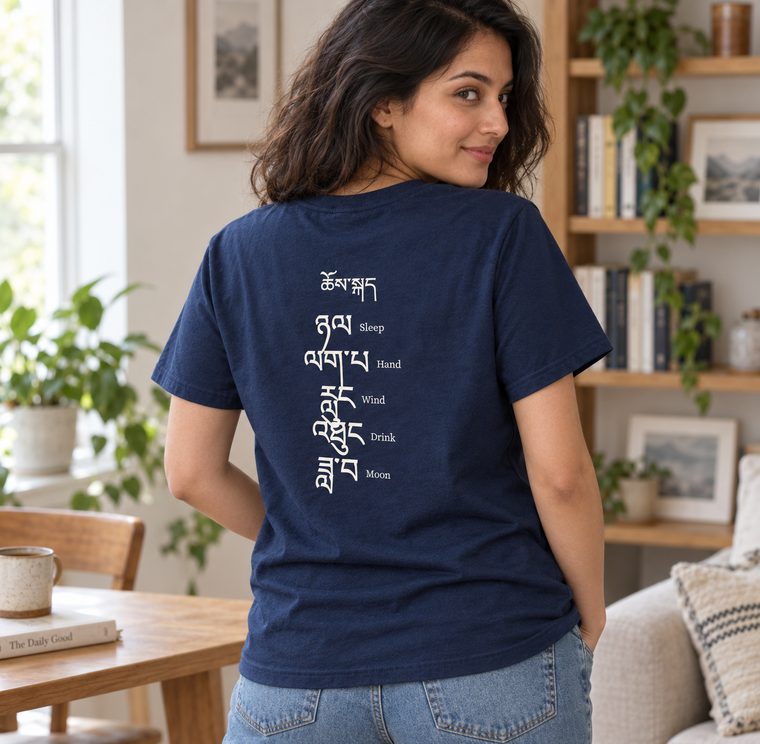
👕 Le parole di questa lingua anche su una t-shirt (sotto)
131 parole essenziali in inglese antico
Fonti
Parole a confronto
Confronto con lingue della stessa classificazione: indoeuropeo
| Significato | Inglese antico | Antico frisone | Sassone antico | Inglese medio | Gotico | Alto tedesco antico | Medio alto tedesco |
|---|---|---|---|---|---|---|---|
| Acqua | wæter /ˈwæter/ | wetir /ˈwetir/ | watar /ˈwatar/ | water /ˈwatər/ | 𐍅𐌰𐍄𐍉 /ˈwatoː/ | wazzar /ˈwassar/ | wazzer /ˈwasːər/ |
| Fuoco | fȳr /fyːr/ | fiūr /fjuːr/ | fiur /fiur/ | fyr /fyːr/ | 𐍆𐍉𐌽 /foːn/ | fiur /fiur/ | viur /fyːr/ |
| Sole | sunne /ˈsunːe/ | sunne /ˈsunːe/ | sunna /ˈsunːa/ | sonne /ˈsunə/ | 𐍃𐌿𐌽𐌽𐍉 /ˈsunːoː/ | sunna /ˈsunna/ | sunne /ˈsunːə/ |
| Luna | mōna /ˈmoːnɑ/ | mōna /ˈmoːna/ | māno /ˈmaːno/ | mone /ˈmoːnə/ | 𐌼𐌴𐌽𐌰 /ˈmeːna/ | māno /ˈmaːno/ | mâne /ˈmaːnə/ |
| Stella | steorra /ˈsteorːɑ/ | stera /ˈstera/ | sterro /ˈsterro/ | sterre /ˈstɛrːə/ | 𐍃𐍄𐌰𐌹𐍂𐌽𐍉 /ˈstɛrnoː/ | sterno /ˈsterno/ | sterne /ˈstɛrnə/ |
| Via Lattea | Īringes weġ /ˈiːriŋɡes wej/ | — | — | milky wey /milki wɛi/ | — | — | herstrâze /ˈhɛrstraːsə/ |
| Pioggia | reġn /rejn/ | rein /rɛin/ | regan /ˈreɣan/ | reyn /ræi̯n/ | 𐍂𐌹𐌲𐌽 /riɡn/ | regan /ˈreɡan/ | regen /ˈreɡən/ |
| Arcobaleno | reġnboga /ˈrejnboɣɑ/ | reinboga /ˈreinboɣa/ | — | reynbowe /ˈræi̯nbɔu̯/ | — | reganbogo /ˈreɡanboɡo/ | regenboge /ˈreɡənboɡə/ |
| Tuono | þunor /ˈθunor/ | thuner /ˈθuner/ | thuner /ˈθuner/ | thonder /ˈθundər/ | 𐌸𐌴𐌹𐍈𐍉 /ˈθiːʍoː/ | donar /ˈdonar/ | doner /ˈdonər/ |
| Neve | snāw /snɑːw/ | snē /sneː/ | snēo /ˈsneːo/ | snow /snɔu̯/ | 𐍃𐌽𐌰𐌹𐍅𐍃 /snɛːws/ | snēo /sneːo/ | snê /sneː/ |
| Vento | wind /wind/ | wind /wind/ | wind /wind/ | wind /wind/ | 𐍅𐌹𐌽𐌳𐍃 /winds/ | wint /wint/ | wint /wɪnt/ |
| Terra | eorðe /ˈeorðe/ | irthe /ˈirθe/ | ertha /ˈerθa/ | erthe /ˈeːrðə/ | 𐌰𐌹𐍂𐌸𐌰 /ˈɛrθa/ | erda /ˈɛrda/ | erde /ˈɛrdə/ |
| Terremoto | eorþbeofung /ˈeorθˌbeofunɡ/ | erthbivinge /ˈerθbiviŋɡe/ | erthbivunga /ˈerθbiβuŋɡa/ | erthequake /ˈeːrðəˌkwaːkə/ | 𐍂𐌴𐌹𐍂𐍉 /ˈriːroː/ | erdbibunga /ˈerdbibuŋɡa/ | ertbibe /ˈɛrtbibə/ |
| Pietra | stān /stɑːn/ | stēn /steːn/ | stēn /steːn/ | ston /stɔːn/ | 𐍃𐍄𐌰𐌹𐌽𐍃 /stɛːns/ | stein /stein/ | stein /stei̯n/ |
| Montagna | beorg /beorɡ/ | berch /berx/ | berg /berɣ/ | mountayne /muːnˈtæi̯nə/ | 𐍆𐌰𐌹𐍂𐌲𐌿𐌽𐌹 /ˈfɛrɡuni/ | berg /berɡ/ | berc /bɛrk/ |
| Mare | sǣ /sæː/ | sē /seː/ | seo /ˈseːo/ | see /sɛː/ | 𐌼𐌰𐍂𐌴𐌹 /ˈmareː/ | meri /ˈmeri/ | mer /mɛr/ |
| Isola | ieg /iyːj/ | aland /ˈaland/ | — | yle /ˈiːlə/ | — | īsila /ˈiːsila/ | insel /ˈinzəl/ |
| Est | east /æɑːst/ | āst /aːst/ | ōstana /ˈoːstana/ | est /ɛːst/ | 𐌿𐍂𐍂𐌿𐌽𐍃 /ˈurˌruns/ | ōstan /ˈoːstan/ | ōsten /ˈoːstən/ |
| Notte | niht /niçt/ | nacht /naxt/ | naht /naxt/ | night /nixt/ | 𐌽𐌰𐌷𐍄𐍃 /naxts/ | naht /naxt/ | naht /naxt/ |
| Ieri | ġiestrandæġ /ˈjiystrɑndæj/ | — | — | yesterday /ˈjɛstərdæi̯/ | — | gesteron /ˈɡesteron/ | gester /ˈɡɛstər/ |
| Domani | tō morgne /toː ˈmorɣne/ | morgen /ˈmorɣen/ | — | tomorwe /toːˈmɔrwə/ | 𐌲𐌹𐍃𐍄𐍂𐌰𐌳𐌰𐌲𐌹𐍃 /ˈɡistraˌdaɣis/ | morgane /ˈmorɡane/ | morgene /ˈmɔrɡənə/ |
| Settimana | wice /ˈwike/ | wike /ˈwike/ | wika /ˈwika/ | wyke /ˈwikə/ | 𐍅𐌹𐌺𐍉 /ˈwikoː/ | wehha /ˈwexxa/ | woche /ˈwoxːə/ |
| Lunedì | mōnandæġ /ˈmoːnɑndæj/ | mōnadei /ˈmoːnadei/ | — | Monday /ˈmoːndæi/ | — | mānotag /ˈmaːnotaɡ/ | māntac /ˈmaːntak/ |
| Martedì | tiwesdæg /ˈtiːwesˌdæj/ | tīesdei /ˈtiːesdei/ | — | Tewesday /ˈtiu̯əzdæi̯/ | — | ziestag /ˈtsiestaɡ/ | ziestac /ˈtsiə̯stak/ |
| Mercoledì | wodnesdæg /ˈwoːdnesˌdæj/ | wedenesdei /ˈwedenesdei/ | — | Wednesday /ˈwɛdnəzˌdæi̯/ | — | mittawehha /ˈmitːaweːxa/ | mittewoche /ˈmitːəwoxə/ |
| Venerdì | frigedæg /ˈfriːjeˌdæj/ | friadei /ˈfriːadei/ | — | Friday /ˈfriːdæi̯/ | 𐍀𐌰𐍂𐌰𐍃𐌺𐌰𐌹𐍅𐌴 /paraskɛweː/ | friatag /ˈfriːataɡ/ | vritac /ˈvriːtak/ |
| Sabato | sæternesdæġ /ˈsæternesˌdæj/ | sunnaēvend /ˈsunːaeːvend/ | — | Saterday /ˈsatərdæi̯/ | 𐍃𐌰𐌱𐌱𐌰𐍄𐍉 /ˈsabbatoː/ | sambaztag /ˈsambastaɡ/ | sameztac /ˈsaməstak/ |
| Domenica | sunnandæġ /ˈsunːɑndæj/ | sunnandei /ˈsunːandei/ | sunnundag /ˈsunːundaɣ/ | Sonday /ˈsundæi̯/ | 𐌳𐌰𐌲𐍃 𐌰𐍆𐌰𐍂𐍃𐌰𐌱𐌱𐌰𐍄𐌴 /daɡs ˈafarsabbateː/ | sunnūntag /ˈsunnuːntaɡ/ | suntac /ˈzuntak/ |
| Io | iċ /itʃ/ | ik /ik/ | ik /ik/ | I /iː/ | 𐌹𐌺 /ik/ | ih /ix/ | ich /ix/ |
| Tu | þū /θuː/ | thū /θuː/ | thu /θuː/ | thou /θuː/ | 𐌸𐌿 /θuː/ | du /duː/ | dû /duː/ |
| Noi | wē /weː/ | wī /wiː/ | wī /wiː/ | we /weː/ | 𐍅𐌴𐌹𐍃 /wiːs/ | wir /wir/ | wir /wir/ |
| Persona | mann /mɑnː/ | manniska /ˈmanːiska/ | man /man/ | man /man/ | 𐌼𐌰𐌽𐌽𐌰 /ˈmanːa/ | mennisco /ˈmennisko/ | mensch /mɛnʃ/ |
| Madre | mōdor /ˈmoːdor/ | mōder /ˈmoːder/ | mōdar /ˈmoːdar/ | moder /ˈmoːdər/ | 𐌰𐌹𐌸𐌴𐌹 /ˈɛːθiː/ | muoter /ˈmuotɛr/ | muoter /ˈmuə̯tər/ |
| Padre | fæder /ˈfæder/ | feder /ˈfeder/ | fadar /ˈfadar/ | fader /ˈfaːdər/ | 𐌰𐍄𐍄𐌰 /ˈatːa/ | fater /ˈfatɛr/ | vater /ˈfatər/ |
| Nonna | ealdmōdor /ˈæɑldmoːdor/ | aldemōder /ˈaldemoːder/ | — | graundame /ˈɡrau̯ndaːmə/ | 𐌰𐍅𐍉 /ˈawoː/ | ana /ˈana/ | ane /ˈanə/ |
| Zio | fædera /ˈfæderɑ/ | federia /ˈfederia/ | — | uncle /ˈunklə/ | — | fetiro /ˈfetiro/ | vetere /ˈvetere/ |
| Fratello maggiore | brōþor /ˈbroːθor/ | brōther /ˈbroːθer/ | brōthar /ˈbroːθar/ | brother /ˈbroːðər/ | 𐌱𐍂𐍉𐌸𐌰𐍂 /ˈbroːθar/ | bruoder /ˈbruoðer/ | bruoder /ˈbruə̯dər/ |
| Figlia | dohtor /ˈdoxtor/ | dochter /ˈdoxter/ | dohtar /ˈdoxtar/ | doughter /ˈdou̯xtər/ | 𐌳𐌰𐌿𐌷𐍄𐌰𐍂 /ˈdɔxtar/ | tohter /ˈtoxtɛr/ | tohter /ˈtoxtər/ |
| Marito | wer /wer/ | man /man/ | mann /man/ | husbonde /ˈhuːzˌbɔːndə/ | 𐌰𐌱𐌰 /ˈaβa/ | man /man/ | man /man/ |
| Moglie | wīf /wiːf/ | wīf /wiːf/ | wīf /wiːf/ | wyf /wiːf/ | 𐌵𐌴𐌽𐍃 /kʷeːns/ | wīb /wiːb/ | wip /wiːp/ |
| Nome | nama /ˈnɑmɑ/ | nama /ˈnama/ | namo /ˈnamo/ | name /ˈnaːmə/ | 𐌽𐌰𐌼𐍉 /ˈnamoː/ | namo /ˈnamo/ | name /ˈnamə/ |
| Lingua | tunge /ˈtuŋɡe/ | tunge /ˈtuŋɡe/ | tunga /ˈtuŋɡa/ | tonge /ˈtunɡə/ | 𐍂𐌰𐌶𐌳𐌰 /ˈrazda/ | zunga /ˈtsuŋɡa/ | sprāche /ˈʃpraːxə/ |
| Re | cyning /ˈkyninɡ/ | kening /ˈkeniŋ/ | kuning /ˈkuniŋɡ/ | king /kinɡ/ | 𐌸𐌹𐌿𐌳𐌰𐌽𐍃 /ˈθiudans/ | kuning /ˈkuniŋɡ/ | künec /ˈkynek/ |
| Testa | hēafod /ˈhæːɑvod/ | hāved /ˈhaːved/ | hōbid /ˈhoːβid/ | hed /hɛːd/ | 𐌷𐌰𐌿𐌱𐌹𐌸 /ˈhɔːβiθ/ | houbit /ˈhoubit/ | houbet /ˈhou̯bət/ |
| Occhio | ēage /ˈæːɑɣe/ | āge /ˈaːɣe/ | ōga /ˈoːɡa/ | eye /ˈiːə/ | 𐌰𐌿𐌲𐍉 /ˈɔːɣoː/ | ouga /ˈouɡa/ | ouge /ˈou̯ɡə/ |
| Orecchio | ēare /ˈæːɑre/ | āre /ˈaːre/ | ōra /ˈoːra/ | ere /ˈɛːrə/ | 𐌰𐌿𐍃𐍉 /ˈɔːsoː/ | ōra /ˈoːra/ | ôre /ˈoːrə/ |
| Naso | nosu /ˈnozu/ | nose /ˈnoze/ | nasa /ˈnasa/ | nose /ˈnɔːzə/ | — | nasa /ˈnasa/ | nase /ˈnasə/ |
| Bocca | mūþ /muːθ/ | mūth /muːθ/ | mūth /muːθ/ | mouth /muːθ/ | 𐌼𐌿𐌽𐌸𐍃 /munθs/ | mund /munt/ | munt /munt/ |
| Dente | tōþ /toːθ/ | tōth /toːθ/ | tand /tand/ | tooth /toːθ/ | 𐍄𐌿𐌽𐌸𐌿𐍃 /ˈtunθus/ | zand /tsand/ | zan /tsan/ |
| Lingua | tunge /ˈtuŋɡe/ | tunge /ˈtuŋɡe/ | tunga /ˈtuŋɡa/ | tonge /ˈtunɡə/ | 𐍄𐌿𐌲𐌲𐍉 /ˈtuŋɡoː/ | zunga /ˈtsuŋɡa/ | zunge /ˈtsuŋɡə/ |
| Mano | hand /hɑnd/ | hond /hond/ | hand /hand/ | hand /hand/ | 𐌷𐌰𐌽𐌳𐌿𐍃 /ˈhandus/ | hant /hant/ | hant /hant/ |
| Pollice | þūma /ˈθuːmɑ/ | thūma /ˈθuːma/ | thūmo /ˈθuːmo/ | thombe /ˈθumbə/ | — | dūmo /ˈduːmo/ | dûme /ˈduːmə/ |
| Mignolo | lȳtel finger /ˈlyːtel ˈfiŋɡer/ | slūtere /ˈsluːtere/ | — | litel fynger /ˈlitəl ˈfinɡər/ | — | ōrfingar /ˈoːrfiŋɡar/ | ōrvinger /ˈoːrviŋər/ |
| Destra | swīþra /ˈswiːθrɑ/ | fērra /ˈfeːrːa/ | swīthra /ˈswiːθra/ | right /rixt/ | 𐍄𐌰𐌹𐌷𐍃𐍅𐌰 /ˈtɛhswa/ | zeso /ˈtseso/ | zese /ˈtsɛsə/ |
| Sinistra | winestra /ˈwinestrɑ/ | winstera /ˈwinstera/ | winistar /ˈwinistar/ | lift /lift/ | 𐌷𐌻𐌴𐌹𐌳𐌿𐌼𐌰 /ˈhliːduma/ | winstar /ˈwinstar/ | linc /lɪŋk/ |
| Piede | fōt /foːt/ | fōt /foːt/ | fōt /foːt/ | fot /foːt/ | 𐍆𐍉𐍄𐌿𐍃 /ˈfoːtus/ | fuoz /fuo̯s/ | vuoz /ˈvuo̯s/ |
| Cuore | heorte /ˈheorte/ | herte /ˈherte/ | herta /ˈherta/ | herte /ˈhɛrtə/ | 𐌷𐌰𐌹𐍂𐍄𐍉 /ˈhɛrtoː/ | herza /ˈhertsa/ | herze /ˈhertsə/ |
| Osso | bān /bɑːn/ | bēn /beːn/ | bēn /beːn/ | bon /bɔːn/ | — | bein /bein/ | bein /bei̯n/ |
| Sangue | blōd /bloːd/ | blōd /bloːd/ | blōd /bloːd/ | blood /bloːd/ | 𐌱𐌻𐍉𐌸 /bloːθ/ | bluot /bluot/ | bluot /bluə̯t/ |
| Lacrima | tēar /tæːɑr/ | tār /taːr/ | trahn /traxn/ | teer /tɛ̝ːr/ | 𐍄𐌰𐌲𐍂 /taɡr/ | zahar /ˈtsahar/ | zaher /ˈtsahər/ |
| Cacca | tord /tord/ | skern /skern/ | — | tord /tord/ | 𐍃𐌼𐌰𐍂𐌽𐌰 /ˈsmarna/ | mist /mist/ | schîze /ˈʃiːsə/ |
| Amore | lufu /ˈluvu/ | minne /ˈminːe/ | minnia /ˈminːia/ | love /ˈluvə/ | 𐍆𐍂𐌹𐌾𐌰𐌸𐍅𐌰 /ˈfrijaθwa/ | minna /ˈminna/ | minne /ˈminːə/ |
| Bacio | coss /koss/ | koss /kos/ | kus /kus/ | cos /kɔs/ | 𐍆𐍂𐌹𐌾𐍉𐌽𐍃 /ˈfrijoːns/ | kus /kus/ | kus /kus/ |
| Albero | trēow /treːow/ | bām /baːm/ | bōm /boːm/ | tre /treː/ | 𐌱𐌰𐌲𐌼𐍃 /baɣms/ | boum /boum/ | boum /bou̯m/ |
| Girasole | sunnfolgend /ˈsunːˌfolɡend/ | — | — | — | — | sunnawirbil /ˈsunnawirbil/ | — |
| Cane | hund /hund/ | hund /hund/ | hund /hund/ | hound /huːnd/ | 𐌷𐌿𐌽𐌳𐍃 /hunds/ | hunt /hunt/ | hunt /hunt/ |
| Gatto | catt /kɑtː/ | katte /ˈkatːe/ | katta /ˈkatːa/ | catte /ˈkatːə/ | — | kazza /ˈkatsa/ | katze /ˈkatsə/ |
| Cavallo | hors /hors/ | hors /hors/ | hros /hros/ | hors /hɔrs/ | — | ros /ros/ | ros /rɔs/ |
| Orso | bera /ˈbera/ | — | bero /ˈbero/ | bere /ˈbɛːrə/ | — | bero /ˈbero/ | ber /bɛr/ |
| Leone | leo /leoː/ | lawa /lawa/ | — | lyoun /liˈuːn/ | 𐌻𐌰𐌹𐍅𐌰 /ˈlɛwa/ | lewo /ˈlewo/ | lewe /ˈlewə/ |
| Cammello | olfend /ˈolfend/ | — | olbundio /ˈolβundio/ | camel /ˈkamɛl/ | 𐌿𐌻𐌱𐌰𐌽𐌳𐌿𐍃 /ˈulbandus/ | olbenta /ˈolbenta/ | kemel /ˈkeməl/ |
| Elefante | elpend /ˈelpend/ | — | — | olifant /ˈolifant/ | — | helfant /ˈhelfant/ | elefant /ˈelefant/ |
| Scimmia | apa /ˈɑpɑ/ | — | apo /ˈapo/ | ape /ˈaːpə/ | — | affo /ˈaffo/ | affe /ˈafə/ |
| Serpente | snaca /ˈsnɑkɑ/ | wirm /wirm/ | wurm /wurm/ | snake /ˈsnaːkə/ | 𐍅𐌰𐌿𐍂𐌼𐍃 /ˈwɔrms/ | wurm /wurm/ | slange /ˈslanɡə/ |
| Drago | draca /ˈdrɑkɑ/ | — | — | dragoun /draˈɡuːn/ | — | trahho /ˈtraxxo/ | trache /ˈtraxxə/ |
| Ragno | atorcoppe /ˈɑːtorˌkoppe/ | — | — | spynnere /ˈspinərə/ | — | spinna /ˈspinːa/ | spinne /ˈspinə/ |
| Pipistrello | hrēremūs /ˈxreːremuːs/ | — | fletharmūs /ˈfleθarmuːs/ | bakke /ˈbakə/ | — | fledarmūs /ˈfledarmuːs/ | vledermūs /ˈflɛdərmuːs/ |
| Uccello | fugol /ˈfuɣol/ | fugel /ˈfuɣel/ | fugal /ˈfuɡal/ | brid /brid/ | 𐍆𐌿𐌲𐌻𐍃 /fuɡls/ | fogal /ˈfoɡal/ | vogel /ˈfoɡəl/ |
| Cuculo | ġēac /jæːɑk/ | — | gōk /ɡoːk/ | cuccu /ˈkukuː/ | — | gouh /ɡoux/ | gouch /ɡou̯x/ |
| Uovo | ǣġ /æːj/ | ei /ɛi/ | ei /ɛi/ | ey /æi̯/ | — | ei /ei/ | ei /ei̯/ |
| Farfalla | butorflēoge /ˈbutorfleːoɣe/ | — | fīfoldara /ˈfiːfoldara/ | buterflie /ˈbutərfliː/ | — | fifaltra /ˈfifaltra/ | vīvalter /ˈfiːfalter/ |
| Pidocchio | lūs /luːs/ | — | — | lous /luːs/ | — | lūs /luːs/ | lūs /luːs/ |
| Pesce | fisċ /fiʃ/ | fisk /fisk/ | fisk /fisk/ | fisch /fiʃ/ | 𐍆𐌹𐍃𐌺𐍃 /fisks/ | fisc /fisk/ | visch /fiʃ/ |
| Balena | hwæl /ʍæl/ | — | hwal /xwɑl/ | whal /hwal/ | — | wal /wal/ | wal /wal/ |
| Casa | hūs /huːs/ | hūs /huːs/ | hūs /huːs/ | hous /huːs/ | 𐍂𐌰𐌶𐌽 /razn/ | hūs /huːs/ | hûs /huːs/ |
| Finestra | ēagþȳrel /ˈæːɑɡˌθyːrel/ | andern /ˈandern/ | — | wyndowe /ˈwindɔu̯ə/ | 𐌰𐌿𐌲𐌰𐌳𐌰𐌿𐍂𐍉 /ˈɔːɣadɔroː/ | fenstar /ˈfenstar/ | venster /ˈfɛnstər/ |
| Specchio | sċēawere /ˈʃæːɑwere/ | spēgel /ˈspeːɣel/ | spēgal /ˈspeːɡal/ | mirour /miˈruːr/ | 𐍃𐌺𐌿𐌲𐌲𐍅𐌰 /ˈskuŋɡwa/ | spiegal /ˈspieɡal/ | spiegel /ˈspiə̯ɡəl/ |
| Sapone | sāpe /ˈsɑːpe/ | — | — | sope /ˈsɔːpə/ | — | seifa /ˈseifa/ | seife /ˈsei̯fə/ |
| Pane | hlaf /xlɑːf/ | brad /braːd/ | brōd /broːd/ | bred /brɛ̝ːd/ | 𐌷𐌻𐌰𐌹𐍆𐍃 /hlɛːfs/ | brot /broːt/ | brot /broːt/ |
| Formaggio | ciese /ˈtʃiyːse/ | zīse /ˈtsiːze/ | kāsi /ˈkaːsi/ | chese /ˈtʃeːzə/ | — | kāsi /ˈkaːsi/ | kæse /ˈkæːsə/ |
| Burro | butere /ˈbutere/ | butere /ˈbutere/ | — | buter /ˈbutərə/ | — | anco /ˈaŋko/ | buter /ˈbutər/ |
| Latte | meolc /meolk/ | melok /ˈmelok/ | miluk /ˈmiluk/ | milk /milk/ | 𐌼𐌹𐌻𐌿𐌺𐍃 /ˈmiluks/ | miluh /ˈmilux/ | milch /milç/ |
| Miele | huniġ /ˈhunij/ | hunich /ˈhunix/ | huneg /ˈhunɛɣ/ | hony /ˈhuniː/ | 𐌼𐌹𐌻𐌹𐌸 /ˈmiliθ/ | honag /ˈhonaɡ/ | honec /ˈhonɛk/ |
| Sale | sealt /sæɑlt/ | salt /salt/ | salt /salt/ | salt /salt/ | 𐍃𐌰𐌻𐍄 /salt/ | salz /salts/ | salz /salts/ |
| Peperoncino | pipor /ˈpipor/ | piper /ˈpiper/ | — | peper /ˈpɛpər/ | — | pfeffar /ˈpfeffar/ | pfeffer /ˈpfɛfər/ |
| Vino | wīn /wiːn/ | wīn /wiːn/ | wīn /wiːn/ | wyn /wiːn/ | 𐍅𐌴𐌹𐌽 /wiːn/ | wīn /wiːn/ | wîn /wiːn/ |
| Ferro | īsern /ˈiːzern/ | īsern /ˈiːsern/ | īsarn /ˈiːsarn/ | iren /ˈiːrən/ | 𐌴𐌹𐍃𐌰𐍂𐌽 /ˈiːsarn/ | īsarn /ˈiːsarn/ | îsen /ˈiːzən/ |
| Oro | gold /ɡold/ | gold /ɡold/ | gold /ɡold/ | gold /ɡɔld/ | 𐌲𐌿𐌻𐌸 /ɡulθ/ | gold /ɡold/ | golt /ɡolt/ |
| Seta | seolc /seolk/ | sīde /ˈsiːde/ | — | silk /silk/ | — | sīda /ˈsiːda/ | sîde /ˈsiːdə/ |
| Denaro | feoh /feox/ | ield /jeld/ | fehu /ˈfehu/ | moneye /muˈnæi̯ə/ | 𐍃𐌺𐌰𐍄𐍄𐍃 /skatːs/ | skaz /skats/ | gelt /ɡɛlt/ |
| Carta | carte /ˈkɑrte/ | — | — | paper /paˈpeːr/ | 𐌼𐌰𐌹𐌼𐌱𐍂𐌰𐌽𐌰 /ˈmɛmbrana/ | pergamin /ˈperɡamin/ | papier /paˈpiə̯r/ |
| Libro | bōc /boːk/ | bōk /boːk/ | bōk /boːk/ | bok /boːk/ | 𐌱𐍉𐌺𐍉𐍃 /ˈboːkoːs/ | buoh /buox/ | buoch /buə̯x/ |
| Ruota | hwēol /ʍeːol/ | hwēl /hweːl/ | rath /raθ/ | whel /hweːl/ | — | rad /rat/ | rat /rat/ |
| Computer | rīmere /ˈriːmere/ | — | — | rekenere /ˈrɛkənɛːrə/ | — | — | — |
| Mangiare | etan /ˈetɑn/ | eta /ˈeta/ | etan /ˈetan/ | eten /ˈɛːtən/ | 𐌼𐌰𐍄𐌾𐌰𐌽 /ˈmatjan/ | ezzan /ˈɛssan/ | ezzen /ˈesːən/ |
| Bere | drincan /ˈdriŋkɑn/ | drinka /ˈdriŋka/ | drinkan /ˈdrinkan/ | drinken /ˈdrinkən/ | 𐌳𐍂𐌹𐌲𐌺𐌰𐌽 /ˈdriŋkan/ | trinkan /ˈtrinkan/ | trinken /ˈtrinkən/ |
| Dormire | slǣpan /ˈslæːpɑn/ | slēpa /ˈsleːpa/ | slāpan /ˈslaːpan/ | slepen /ˈslɛːpən/ | 𐍃𐌻𐌴𐍀𐌰𐌽 /ˈsleːpan/ | slāfan /ˈslaːfan/ | slâfen /ˈslaːfən/ |
| Singhiozzo | ġeocsa /ˈjeoksɑ/ | — | — | — | — | — | roffezen /ˈrɔfətsən/ |
| Uno | ān /ɑːn/ | ān /aːn/ | ēn /eːn/ | oon /oːn/ | 𐌰𐌹𐌽𐍃 /ɛːns/ | ein /ein/ | ein /ei̯n/ |
| Due | twā /twɑː/ | twā /twaː/ | twēne /ˈtweːne/ | two /twɔː/ | 𐍄𐍅𐌰𐌹 /twɛː/ | zwei /tswei/ | zwei /tswei̯/ |
| Tre | þrī /θriː/ | thrē /θreː/ | thrie /ˈθriːe/ | thre /θreː/ | 𐌸𐍂𐌴𐌹𐍃 /θriːs/ | drī /driː/ | drî /driː/ |
| Quattro | fēower /ˈfeːower/ | fiūwer /ˈfjuːwer/ | fiuwar /ˈfiuwar/ | four /fɔu̯r/ | 𐍆𐌹𐌳𐍅𐍉𐍂 /ˈfidwoːr/ | fior /fior/ | vier /fiːr/ |
| Cinque | fīf /fiːf/ | fīf /fiːf/ | fīf /fiːf/ | fyve /ˈfiːvə/ | 𐍆𐌹𐌼𐍆 /fimf/ | fimf /fimf/ | vünf /fynf/ |
| Venti | twēntiġ /ˈtweːntij/ | twintich /ˈtwintix/ | twentig /ˈtwentiɣ/ | twenty /ˈtwɛntiː/ | 𐍄𐍅𐌰𐌹 𐍄𐌹𐌲𐌾𐌿𐍃 /ˈtwɛː ˈtiɡjus/ | zweinzug /ˈtsweintsuɡ/ | zweinzec /ˈtswei̯ntsɛk/ |
| Cento | hund /hund/ | hundred /ˈhundred/ | hund /hund/ | hundred /ˈhundrəd/ | 𐌷𐌿𐌽𐌳 /hund/ | hunt /hunt/ | hundert /ˈhundərt/ |
| Mille | þūsend /ˈθuːsend/ | thūsend /ˈθuːsend/ | thusund /ˈθusund/ | thousend /ˈθuːzɛnd/ | 𐌸𐌿𐍃𐌿𐌽𐌳𐌹 /ˈθuːsundi/ | dūsunt /ˈduːsunt/ | tūsent /ˈtuːzənt/ |
| 99 | nigon and hundnigontiġ /ˈniɣon ɑnd hundˈniɣontij/ | — | — | nynti and nyne /ˈniːntiː and ˈniːnə/ | 𐌽𐌹𐌿𐌽𐍄𐌴𐌷𐌿𐌽𐌳 𐌾𐌰𐌷 𐌽𐌹𐌿𐌽 /ˈniunteːhund jah niun/ | — | niunundeniunzec /ˈnyːnundəˌnyːntsɛk/ |
| Ciao | wes hāl /wes hɑːl/ | — | heil /heil/ | hail /hɛːl/ | 𐌷𐌰𐌹𐌻𐍃 /hɛːls/ | heil /heil/ | gegrüezet /ɡəˈɡryːətsət/ |
| Grazie | þanc /θɑŋk/ | thank /θank/ | thank /θaŋk/ | thank /θank/ | 𐌸𐌰𐌲𐌺𐍃 /θaŋks/ | danc /daŋk/ | danc /daŋk/ |
| Salute! | wes hāl /wes hɑːl/ | — | — | wassail /ˈwasæi̯l/ | 𐌷𐌰𐌹𐌻𐍃 /hɛːls/ | — | trinc daz ûz /triŋk das uːs/ |
| Buono | gōd /ɡoːd/ | gōd /ɡoːd/ | gōd /ɡoːd/ | good /ɡoːd/ | 𐌲𐍉𐌸𐍃 /ɡoːθs/ | guot /ɡuot/ | guot /ɡuə̯t/ |
| Nuovo | nīwe /ˈniːwe/ | nī /niː/ | niuwi /ˈniuwi/ | newe /ˈniu̯ə/ | 𐌽𐌹𐌿𐌾𐌹𐍃 /ˈniujis/ | niuwi /ˈniuwi/ | niuwe /ˈnyːwə/ |
| Nero | blæc /blæk/ | swart /swart/ | swart /swart/ | blak /blak/ | 𐍃𐍅𐌰𐍂𐍄𐍃 /swarts/ | swarz /swarts/ | swarz /swarts/ |
| Bianco | hwīt /ʍiːt/ | hwīt /hwiːt/ | hwīt /hwiːt/ | whit /hwiːt/ | 𐍈𐌴𐌹𐍄𐍃 /ʍiːts/ | wīz /wiːs/ | wîz /wiːs/ |
| Rosso | rēad /ræːɑd/ | rād /raːd/ | rōd /roːd/ | reed /reːd/ | 𐍂𐌰𐌿𐌸𐍃 /rɔːθs/ | rōt /roːt/ | rôt /roːt/ |
| Giallo | ġeolu /ˈjeolu/ | — | gelo /ˈɡelo/ | yelow /ˈjɛlɔu̯/ | — | gelo /ˈɡelo/ | gel /ɡɛl/ |
| Verde | grēne /ˈɡreːne/ | grēne /ˈɡreːne/ | grōni /ˈɡroːni/ | grene /ˈɡreːnə/ | — | gruoni /ˈɡruoni/ | grüene /ˈɡryə̯nə/ |
| Blu | hǣwen /ˈhæːwen/ | wēden /ˈweːden/ | blāo /blaːo/ | bleu /blɛu̯/ | — | blāo /blaːo/ | blā /blaː/ |
| Germania | Germania /ɡerˈmɑːniɑ/ | — | — | Germanie /ˈdʒɛrmaniː/ | — | — | Diutschlant /ˈdyːtʃlant/ |
| India | Indea /ˈindeɑ/ | — | — | Inde /ind/ | — | — | Indīā /ˈindiːaː/ |
| Grecia | Grēcland /ˈɡreːklɑnd/ | — | — | Grece /ɡreːs/ | — | — | Kriechenlant /ˈkriə̯xənlant/ |
Apri la mappa interattiva: Word Map · Han Map · Name Map · Time Map · Word Order · Tree
Parte di LangMap — un progetto di visualizzazione linguistica. Questo è un riepilogo statico e scansionabile; le mappe interattive offrono audio di pronuncia, filtri e una vista globo.
Realizzato da Heuron Inc. · GitHub · cho@heuron.com · Home LangMap