Koyra Chiini
Koyra chiini
Songhai
Le koyra chiini, littéralement « langue de la ville », est une langue songhay parlée à Tombouctou et dans les localités voisines de la boucle du Niger au Mali, notamment Diré, Goundam, Tonka et Niafunké. Il forme un complexe dialectal songhay occidental nettement distinct du koyraboro senni parlé plus à l’est autour de Gao, tandis que le djenné chiini est une variété occidentale étroitement apparentée. L’ordre fondamental de la proposition est sujet–verbe–objet, et non SOV ; les particules de mode, d’aspect et de négation précèdent le verbe, mais les postpositions suivent leur complément. Dans le syntagme nominal, adjectifs, numéraux, démonstratifs et marques de définitude et de pluriel suivent généralement le nom. Contrairement à plusieurs langues songhay hors du Mali, le koyra chiini n’a pas de tons lexicaux ou grammaticaux distinctifs, et sa phonologie décrite oppose voyelles brèves et longues.
Où elle est parlée
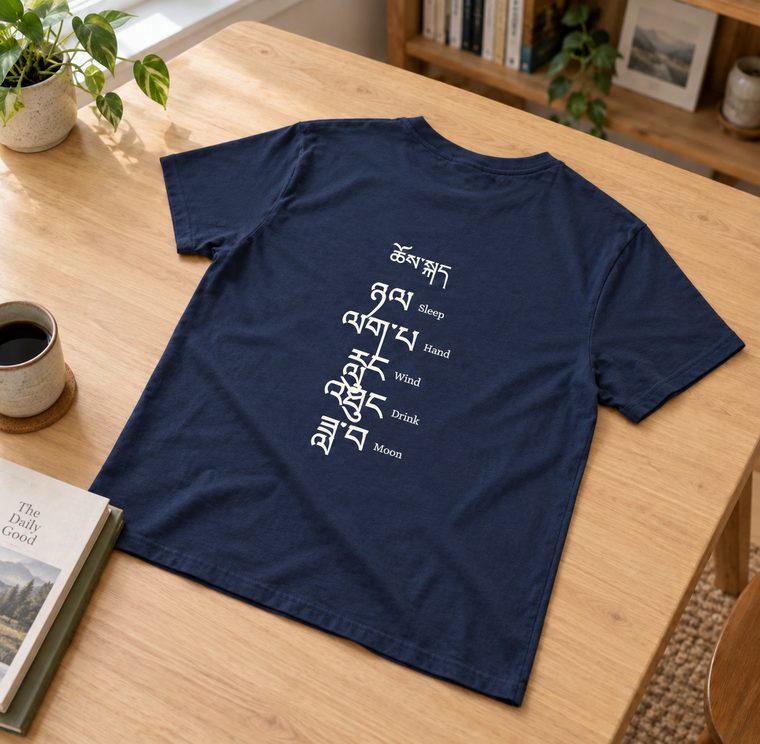
87 mots essentiels en koyra chiini
Sources
Mots comparés
Comparaison avec les langues de la même famille : Songhai
| Sens | Koyra chiini | Zarma | Koyraboro senni | Sidamo | Soninké | Gedeo | Parthe |
|---|---|---|---|---|---|---|---|
| Eau | hari /hari/ | hari /hari/ | hari /hari/ | waa /waː/ | ji /dʒi/ | wodeʼe /wodeʔe/ | āb /aːb/ |
| Feu | nuune /nuːne/ | danji /dandʒi/ | nuune /nuːne/ | giira /ɡiːra/ | yinbe /jimbe/ | giira /ɡiːɾa/ | ādar /aːdar/ |
| Soleil | wari /wari/ | wayna /wajna/ | wayna /wajna/ | arrishsho /arːiʃːo/ | kiye /kije/ | arishsho /ariʃːo/ | xwar /xwar/ |
| Lune | handu /handu/ | handu /handu/ | handu /handu/ | agana /aɡana/ | xaso /xaso/ | agenjo /aɡendʒo/ | māh /maːh/ |
| Étoile | handariya /handarija/ | handariya /handarija/ | handaray /handaraj/ | beeddakko /beːdːakko/ | saane /saːne/ | urje /urdʒe/ | astārag /asˈtaːraɡ/ |
| Nuit | cin /tʃin/ | ciini /tʃiːni/ | cijin /tʃidʒin/ | hashsha /haʃːa/ | wuro /wuro/ | hashsha /haʃːa/ | ʾxšp /xʃap/ |
| Terre | laabu /laːbu/ | laabu /laːbu/ | labu /labu/ | uulla /uːlla/ | ñiiñe /ɲiːɲe/ | buttina /butːina/ | zamīg /zamiːɡ/ |
| Pierre | tondi /tondi/ | tondi /tondi/ | tondi /tondi/ | kincho /kintʃo/ | gide /ɡide/ | kinjo /kindʒo/ | sang /saŋɡ/ |
| Mère | nya /ɲa/ | ñaa /ɲaː/ | ɲaa /ɲaː/ | ama /ama/ | ma /ma/ | ama /ama/ | mād /maːd/ |
| Père | baaba /baːba/ | baba /baba/ | baaba /baːba/ | anna /anːa/ | baaba /baːba/ | anna /anːa/ | pid /pid/ |
| Je | ay /aj/ | ay /aj/ | ay /aj/ | ani /ani/ | in /in/ | ani /ani/ | az /az/ |
| Tu | ni /ni/ | ni /ni/ | ni /ni/ | ati /ati/ | an /an/ | ati /ati/ | tu /tuː/ |
| Nous | yer /jer/ | iri /iri/ | iri /iri/ | ninke /ninke/ | o /o/ | noʼo /noʔo/ | amāh /amaːh/ |
| Nom | maa /maː/ | maa /maː/ | maa /maː/ | suʼma /suʔma/ | toxo /toxo/ | summa /sumːa/ | nām /naːm/ |
| Personne | boro /boro/ | boro /boro/ | boro /boro/ | mancho /mantʃo/ | sere /sere/ | manjo /mandʒo/ | mrd /mard/ |
| Tête | boŋ /boŋ/ | boŋ /boŋ/ | boŋ /boŋ/ | umo /umo/ | yinme /jinme/ | umo /umo/ | sar /sar/ |
| Œil | mo /mo/ | mo /mo/ | moo /moː/ | ille /ilːe/ | yaaxe /jaːxe/ | ille /ilːe/ | čašm /tʃaʃm/ |
| Oreille | hanga /haŋɡa/ | hanga /haŋɡa/ | haŋa /haŋa/ | macca /matʃʼːa/ | toro /toro/ | mansha /manʃa/ | gōš /ɡoːʃ/ |
| Nez | nine /nine/ | nine /nine/ | niine /niːne/ | sano /sano/ | nuxunne /nuxunːe/ | sana /sana/ | — |
| Bouche | me /me/ | me /me/ | mee /meː/ | afo /afo/ | raqe /raqe/ | afoʼo /afoʔo/ | rumb /rumb/ |
| Dent | hinje /hindʒe/ | hinje /hindʒe/ | hiɲe /hiɲe/ | hinko /hinko/ | kanbe /kambe/ | isso /isːo/ | dndʾn /dandaːn/ |
| Langue | deene /deːne/ | deene /deːne/ | deene /deːne/ | arrawo /arːawo/ | nene /nene/ | arrabo /arːabo/ | ʾzbʾn /izβaːn/ |
| Main | kambe /kambe/ | kambe /kambe/ | kabe /kabe/ | anga /anɡa/ | kitte /kitːe/ | anga /aŋɡa/ | dast /dast/ |
| Pied | cee /tʃeː/ | ce /tʃe/ | cee /tʃeː/ | lekka /ˈlekːa/ | — | lekka /lekːa/ | pʾd /paːð/ |
| Cœur | bine /bine/ | bina /bina/ | bine /bine/ | wodana /wodana/ | sondonme /sondonme/ | wodana /wodana/ | zyrd /zird/ |
| Os | biri /biri/ | biri /biri/ | biri /biri/ | miqicho /mikʼitʃo/ | xotte /xotːe/ | micco /mitʃʼːo/ | ʾstg /astaɡ/ |
| Sang | kuri /kuri/ | kuri /kuri/ | kuri /kuri/ | munde /munde/ | fare /fare/ | munde /munde/ | gwhn /ɡuxn/ |
| Amour | baŋa /baŋa/ | baa /baː/ | baa /baː/ | baxa /batʼa/ | xanuye /xanuje/ | eeyya /eːjːa/ | friyādan /frijaːdan/ |
| Arbre | tuuri /tuːri/ | tuuri /tuːri/ | tuuri /tuːri/ | haqqe /hakʼːe/ | yitte /jitːe/ | haqqa /hakʼːa/ | dār /daːr/ |
| Chien | hansi /hansi/ | hansi /hansi/ | hansi /hansi/ | woshichcho /woʃitʃːo/ | wulle /wulːe/ | kaneessa /kaneːsːa/ | spag /spaɡ/ |
| Chat | muusu /muːsu/ | muusu /muːsu/ | muusi /muːsi/ | basu /basu/ | muusine /muːsine/ | adurre /aduɾːe/ | — /—/ |
| Poisson | hamisa /hamisa/ | hamisa /hamisa/ | hamiisa /hamiːsa/ | qulxuʼme /kʼultʼuʔme/ | ñexe /ɲexe/ | qulxuʼme /kʼultʼuʔme/ | mʾsyg /maːsjaɡ/ |
| Oiseau | cirow /tʃirow/ | curoize /tʃuroize/ | ciraw /tʃiraw/ | ceʼa /tʃʼeʔa/ | yeliŋe /jeliŋe/ | ciʼa /tʃʼiʔa/ | murw /murw/ |
| Œuf | gunguri /ɡuŋɡuri/ | gunguri /ɡuŋɡuri/ | guuri /ɡuːri/ | quuphichcho /kʼuːpʼːitʃːo/ | xabaane /xabaːne/ | quuphe /kʼuːpʼe/ | — |
| Cheval | bari /bari/ | bari /bari/ | bari /bari/ | farashsho /faraʃːo/ | si /si/ | fadhado /faɗado/ | ʾsp /asp/ |
| Maison | huu /huː/ | fu /fu/ | hugu /huɡu/ | mine /mine/ | kaa /kaː/ | mine /mine/ | xānag /xaːnaɡ/ |
| Lait | waa /waː/ | wa /wa/ | waa /waː/ | ado /ado/ | xati /xati/ | ado /ado/ | šift /ʃift/ |
| Vin | duwẽ /duwẽ/ | — | alaneb hari /alaneb hari/ | woyinete xajje /wojinete tʼadʒːe/ | — | woyine /wojine/ | my /maj/ |
| Fer | guuru /ɡuːru/ | guuru /ɡuːru/ | guuru /ɡuːru/ | siwiila /siwiːla/ | mexe /mexe/ | sibiljo /sibildʒo/ | ʾswn /aːsun/ |
| Manger | ŋwa /ŋwa/ | ŋwa /ŋwa/ | ŋaa /ŋaː/ | ita /ita/ | yiga /jiɡa/ | ita /ita/ | xward- /xward/ |
| Boire | hane /hane/ | haŋ /haŋ/ | haŋ /haŋ/ | aga /aɡa/ | mini /mini/ | haʼwa /haʔwa/ | pī- /piː/ |
| Un | afoo /afoː/ | affo /afːo/ | affoo /afːoː/ | mitto /mitːo/ | baane /baːne/ | mitto /mitːo/ | ēw /eːw/ |
| Deux | hiŋka /hiŋka/ | ihinka /ihiŋka/ | ihinka /ihiŋka/ | lame /lame/ | fillo /filːo/ | lame /lame/ | dō /doː/ |
| Trois | hinza /hinza/ | ihinza /ihinza/ | hinza /hinza/ | sase /sase/ | sikko /sikːo/ | sase /sase/ | hry /hreː/ |
| Quatre | taaci /taːtʃi/ | taaci /taːtʃi/ | taaci /taːtʃi/ | shoole /ʃoːle/ | naxato /naxato/ | shoole /ʃoːle/ | čafār /tʃafaːr/ |
| Cinq | guu /ɡuː/ | gu /ɡu/ | guu /ɡuː/ | onte /onte/ | karago /karaɡo/ | onde /onde/ | panj /pandʒ/ |
| Cent | jongu /dʒoŋɡu/ | zangu /zaŋɡu/ | zangu /zaŋɡu/ | xibbe /tʼibːe/ | kame /kame/ | dhibba /ɗibːa/ | sad /sad/ |
| Bonjour | fofo /fofo/ | fofo /fofo/ | fofo /fofo/ | nagaa yiʼne /naɡaː jiʔne/ | an na siri /an na siri/ | mooye /moːje/ | drōd /droːd/ |
| Merci | barka /barka/ | fofo /fofo/ | barka /barka/ | maganu oohe /maɡanu oːhe/ | inkawu /iŋkawu/ | galaata /ɡalaːta/ | spās /spaːs/ |
| Bon | boori /boːri/ | boori /boːri/ | boori /boːri/ | dancha /dantʃa/ | siita /siːta/ | elo /elo/ | nēw /neːw/ |
| Nouveau | taawo /taːwo/ | — | taaga /taːɡa/ | haaro /haːro/ | kurunba /kurunba/ | haaro /haːro/ | nawāg /nawaːɡ/ |
| Rouge | ciray /tʃiraj/ | ciray /tʃiraj/ | ciray /tʃiraj/ | duume /duːme/ | dunbe /dumbe/ | diimmo /diːmːo/ | swxr /suxr/ |
Ouvrir la carte interactive: Word Map · HanMap · Name Map · Word Order · Tree
Fait partie de LangMap — un projet de visualisation linguistique. Ceci est un résumé statique et explorable ; les cartes interactives offrent l’audio de prononciation, des filtres et une vue globe.
Réalisé par Heuron Inc. · GitHub · cho@heuron.com · Accueil LangMap