Onʌyota'káhkahʌ
Oneida
Iroquoien
L’oneida (Onʌyota’a:ka, « peuple de la pierre dressée » ; ISO 639-3 : one) est une langue iroquoienne du Nord des Haudenosaunee, historiquement associée au centre de l’État de New York et aujourd’hui employée dans les communautés oneidas de New York, du Wisconsin et des Six Nations de la rivière Grand, en Ontario. Il ne reste qu’environ 100 à 200 locuteurs de langue maternelle courants, surtout des personnes âgées, même si un groupe plus large l’apprend comme langue seconde. L’oneida est polysynthétique et centré sur le verbe : un verbe comprend généralement un préfixe pronominal, une racine et un suffixe aspectuel, et peut incorporer un radical nominal et d’autres morphèmes. Les orthographes communautaires latines notent le coup de glotte par une apostrophe, les voyelles longues par deux-points, l’accent par un accent aigu et emploient ʌ pour une voyelle centrale. La Nation oneida du Wisconsin l’a proclamé langue nationale officielle en 1994 ; programmes d’immersion et de mentorat, cours scolaires, dictionnaires, enregistrements et outils numériques soutiennent sa revitalisation.
Où elle est parlée
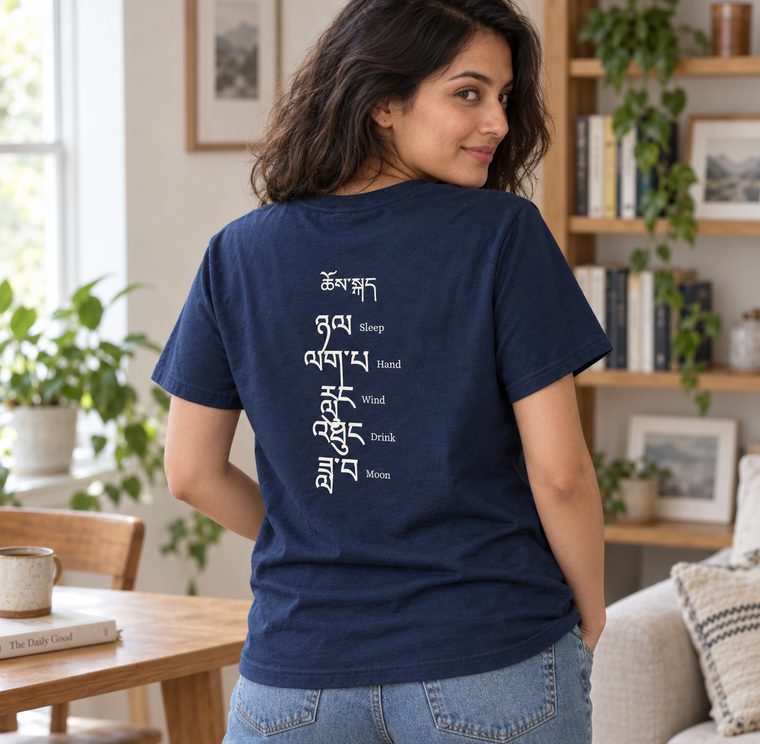
87 mots essentiels en oneida
Sources
Mots comparés
Comparaison avec les langues de la même famille : Iroquoien
| Sens | Oneida | Mohawk | Langue onondaga | Cayuga | Tuscarora | Méroïtique | Pyu |
|---|---|---|---|---|---|---|---|
| Eau | one:kánus /oneːkánũs/ | ohné:kanos /ohnéːɡanos/ | ohnéganos /ohnéɡanos/ | ohneganóhs /ohneɡanóhs/ | awę: /awɛ̃ː/ | 𐦠𐦶 /ato/ | tduṃ /t.du(j)/ |
| Feu | o:tsísteʼ /oːdʒísteʔ/ | otsénhaʼ /odzʌ̃́haʔ/ | odékhaʼ /odékʰaʔ/ | odé:kaʼ /odéːkaʔ/ | ujihst /udʒihst/ | — /—/ | — /—/ |
| Soleil | kalahkwaʼ /kalahkwaʔ/ | karáhkwa /karáhkwa/ | gaehʼkwa /ɡaehʔkwa/ | gá:gwa:ʼ /ɡáːɡwaːʔ/ | hęhts /hɛ̃hts/ | 𐦨𐦯 /ˈmasa/ | — /—/ |
| Lune | wʌhní:taleʼ /wʌ̃hníːtaleʔ/ | ehníta /ehníːta/ | gaehʼkwa enitha /ɡaehʔkwa enitha/ | ęhníʼda:ʼ /ɛ̃hníʔdaːʔ/ | hęhts uri:węh /hɛ̃hts uɾiːwɛ̃h/ | — /—/ | — /—/ |
| Étoile | otsistóhkwaʼ /odʒistóhkwaʔ/ | otsistohkwaʼ /otsistohkwaʔ/ | otsistoʼgwaʼ /odʒistoʔɡwaʔ/ | ojihsǫ́:da:ʼ /odʒihsṍːdaːʔ/ | utsíhstaʼ /utsíhstaʔ/ | — /—/ | — /—/ |
| Nuit | wahsutáti /wahsũtáti/ | ahsútha /ahsṹtʰa/ | ahsų́t /ahsṹt/ | ahsǫheh /ahsõheh/ | ahthathu /ahθaθu/ | — /—/ | — /—/ |
| Neige | onyʌ́hteʼ /onjʌ̃́hteʔ/ | óniehte /ónjehte/ | óʼgęʼ /óʔɡɛ̃ːʔ/ | oʼgraʼ /oʔɡraʔ/ | — | — | — |
| Vent | owe:lá /oweːlá/ | óweraʼ /óweraʔ/ | ó·wæʼ /óːwæʔ/ | owá:deʼ /owáːdeʔ/ | — | — | — |
| Terre | ohwʌ́tsyaʼ /ohwʌ̃́tsjaʔ/ | ohóntsaʼ /ohṹtsaʔ/ | — | ohéhdaʼ /ohéhdaʔ/ | — | — | — |
| Pierre | onʌ:yá: /onʌ̃ːjáː/ | onén:iaʼ /onʌ̃́ːjaʔ/ | — | ga̱hsgwa:ʼ /ɡḁhskwaːʔ/ | — | — | — |
| Montagne | otstʌhleʼkó /otstʌ̃hleʔkó/ | onón:ta /onṹːta/ | — | — | — | — | — |
| Mer | kanyatalá:ke /kanjataláːke/ | kanientaraʼkehkó:wa /kanjʌ̃taraʔkehkóːwa/ | — | — | — | — | — |
| Mère | aknulha /aknũlha/ | istá /istá/ | ekno:haʼ /eknoːhaʔ/ | knó:haʼ /knóːhaʔ/ | raknų:hak /ɾaknũːhak/ | — /—/ | — /—/ |
| Père | — /—/ | rakeʼníha /rakeʔníha/ | hakʼno:haʼ /hakʔnoːhaʔ/ | haʼnih /haʔnih/ | rakhnih /ɾakhnih/ | — /—/ | — /—/ |
| Fille | kheyʌ́:ha /kʰejʌ̃́ːha/ | kheién:ʼa /kʰejẽ́ːʔa/ | khehá·wah /kʰeháːwah/ | kehá:wahk /keháːwahk/ | — | — | — |
| Je | iʼí /iʔí/ | í:ʼi /íːʔi/ | iʼ /iʔ/ | i:ʼ /iːʔ/ | í:ʼ /iːʔ/ | — /—/ | gaṁḥ /gä(j)H/ |
| Tu | isé /isé/ | í:seʼ /íːseʔ/ | is /is/ | i:s /iːs/ | í:saʼ /iːsaʔ/ | — /—/ | — /—/ |
| Nous | iʼí /iʔí/ | í:ʼi /íːʔi/ | iʼ /iʔ/ | i:ʼ /iːʔ/ | í:ʼ /iːʔ/ | — /—/ | — /—/ |
| Nom | ohsʌ:ná: /ohsʌ̃ːnáː/ | kahsén:na /kahsʌ̃́ːna/ | yaʼts /jaʔts/ | ga̱hsę́:naʼ /ɡḁhsɛ̃́ːnaʔ/ | utshe:naʼ /utsʰeːnaʔ/ | — /—/ | rmiṅ· /r.miŋ/ |
| Personne | ukwé /ũkwé/ | ón:kwe /ṹːɡwe/ | ų́·gweh /ṹːɡweh/ | ǫ́:gweh /ṍːɡweh/ | — | — | — |
| Œil | oká:laʼ /okáːlaʔ/ | okà:raʼ /okàːraʔ/ | oga:thaʼ /oɡaːtʰaʔ/ | ogáhaʼ /oɡáhaʔ/ | ka:tæk /kaːtæk/ | — /—/ | — /—/ |
| Oreille | ohúhtaʼ /ohṹhtaʔ/ | ohónhtaʼ /ohṹhtaʔ/ | ohų́hdaʼ /ohṹhdaʔ/ | — | — | — | — |
| Nez | oʼnyúhsaʼ /oʔnjṹhsaʔ/ | oʼniónhsaʼ /oʔnjṹhsaʔ/ | — | oʼnyǫ́hsaʼ /oʔɲṍhsaʔ/ | — | — | — |
| Dent | onawi:lá: /onawiːláː/ | onáwiraʼ /onáwiraʔ/ | onóʼjaʼ /onóʔdʒaʔ/ | onóʼjaʼ /onóʔdʒaʔ/ | uʼtuʼth /əʔtuʔθ/ | — /—/ | — /—/ |
| Langue | oʼnáhsaʼ /oʔnáhsaʔ/ | oʼnáhsaʼ /oʔnã́hsaʔ/ | oʼnahsaʼ /oʔnahsaʔ/ | awę́ʼno̱hsaʼ /awɛ̃́ʔno̥hsaʔ/ | uʼtahs /əʔtahs/ | — /—/ | — /—/ |
| Main | osnúhsaʼ /osnṹhsaʔ/ | ohtsà:na /ohtsaːna/ | onénǫhsaʼ /onénõhsaʔ/ | ohsóhdaʼ /ohsóhdaʔ/ | kéhskweh /kehskweh/ | — /—/ | — /—/ |
| Pied | ohsí:taʼ /ohsíːtaʔ/ | ohsì:taʼ /ohsìːtaʔ/ | ohsiʼtaʼ /ohsiʔtaʔ/ | ohsiʼdaʼ /ohsiʔdaʔ/ | káhseh /kahseh/ | 𐦯𐦴 /ˈsata/ | — |
| Cœur | awelyá:ne /aweljáːne/ | awerì:ʼa /aweɾìːʔa/ | awé:ri /awéːri/ | awę́yǫ̱hsaʼ /awɛ̃́jõ̥hsaʔ/ | kęhsaʼ /kɛ̃hsaʔ/ | — /—/ | — /—/ |
| Os | ostyʌ́ʼtaʼ /ostjʌ̃́ʔtaʔ/ | ohstyenʼ /ohstjʌ̃ʔ/ | ostyęʼtaʼ /ostjɛ̃ʔtaʔ/ | ohsgyę́ʼda:ʼ /ohskjɛ̃́ʔdaːʔ/ | uhskęʼręh /əhskə̃ʔrəh/ | — /—/ | ru /ru(C)/ |
| Sang | onekwʌ́hsaʼ /onekwʌ̃́hsaʔ/ | onekwénhsaʼ /oneɡwʌ̃́hsaʔ/ | otkwęhsaʼ /otkwɛ̃hsaʔ/ | tkwęhsæʼ /tkwɛ̃hsaʔ/ | tkwarhaʼ /tkwarhaʔ/ | — /—/ | — /—/ |
| Caca | o:tá: /oːtáː/ | óʼta /óʔta/ | — | oʼdaʼ /oʔdaʔ/ | — | — | — |
| Amour | kanolukhwásla /kanolũkʰwásla/ | khenorónhkhwa /kʰenorṹhkʰwa/ | gaonihsdá:wę /ɡaonihsdáːwɛ̃/ | ganǫ́hkwahsraʼ /ɡanṍhkwahsraʔ/ | krunyę:tas /kɾuɲɛ̃ːtas/ | — /—/ | — /—/ |
| Arbre | kalu:tóteʼ /kalũːtóteʔ/ | ó:kwire /óːkʷire/ | ga:endaʼ /ɡaːendaʔ/ | gra̱he:t /ɡrḁheːt/ | nyęt /ɲɛ̃t/ | — /—/ | — /—/ |
| Chien | é:lhal /éːlhal/ | érhar /érhar/ | só:wa:s /sóːwaːs/ | só:wa:s /sóːwaːs/ | čerʼ /tʃeɾʔ/ | 𐦥𐦬𐦡 /wal/ | — /—/ |
| Chat | takóhs /takóhs/ | takò:s /takòːs/ | takó:s /takóːs/ | dagu:s /daɡuːs/ | takʼo:s /takʔoːs/ | — /—/ | — /—/ |
| Poisson | kʌ́tsiʼ /kʌ̃́tsiʔ/ | kéntsion /kʌ̃́tsjũ/ | ojoʼt /odʒoʔt/ | ojǫ́ʼdaʼ /odʒṍʔdaʔ/ | itsh /itʃ/ | — /—/ | — /—/ |
| Oiseau | otsiʼtʌ́haʼ /odʒiʔtʌ̃́haʔ/ | otsiʼtén:ʼa /otsiʔtʌ̃́ːʔa/ | ga·yoʼáh /ɡaːjoʔáh/ | jidę́:ʼęh /dʒidɛ̃́ːʔɛ̃h/ | — | — | — |
| Papillon | kana:wʌ́ /kanaːwʌ̃́/ | tsiʼktsinén:nawen /tsiʔktsinéːnawen/ | — | jiʼdana:wę: /dʒiʔdanaːwɛ̃ː/ | — | — | — |
| Œuf | oʼnhúhsaʼ /oʔnhṹhsaʔ/ | oʼnhónhsa /oʔnhṹhsa/ | oʼnhų́hsaʼ /oʔnhṹhsaʔ/ | oʼnhǫ́hsaʼ /oʔnhṍhsaʔ/ | — | — | — |
| Ours | ohkwa:lí /ohkwaːlí/ | ohkwá:ri /ohkwáːri/ | — | hnyagwaiʼ /hɲaɡwaiʔ/ | uhčíhręʼ /əhtʃihɾə̃ʔ/ | — | — |
| Cheval | kohsa:tʌ́s /kohsaːtʌ̃́s/ | akohsá:tens /akohsáːtʌ̃s/ | gohsádę·s /ɡohsádɛ̃ːs/ | — | — | — | — |
| Maison | kanúhsote /kanṹhsote/ | kanónhsaʼ /kanṹhsaʔ/ | ganǫhsoht /ɡanõhsoht/ | ganǫ́hsaʼ /ɡanṍhsaʔ/ | kanéhseʼę /kanehseʔɛ̃/ | — /—/ | — /—/ |
| Lait | onú:taʼ /onṹːtaʔ/ | onòn:taʼ /onũ̀ːtaʔ/ | — | onǫ́ʼgwaʼ /onṍʔɡwaʔ/ | — | — | — |
| Miel | óshes /óshes/ | — | — | otséhsdaʼ /otséhsdaʔ/ | — | — | — |
| Sel | teyohyó:tsis /tejohjóːdʒis/ | tyohyòtsis /tjohjòtsis/ | — | ojíkeʼdaʼ /odʒíkeʔdaʔ/ | — | — | — |
| Riz | watnʌʼʌ́:kwas /watnʌ̃ʔʌ̃́ːkwas/ | onatsakén:ra /onatsakʌ̃́ːra/ | — | — | — | — | — |
| Soie | kaʼnhehsatʌ́sha /kaʔnhehsatʌ̃́sha/ | kà:nheks /kàːnheks/ | — | — | — | — | — |
| Livre | kahyatúhsliʼ /kahjatṹhsliʔ/ | kahiatónhsera /kahjatṹhsera/ | — | — | — | — | — |
| Manger | — /—/ | í:keks /íːɡeks/ | ekho:neʼ /ekʰoːneʔ/ | í:ge:s /íːɡeːs/ | kré:nuʼ /kɾeːnuʔ/ | — /—/ | — /—/ |
| Boire | — /—/ | kahnek /kahnek/ | ehnega:iʼron /ehneɡaːiʔron/ | ga̱hnége̱haʼ /ɡḁhnéɡḁhaʔ/ | kré:hwiʼ /kɾeːhwiʔ/ | — /—/ | — /—/ |
| Un | úskah /ṹskah/ | énska /ʌ̃́ska/ | sgá:da /skáːda/ | sgá:t /skáːt/ | ę:cæ /ɛ̃ːtsæ/ | — /—/ | taṁ /tä(k)/ |
| Deux | tékni /tékni/ | tékeni /téːɡeni/ | dégni /déɡni/ | dekní: /dekníː/ | néʼkti /neʔkti/ | — /—/ | kni /kni/ |
| Trois | áhsʌ /áhsʌ̃/ | áhsen /áhsʌ̃/ | áhsę /áhsɛ̃/ | ahsę́h /ahsɛ̃́h/ | áhsę /ahsɛ̃/ | — /—/ | nhoḥ /n.ho(m)H/ |
| Quatre | kayé: /kajéː/ | kaié:ri /ɡajéːɾi/ | gayéi /ɡajéi/ | géi /ɡéi/ | hę́ʼtahk /hɛ̃ʔtahk/ | — | — |
| Cinq | wísk /wísk/ | wísk /wísk/ | hwíks /hwíks/ | hwíhs /hwíhs/ | wísk /wisk/ | — | pəŋa /pəŋa/ |
| Cent | tewʌhnyáwelu /tewʌ̃hnjáwelũ/ | tewenʼniáwe /tewʌ̃ʔnjáwe/ | — | sgá:t dewę́ʼnyawe:ʼ /skáːt dewɛ̃́ʔɲaweːʔ/ | kayáhstih /kajahstih/ | — | — |
| Bonjour | she:kú /sheːkṹ/ | shé:kon /ʃéːkon/ | sgë:nǫʼ /skẽːnõʔ/ | sgę́:nǫʼ /skɛ̃́ːnõʔ/ | skę:nu /skɛ̃ːnu/ | — /—/ | — /—/ |
| Merci | ya:wʌ́ /jaːwʌ̃́/ | niá:wen /niáːwen/ | nya:węʼ /njaːwɛ̃ʔ/ | nya:węh /ɲaːwɛ̃h/ | nyaʼwę: /ɲaʔwɛ̃ː/ | — /—/ | — /—/ |
| Bon | skʌ:nʌ́ /skʌ̃ːnʌ̃́/ | ioiánere /jojánere/ | oyá:nre /ojáːnre/ | oyá:nreʼ /ojáːnreʔ/ | unę:tsweht /unɛ̃ːtsweht/ | 𐦨𐦬𐦣 /ˈmalu/ | ha /ha(k)/ |
| Rouge | onikwʌ́htalaʼ /onikwʌ̃́htalaʔ/ | onekwènhtara /oneɡwʌ̃̀htara/ | otkwę́ʼtaʼ /otkwɛ̃́ʔtaʔ/ | otgwę́hji̱ʼa:ʼ /otɡwɛ̃́hdʒi̥ʔaːʔ/ | utkwatar /utkwatar/ | — /—/ | — /—/ |
| Blanc | owísklaʼ /owísklaʔ/ | karà:ken /kaɾàːken/ | owę:héʼsdaʼ /owɛ̃ːhéʔstaʔ/ | gę́ʼgę: /ɡɛ̃́ʔɡɛ̃ː/ | — | — | — |
| Noir | oʼswʌ́:taʼ /oʔswʌ̃́ːtaʔ/ | kahòn:tsi /kahũ̀ːtsi/ | — | swę́ʼda̱ʼę:ʼ /swɛ̃́ʔdḁʔɛ̃ːʔ/ | — | — | — |
| Vert | awʌ:lá: /awʌ̃ːláː/ | óhonteʼ /óhũteʔ/ | — | onráhda̱ʼę:ʼ /onráhdḁʔɛ̃ːʔ/ | — | — | — |
| Bleu | olú:yaʼ /olṹːjaʔ/ | orónhia /oɾṹhja/ | — | aǫ́hyaęʼ /aṍhjaɛ̃ʔ/ | — | — | — |
| Sucre | onutákliʼ /onũtákliʔ/ | otsikhè:ta /otsikʰèːta/ | — | nawę́ʼdaʼ /nawɛ̃́ʔdaʔ/ | — | — | — |
Ouvrir la carte interactive: Word Map · HanMap · Name Map · Word Order · Tree
Fait partie de LangMap — un projet de visualisation linguistique. Ceci est un résumé statique et explorable ; les cartes interactives offrent l’audio de prononciation, des filtres et une vue globe.
Réalisé par Heuron Inc. · GitHub · cho@heuron.com · Accueil LangMap