Chirin nu Ivatan
Ivatan
Austronésien (Malayo-polynésien, Batanique)
L'ivatan est la langue des îles Batanes, la province la plus septentrionale des Philippines, parlée par ~33 000 personnes à Batan, Sabtang et sur les îlots voisins. Elle appartient à la branche batanique (bashiique), dont le membre le plus proche n'est pas une langue philippine : le yami (tao) de l'île aux Orchidées, à Taïwan. La branche enjambe le canal de Bashi, si bien que la frontière linguistique y coupe une frontière nationale. L'ivatan a deux dialectes — l'ivasayen autour de Basco et l'isamurongen dans les villes du sud, où le timoy « pluie » de Basco devient chimoy. Il conserve une voyelle centrale /ɨ/, notée ⟨e⟩ comme dans le nord des Philippines en général, et il est l'une des rares langues philippines sans alternance [ɾ]-[d]. L'écriture n'est pas fixée : l'article de Wikipédia sur la langue dit franchement qu'il n'existe pas de manière cohérente de l'écrire. Les formes données ici suivent l'orthographe pratique des linguistes, d'après Tsuchida, Yamada & Moriguchi (1987), parce qu'elle couvre l'ivatan et l'itbayaten dans un seul système et que chaque mot peut être vérifié sur Reid (1971).
Aire de diffusion
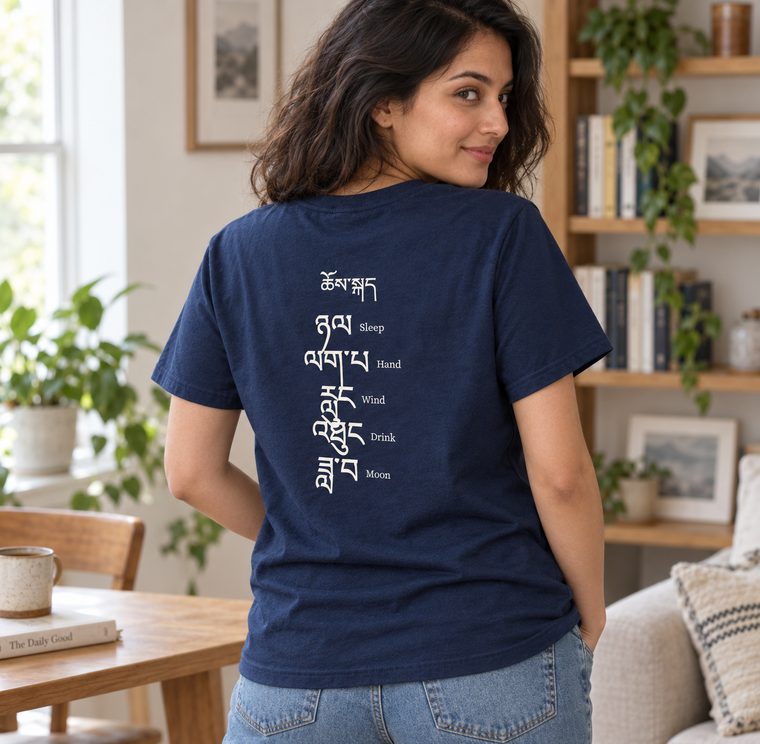
👕 Les mots de cette langue existent aussi en t-shirt (plus bas)
106 mots essentiels en ivatan
tsa
Sources
- Tsuchida, S., Yamada, Y. & Moriguchi, T. (1987) Lists of Selected Words of Batanic Languages. Dept. of Linguistics, Univ. of Tokyo
- Reid, L. A. (1971) Philippine Minor Languages: Word Lists and Phonologies. Oceanic Linguistics Special Publication 8, Univ. of Hawaii Press
- Austronesian Basic Vocabulary Database
- Glottolog: Itbayat
Mots comparés
Comparaison avec les langues de la même famille : Austronésien
| Sens | Ivatan | Itbayaten | Tao | Vieux malais | Kinaray-a | Ibanag | Maranao |
|---|---|---|---|---|---|---|---|
| Eau | danom /danom/ | ranom /ranom/ | ranom /ranom/ | air /air/ | tubig /tubiɡ/ | danum /danum/ | ig /iɡ/ |
| Feu | apoy /apoj/ | hapoy /hapoj/ | apoy /apoj/ | — | kalayo /kalajo/ | afi /ʔafi/ | apoy /apoj/ |
| Soleil | araw /araw/ | araw /araw/ | araw /araw/ | — | adlaw /ʔadlaw/ | — | alongan /aloŋan/ |
| Lune | vohan /vohan/ | voxan /voɣan/ | vehan /vehan/ | vulan /wulan/ | bulan /bulan/ | vulan /vulan/ | olan /olan/ |
| Étoile | vitohen /vitohɨn/ | vitoen /vitoɨn/ | mata no angit /mata no aŋit/ | — | bituën /bituʔɨn/ | bitun /bitun/ | bito-on /bitoʔon/ |
| Pluie | timoy /timoj/ | timoy /timoj/ | cimoy /tsimoj/ | — | uran /ʔuɾan/ | uran /ʔuɾan/ | oran /oran/ |
| Arc-en-ciel | rayanyirang /rajaɲiraŋ/ | — | rangirang /raŋiraŋ/ | — | — | — | boloto /boloto/ |
| Tonnerre | adey /adɨj/ | raagorog /raaɡoroɡ/ | adey /adej/ | — | dagë-ob /daɡɨʔob/ | addug /adːuɡ/ | dalendeg /daləndəɡ/ |
| Vent | salawsaw /salawsaw/ | sarawsaw /sarawsaw/ | pagpag /paɡpaɡ/ | — | hangin /haŋin/ | paddag /paddaɡ/ | angin /aŋin/ |
| Terre | tana /tana/ | tana /tana/ | tana /tana/ | — | lupa /lupaʔ/ | davvun /davvun/ | lopaʼ /lopaʔ/ |
| Séisme | nini /nini/ | ninih /ninih/ | — | — | linog /linoɡ/ | — | linog /linoɡ/ |
| Pierre | bato /bato/ | vato /vato/ | vato /vato/ | vātu /watu/ | bato /bato/ | batu /batu/ | wato /wato/ |
| Montagne | tokon /tokon/ | tokon /tokon/ | tokon /tokon/ | — | bukid /bukid/ | — | palaw /paˈlaw/ |
| Mer | taaw /taaw/ | hawa /hawa/ | wawa /wawa/ | — | dagat /daɡat/ | bebay /bebaj/ | ragat /raɡat/ |
| Île | isla /isla/ | — | — | — | isla /ʔislaʔ/ | — | polo /polo/ |
| Nuit | maʼhep /maʔhɨp/ | aʼxep /aʔɣɨp/ | mahep /mahəp/ | malam /malam/ | gabi-i /ɡabiʔi/ | gabi /ɡabi/ | gagawiʼi /ɡaɡawiʔi/ |
| Hier | kakoyab /kakojab/ | — | kakyab /kakjab/ | — | kahapon /kahapon/ | — | kagaʼi /kaɡaʔi/ |
| Demain | andelak /andɨlak/ | — | simaraw /simaraw/ | — | rum-an /ɾumʔan/ | — | amag /amaɡ/ |
| Semaine | dominggo /domiŋɡo/ | — | — | — | semana /semana/ | — | padiʼan /padiʔan/ |
| Dimanche | Dominggo /domiŋɡo/ | — | niciyo /nitɕijo/ | — | Dominggo /domiŋɡo/ | — | Akad /akad/ |
| Je | yaken /jakɨn/ | yaken /jakɨn/ | yaken /jakən/ | aku /aku/ | ako /ʔako/ | sakan /sakan/ | ako /ako/ |
| Tu | ʼimo /ʔimo/ | ʼimo /ʔimo/ | imo /imo/ | kamu /kamu/ | ikaw /ʔikaw/ | sikaw /sikaw/ | seka /səka/ |
| Nous | yaten / yamen /jatɨn / jamɨn/ | yaten / yamen /jatɨn / jamɨn/ | yaten / yamen /jatən / jamən/ | kita / kami /kita / kami/ | kita / kami /kita / kami/ | sittam / sikami /sittam / sikami/ | kita / kami /kita / kami/ |
| Personne | tao /tao/ | tawo /tawo/ | tao /tao/ | uraṁ /uraŋ/ | tawo /tawo/ | tolay /tolaj/ | taw /taw/ |
| Mère | ina /ina/ | ina /ina/ | ina /ina/ | aya /aja/ | iloy /ʔiloj/ | yena /jena/ | inaʼ /inaʔ/ |
| Père | ama /ama/ | ama /ama/ | ama /ama/ | bapa /bapa/ | amay /ʔamaj/ | yama /jama/ | amaʼ /amaʔ/ |
| Grand-mère | apo /apo/ | — | akes /akəs/ | — | — | — | inaʼ a baʼi /inaʔ a baʔi/ |
| Frère aîné | kaka /kaka/ | kaaka /kaːka/ | kaka /kaka/ | — | — | — | kaka /kaka/ |
| Fille | anak a mavakes /anak a mavakɨs/ | — | anak a mavakes /anak a mavakes/ | — | — | — | wataʼ a bebay /wataʔ a bəbaj/ |
| Mari | kakovot /kakovot/ | — | mehakay /məhakaj/ | — | bana /bana/ | atawa /ʔatawa/ | kawiŋ /kawiŋ/ |
| Épouse | kakovot /kakovot/ | — | mavakes /mavakəs/ | — | sawa /sawa/ | atawa /ʔatawa/ | kawiŋ /kawiŋ/ |
| Nom | ngaran /ŋaran/ | ngaran /ŋaran/ | ngaran /ŋaran/ | nama /nama/ | ngaran /ŋaɾan/ | ngagan /ŋaɡan/ | ngaran /ŋaran/ |
| Langue | chirin /tʃirin/ | — | ciriciring /tɕiritɕiriŋ/ | — | — | — | basa /basa/ |
| Roi | patol /patol/ | — | — | raja /radʒa/ | — | — | radia /radʒa/ |
| Tête | oho /oho/ | oxo /oɣo/ | oo /oo/ | — | ulo /ʔulo/ | ulu /ʔulu/ | olo /olo/ |
| Œil | mata /mata/ | mata /mata/ | mata /mata/ | — | mata /mata/ | mata /mata/ | mata /mata/ |
| Oreille | tadinya /tadiɲa/ | talinya /taliɲa/ | talinga /taliŋa/ | — | talinga /taliŋa/ | talinga /taliŋa/ | tangila /taŋila/ |
| Nez | mohed /mohɨd/ | mohdan /mohdan/ | momodan /momodan/ | — | irong /ʔiɾoŋ/ | igung /ʔiɡuŋ/ | ngirong /ŋiroŋ/ |
| Bouche | vivi /vivi/ | vivih /vivih/ | ngongoy /ŋoŋoj/ | — | baba /baʔbaʔ/ | simu' /simuʔ/ | ngariʼ /ŋariʔ/ |
| Dent | nyipen /ɲipɨn/ | nyipen /ɲipɨn/ | ngepen /ŋəpən/ | — | ngipun /ŋipun/ | ngipan /ŋipan/ | ngipen /ŋipən/ |
| Langue | rida /rida/ | rila /rila/ | lila /lila/ | — | — | zila /zila/ | dilaʼ /dilaʔ/ |
| Main | tanoro /tanoro/ | lima /lima/ | lima /lima/ | — | alima /ʔalima/ | lima /lima/ | lima /lima/ |
| Droite | wanan /wanan/ | wanan /wanan/ | wanan /wanan/ | kanan /kanan/ | tuo /tuʔo/ | ziwanan /ziwanan/ | kawanan /kawanan/ |
| Gauche | holi /holi/ | gori /ɡori/ | ozi /ozi/ | kiri /kiri/ | wala /wala/ | zimigi /zimiɡi/ | diwang /diwaŋ/ |
| Pied | kokod /kokod/ | ayi /aji/ | ai /ai/ | — | kahig /kahiɡ/ | takki /takki/ | aʼi /aʔi/ |
| Cœur | tawol /tawol/ | tawor /tawor/ | taoz /taoz/ | — | tagipusuon /taɡipusuʔon/ | futu /futu/ | posoʼ /posoʔ/ |
| Os | tohang /tohaŋ/ | toʼxang /toʔɣaŋ/ | toang /toaŋ/ | — | tul-an /tulʔan/ | tulang /tulaŋ/ | tolan /toˈlan/ |
| Sang | raya /raja/ | raya /raja/ | rala /rala/ | — | dugo /duɡoʔ/ | daga /daɡa/ | rogoʼ /roɡoʔ/ |
| Larme | hoo /hoo/ | xoho /ɣoho/ | kaoo /kaoo/ | — | luha /luhaʔ/ | — | loʼ /loʔ/ |
| Caca | tachi /tatʃi/ | — | obot /obot/ | tahi /tahi/ | — | — | taʼi /taʔi/ |
| Amour | addaw /addaw/ | — | aglaw /aɡlaw/ | — | — | — | kalimo /kalimo/ |
| Baiser | arek /arɨk/ | — | — | — | — | — | arek /arək/ |
| Arbre | kayo /kajo/ | kayoh /kajoh/ | kayo /kajo/ | kayu /kaju/ | kahoy /kahoj/ | kayu /kaju/ | kayo /kajo/ |
| Chien | cito /tʃito/ | tito /tito/ | ino /ino/ | anjing /andʒiŋ/ | ayam /ʔajam/ | kitu /kitu/ | aso /aso/ |
| Chat | pusak /pusak/ | — | koza /koza/ | — | kuti /kutiʔ/ | kitaw /kitaw/ | bedong /bədoŋ/ |
| Cheval | kabayo /kabajo/ | kabaayo /kabaajo/ | — | — | kabayo /kabajo/ | — | kodaʼ /kodaʔ/ |
| Lion | leon /leon/ | — | — | — | — | — | singa /sinɡa/ |
| Chameau | kamelyo /kameljo/ | — | — | — | — | — | onta /onta/ |
| Serpent | vuday /vudaj/ | volay /volaj/ | volay /volaj/ | — | man-ëg /manʔɨɡ/ | iraw /ʔiɾaw/ | waged /waɡəd/ |
| Dragon | dragon /draɡon/ | — | — | — | — | — | naga /naɡa/ |
| Araignée | hahawa /hahawa/ | axawa /aɣawa/ | aaraw /aaraw/ | — | damang /damaŋ/ | taggalawa /taɡɡalawa/ | lalawaʼ /lalawaʔ/ |
| Oiseau | manomanok /manomanok/ | kangkang /kaŋkaŋ/ | lapik /lapik/ | — | pispis /pispis/ | mamanu' /mamanuʔ/ | papanok /papanok/ |
| Œuf | ottioy /ottioj/ | ittiiyoy /ittiijoj/ | icioy /itsioj/ | tallur /təlur/ | itlog /ʔitloɡ/ | illuk /ʔilluk/ | orak /orak/ |
| Cafard | ipues /ipuɨs/ | ipes /ipɨs/ | — | — | — | — | — |
| Pou | koto /koto/ | koto /koto/ | koto /koto/ | — | kuto /kuto/ | kutu /kutu/ | tom /tom/ |
| Poisson | among /amoŋ/ | among /amoŋ/ | among /amoŋ/ | — | isda /ʔisdaʔ/ | sira /siɾa/ | sedaʼ /səˈdaʔ/ |
| Maison | vahay /vahaj/ | vaxay /vaɣaj/ | vahay /vahaj/ | rumah /rumah/ | balay /balaj/ | balay /balaj/ | walay /walaj/ |
| Fenêtre | bintana /bintana/ | — | mado /mado/ | — | — | — | rowasan /rowasan/ |
| Miroir | espiho /ɨspiho/ | — | — | — | — | — | — |
| Pain | tinapay /tinapaj/ | — | — | — | tinapay /tinapaj/ | — | — |
| Lait | gatas /ɡatas/ | — | mizoko /mizoko/ | — | gatas /ɡatas/ | gatto' /ɡattoʔ/ | gatas /ɡatas/ |
| Miel | polot /polot/ | — | — | — | — | — | teneb /tənəb/ |
| Sel | asin /asin/ | asin /asin/ | asin /asin/ | — | asin /ʔasin/ | asin /ʔasin/ | asin /asin/ |
| Sucre | asukar /asukar/ | asookar /asookar/ | satto | — | — | — | golaʼ /ɡolaʔ/ |
| Orange | kutay /kutaj/ | — | vazcinok /vaztsinok/ | — | — | — | karomamis /karomamis/ |
| Thé | tsa | — | — | — | tsaa /tʃaʔa/ | — | sa /sa/ |
| Café | kapi /kapi/ | kapi /kapi/ | — | — | kape /kape/ | — | kahawa /kahawa/ |
| Vin | vino /vino/ | parek /parɨk/ | potaw cyo /potaw tsjo/ | tuwak /tuwak/ | bino /bino/ | binarayang /binaɾajaŋ/ | bino /bino/ |
| Fer | vahayang /vahajaŋ/ | — | vahalang /vahalaŋ/ | — | — | — | potaw /potaw/ |
| Or | vohawan /vohawan/ | voxawan /voɣawan/ | voawan /voawan/ | mas /mas/ | bulawan /bulawan/ | vulawan /vulawan/ | bolawan /bolawan/ |
| Soie | sida /sida/ | — | — | — | — | — | sotraʼ /ˈsotraʔ/ |
| Argent | kartos /kartos/ | — | nizpi /nizpi/ | — | kwarta /kwaɾta/ | — | pirak /pirak/ |
| Papier | papil /papil/ | — | — | — | papel /papel/ | — | karatas /karatas/ |
| Livre | libro /libro/ | libro /libro/ | vakong /vakoŋ/ | — | — | libru /libɾu/ | ribro /ribro/ |
| Manger | koman /koman/ | koman /koman/ | koman /koman/ | mākan /makan/ | kaën /kaʔɨn/ | kuman /kuman/ | mangan /maŋan/ |
| Boire | ominom /ominom/ | ominom /ominom/ | minom /minom/ | minuṁ /minum/ | inëm /ʔinɨm/ | uminum /ʔuminum/ | minom /minom/ |
| Dormir | makayceh /makajtʃɨh/ | makahicex /makahitʃɨɣ/ | mitkeh /mitkəh/ | — | maturog /matuɾoɡ/ | makkaturug /makkatuɾuɡ/ | matorog /matoˈroɡ/ |
| Un | asa /asa/ | aʼsa /aʔsa/ | asa /asa/ | sa /sa/ | isara /ʔisaɾa/ | tadday /taddaj/ | isa /isa/ |
| Deux | dadwa /dadwa/ | doha /doha/ | doa /doa/ | dua /dua/ | darwa /daɾwa/ | duwa /duwa/ | dowa /dowa/ |
| Trois | tatdo /tatdo/ | atlo /atlo/ | tilo /tilo/ | tlu /tlu/ | tatlo /tatlo/ | tallu /tallu/ | telo /təlo/ |
| Quatre | aʼpat /aʔpat/ | aʼpat /aʔpat/ | apat /apat/ | mpat /mpat/ | apat /ʔapat/ | appa' /ʔappaʔ/ | pat /pat/ |
| Cinq | lima /lima/ | lima /lima/ | lima /lima/ | lima /lima/ | lima /lima/ | lima /lima/ | lima /lima/ |
| Vingt | dadoa pohoʔ /dadoa pohoʔ/ | doha a poxo /doha a poɣo/ | — | dwa puluh /dwa puluh/ | darwa ka pulo /daɾwa ka puloʔ/ | duwafulu /duwafulu/ | dowa poloq /dowa poloʔ/ |
| Cent | omyatos /omjatos/ | omyatos /omjatos/ | asa poo /asa poo/ | ratus /ratus/ | sangkagatos /saŋkaɡatos/ | magatu' /maɡatuʔ/ | magatos /maɡatos/ |
| Mille | livu /livu/ | rivo /rivo/ | — | rivu /riwu/ | sangkalibo /saŋkalibo/ | marivu /maɾivu/ | nggibo /ŋɡibo/ |
| 99 | sasiam aya poho kano sasiam /sasiam aja poho kano sasiam/ | — | — | — | — | — | — |
| Bonjour | kapian ka pa nu Dios /kapian ka pa nu dios/ | — | akokay /akokaj/ | — | — | — | kapian /kapijan/ |
| Merci | Dios mamahes /dios mamahes/ | — | ayoy /ajoj/ | — | salamat /salamat/ | mabbalo' /mabbaloʔ/ | salamat /salamat/ |
| Bon | mapia /mapia/ | mapia /mapia/ | mapia /mapia/ | — | mayad /majad/ | mapia /mapia/ | mapia /mapija/ |
| Nouveau | vayo /vajo/ | vaʼyo /vaʔjo/ | vayo /vajo/ | — | bag-o /baɡʔo/ | bagu /baɡu/ | bego /bəɡo/ |
| Noir | mavaheng /mavahɨŋ/ | mavaeng /mavaɨŋ/ | mavaheng /mavahəŋ/ | — | itëm /ʔitɨm/ | ngisi' /ŋisiʔ/ | maitem /maˈʔitəm/ |
| Blanc | maydak /majdak/ | mahilak /mahilak/ | malavang /malavaŋ/ | — | puti /putiʔ/ | furaw /fuɾaw/ | mapotiʼ /maˈpotiʔ/ |
| Rouge | mavaya /mavaja/ | mavayah /mavajah/ | mivalah /mivalah/ | — | pula /pula/ | uzzin /ʔuzzin/ | marigaʼ /maˈriɡaʔ/ |
| Jaune | nihama /nihama/ | mayoxama /majoɣama/ | maray /maraj/ | — | darag /daɾaɡ/ | ngila /ŋila/ | dolaw /dolaw/ |
| Vert | maarem /maarɨm/ | maharem /maharɨm/ | mogaraw /moɡaraw/ | — | biyerde /bijeɾde/ | verde /veɾde/ | gadong /ˈɡadoŋ/ |
| Bleu | asol /asol/ | asol /asol/ | mogaraw /moɡaraw/ | — | — | — | biro /ˈbiro/ |
Ouvrir la carte interactive: Word Map · Han Map · Name Map · Time Map · Word Order · Tree
Fait partie de LangMap — un projet de visualisation linguistique. Ceci est un résumé statique et explorable ; les cartes interactives offrent l’audio de prononciation, des filtres et une vue globe.
Réalisé par Heuron Inc. · GitHub · cho@heuron.com · Accueil LangMap