Hinónoʼeitíít
Arapaho
Algonquian
L'arapaho (de son autonyme Hinónoʼeitíít, « notre langue ») est une langue algonquienne de la branche des Plaines, parlée par environ 1 000 personnes dans la réserve indienne de Wind River du Wyoming et la réserve des tribus cheyenne et arapaho de l'Oklahoma. Les Arapahos ont migré vers les Plaines depuis la région occidentale des Grands Lacs vers 1700 avec les Cheyennes (chy), ce qui en fait les nations de langue algonquienne les plus occidentales. Sur le plan linguistique, l'arapaho est célèbre pour sa phonologie hautement innovante par rapport aux autres langues algonquiennes — le proto-algonquien *p est devenu /h/ en arapaho (ainsi kalapay → ahawaa), créant des schémas sonores distinctifs, contrairement au cheyenne ou à d'autres langues apparentées. La tribu des Arapahos du Nord gère des écoles d'immersion et le partenariat Wyoming Indian Schools pour revitaliser la langue, mais la plupart des locuteurs restants ont désormais plus de 60 ans.
Où elle est parlée
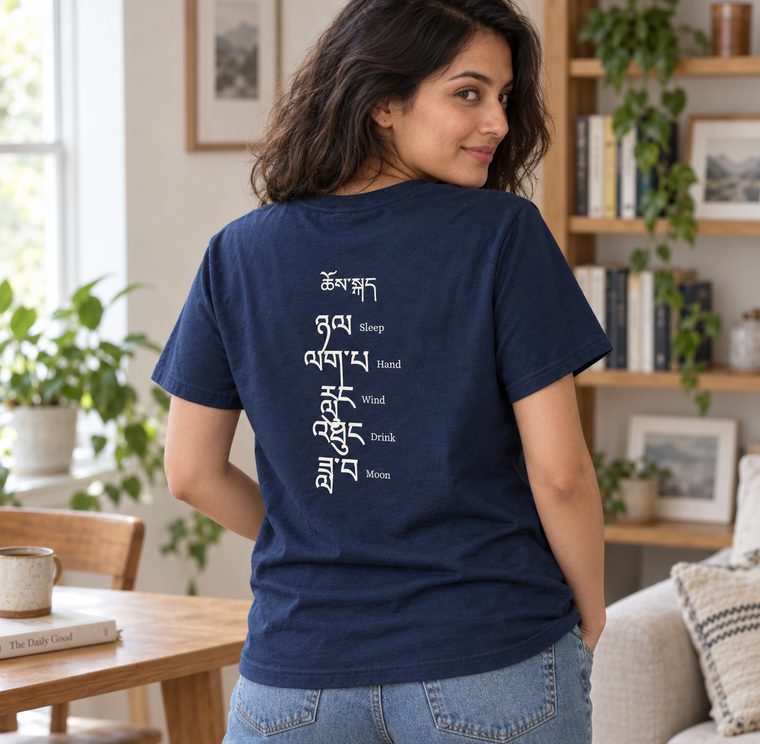
87 mots essentiels en arapaho
Sources
Mots comparés
Comparaison avec les langues de la même famille : Algonquian
| Sens | Arapaho | Cheyenne | Munsee | Crow | Ménominee | Cri | Cri des Plaines |
|---|---|---|---|---|---|---|---|
| Eau | nec /netʃ/ | mahpe /mahpe/ | mpíi /mbiː/ | bilé /bilé/ | nepāew /nəpaːew/ | ᓂᐱᕀ /nipij/ | ᓂᐱᕀ /nipij/ |
| Feu | hisítee /hisíteː/ | hoʼēsta /hoʔesta/ | lúhsuw /luhsuw/ | bilée /biléː/ | eskotēw /eskoteːw/ | ᐃᐢᑯᑌᐤ /iskoteːw/ | ᐃᐢᑯᑌᐤ /iskoteːw/ |
| Soleil | hiisíis /hiːsíis/ | éšeʼhe /éʃeʔhe/ | kíishux /kiːʃux/ | áxxaashe /áχːaːʃe/ | kēsoq /keːsoʔ/ | ᐲᓯᒼ /piːsim/ | ᐲᓯᒼ /piːsim/ |
| Lune | biikóusíis /biːkóusíis/ | taaʼéešeʼhe /taːʔéeʃeʔhe/ | nipáhum /nipahum/ | bilítaache /bilítaːtʃe/ | tepāhkēsoq /tepaːhkeːsoʔ/ | ᑎᐱᐢᑳᐏ ᐲᓯᒼ /tipiskaːwi piːsim/ | ᑎᐱᐢᑳᐃᐧᐲᓯᒼ /tipiskaːwi piːsim/ |
| Étoile | hó3oʼ /hóθoʔ/ | hotohke /hotohke/ | alaánkw /alaːŋkʷ/ | ihké /ihké/ | anaeq /anæʔ/ | ᐊᒑᐦᑯᐢ /atʃaːhkos/ | ᐊᒑᐦᑯᐢ /acaːhkos/ |
| Nuit | téceʼ /tétʃeʔ/ | táaʼe /táːʔe/ | piskeew /piskeːw/ | óotchia /óːttʃia/ | tepāhkeh /tepaːhkeh/ | ᑎᐱᐢᐠ /tipisk/ | ᑎᐱᐢᐠ /tipisk/ |
| Pluie | hoosóo /hoːsóː/ | — | — | xaleé /χaleé/ | — | ᑭᒥᐘᐣ /kimiwan/ | ᑭᒥᐘᐣ /kimiwan/ |
| Neige | híií /híːi/ | héstaʼse /héstaʔse/ | koon /koːn/ | bíia /bíːa/ | kōn /koːn/ | ᑰᓇ /koːna/ | ᑰᓇ /koːna/ |
| Vent | heséisen /heséisen/ | háaʼháeše /háːʔháeʃe/ | — | huché /hutʃé/ | — | ᔫᑎᐣ /joːtin/ | ᔫᑎᐣ /joːtin/ |
| Terre | biitoʼowuʼ /biːtoʔowuʔ/ | hoʼe /hoʔə/ | — | awé /awé/ | ahkēw /ahkeːw/ | ᐊᓯᐢᑭᕀ /asiskij/ | ᐊᓯᐢᑭᕀ /asiskij/ |
| Pierre | hohʼonóókee /hohʔonóːkeː/ | hoʼhonááʼe /hoʔhonáːʔe/ | asun /əsən/ | biiá /biːá/ | aqsan /aʔsan/ | ᐊᓯᓂᕀ /asinij/ | ᐊᓯᓂᕀ /asinij/ |
| Montagne | hóheʼ /hóheʔ/ | hoʼhonáevose /hoʔhonáevose/ | — | awaxaawé /awaχaːwé/ | wacēw /watʃeːw/ | ᐘᒋᕀ /watʃij/ | ᐘᒋᕀ /wacij/ |
| Mer | héetéc /héːtétʃ/ | tséh-mȧhóomoēha /tséhmahóːmoēha/ | — | bilisée /biliséː/ | kaeqcekam /kæʔtʃekam/ | ᑭᐦᒋᑲᒥᕀ /kihtʃikamij/ | ᑭᐦᒋᑲᒥᕀ /kihcikamij/ |
| Mère | néinoo /néinoː/ | náhkoʼéehe /náhkoʔéːhe/ | nkáhees /ŋkaheːs/ | isahké /isahké/ | nekīah /nekiːah/ | ᓂᑲᐎᕀ /nikaːwij/ | ᓂᑳᐃᐧ /nikaːwij/ |
| Père | neisónoo /neisónoː/ | néhoʼéehe /néhoʔéːhe/ | nóoxw /noːxw/ | iilápxe /iːlápχe/ | nōhnāeh /noːhnaːeh/ | ᓄᐦᑖᐎᕀ /noːhtaːwij/ | ᓅᐦᑖᐃᐧ /noːhtaːwij/ |
| Fille | notóóneh /notóːneh/ | nȧhtona /nahtona/ | — | dáakbia /dáːkbia/ | — | ᓂᑖᓂᐢ /nitaːnis/ | ᓂᑖᓂᐢ /nitaːnis/ |
| Je | nenééninoo /nenéːninoː/ | nánéehove /nánéːhove/ | nii /niː/ | bíi /bíː/ | nenah /nɛnah/ | ᓂᔭ /nija/ | ᓂᔭ /nija/ |
| Tu | nenéénin /nenéːnin/ | — /—/ | kii /kiː/ | díi /díː/ | kenah /kɛnah/ | ᑭᔭ /kija/ | ᑭᔭ /kija/ |
| Nous | nenéénínoʼ / nenééníniʼ /nenéːnínoʔ / nenéːníniʔ/ | nénéehóvema / nánéehóvéme /nénéːhóvema / nánéːhóvéme/ | kiilóona / niilóona /kiːloːna / niːloːna/ | balee /baleː/ | kenaq / nenaq /kɛnaʔ / nɛnaʔ/ | ᑭᔭᓈᓇᐤ / ᓂᔭᓈᐣ /kijaːnaw / nijanaːn/ | ᑭᔭᓈᓇᐤ / ᓂᔭᓈᐣ /kijaːnaw / nijanaːn/ |
| Nom | -íisiʼ /íːsiʔ/ | véhestȯtse /véhestotse/ | wiinzuwaakan /wiːnzuwaːkan/ | dáashe /dáːʃe/ | -esian /ɛsian/ | ᐏᐦᐅᐎᐣ /wiːhowin/ | ᐑᐦᐅᐏᐣ /wiːhowin/ |
| Personne | hinenítee /hineníteː/ | voʼėstane /voʔestane/ | — | bilaxpáake /bilaχpáːke/ | — | ᐊᔨᓯᔨᓂᐤ /ajisijiniw/ | ᐊᔨᓯᔨᓂᐤ /ajisijiniw/ |
| Tête | hóókuhúʼee /hóːkuhúʔeː/ | meʼko /meʔko/ | — | aashúua /aːʃúːa/ | — | ᒥᐢᑎᒁᐣ /mistikwaːn/ | ᒥᐢᑎᒁᐣ /mistikwaːn/ |
| Œil | besíiseʼ /besíiseʔ/ | maʼexa /maʔexa/ | wíikšiit /wiːkʃiːt/ | ishté /iʃté/ | oskēsek /oskeːsek/ | ᒥᐢᑮᓯᐠ /miskiːsik/ | ᒥᐢᑮᓯᐠ /miskiːsik/ |
| Oreille | wónotónoʼ /wónotónoʔ/ | mȧhtovooʼȯtse /mahtovoːʔotse/ | — | ahpé /ahpé/ | — | ᒥᐦᑕᐘᑲᕀ /mihtawakaj/ | ᒥᐦᑕᐘᑲᕀ /mihtawakaj/ |
| Nez | béʼis /béʔis/ | maʼevo /maʔevo/ | — | apé /apé/ | — | ᒥᐢᑭᐘᐣ /miskiwan/ | ᒥᐢᑭᐘᐣ /miskiwan/ |
| Bouche | bétii /bétiː/ | mahtse /mahtse/ | — | íia /íːa/ | — | ᒥᑑᐣ /mitoːn/ | ᒥᑑᐣ /mitoːn/ |
| Dent | béíci3 /béítʃiθ/ | véeʼėse /véːʔese/ | nipit /nipit/ | iiá /iːá/ | wēpet /weːpet/ | ᒦᐱᐟ /miːpit/ | ᒦᐱᐟ /miːpit/ |
| Langue | bei3ón /beiθón/ | vétanove /vétanove/ | wilanew /wilanew/ | déeshe /déːʃe/ | tēnaniw /teːnaniw/ | ᒥᑌᔭᓂᕀ /miteːjanij/ | ᒥᑌᔭᓂᕀ /miteːjanij/ |
| Main | béecét /béetʃét/ | maʼahtse /maʔahtse/ | mléelii /mleːliː/ | isché /istʃé/ | onehkeh /onehkeh/ | ᒥᒋᐦᒋᕀ /mitʃihtʃij/ | ᒥᒋᒋᕀ /micicij/ |
| Pied | wóʼoo3 /wóʔoːθ/ | mahtseʼko /matsʰeʔko/ | nzíit /nziːt/ | iché /itʃé/ | osēt /oseːt/ | ᒥᓯᐟ /misit/ | ᒥᓯᐟ /misit/ |
| Cœur | betéé /betéː/ | hēsta /hesta/ | ulehyii /ulehjiː/ | daasé /daːsé/ | otēh /oteːh/ | ᒥᑌᐦ /miteːh/ | ᒥᑌᐦ /miteːh/ |
| Os | hix /hix/ | heʼko /heʔko/ | wakan /wakan/ | hulé /hulé/ | ohkan /ohkan/ | ᒥᐢᑲᐣ /miskan/ | ᒥᐢᑲᐣ /miskan/ |
| Sang | beʼ /beʔ/ | maʼe /maʔe/ | mokw /mokʷ/ | íile /íːle/ | meskoh /mɛskoh/ | ᒥᐦᑯ /mihko/ | ᒥᐦᑯ /mihko/ |
| Caca | bee /beː/ | matse /matse/ | — | peelé /peːlé/ | — | ᒣᔨ /meːji/ | ᒣᔨ /meːji/ |
| Amour | bixóó3etíit /bixóːθetíːt/ | méhósáne /méhósáne/ | ahóoluw /ahoːluw/ | íchisshe /ítʃiʃːe/ | kesāenemāew /kesaːenemaːew/ | ᓵᑭᐦᐃᐍᐏᐣ /saːkihiweːwin/ | ᓵᑭᐦᐃᐍᐃᐧᐣ /saːkihiweːwin/ |
| Arbre | hohóót /hohóːt/ | hoohtsėstse /hoːhtsestse/ | hìttuk /hitːuk/ | balapáale /balapáːle/ | metekoh /metekoh/ | ᒥᐢᑎᐠ /mistik/ | ᒥᐢᑎᐠ /mistik/ |
| Chien | hé3 /héθ/ | oeškēso /oeʃkeso/ | mwáakaneew /mwaːkaneːw/ | bishké /biʃké/ | anēm /aneːm/ | ᐊᑎᒼ /atim/ | ᐊᑎᒼ /atim/ |
| Chat | woʼóoo /woʔóoo/ | póéso /póéso/ | póshiis /poʃiːs/ | iishpíiwishke /iːʃpíːwiʃke/ | — /—/ | ᒥᓅᐢ /minoːs/ | ᒥᓅᐢ /minoːs/ |
| Poisson | nowoʼ /nowoʔ/ | nómaʼne /nómaʔne/ | names /names/ | buá /buá/ | namēs /nameːs/ | ᑭᓄᓭᐤ /kinoseːw/ | ᑭᓄᓭᐤ /kinoseːw/ |
| Oiseau | niiʼéíhii /niːʔéíhiː/ | véʼkése /véʔkése/ | awehléeshoosh /awehleːʃoːʃ/ | dakáake /dakáːke/ | — | ᐱᔦᓰᐢ /pijeːsiːs/ | ᐱᔦᓰᐢ /pijeːsiːs/ |
| Papillon | níhʼootéibéíhii /níhʔoːtéibéíhiː/ | hevávȧhkema /hevávahkema/ | — | bilítaashisshe /bilítaːʃiʃːe/ | mīmīkwǣw /miːmiːkwæːw/ | ᑲᒫᒪᐠ /kamaːmak/ | ᑲᒫᒪᑯᐢ /kamaːmakos/ |
| Œuf | noon /noːn/ | vovȯtse /vovotse/ | wáhwal /wahwal/ | — | — | ᐚᐎ /waːwi/ | ᐚᐏ /waːwi/ |
| Ours | wox /wox/ | náhkohe /náhkohe/ | maxkw /maxkʷ/ | — | awǣhsaeh /awæːhsæh/ | ᒪᐢᑿ /maskwa/ | ᒪᐢᑿ /maskwa/ |
| Cheval | wóxhóox /wóxhóːx/ | moʼéhnoʼha /moʔéhnoʔha/ | — | iichíile /iːtʃíːle/ | — | ᒥᐢᑕᑎᒼ /mistatim/ | ᒥᐢᑕᑎᒼ /mistatim/ |
| Maison | hoʼóowuʼ /hoʔóowuʔ/ | mȧhēōʼo /maheoʔo/ | wíikwam /wiːkwam/ | ashé /aʃé/ | wīkewam /wiːkewam/ | ᐚᐢᑲᐦᐃᑲᐣ /waːskahikan/ | ᐚᐢᑲᐦᐃᑲᐣ /waːskahikan/ |
| Lait | be3énec /beθénetʃ/ | matana /matana/ | — | áachiwile /áːtʃiwile/ | — | ᑐᐦᑑᓵᐳᕀ /tohtoːsaːpoj/ | ᑐᐦᑑᓵᐳᕀ /tohtoːsaːpoj/ |
| Miel | koohóʼokuukóúhuyooʼ /koːhóʔokuːkóúhujoːʔ/ | háhnomápanoʼėhasēōʼo /háhnomápanoʔehaseoʔo/ | — | — | — | ᐋᒨᓰᐦᒋᑲᐣ /aːmoːsiːhtʃikan/ | ᐋᒧᐤ ᒣᔨ /aːmow meːji/ |
| Sel | niicooʼowuʼ /niːtʃoːʔowuʔ/ | vóhpomaʼȯhtse /vóhpomaʔohtse/ | shíiwang /ʃiːwaŋ/ | awaxóose /awaχóːse/ | sēwehtākan /seːwehtaːkan/ | ᓰᐑᐦᑖᑲᐣ /siːwiːhtaːkan/ | ᓰᐑᐦᑖᑲᐣ /siːwiːhtaːkan/ |
| Riz | hiʼíisóó /hiʔíisóː/ | heʼéhesono /heʔéhesono/ | — | bisheetchichée /biʃeːttʃitʃéː/ | manōmaeh /manoːmæh/ | ᐚᐸᔫᒥᐣ /waːpajoːmin/ | ᐚᐸᔫᒥᐣ /waːpajoːmin/ |
| Fer | béiʼcí3eʼ /béiʔtʃíθeʔ/ | maʼaata /maʔaːta/ | — | úuwate /úːwate/ | — | ᐲᐚᐱᐢᐠ /piːwaːpisk/ | ᐲᐚᐱᐢᐠ /piːwaːpisk/ |
| Roue | hotíí /hotíː/ | onéstȧhké-mȧhtseʼko /onéstahkémahtseʔko/ | — | baaiihulé /baːiːhulé/ | — | ᐅᑎᐦᑎᐱᐸᔨᐤ /otihtipipajiw/ | ᑎᐦᑎᐱᐸᔩᐢ /tihtipipajiːs/ |
| Soie | niixóosooʼ /niːxóːsoːʔ/ | séokaevėšéʼhóno /séokaeveʃéʔhóno/ | — | — | — | ᓭᓂᐹᓀᑭᐣ /seːnipaːneːkin/ | ᓭᓂᐹᓀᑭᐣ /seːnipaːneːkin/ |
| Livre | wo3onohóe /woθonohóe/ | mȯxeʼėstooʼo /moxeʔestoːʔo/ | — | baawaalaáche /baːwaːláːtʃe/ | masēnahekan /maseːnahekan/ | ᒪᓯᓇᐦᐃᑲᐣ /masinahikan/ | ᒪᓯᓇᐦᐃᑲᐣ /masinahikan/ |
| Manger | bii3íhi /biːθíhi/ | mésehe /mésehe/ | mit /mit/ | duushé /duːʃé/ | mīcew /miːtʃew/ | ᒦᒋᓱᐤ /miːtʃisow/ | ᒨᐍᐤ /moːweːw/ |
| Boire | bénee /bénéː/ | mane /mane/ | mneew /mneew/ | isshíia /iʃːíːa/ | menew /menew/ | ᒥᓂᐦᐠᐌᐤ /minihkweːw/ | ᒥᓂᐦᑴᐤ /minihkweːw/ |
| Dormir | nókohú /nókohú/ | naóotse /naóːtse/ | — | hiláwe /hiláwe/ | nepāw /nepaːw/ | ᓂᐹᐤ /nipaːw/ | ᓂᐹᐤ /nipaːw/ |
| Un | ceeséeʼ /tʃeːséːʔ/ | naʼėstse /naʔestse/ | ngwútii /ŋɡwutiː/ | hawáte /hawáːte/ | nekot /nekot/ | ᐯᔭᐠ /peːjak/ | ᐯᔭᐠ /peːjak/ |
| Deux | niis /niːs/ | neše /neʃe/ | niisha /niːʃa/ | dúupe /dúːpe/ | nīs /niːs/ | ᓃᓱ /niːso/ | ᓃᓱ /niːso/ |
| Trois | nééso /néːso/ | naʼhe /naʔhe/ | nxáh /nxaːh/ | dáawiia /dáːwiːa/ | nɛʔniw /nɛʔniw/ | ᓂᐢᑐ /nisto/ | ᓂᐢᑐ /nisto/ |
| Quatre | yein /jein/ | neve /neve/ | néewa /neːwa/ | shoopé /ʃoːpé/ | nīw /niːw/ | ᓀᐓ /neːwo/ | ᓀᐓ /neːwo/ |
| Cinq | yoo3on /joːθon/ | noho /noho/ | náalan /naːlan/ | chiaxxó /tʃiaχːó/ | nyānan /njaːnan/ | ᓂᔮᓇᐣ /nijaːnan/ | ᓂᔮᓇᐣ /niːjaːnan/ |
| Cent | béteetósooʼ /béteːtósoːʔ/ | noʼka mȧhtóhtȯhnóʼe /noʔka mahtóhtohnóʔe/ | nkwətaːpóxkə /nkwətaːpoxkə/ | pilakisée /pilakiséː/ | — | ᒥᑖᑕᐦᑐᒥᑕᓇᐤ /mitaːtahtomitanaw/ | ᒥᑖᑕᐦᑐᒥᑕᓇᐤ /mitaːtahtomitanaw/ |
| Bonjour | héébe /héːbe/ | haáahe /haáːhe/ | hé /heː/ | kahée /kahéː/ | posoh /posoh/ | ᑖᓂᓯ /taːnisi/ | ᑖᓂᓯ /taːnisi/ |
| Merci | hohóu /hohóu/ | néáʼeše /néáʔeʃe/ | wanìshi /waniʃi/ | ahóoh /ahóːh/ | wāēwāēnen /waːeːwaːeːnen/ | ᑭᓇᓈᐢᑯᒥᑎᐣ /kinanaːskomitin/ | ᐦᐊᕀ ᐦᐊᕀ /haj haj/ |
| Bon | hi3éíhi /hiθéíhi/ | pėhévaʼe /pehévaʔe/ | weltóok /weltoːk/ | ítche /íttʃe/ | menwāewen /menwaːewen/ | ᒥᔫ /mijoː/ | ᒥᔼᓯᐣ /mijwaːsin/ |
| Nouveau | wooyóó /woːjóː/ | mónaʼe /mónaʔe/ | — | hilaaké /hilaːké/ | — | ᐅᐢᑳᔨ /oskaːji/ | ᐅᐢᑳᔨ /oskaːji/ |
| Rouge | beeʼee /beːʔeː/ | maʼó /maʔó/ | maxkeew /maxkeːw/ | hísshe /híʃːe/ | mɛhkon /mɛhkon/ | ᒥᐦᒁᐤ /mihkwaːw/ | ᒥᐦᒁᐤ /mihkwaːw/ |
| Blanc | noocóó /noːtʃóː/ | vóʼkomó /vóʔkomó/ | waapeew /waːpeːw/ | chía /tʃía/ | — | ᐚᐱᐢᑳᐤ /waːpiskaːw/ | ᐚᐱᐢᑳᐤ /waːpiskaːw/ |
| Noir | woʼóteeyóó /woʔóteːjóː/ | moʼȯhtávo /moʔohtávo/ | — | shipíte /ʃipíte/ | — | ᑲᐢᑭᑌᐚᐤ /kaskiteːwaːw/ | ᑲᐢᑭᑌᐚᐤ /kaskiteːwaːw/ |
| Vert | cenéeteeyóó /tʃenéːteːjóː/ | hoxoʼȯhtsévo /hoxoʔohtsévo/ | — | shúa /ʃúa/ | — | ᐊᐢᑭᐦᑕᒁᐤ /askihtakwaːw/ | ᐊᐢᑭᐦᑕᒁᐤ /askihtakwaːw/ |
| Bleu | cenéeteeyóó /tʃenéːteːjóː/ | otáʼtavó /otáʔtavó/ | — | shúa /ʃúa/ | — | ᓰᐱᐦᒁᐤ /siːpihkwaːw/ | ᓰᐱᐦᒁᐤ /siːpihkwaːw/ |
| Thé | biiciixo /biːtʃiːxo/ | véhpotséhohpe /véhpotséhohpe/ | — | — | — | ᓂᐦᑎᕀ /nihtij/ | ᓂᐦᑎᕀ /nihtij/ |
| Café | wooʼteenoowuʼ /woːʔteːnoːwuʔ/ | moʼȯhtávėhohpe /moʔohtávehohpe/ | — | — | — | ᐱᐦᑲᐦᑌᐚᐳᕀ /pihkahteːwaːpoj/ | ᐱᐦᑲᐦᑌᐚᐳᕀ /pihkahteːwaːpoj/ |
| Sucre | niisiscooʼ /niːsistʃoːʔ/ | véʼkeemahpe /véʔkeemahpe/ | — | — | — | ᓰᐏᓂᑲᐣ /siːwinikan/ | ᓰᐏᓂᑲᐣ /siːwinikan/ |
Ouvrir la carte interactive: Word Map · HanMap · Name Map · Word Order · Tree
Fait partie de LangMap — un projet de visualisation linguistique. Ceci est un résumé statique et explorable ; les cartes interactives offrent l’audio de prononciation, des filtres et une vue globe.
Réalisé par Heuron Inc. · GitHub · cho@heuron.com · Accueil LangMap